Gualichu
An evil spirit feared in Mapuche and Tehuelche traditions, and a word for bad luck
Gualichu is an evil spirit from Mapuche and Tehuelche mythology. People blamed this being for all illness and disaster, but they did not worship it.
- Feared evil spirit in Mapuche and Tehuelche culture
- Blamed for all disease and calamity
- No physical depictions exist
- Expelled through exorcism if possessing someone
- Word survives as slang for bad luck in four countries
What it is
Gualichu represents a malevolent force within the spiritual beliefs of the Mapuche and Tehuelche peoples. This entity functions as a demon or evil spirit rather than a deity. Communities did not offer worship to Gualichu. Instead, they lived in fear of this presence. The spirit was viewed as the cause behind every form of sickness and misfortune. Any negative event could be attributed to its influence. There are no physical images or statues of this being. It is understood to exist purely as a spirit dwelling beneath the earth.
Where it comes from
The concept originates in the mythologies of the Mapuche and Tehuelche cultures. These groups inhabited regions that are now part of Chile and Argentina. The belief system lacked a formal god of evil. Gualichu filled that role by personifying harm. The term also evolved to describe an evil spell or charm. In modern folklore across Chile, Argentina, southern Brazil, and Uruguay, the word survives. It appears as both a noun and a verb, such as engualichar, meaning to cast a jinx.
How it is done
When Gualichu was believed to enter a person's body or objects, an exorcism was required. A specialist would perform rituals to expel the spirit. This practice addresses the belief in demon possession. The methods used were specific to the cultural context of the time. Today, the term describes a state of bad luck rather than a ritual act.
Gualichu, drawn and placed
- Living
- Revived
- Fading
- Historical
- Legendary
- Performed
- Lineage
- Mapuche mythology
What it is for
The spirit was blamed for diseases and other disasters. The purpose of identifying this force was to explain suffering. It provided a reason for why things went wrong. Rituals aimed to remove the spirit once it had taken hold. The goal was restoration of health and safety through expulsion.
Who does it
Shamans, known as Machi in some related traditions, handled cases of possession. They performed the necessary exorcisms to drive out the spirit. These specialists acted as intermediaries between the community and the spiritual realm. Their role was crucial when Gualichu was thought to have entered a victim.
Peoples and places
The belief is rooted in Mapuche and Tehuelche cultures. These groups are indigenous to the southern cone of South America. The concept has spread into local folklore in Chile and Argentina. It also appears in the superstitions of southern Brazil and Uruguay. The term gualicho remains active in these regions as a word for bad luck.
At a glance: who, where and when
What people believe
The worldview holds that Gualichu is a purely spiritual being. It lives underground and can inhabit people or objects. This presence causes harm without any divine worship. The spirit is comparable to the Devil but distinct. It represents a lack of a formal evil deity in the original pantheon. Fear, rather than reverence, defined the relationship with this entity.
How scholars and sceptics see it
Anthropologists study Gualichu as part of the broader mythological systems of Patagonia and the Pampas. Researchers examine how these beliefs functioned within indigenous societies. The absence of a worshipped evil god is a notable feature. Scholars note the linguistic evolution of the term into modern slang for curses.
Compare and confuse
Gualichu is often compared to the Wekufe in other Mapuche contexts. It serves a similar function as a bringer of harm. The concept differs from the Christian Devil despite superficial similarities. It is a localized spirit rather than a universal antagonist.
Today
The name survives in the folklore of Chile, Argentina, southern Brazil, and Uruguay. It is used as a common noun and verb to describe bad luck. The phrase 'It has Gualichu' indicates a curse. The original religious belief in the spirit itself is largely historical.
Questions people ask about Gualichu
What is Gualichu?
Gualichu is an evil spirit or demon from Mapuche and Tehuelche mythology. It is blamed for all illness and misfortune but is not worshipped.
Where does this belief come from?
The belief originates in the cultures of the Mapuche and Tehuelche peoples in what is now Chile and Argentina.
How do people deal with Gualichu?
If the spirit possesses a person, an exorcism is performed to expel it. Shamans typically handle these rituals.
Is the word still used today?
Yes, in Chile, Argentina, southern Brazil, and Uruguay, it means a jinx or bad luck.
Good reading and sources
The facts on this page come from the Wikipedia article "Gualichu", written by its contributors and used under the CC BY-SA 4.0 licence, and from its Wikidata record (CC0). EveryJaadu rewrote the text in its own words, with AI assistance, and compares every page with the article to make sure no passage is copied. It may be reused under the same CC BY-SA 4.0 licence with a link back.
It may contain mistakes. Names and customs differ from one community to the next, and some knowledge is closed to outsiders and left out here. This page describes belief and practice. It does not say that any of it works, it is not a how-to, and it is not medical advice. If something is wrong, tell us. Last refreshed 2026-10-06.
More from Chile
All the entries from Chile 🇨🇱 ChileTrauco
A small forest spirit from Chiloé mythology known for seducing women and causing pregnancyBeing · Love and attraction · Cursing and harm Legendary
🇨🇱 ChileTrauco
A small forest spirit from Chiloé mythology known for seducing women and causing pregnancyBeing · Love and attraction · Cursing and harm Legendary
 🇵🇪 Peru and 5 morePachamama
The Andean mother goddess of space-time and the earthBeing · Protection · Healing Living
🇵🇪 Peru and 5 morePachamama
The Andean mother goddess of space-time and the earthBeing · Protection · Healing Living
 🇵🇷 Puerto Rico and 5 moreChupacabrachupacabras
A legendary creature said to drain livestock of blood, emerging from Puerto Rico in the mid-1990sBeing · Cursing and harm Legendary
🇵🇷 Puerto Rico and 5 moreChupacabrachupacabras
A legendary creature said to drain livestock of blood, emerging from Puerto Rico in the mid-1990sBeing · Cursing and harm Legendary
 🇦🇷 Argentina and 5 moreGauchito Gil
A folk saint from Argentina who protects the poor and outcastsBeing · Protection · Healing Living
🇦🇷 Argentina and 5 moreGauchito Gil
A folk saint from Argentina who protects the poor and outcastsBeing · Protection · Healing Living
Related elsewhere
All being 🇷🇸 Serbia and 5 moreVampire
An undead creature from folklore that feeds on the blood or life force of the livingBeing · Cursing and harm · Luck and prosperity Legendary
🇷🇸 Serbia and 5 moreVampire
An undead creature from folklore that feeds on the blood or life force of the livingBeing · Cursing and harm · Luck and prosperity Legendary
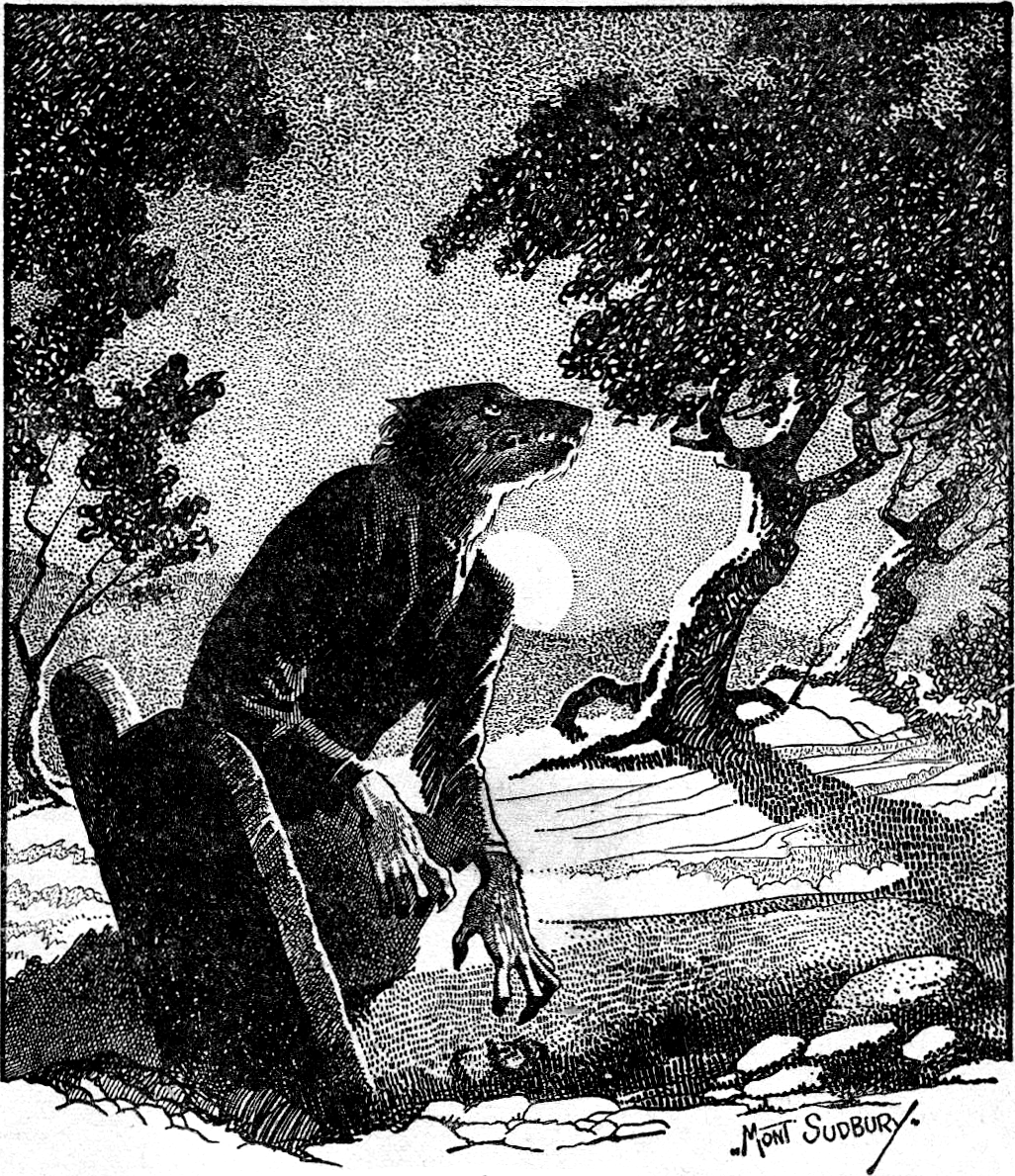 🇫🇷 France and 5 moreWerewolf
A mythical shapeshifter that turns into a wolf, central to European witch-hunts and Gothic horror.Being · Cursing and harm · Wonder and entertainment Legendary
🇫🇷 France and 5 moreWerewolf
A mythical shapeshifter that turns into a wolf, central to European witch-hunts and Gothic horror.Being · Cursing and harm · Wonder and entertainment Legendary
 🇪🇬 Egypt and 1 moreLilithלִילִית
A feminine figure from Mesopotamian and Jewish mythology, often depicted as a night demon or spirit.Being · Cursing and harm Legendary
🇪🇬 Egypt and 1 moreLilithלִילִית
A feminine figure from Mesopotamian and Jewish mythology, often depicted as a night demon or spirit.Being · Cursing and harm Legendary
 🇪🇬 EgyptCurse
A spoken wish for misfortune to befall a person or placeBelief · Cursing and harm · Luck and prosperity Historical
🇪🇬 EgyptCurse
A spoken wish for misfortune to befall a person or placeBelief · Cursing and harm · Luck and prosperity Historical