
Sanni Yakuma
In its own language: සන්නි යකුම
from the Sinhala words for 'disease' and 'demon ritual'
A traditional Sinhalese exorcism ritual featuring eighteen masked dances to banish illness-causing demons.
The Sanni Yakuma is a Sri Lankan healing ceremony that uses dance and masks to summon and expel spirits believed to cause disease. It blends ancient folk beliefs with Buddhist teachings, aiming to restore health by forcing the demons to leave the patient's body.
- Features eighteen masked dances representing specific demons
- Performed by a shaman known as the yakadura
- Blends Buddhist teachings with older folk beliefs
- Includes humorous dialogues to humiliate the spirits
- Most common in the southern coastal regions of Sri Lanka
What it is
The Sanni Yakuma is a traditional healing ceremony practiced in Sri Lanka. It belongs to the tovil family of rituals, which are designed to deal with spiritual interference. The event features eighteen distinct masked dances, each representing a specific demon or ailment. These performances are part of the Pahatharata style, one of the island's primary dance traditions. The goal is to identify the spirit causing a person's sickness and then drive it away through performance and negotiation.
Where it comes from
Folklore traces the origin of these demons to the time of the Buddha. A story tells of a king who executed his wife for alleged infidelity. She gave birth during her execution, and her son, the Kola Sanni demon, grew up feeding on her corpse. He sought revenge on his father by creating eighteen poison lumps that turned into demons. These spirits destroyed the city until the Buddha subdued them and made them promise not to harm humans further. The ritual likely has prehistoric roots before being integrated into Buddhist frameworks.
How it is done
A healer called the yakadura first determines if a demon is responsible for the illness. If so, he schedules the ceremony for an auspicious night, usually running from evening until morning. The event has two main parts: the Ata Paliya and the Daha Ata Sanniya. Dancers wear elaborate masks and bright clothes while performing complex steps to drum beats. The performance includes humorous and sometimes crude exchanges between the drummer and the demons, humiliating the spirits before they are finally banished.
Tools and materials
The ritual relies heavily on visual and auditory elements. Performers use large, expressive masks to embody the different demons. They wear vibrant costumes that change for each character. Rhythmic drumming provides the tempo for the dances. Offerings prepared by the healer are presented to the spirits as part of the negotiation process to end their influence over the patient.
Sanni Yakuma, drawn and placed
- Living
- Revived
- Fading
- Historical
- Legendary
- Performed
- Lineage
- Sri Lankan tovil tradition
- Timing
- at night from dusk to dawn
What it is for
People seek this ritual when they believe their illness is caused by a supernatural entity rather than natural causes. It also serves to protect the community by ensuring the demons do not return to cause more trouble. The final stage involves the demons accepting offerings and agreeing to stop troubling humans.
Who does it
The lead figure is the yakadura, a shamanic healer. This person is often a fisherman, farmer, or drummer who has specialized knowledge of the rituals. The yakadura acts as the intermediary between the human world and the spirit realm. They decide when the ritual should take place and guide the dancers through the necessary steps to control the demons.
Peoples and places
The practice is central to Sinhalese culture in Sri Lanka. It is most common in the southern and western coastal regions. While the core structure remains consistent, local variations exist in the specific masks used and the details of the performance. The tradition has survived despite colonial influences and modern challenges, maintaining its role as a key part of local spiritual life.
At a glance: who, where and when
Who does it
Peoples
Belief worlds
Occasions
What people believe
The underlying worldview combines animism with Buddhism. Spirits are seen as powerful forces that can cause physical harm. However, they are not purely evil; they can be negotiated with or controlled. The Buddha's authority is invoked to subdue these wild spirits, showing that Buddhist power can tame even the most dangerous demons. This reflects a syncretic belief system where old folk practices coexist with organized religion.
When it is done
The ritual is performed during times of crisis when someone falls ill. It is not tied to a specific festival but is scheduled based on astrological calculations made by the healer. The ceremonies typically last all night, taking advantage of the darkness to facilitate the presence of spirits.
How scholars and sceptics see it
Researchers view the Sanni Yakuma as a form of psychodrama or social theater. It allows patients and communities to externalize their fears about illness. Anthropologists note how the ritual uses humor and humiliation to reduce the perceived power of the threatening spirits. It is studied as a way societies cope with the uncertainty of disease without relying solely on medical intervention.
Cautions and what is closed
The ritual can be expensive and time-consuming, limiting its frequency. Some critics argue that relying on such ceremonies might delay proper medical treatment. There are no reported cases of physical harm during the performances themselves, but the psychological impact on those believing they are possessed can be significant.
Compare and confuse
The Sanni Yakuma is similar to other South Asian exorcism rites that use dance and music. It differs from Western exorcisms by its emphasis on theatrical performance and negotiation rather than force. The concept of demons causing illness is shared with many cultures, but the specific eighteen demons and their backstory are unique to Sri Lanka.
Questions people ask about Sanni Yakuma
What is the Sanni Yakuma?
It is a traditional Sri Lankan healing ritual that uses masked dances to summon and banish demons believed to cause illness. It is a key part of Sinhalese folk culture.
Where does it come from?
The ritual originates from Sri Lanka, with folklore linking the demons to the time of the Buddha. It has roots in prehistoric beliefs about spirits causing disease.
Who performs the ritual?
A shaman called the yakadura leads the ceremony. They are often local fishermen or farmers who have learned the specific chants and dance steps required.
Why are there eighteen demons?
Legend says the Kola Sanni demon created eighteen poison lumps that became spirits. Each represents a different type of illness or ailment affecting humans.
Good reading and sources
The facts on this page come from the Wikipedia article "Sanni Yakuma", written by its contributors and used under the CC BY-SA 4.0 licence, and from its Wikidata record (CC0). EveryJaadu rewrote the text in its own words, with AI assistance, and compares every page with the article to make sure no passage is copied. It may be reused under the same CC BY-SA 4.0 licence with a link back.
It may contain mistakes. Names and customs differ from one community to the next, and some knowledge is closed to outsiders and left out here. This page describes belief and practice. It does not say that any of it works, it is not a how-to, and it is not medical advice. If something is wrong, tell us. Last refreshed 2026-10-07.
More from Sri Lanka
All the entries from Sri Lanka 🇮🇳 India and 5 moreKolamகோலம்
A daily geometric floor drawing made with rice flour at the home entrance in South IndiaTradition · Protection · Luck and prosperity Living
🇮🇳 India and 5 moreKolamகோலம்
A daily geometric floor drawing made with rice flour at the home entrance in South IndiaTradition · Protection · Luck and prosperity Living
 🇮🇳 India and 2 moreYantraयन्त्र
A geometric diagram from Indian traditions used for worship and meditationTradition · Protection · Speaking with spirits and the dead Living
🇮🇳 India and 2 moreYantraयन्त्र
A geometric diagram from Indian traditions used for worship and meditationTradition · Protection · Speaking with spirits and the dead Living
 🇮🇳 India and 5 moreBindiबिंदी
A dot worn on the forehead to mark spiritual focus and cultural identityCharm · Protection · Power and authority Living
🇮🇳 India and 5 moreBindiबिंदी
A dot worn on the forehead to mark spiritual focus and cultural identityCharm · Protection · Power and authority Living
Related elsewhere
All rite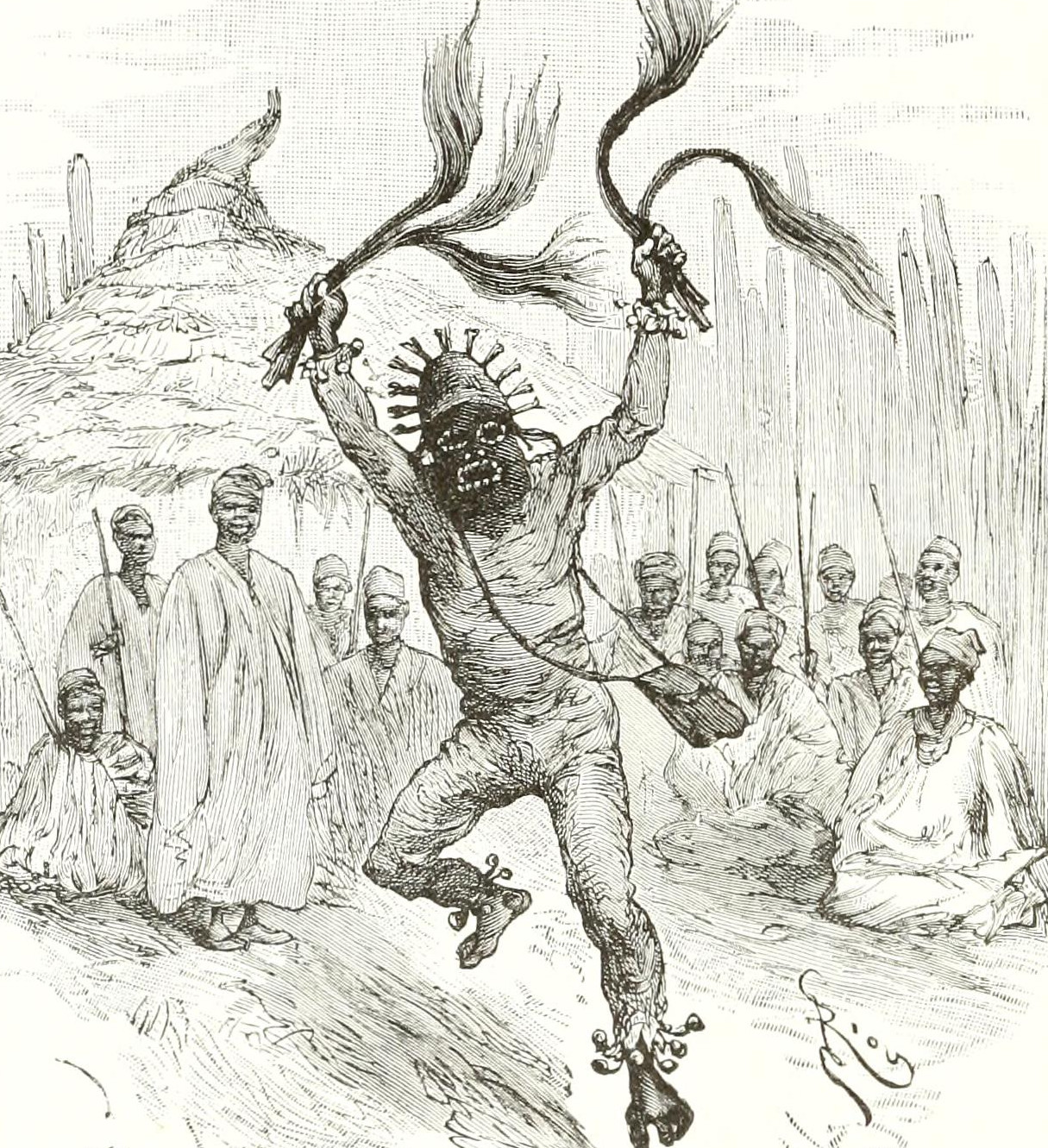 🇺🇸 United States and 2 moreLouisiana Voodoo
An African diasporic religion practiced in Louisiana from the 18th to early 20th centuriesTradition · Healing · Protection Historical
🇺🇸 United States and 2 moreLouisiana Voodoo
An African diasporic religion practiced in Louisiana from the 18th to early 20th centuriesTradition · Healing · Protection Historical
 🇨🇬 Republic of the CongoNkisi
Spirit containers and power figures from the Congo Basin used for justice and healingCharm · Protection · Healing Living
🇨🇬 Republic of the CongoNkisi
Spirit containers and power figures from the Congo Basin used for justice and healingCharm · Protection · Healing Living
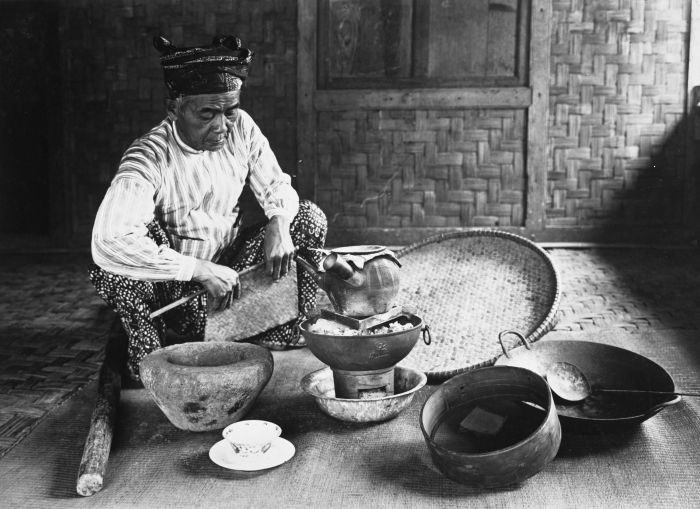 🇮🇩 Indonesia and 2 moreDukun
A traditional healer and spirit medium in Indonesian folk practiceTradition · Healing · Seeing and foretelling Living
🇲🇾 Malaysia and 1 moreBomohبوموه
A Malay shaman and traditional healer who works with spirits, herbs, and geomancy.Tradition · Healing · Seeing and foretelling Living
🇮🇩 Indonesia and 2 moreDukun
A traditional healer and spirit medium in Indonesian folk practiceTradition · Healing · Seeing and foretelling Living
🇲🇾 Malaysia and 1 moreBomohبوموه
A Malay shaman and traditional healer who works with spirits, herbs, and geomancy.Tradition · Healing · Seeing and foretelling Living