The boli is a fetish used by the Bambara and Malinké peoples of Mali. It is an object believed to be charged with nyama, or vital force, capable of causing death, predicting the future, or possessing individuals.
- Boliw are charged fetishes of the Bambara and Malinké peoples of Mali.
- Objects contain a core nucleus symbolizing vital energy and nyama.
- Power is increased through animal blood sacrifices and offerings.
- Michel Leiris documented unethical colonial theft of konos in the 1930s.
- Stolen objects are now held in major European and American museums.
What it is
The boli is a fetish object central to the spiritual practices of the Bambara and Malinké peoples in Mali. Practitioners of the bamanaya cult view these objects as living beings containing a core nucleus made of stone, metal, or other materials. This core represents the vital energy of the object. The boli is considered charged with nyama, a powerful force that allows it to perform extraordinary actions. These actions include bringing death, foreseeing events, or taking possession of a person. The object itself serves as a symbol of the placenta, connecting it to themes of birth and life force.
Where it comes from
The concept of the boli originates within Mandingo religions and the cultural traditions of the Bambara and Malinké communities in Mali. It is deeply embedded in their understanding of the spiritual world. The object is not merely a tool but is regarded as a living entity. Its power is derived from its connection to the afterlife and the vital forces present in the natural world. The practice involves specific rituals where the object is treated with reverence and maintained through offerings.
How it is done
The boli is activated and strengthened through the offering of animal blood. Sacrifices are made to the boliw, which increases the amount of nyama contained within the object. This process charges the fetish with greater power. The community also communicates with the afterlife through masked dancers during rituals. These ceremonies involve direct interaction with the spiritual realm facilitated by the charged objects. The accumulation of blood is seen as essential for maintaining the object's vitality and effectiveness.
Tools and materials
Boliw can take various forms, including zoomorphic shapes resembling buffalo or zebu, or occasionally anthropomorphic figures. They are constructed from materials such as clay, tissue, skin, and human or animal placenta. Inside each boli is a core or grain, often a stone or piece of metal, which symbolizes the vital energy. This nucleus is the heart of the object's power. The external materials serve as vessels for the internal force, allowing the object to interact with the physical and spiritual worlds.
Boli, drawn and placed
- Living
- Revived
- Fading
- Historical
- Legendary
- Performed
- Lineage
- Mandingo religions
What it is for
People seek the power of the boli for protection, authority, and influence over others. The charged object is believed to have the ability to cause harm, predict future events, or possess individuals. It is used to navigate complex social and spiritual dynamics. The bamanaya cult relies on these objects to maintain connections with ancestors and the afterlife. The power of the boli is sought by those who wish to exert control or gain insight into hidden matters.
Who does it
The practice is associated with the Bambara and Malinké peoples of Mali. Specific groups known as the bamanaya cult engage in sacrifices to the boliw. These practitioners communicate with the spirit world through masked dancers. The role involves maintaining the charged objects and performing rituals to sustain their power. The knowledge and practice are tied to specific ethnic and cultural identities within the region.
Peoples and places
The boli is primarily identified with the Bambara and Malinké peoples of Mali. These groups form the core of the tradition, with the bamanaya cult playing a significant role in its practice. The object is a key element of their religious and cultural heritage. While the tradition is rooted in Mali, it reflects the broader spiritual frameworks of the Mandingo peoples. The practice distinguishes these communities through their unique relationship with charged fetishes.
At a glance: who, where and when
What people believe
The underlying worldview is animistic, viewing objects as living entities with their own energy. Nyama is the vital force that permeates the world and can be concentrated in objects like the boli. The belief holds that blood offerings increase this force, making the object more potent. The core of the boli represents the essence of life, linking it to the placenta and birth. This framework connects the physical object to the spiritual realm, allowing it to act as an intermediary.
When it is done
Rituals involving the boli are part of the ongoing spiritual life of the community. Sacrifices are made to maintain the object's charge. Masked dances are performed to communicate with the afterlife. These activities are integrated into the broader religious calendar and social structures of the Bambara people.
How scholars and sceptics see it
Anthropologist Michel Leiris documented the colonial extraction of these objects during the Dakar-Djibouti mission between 1931 and 1933. He described the unethical methods used to acquire konos, including pressure, blackmail, and theft. Leiris acknowledged the sacrilegious nature of these acts and referred to himself and his team as demons. His accounts provide insight into the impact of colonialism on indigenous spiritual practices and the loss of sacred objects.
Cautions and what is closed
The theft of konos by colonial ethnologists was a traumatic event for the Bambara people. Leiris noted that these acts were viewed as enormous enormities and sacrilegious gestures. The removal of these objects disrupted the spiritual balance and caused fear and amazement among the population. The ethical violations committed during the expedition highlight the harm caused by colonial appropriation of sacred items. The legacy of these thefts remains a point of contention in museum collections.
Compare and confuse
The boli is similar to other fetish objects found in West African traditions, where items are charged with spiritual power. It shares characteristics with other animistic practices that view material objects as living entities. The concept of nyama is central to many Mandingo religions, distinguishing it from other spiritual frameworks. The use of placenta and blood offerings links it to broader themes of life force and sacrifice in the region.
Law and persecution
The colonial theft of konos raises legal and ethical questions regarding the ownership of sacred objects. Many of these items are now held in museums such as the Trocadéro, the Museum of Mankind, and the Quai Branly. The acquisition methods used by ethnologists like Leiris are widely criticized today. There is ongoing debate about the repatriation of these objects to their communities of origin. The legal status of these items often conflicts with indigenous claims to their spiritual heritage.
Questions people ask about Boli
What is a boli?
A boli is a fetish object used by the Bambara and Malinké peoples of Mali. It is believed to be charged with nyama, a vital force, and is considered a living being capable of performing extraordinary actions.
How does a boli gain power?
The boli gains power through the offering of animal blood. Sacrifices increase the amount of nyama within the object, charging it with greater vitality and effectiveness for its intended purposes.
What can a boli do?
Practitioners believe a charged boli can cause death, predict the future, or possess individuals. It serves as a symbol of the placenta and a conduit for communicating with the afterlife.
What happened to stolen boliw?
During the 1930s, colonial ethnologists stole several konos (charged objects) from Bambara villages. These items were taken to museums in France and the United States through unethical means.
Good reading and sources
The facts on this page come from the Wikipedia article "Boli (fetish)", written by its contributors and used under the CC BY-SA 4.0 licence, and from its Wikidata record (CC0). EveryJaadu rewrote the text in its own words, with AI assistance, and compares every page with the article to make sure no passage is copied. It may be reused under the same CC BY-SA 4.0 licence with a link back.
It may contain mistakes. Names and customs differ from one community to the next, and some knowledge is closed to outsiders and left out here. This page describes belief and practice. It does not say that any of it works, it is not a how-to, and it is not medical advice. If something is wrong, tell us. Last refreshed 2026-10-09.
More from Mali
All the entries from Mali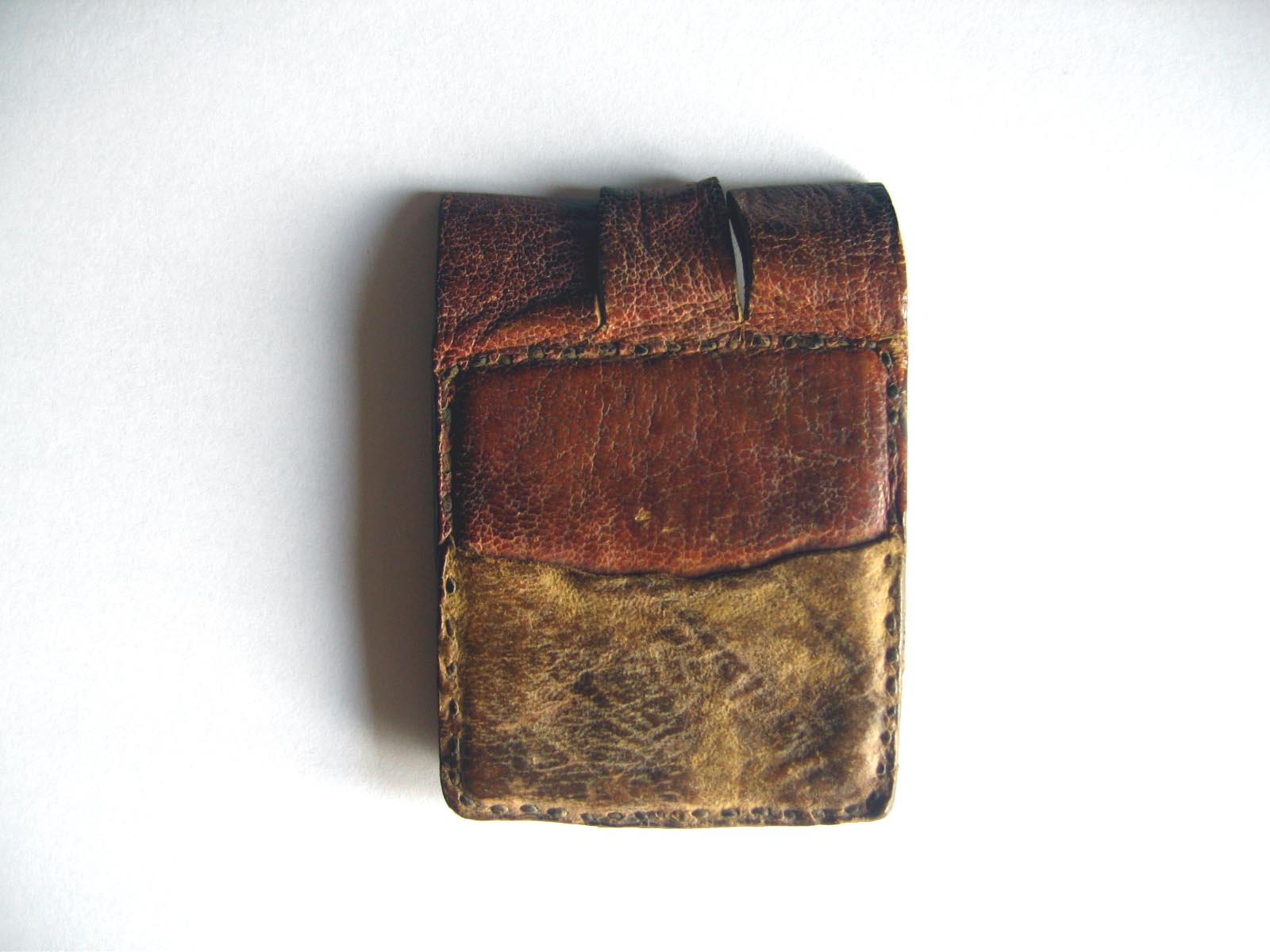 🇲🇱 Mali and 3 moreGris-gris
A small pouch or charm from West Africa used for protection and luck.Charm · Protection · Luck and prosperity Living
🇲🇱 Mali and 3 moreGris-gris
A small pouch or charm from West Africa used for protection and luck.Charm · Protection · Luck and prosperity Living
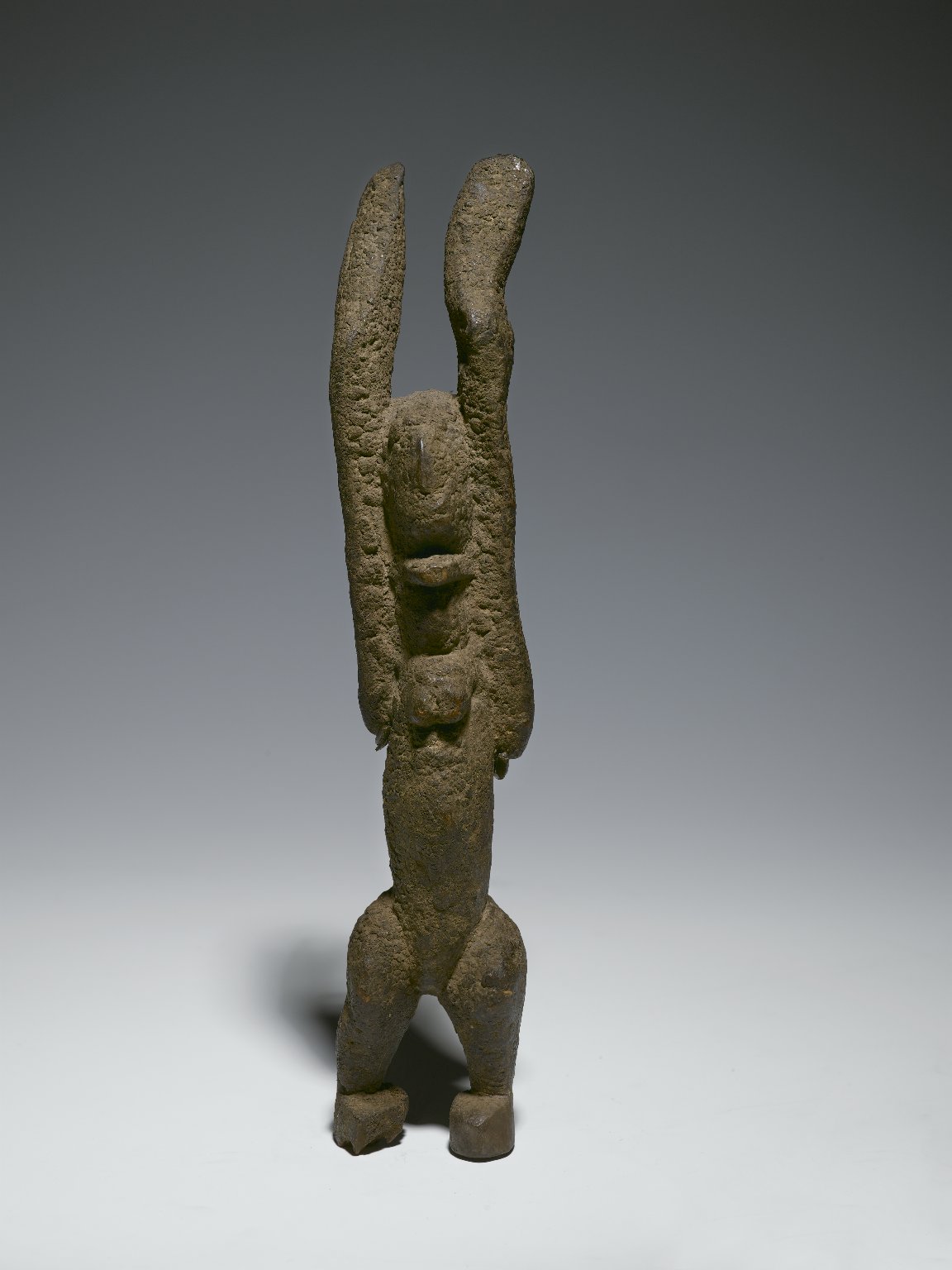 🇲🇱 MaliDogon religion
The traditional spiritual beliefs of the Dogon people of MaliTradition · Protection · Speaking with spirits and the dead Living
🇲🇱 MaliDogon religion
The traditional spiritual beliefs of the Dogon people of MaliTradition · Protection · Speaking with spirits and the dead Living
 🇸🇳 Senegal and 5 moreMaraboutmurābiṭ
A Muslim religious leader and teacher in West Africa, often linked to Sufi brotherhoods.Tradition · Protection · Speaking with spirits and the dead Living
🇲🇱 MaliNommo
Primordial water spirits in Dogon cosmology from MaliBeing · Speaking with spirits and the dead Legendary
🇸🇳 Senegal and 5 moreMaraboutmurābiṭ
A Muslim religious leader and teacher in West Africa, often linked to Sufi brotherhoods.Tradition · Protection · Speaking with spirits and the dead Living
🇲🇱 MaliNommo
Primordial water spirits in Dogon cosmology from MaliBeing · Speaking with spirits and the dead Legendary
Related elsewhere
All charm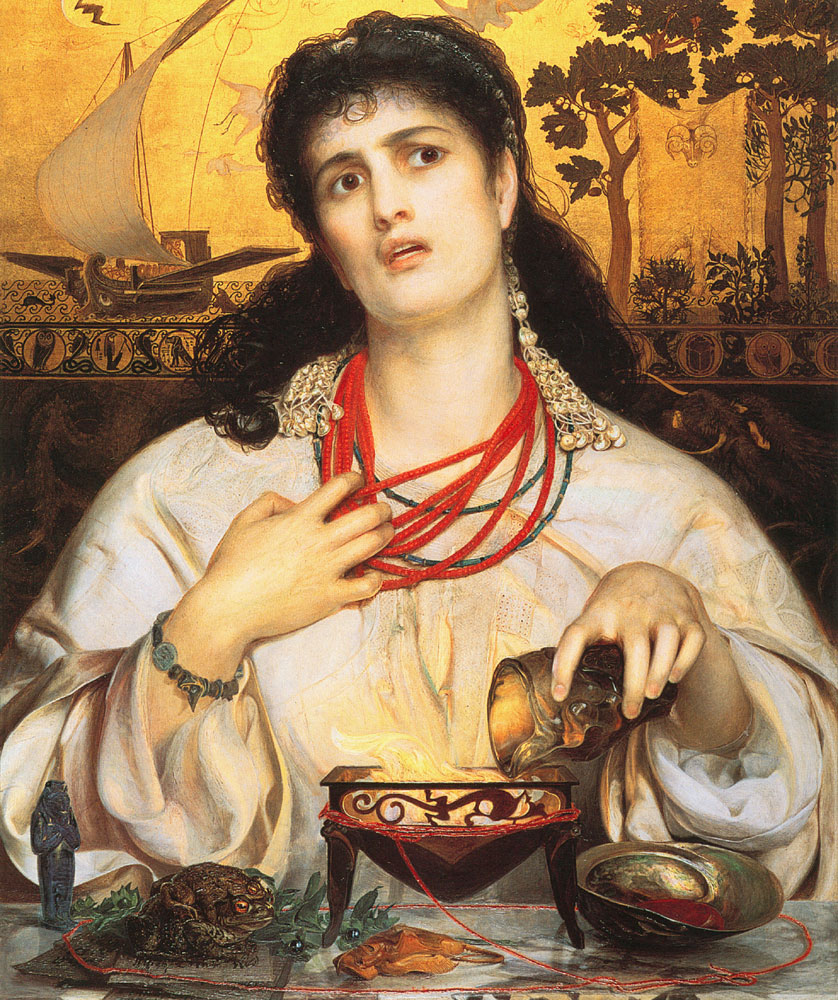 🇬🇷 GreeceMedeaΜήδεια
A sorceress and princess of Colchis who aids Jason and uses magic for revenge.Figure · Cursing and harm · Healing Legendary
🇬🇷 GreeceMedeaΜήδεια
A sorceress and princess of Colchis who aids Jason and uses magic for revenge.Figure · Cursing and harm · Healing Legendary
 🇮🇸 Iceland and 2 moreSeiðr
A Norse magic of fate and spirit, practiced by seers and sorcerers in the Viking Age.Tradition · Seeing and foretelling · Cursing and harm Revived
🇮🇸 Iceland and 2 moreSeiðr
A Norse magic of fate and spirit, practiced by seers and sorcerers in the Viking Age.Tradition · Seeing and foretelling · Cursing and harm Revived
 🇸🇪 Sweden and 2 moreGermanic seeressvǫlva
Diviners and sorceresses of early Germanic and Norse societyTradition · Seeing and foretelling · Power and authority Revived
🇸🇪 Sweden and 2 moreGermanic seeressvǫlva
Diviners and sorceresses of early Germanic and Norse societyTradition · Seeing and foretelling · Power and authority Revived