Scholars and sceptics
Anthropologists, historians and investigators who study magic and test its claims.
Scholars and sceptics are the people who study magic from outside the practice: anthropologists, historians, folklorists, psychologists, scholars of religion and investigators who test claims. They have names such as E. E. Evans-Pritchard, Marcel Mauss, Bronislaw Malinowski, Mary Douglas, Keith Thomas and Carlo Ginzburg, and also investigators such as James Randi. This page covers what they have found, how they disagree, and what their work has cost and changed. Their work has changed how the whole subject is understood.
Early theories
Nineteenth-century writers such as James Frazer treated magic as a mistaken early science, a view now widely rejected as arrogant and inaccurate. Later anthropologists, including Evans-Pritchard in his 1937 study of the Azande, showed that magical belief can be a consistent way of reasoning about misfortune. Mauss and Malinowski stressed its social role. Fieldwork, archives, laboratory studies and surveys are their main methods, and each field has its own debates and schools.
The history of witch trials
Historians have revised their view of the witch trials. Keith Thomas and Alan Macfarlane studied English village accusations, Carlo Ginzburg found the benandanti in Friuli, and Ronald Hutton has argued about the numbers and causes, and Silvia Federici links the persecution to the rise of capitalism, a thesis historians dispute. The older figure of nine million victims has been dropped, and estimates now run to tens of thousands of executions.
Testing claims
Sceptics test whether claims hold up. James Randi offered a prize for evidence of paranormal power that was never won, and organisations such as the Committee for Skeptical Inquiry investigate fraud. Researchers study why people believe: pattern-seeking, uncertainty and the wish to control events. The best sceptics aim to understand people, not to mock them. Sceptics hold that claims should be tested, and they have a long record of exposing cases such as spirit photography and fake healers.
Ethics of study
Scholars were often colonial officials or missionaries, and their reports shaped how Indigenous religions were named. Contemporary researchers work with communities, ask consent and respect closed knowledge. Practitioners sometimes object to being explained, and sceptics sometimes to being called closed-minded. The conversation continues, and this guide aims to stay neutral on whether magic works. Their critics reply that science cannot measure everything that matters to a community, and that explaining a ritual away is not the same as understanding it.
Scholars and sceptics on EveryJaadu
The entries written up so far, best known first.
 🇮🇷 Iran and 5 moreKhidrالخضر
A Qur'anic guide and saint believed to hold hidden wisdom and aid those in need.Being · Seeing and foretelling · Power and authority Living
🇮🇳 IndiaQutbقطب
A Sufi spiritual leader who acts as the unseen axis of a cosmic hierarchy.Figure · Power and authority Historical
 🇮🇱 IsraelSeder hishtalshelusסדר השתלשלות
A Kabbalistic cosmology mapping the descent of divine light through spiritual realms to the physical world.Belief · Power and authority · Wonder and entertainment Living
🇬🇷 Greece and 1 moreMaternal impression
A discredited theory that a mother's shock or thoughts can mark her unborn childBelief · Cursing and harm Historical
 🇮🇱 Israel and 1 moreYom Hillulaיום הילולא
A joyous death anniversary for a saint in Jewish traditionRite · Speaking with spirits and the dead Living
 🇬🇷 Greece and 2 moreClassical elements
Ancient theories that explain all matter as combinations of earth, water, fire, air, and aetherBelief · Wonder and entertainment Historical
 🇫🇷 FranceOn the Demonomania of the SorcerersDe la démonomanie des sorciers
Jean Bodin's 1580 treatise on witches, demons and their prosecutionText · Cursing and harm · Protection Historical
 🇮🇳 India and 1 moreFire (classical element)
A classical substance of heat and transformation in Greek, Indian, and Western esoteric traditionsSubstance · Change and initiation · Power and authority Historical
 🇮🇳 India and 1 moreAstral body
A subtle vehicle of emotion and dream said to travel beyond the physical formBelief · Speaking with spirits and the dead · Change and initiation Historical
🇨🇳 ChinaChinese creation myths
A collection of ancient Chinese stories explaining how the universe and humanity beganBelief · Wonder and entertainment Historical
 🇨🇳 China and 1 moreWorship of the living生祠 (Chinese), 生祀 (Japanese)
A shrine built for a person while they are still alive to honour their spirit or contributions.Tradition · Power and authority · Protection Historical
 🇷🇺 Russia and 1 moreFourth Way
A spiritual path for inner development that does not require leaving ordinary lifeTradition · Change and initiation Living
🇩🇪 Germany and 1 moreProtests against early modern witch trials
Objections to the European witch hunts, made in court, in church and in printBelief Historical
 🇮🇱 Israel and 2 moreSolomonשְׁלֹמֹה
A biblical king of Israel known for wisdom and temple building, later viewed as a magician.Figure · Wonder and entertainment Historical
🇬🇧 United Kingdom and 4 moreIlluminates of Thanateros
An international group dedicated to practical chaos magic and experimental ritual workTradition · Power and authority · Change and initiation Living
 🇩🇿 AlgeriaTassili Mushroom Figure
Neolithic cave art in Algeria interpreted by some as depicting psychedelic mushroom use.Belief · Speaking with spirits and the dead · Wonder and entertainment Historical
🇬🇧 United KingdomCross-correspondences
Scripts from separate mediums, read together as messages from the deadBelief · Speaking with spirits and the dead Historical
 🇺🇸 United States and 3 moreFortune telling fraud
A confidence trick where a grifter invents a curse to extract money from a vulnerable client.Belief · Cursing and harm Living
🇺🇸 United States and 2 moreSolar Lodge
A California-based magical order active in the 1960s, known for its A∴A∴ curriculum and legal troubles.Tradition · Power and authority Historical
 🇮🇹 ItalyAlchemical DoorPorta Alchemica
A Roman gate covered in alchemical symbols and legends of transmutationCharm · Power and authority · Wonder and entertainment Historical
🇬🇧 United KingdomThe Book of Thoth
A guide to a tarot deck designed by an occultist and his collaboratorText · Power and authority · Seeing and foretelling Historical
🇬🇧 United KingdomThe White Goddess
Robert Graves's 1948 essay on one moon goddess behind many namesText Living
🇪🇬 EgyptPrima materia
The formless base of all matter in alchemyText · Change and initiation Historical
 🇮🇹 Italy and 2 moreWheel of Fortune
A medieval allegory of fate's unpredictable turns and the fall of kingsBelief · Cursing and harm · Luck and prosperity Historical
 🇮🇳 IndiaPashaपाश
A divine weapon symbolizing the binding of obstacles and worldly attachment in HinduismCharm · Binding and oaths · Power and authority Historical
 🇮🇱 IsraelGharqadغرقد
A tree in Islamic eschatology said to protect Jews at the end timesBelief · Cursing and harm Historical
 🇸🇨 Seychelles and 2 moreLegends of the Coco de Mer
Myths surrounding a rare palm nut shaped like human body partsBelief · Wonder and entertainment Historical
 🇮🇱 Israel and 1 moreMicah's Idol
A carved image and silver idol from the Book of Judges, stolen by the Tribe of Dan.Belief · Power and authority Historical
🇪🇸 SpainLiber Ignium
A medieval Latin manuscript containing recipes for incendiary weapons and chemicals.Text · Cursing and harm · Power and authority Historical
 🇨🇳 China and 2 moreHu笏
A flat ceremonial baton used by East Asian officials and priests for ritual purposes.Charm · Power and authority · Wonder and entertainment Living
🇬🇧 United KingdomScottish pork taboo
A historical aversion to eating pork in Scotland, debated as superstition or economic necessityBelief Historical
 🇬🇧 United KingdomTam Lin
A Scottish ballad about a fairy knight rescued by his mortal lover on Hallowe'enFigure · Love and attraction · Cursing and harm Historical
 🇬🇷 GreeceAstrology and astronomy
Two disciplines that shared a history before splitting into science and divinationTradition · Seeing and foretelling · Power and authority Historical
🇫🇷 FranceAix-en-Provence possessions
17th-century French convent cases of alleged demonic possessionBelief · Cursing and harm Historical
 🇨🇭 SwitzerlandA Book on Nymphs, Sylphs, Pygmies, and Salamanders, and on the Other SpiritsEx Libro de Nymphis, Sylvanis, Pygmaeis, Salamandris et Gigantibus, etc
Paracelsus's late treatise on the spirits of the four classical elementsText · Speaking with spirits and the dead · Seeing and foretelling Historical
 🇩🇪 Germany and 3 moreCruentation
A medieval judicial test where a suspect touched a victim's body to see if it bled.Rite · Cursing and harm Historical
 🇮🇱 Israel and 1 moreUnclean spiritπνεῦμα ἀκάθαρτον (pneuma akatharton)
A spirit of impurity in biblical belief, driven out by breath, smoke and wordsBeing · Cleansing and purification · Cursing and harm Living
 🇦🇹 Austria and 1 moreArmanen runes
An invented runic system created by Guido von List in the early twentieth centuryText · Power and authority Living
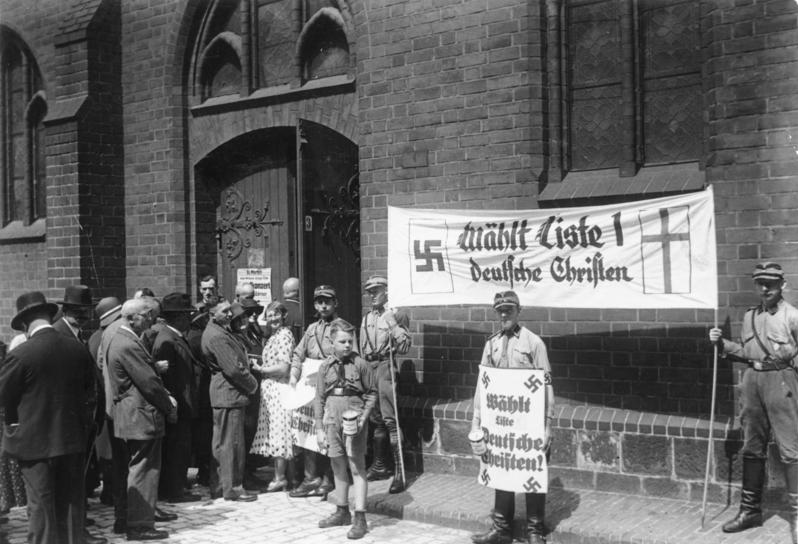 🇩🇪 Germany and 1 moreReligious aspects of Nazism
The study of how Nazi ideology borrowed religious forms and esoteric beliefs to build a political movement.Tradition · Power and authority · Cursing and harm Historical
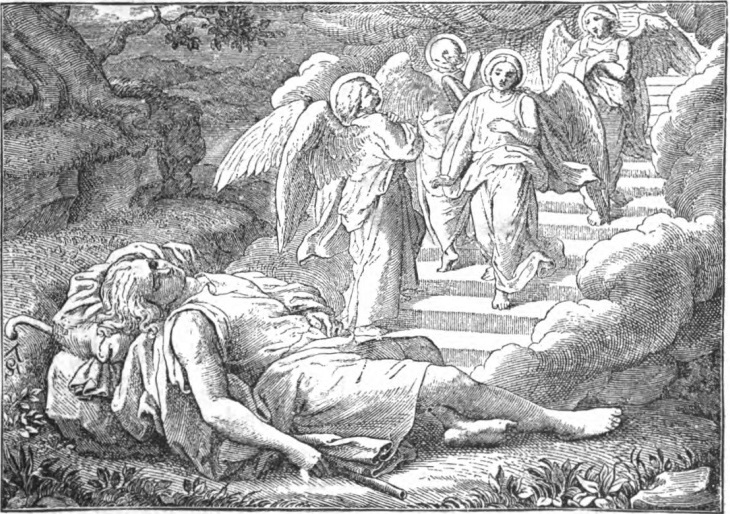 🇮🇱 Israel and 2 moreStone of Jacob
A biblical stone linked to a patriarch's vision and later claimed by Scottish coronation loreCharm · Power and authority Historical
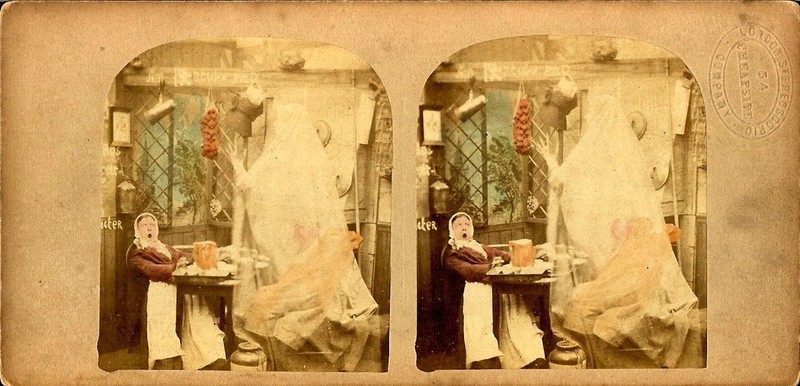 🇺🇸 United StatesSpirit photography
Photographs made or taken to show the dead, from studio sittings to haunted housesTradition · Speaking with spirits and the dead Living
🇺🇸 United StatesNight Doctors
African American folklore about doctors who stole or killed black bodies for medical studyBelief · Cursing and harm Historical
🇩🇪 Germany and 3 morePalestinabuch
A lost manuscript by Herman Wirth said to reveal the secret history of Jews and Aryans.Text · Cursing and harm Historical
 🇺🇸 United States and 4 moreHaunted house
A house said to hold the spirits of its dead, and how the scares are investigatedBelief · Speaking with spirits and the dead · Wonder and entertainment Living
 🇬🇷 GreeceEudaemonεὐδαίμων
A benevolent Greek spirit offering guidance and protection to individuals.Being · Protection · Speaking with spirits and the dead Historical
🇬🇧 United KingdomThe Cheltenham Ghost
A late nineteenth century English haunting investigated by the Society for Psychical ResearchBelief Historical
 🇯🇵 JapanGagoze元興寺の鬼
A yōkai of Nara said to be a lightning child or a monk demon from Gangō-jiBeing · Cursing and harm Historical
 🇪🇬 EgyptAkhty
A rarely attested ancient Egyptian deity linked to the ibis and the evening horizon.Being · Speaking with spirits and the dead Historical
Photo credits on this page
The small pictures above come from Wikimedia Commons under free licences. Some are cropped to fit.
- Khidr: Unknown author, Public domain, source
- Seder hishtalshelus: Daderot, Public domain, source
- Yom Hillula: Jonathan Stein, Public domain, source
- Classical elements: Unknown author, Public domain, source
- On the Demonomania of the Sorcerers: Jean Bodin, Public domain, source
- Fire (classical element): Correogsk, CC BY-SA 3.0, source
- Astral body: Rad el Baluvar, CC BY-SA 3.0, source
- Worship of the living: 663highland, CC BY 2.5, source
- Fourth Way: Londonlinks, CC BY-SA 4.0, source
- Solomon: Simeon Solomon, CC0, source
- Tassili Mushroom Figure: I redrawn the rock art written by ancient people., Public domain, source
- Fortune telling fraud: Simon Vouet, Public domain, source
- Alchemical Door: Sailko, CC BY 2.5, source
- Wheel of Fortune: Unknown author, Public domain, source
- Pasha: unknown author, Public domain, source
- Gharqad: MurielBendel, CC BY-SA 4.0, source
- Legends of the Coco de Mer: Brocken Inaglory, CC BY-SA 3.0, source
- Micah's Idol: Avner, CC BY-SA 4.0, source
- Hu: Zhangzhugang, CC BY-SA 4.0, source
- Tam Lin: Richard Webb, CC BY-SA 2.0, source
- Astrology and astronomy: anonymous, Public domain, source
- A Book on Nymphs, Sylphs, Pygmies, and Salamanders, and on the Other Spirits: A.Hirschvogel, Public domain, source
- Cruentation: Unknown author, Public domain, source
- Unclean spirit: David Shankbone, CC BY-SA 3.0, source
- Armanen runes: Jugydmort, CC BY-SA 4.0, source
- Religious aspects of Nazism: Unknown author, CC BY-SA 3.0 de, source
- Stone of Jacob: Unknown author, Public domain, source
- Spirit photography: Лондонская Стереоскопическая Компания, 1850-е годы, Public domain, source
- Haunted house: John Anster Fitzgerald, Public domain, source
- Eudaemon: WolfgangRieger, Public domain, source
- Gagoze: Brigham Young University, CC BY-SA 4.0, source
- Akhty: Rémih, CC BY-SA 3.0, source