
Alchemical Door
In its own language: Porta Alchemica
from Latin porta, a gate, and alchemica, relating to alchemy
A Roman gate covered in alchemical symbols and legends of transmutation
The Alchemical Door is a monument built in Rome between 1678 and 1680 by Massimiliano Palombara. It features inscriptions and symbols related to alchemy and hermeticism. Legends claim it commemorates a successful transmutation or hides secret formulas.
- Built by Marquis Massimiliano Palombara in Rome between 1678 and 1680.
- Features seven signs corresponding to planets and metals like lead and iron.
- Legends claim alchemist Borri vanished through the door after transmuting gold.
- Flanked by statues of the Egyptian god Bes, patron of households.
- Inscriptions include Hebrew phrases and Latin verses about alchemical processes.
What it is
The Alchemical Door stands on the Esquiline Hill in Rome. It was built as part of the Villa Palombara residence. The structure serves as a physical record of alchemical beliefs. It displays complex symbols intended to convey esoteric knowledge. The gate is the sole survivor of five original entrances to the villa. Its design incorporates elements from various historical alchemical texts.
Where it comes from
Massimiliano Palombara commissioned the work between 1678 and 1680. He was a marquis with a deep interest in alchemy. A legend suggests he hosted a pilgrim named Stibeum who sought a magical herb. This figure may have been the alchemist Giuseppe Francesco Borri. Borri supposedly vanished through the door after leaving gold flakes and cryptic papers. Palombara had these symbols engraved on the gates. Another story claims Borri, Athanasius Kircher, and Gian Lorenzo Bernini designed the gate together. They allegedly built it to honor a transmutation at Riario Palace.
How it is done
The gate functions as a static display rather than an active ritual site. It presents a series of fixed signs and text panels. Visitors observe the inscriptions carved into the stone and metal. The layout follows specific planetary sequences. Each sign corresponds to a metal and a celestial body. The arrangement creates a visual map of alchemical theory. No active ceremonies are performed at the site today.
Tools and materials
The monument utilizes materials linked to planetary metals. Saturn corresponds to lead, Jupiter to tin, Mars to iron, and Venus to bronze. Mercury and Antimony also appear alongside Vitriol. These substances represent stages of alchemical work. Geometric shapes like overlapping triangles form the central emblem. Hebrew phrases and Latin verses accompany the symbols. Two statues of the Egyptian deity Bes flank the entrance.
Alchemical Door, drawn and placed
- Living
- Revived
- Fading
- Historical
- Legendary
- Performed
- Lineage
- Western alchemy and hermeticism
What it is for
The gate aims to preserve alchemical secrets for future generations. Palombara hoped scholars would eventually translate the inscriptions. It serves as a memorial to successful transmutations. The symbols act as a guide for those seeking wisdom. The structure reflects the owner's devotion to hermetic philosophy. It stands as a testament to the intellectual pursuits of seventeenth-century Rome.
Who does it
Scholars study the gate to understand its historical context. Researchers analyze the inscriptions for hidden meanings. The work connects to figures like Adrian von Mynsicht and Michael Maier. Their texts influenced the gate's design. Historians examine the role of patrons like Queen Christina of Sweden. The site attracts those interested in the history of science and magic.
Peoples and places
The tradition originates in Italy, specifically within Roman society. It draws upon ancient Egyptian and Greek influences. The presence of Bes links it to imperial Roman cults. The inscriptions use Latin and Hebrew, reflecting European scholarly languages. The legends involve international figures like Borri and Kircher. The gate represents a fusion of local Italian culture with broader European esoteric trends.
At a glance: who, where and when
What people believe
Alchemists believed matter could be transformed into higher states. The symbols depict processes like purification and conjunction. The phrase 'Vitriol' encourages introspection and inner work. The gate embodies the idea that nature holds hidden keys. Practitioners viewed the universe as interconnected through spiritual forces. The inscriptions suggest that understanding these connections leads to wisdom.
When it is done
No specific festivals or dates are associated with the gate. It remains a permanent fixture in the urban landscape. The construction period marks its historical significance. Some legends tie its creation to events in 1656 or 1680. The site does not follow a seasonal calendar for rituals.
How scholars and sceptics see it
Francesco Cancellieri published accounts of the gate in the nineteenth century. His work included interpretations of the symbols. Later researchers debated the authenticity of the legends. Some view the stories as romantic fiction rather than fact. Scholars compare the gate's emblems to works by Mynsicht and Maier. The site provides insight into the cultural exchange of alchemical ideas.
Cautions and what is closed
Legends mention rumors of poisoning involving key figures. These stories highlight the secretive nature of alchemical circles. The gate itself poses no physical danger. However, the inscriptions can be difficult to read clearly. Misinterpretations of the symbols have led to various theories. The site is protected as a historical monument.
Compare and confuse
The gate shares similarities with other alchemical monuments. Its emblems resemble those found in books like Aureum Saeculum Redivivum. The use of planetary symbols is common in hermetic art. Other sites in Rome feature Egyptian deities like Bes. The concept of a 'magic portal' appears in various folk traditions.
Questions people ask about Alchemical Door
What is the Alchemical Door?
It is a monument in Rome built by Massimiliano Palombara. It displays alchemical symbols and inscriptions. The gate is part of the former Villa Palombara on the Esquiline Hill.
Where is the Alchemical Door located?
It is located in Rome, Italy, on the Esquiline Hill near Piazza Vittorio. It originally belonged to the Villa Palombara residence.
Who created the Alchemical Door?
Marquis Massimiliano Palombara commissioned the gate. Legends sometimes credit him with help from figures like Borri and Kircher, but he was the primary patron.
What do the symbols on the door mean?
They represent alchemical concepts and planetary metals. Signs correspond to Saturn, Jupiter, Mars, Venus, Mercury, Antimony, and Vitriol. They reflect hermetic philosophy and transformation.
Good reading and sources
- Porta Alchemica on WikipediaEncyclopedia
- More photos on Wikimedia CommonsPhotos and video
- Wikidata recordOpen data
The facts on this page come from the Wikipedia article "Porta Alchemica", written by its contributors and used under the CC BY-SA 4.0 licence, and from its Wikidata record (CC0). EveryJaadu rewrote the text in its own words, with AI assistance, and compares every page with the article to make sure no passage is copied. It may be reused under the same CC BY-SA 4.0 licence with a link back.
It may contain mistakes. Names and customs differ from one community to the next, and some knowledge is closed to outsiders and left out here. This page describes belief and practice. It does not say that any of it works, it is not a how-to, and it is not medical advice. If something is wrong, tell us. Last refreshed 2026-10-07.
More from Italy
All the entries from Italy 🇮🇹 Italy and 5 morePrecious coral
A marine skeleton harvested for jewelry and worn as a protective charm in several culturesSubstance · Protection · Healing Living
🇮🇹 Italy and 5 morePrecious coral
A marine skeleton harvested for jewelry and worn as a protective charm in several culturesSubstance · Protection · Healing Living
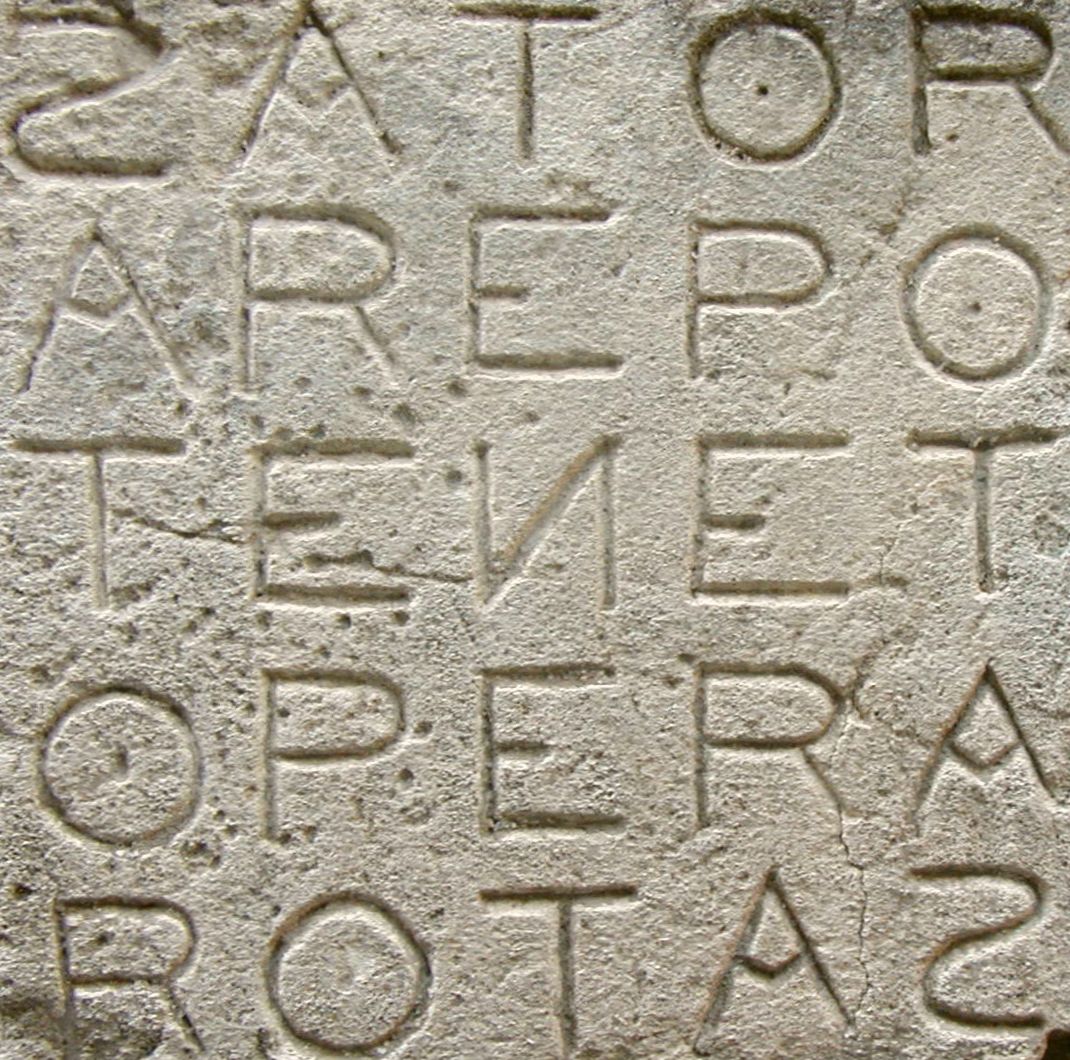 🇮🇹 Italy and 5 moreSator Square
A five-word Latin palindrome found in Roman ruins and medieval churchesCharm · Protection · Healing Historical
🇮🇹 Italy and 5 moreSator Square
A five-word Latin palindrome found in Roman ruins and medieval churchesCharm · Protection · Healing Historical
 🇮🇹 Italy and 5 moreRelic
An object or body part kept to honor a holy person and mark their connection to the divineCharm · Protection · Healing Living
🇮🇹 Italy and 5 moreRelic
An object or body part kept to honor a holy person and mark their connection to the divineCharm · Protection · Healing Living
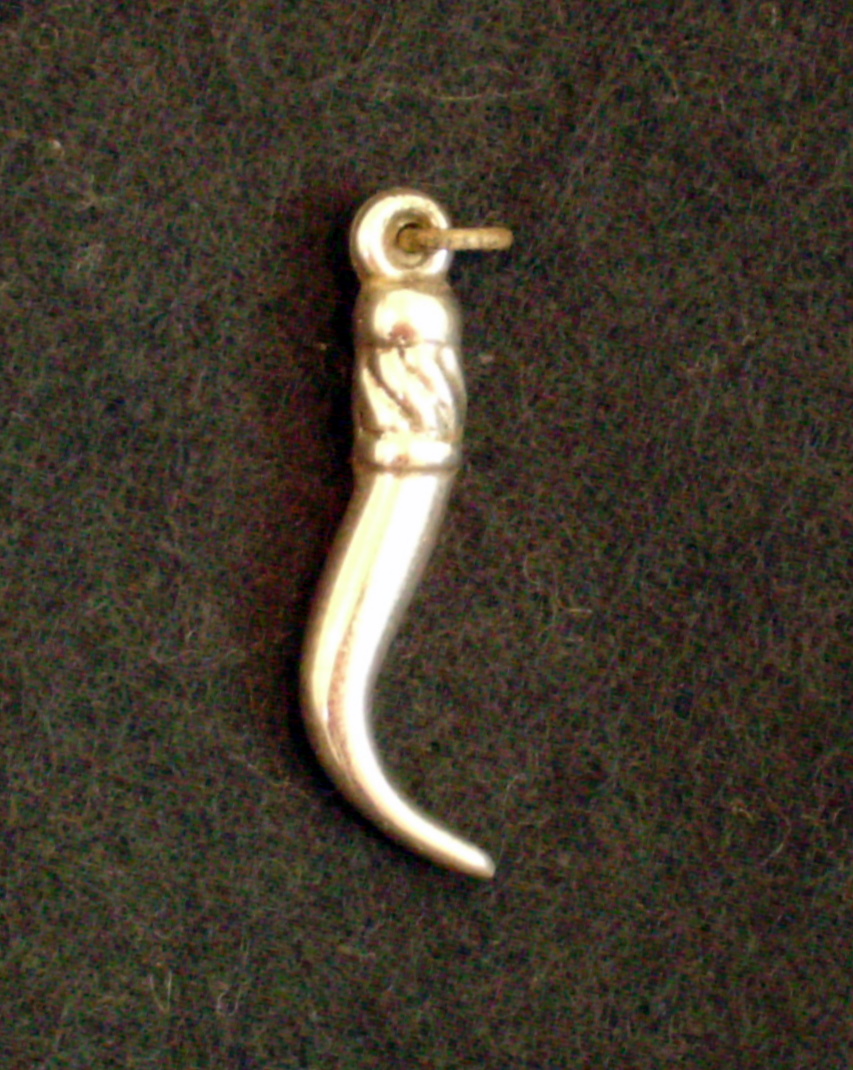 🇮🇹 ItalyCornicello
A twisted horn charm worn in Italy to ward off the evil eye and invite luck.Charm · Protection · Luck and prosperity Living
🇮🇹 ItalyCornicello
A twisted horn charm worn in Italy to ward off the evil eye and invite luck.Charm · Protection · Luck and prosperity Living
Related elsewhere
All charm 🇮🇳 India and 1 moreAshtamangalaअष्टमङ्गल
A set of eight sacred symbols used in Indian religions to mark auspicious occasions and teach spiritual truths.Tradition · Power and authority · Wonder and entertainment Living
🇮🇳 India and 1 moreAshtamangalaअष्टमङ्गल
A set of eight sacred symbols used in Indian religions to mark auspicious occasions and teach spiritual truths.Tradition · Power and authority · Wonder and entertainment Living
 🇮🇳 India and 1 moreMantraमन्त्रम्
A sacred sound or phrase repeated to focus the mind and invoke spiritual powerText · Speaking with spirits and the dead · Power and authority Living
🇮🇳 India and 1 moreMantraमन्त्रम्
A sacred sound or phrase repeated to focus the mind and invoke spiritual powerText · Speaking with spirits and the dead · Power and authority Living
 🇨🇳 China and 1 moreLuoshu Square洛書
An ancient Chinese three-by-three magic square linked to geomancy and numerologyTradition · Power and authority · Wonder and entertainment Historical
🇨🇳 China and 1 moreLuoshu Square洛書
An ancient Chinese three-by-three magic square linked to geomancy and numerologyTradition · Power and authority · Wonder and entertainment Historical
 🇪🇹 Ethiopia and 5 morePrester John
A legendary Christian king and priest said to rule a lost kingdom in the East.Figure · Power and authority · Wonder and entertainment Legendary
🇪🇹 Ethiopia and 5 morePrester John
A legendary Christian king and priest said to rule a lost kingdom in the East.Figure · Power and authority · Wonder and entertainment Legendary