Yom Hillula
In its own language: יום הילולא
from Hebrew yom hillula, day of festivity
A joyous death anniversary for a saint in Jewish tradition
A Yom Hillula is the death anniversary of a revered tzaddik or saint. Unlike standard mourning dates, it is marked by celebration and joy rather than sadness.
- Yom Hillula means day of festivity in Hebrew
- Celebrated with joy instead of mourning for a saint
- Lag BaOmer marks the Hillula of Rabbi Shimon Bar Yochai
- Bonfires and pilgrimages to Meron are common customs
- Widespread in Hasidic and Maghrebi Jewish communities
What it is
A Yom Hillula serves as a special commemoration for a great tzaddik, or saint, within Jewish tradition. The term translates directly to a day of festivity. It functions similarly to a yahrzeit, which marks the annual death anniversary of a loved one. However, the emotional tone differs significantly. Standard yahrzeit observances often involve fasting or expressions of grief. A Yom Hillula replaces sorrow with simcha, or joy. Practitioners view the passing of a holy person not as a loss, but as their ascent to a higher spiritual realm. This perspective transforms the date into a time of communal happiness and religious elevation rather than personal mourning.
Where it comes from
The concept is deeply rooted in Hasidic Judaism and Kabbalistic thought. It specifically applies to influential leaders, known as rebbes, or historical thinkers of mysticism. In North African Maghrebi Jewish communities, the practice extends to ascetic saints. For example, the Hiloula of Rabbi Isaac Ben Walid and Rabbi Haim Pinto are widely observed in Morocco. The most famous instance involves Rabbi Shimon Bar Yochai. Modern kabbalah identifies Lag BaOmer as his Hillula. A late medieval tradition holds that he is buried in Meron. This site has become a major pilgrimage destination. The connection between Lag BaOmer and his death stems from a textual error. A passage by Hayyim ben Joseph Vital originally read 'the celebration of Rabbi Shimon ben Yochai.' It was mistakenly printed as 'when Rabbi Shimon ben Yochai died,' differing by only one letter. Scholars note that visiting Meron during Iyar dates back to the Middle Ages, though the specific link to Lag BaOmer remains unclear.
How it is done
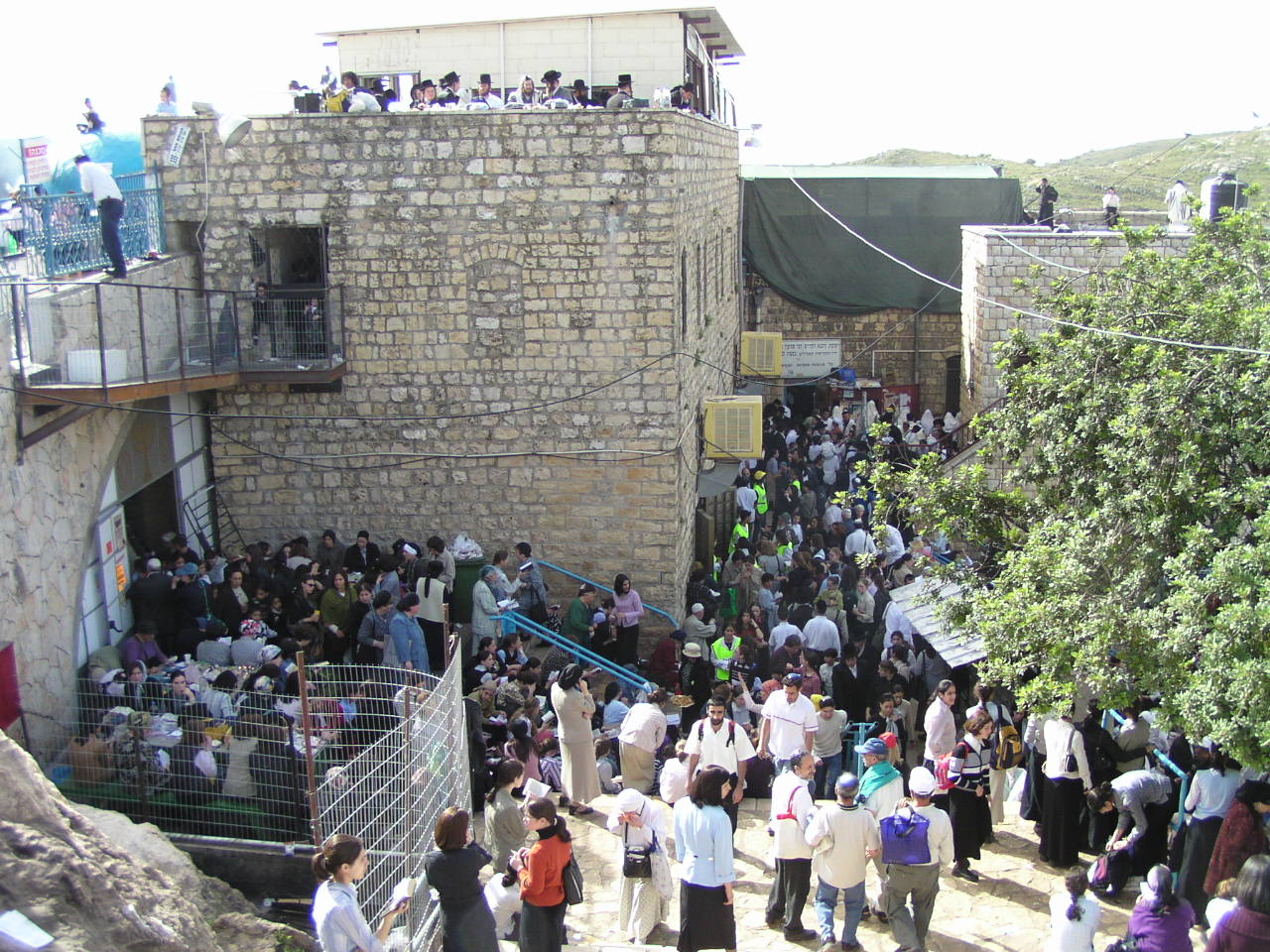
Observance centers on public celebration and pilgrimage. Followers gather at the grave of the tzaddik, particularly at the ohel or burial site in Meron. A central custom involves lighting large bonfires. These fires symbolize the light of Torah and the spiritual energy of the saint. Pilgrims travel to these sacred sites to offer prayers and share meals. The atmosphere is one of festivity. Participants dance, sing, and eat together. This stands in stark contrast to the quiet reflection of a standard memorial. The focus is on connecting with the enduring legacy of the teacher through shared joy and community gathering.
Tools and materials
The primary tools are symbolic rather than physical objects. Bonfires serve as the main visual element, representing divine light and spiritual ascent. Festive meals, known as seudot, are prepared and shared among attendees. These gatherings reinforce community bonds. The ohel, or grave structure, acts as the focal point for prayer and pilgrimage. No specific ritual garments or magical instruments are required. The emphasis lies on the collective action of the community and the symbolic use of fire and food to honor the saint.
Yom Hillula, drawn and placed
- Living
- Revived
- Fading
- Historical
- Legendary
- Performed
- Lineage
- Hasidic Judaism and Kabbalah
- Timing
- on the death anniversary of a saint
What it is for
The purpose is to honor the memory of a tzaddik and seek spiritual benefit through their merit. Believers hold that the soul of the saint continues to influence the living world positively. By celebrating their passing, followers express gratitude for their teachings and guidance. The joy is believed to draw down blessings and protection. It also serves to strengthen the bond between the community and its spiritual heritage. For many, it is an opportunity to ask for intercession or wisdom from the departed leader.
Who does it
The practice is led by the community itself, often guided by local rabbis or scholars. In Hasidic groups, followers of specific dynasties may organize large-scale events. Pilgrims travel from various regions to participate. There is no single priestly class required to perform the rite. Ordinary believers engage directly through prayer and celebration. The role of the scholar is to provide theological context and interpret the significance of the dates.
Peoples and places
The tradition is prominent in Hasidic Judaism across Israel and beyond. It is also widespread among Maghrebi Jews in Morocco. These communities have distinct customs for their local saints. The Baba Sali celebration in Netivot, Israel, draws thousands of visitors annually. While the core idea of celebrating a saint's death is shared, the specific figures honored vary by region and sect.
At a glance: who, where and when
Who does it
Peoples
Belief worlds
Occasions
What people believe
The underlying belief is that a tzaddik's death marks a transition to a higher spiritual state. Their soul becomes more powerful and accessible to the living. Joy is the appropriate response because the saint has achieved ultimate closeness to God. Sadness would imply a loss, whereas joy acknowledges a gain. This view is supported by Kabbalistic texts that describe the soul's ascent. The physical act of lighting fires mirrors the spiritual illumination brought by the saint's life and teachings.
When it is done
The date is fixed to the Hebrew calendar day of the saint's death. For Rabbi Shimon Bar Yochai, this is Lag BaOmer, the thirty-third day of the Omer count. Other saints have different dates throughout the year. The timing allows communities to plan pilgrimages and festivals accordingly. It is not tied to a general holiday like Passover, but stands as a unique annual event for each revered figure.
How scholars and sceptics see it
Scholars analyze the Yom Hillula as a development within Jewish mysticism and folk religion. They note the textual error regarding Lag BaOmer as a key historical point. Anthropologists study the social function of these gatherings, seeing them as mechanisms for community cohesion. Historians trace the evolution of pilgrimage sites like Meron from medieval times to the present. Skeptics may view the practices as cultural traditions rather than supernatural events, focusing on the sociological impact of the celebrations.
Cautions and what is closed
Large gatherings can pose safety risks, particularly with open fires near dry vegetation. Authorities sometimes restrict access to Meron due to overcrowding. There are no inherent health risks associated with the rituals themselves. The practices are open to all who wish to participate, though some Hasidic groups may have specific customs for their own members. No dangerous substances or harmful actions are involved.
Compare and confuse
The Yom Hillula is often compared to the Christian All Saints' Day, which also honors holy figures. However, the emotional tone differs; Christians may mourn or pray, while Jews celebrate with joy. It is also related to the Islamic Mawlid, the birthday of the Prophet Muhammad, which is celebrated with festivities. Unlike a yahrzeit, which is somber, the Hillula is explicitly festive. The term is sometimes confused with general memorial days, but it is reserved specifically for saints and righteous leaders.
Law and persecution
In Israel, the government regulates access to Meron to prevent stampedes and ensure safety. Past incidents of overcrowding have led to strict crowd control measures. There are no legal restrictions on the religious practice itself. Communities operate freely within the bounds of public safety laws. The Israeli government recognizes the cultural significance of the event and provides security support.
Today
The practice remains vibrant in contemporary Jewish life. Thousands attend the Lag BaOmer pilgrimage in Meron every year. The Baba Sali celebration in Netivot continues to attract devotees from around the world. Social media has helped spread information about these events, increasing participation. Some critics argue that commercialization has affected the spiritual nature of the gatherings. Nevertheless, the tradition endures as a key expression of faith and community identity.
Days linked to Yom Hillula
Questions people ask about Yom Hillula
What is a Yom Hillula?
It is a day of festivity marking the death anniversary of a tzaddik or saint. Unlike regular mourning dates, it is celebrated with joy and communal gatherings rather than sadness or fasting.
Where does the tradition come from?
It originates in Hasidic Judaism and Kabbalah.
Why is Lag BaOmer significant?
Lag BaOmer is identified as the Hillula of Rabbi Shimon Bar Yochai. A textual error in a Kabbalistic manuscript linked his death to this date, leading to traditions of bonfires and pilgrimages to his tomb in Meron.
How is it different from a yahrzeit?
A yahrzeit is a standard death anniversary marked by solemnity or fasting. A Yom Hillula is specific to saints and is marked by simcha, or joy, reflecting the belief that the saint has ascended to a higher spiritual state.
Good reading and sources
The facts on this page come from the Wikipedia article "Yom hillula", written by its contributors and used under the CC BY-SA 4.0 licence, and from its Wikidata record (CC0). EveryJaadu rewrote the text in its own words, with AI assistance, and compares every page with the article to make sure no passage is copied. It may be reused under the same CC BY-SA 4.0 licence with a link back.
It may contain mistakes. Names and customs differ from one community to the next, and some knowledge is closed to outsiders and left out here. This page describes belief and practice. It does not say that any of it works, it is not a how-to, and it is not medical advice. If something is wrong, tell us. Last refreshed 2026-10-06.
More from Israel
All the entries from Israel 🇮🇱 Israel and 2 moreUpsherinאָפּשערן (opshern)
A first haircut ceremony for Jewish boys, marking the start of formal study.Rite · Speaking with spirits and the dead · Power and authority Living
🇮🇱 Israel and 2 moreUpsherinאָפּשערן (opshern)
A first haircut ceremony for Jewish boys, marking the start of formal study.Rite · Speaking with spirits and the dead · Power and authority Living
 🇮🇶 Iraq and 5 moreLove magic
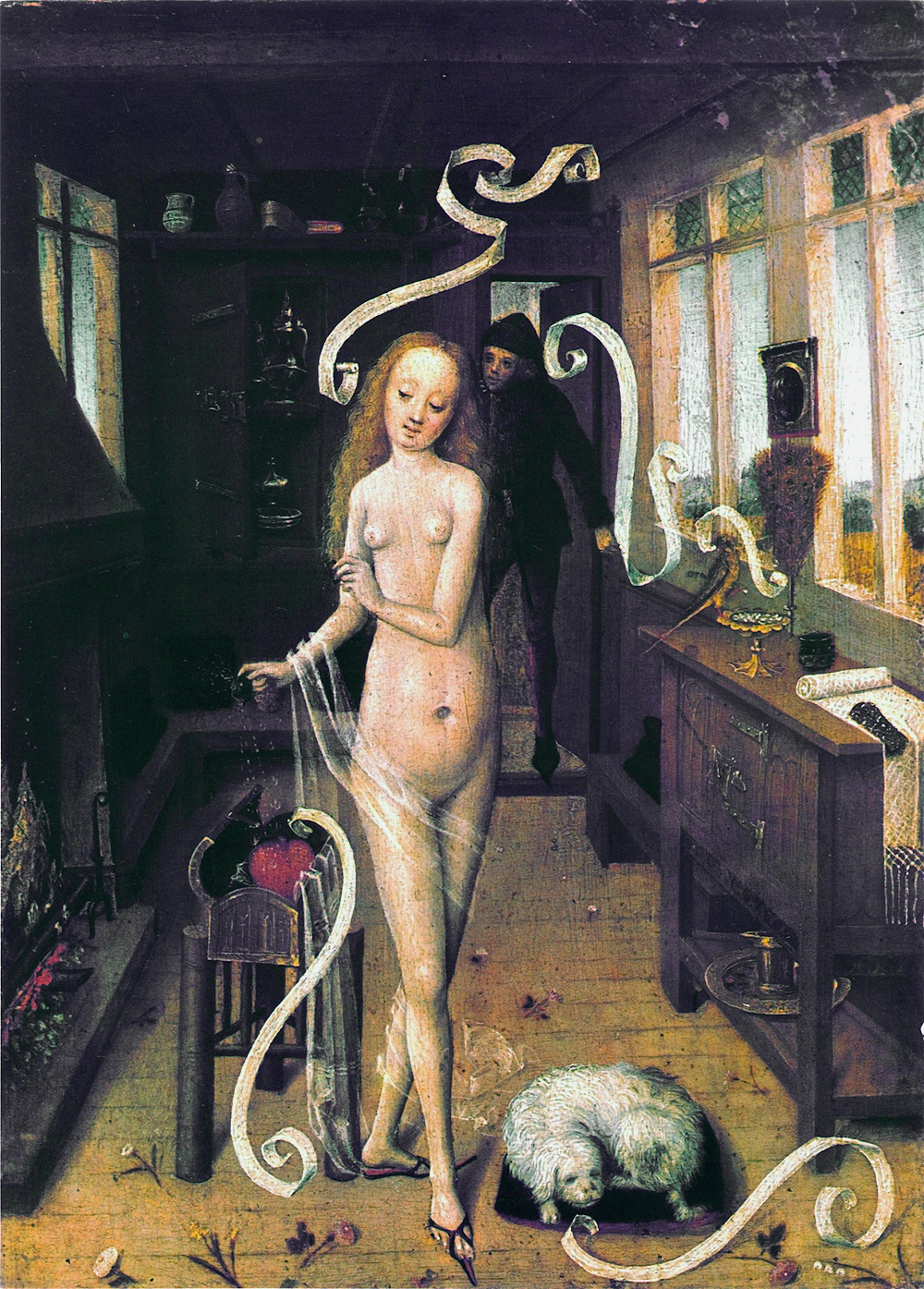
Rituals and spells used to attract, preserve, or end romantic relationships across many cultures.Tradition · Love and attraction · Cursing and harm Historical
🇮🇶 Iraq and 5 moreLove magic
Rituals and spells used to attract, preserve, or end romantic relationships across many cultures.Tradition · Love and attraction · Cursing and harm Historical
 🇪🇬 Egypt and 5 moreSacred dance
Movement used in worship to honour deities, heal communities, or connect with the spirit world.Tradition · Protection · Healing Living
🇮🇱 IsraelBanishing
Ceremonial magic rites used to clear a space of spiritual influences before other workings.Rite · Cleansing and purification Living
🇪🇬 Egypt and 5 moreSacred dance
Movement used in worship to honour deities, heal communities, or connect with the spirit world.Tradition · Protection · Healing Living
🇮🇱 IsraelBanishing
Ceremonial magic rites used to clear a space of spiritual influences before other workings.Rite · Cleansing and purification Living
Related elsewhere
All rite 🇮🇳 IndiaChakraचक्र
Meditation points in the subtle body used in Hindu and Buddhist yogaTradition · Speaking with spirits and the dead · Change and initiation Living
🇮🇳 IndiaChakraचक्र
Meditation points in the subtle body used in Hindu and Buddhist yogaTradition · Speaking with spirits and the dead · Change and initiation Living
 🇲🇽 MexicoCalavera
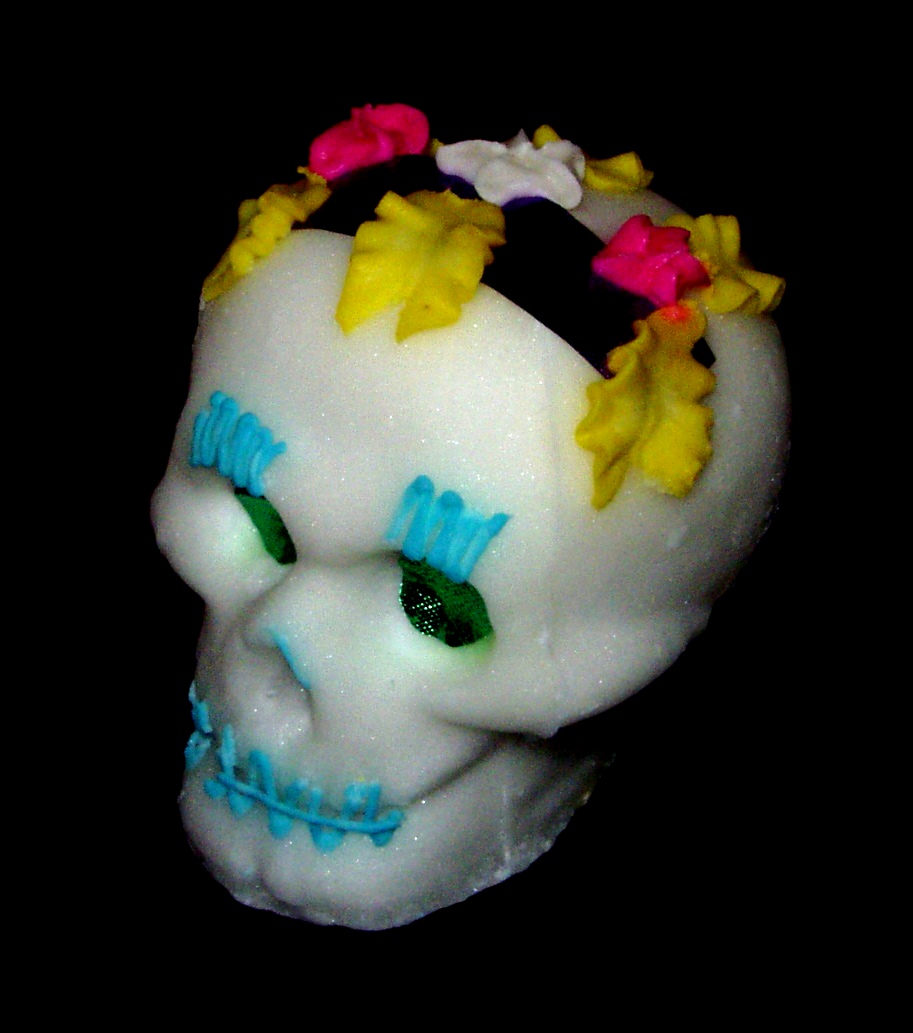
A sugar or clay skull used in Mexican Day of the Dead celebrations.Charm · Speaking with spirits and the dead · Luck and prosperity Living
🇨🇳 China and 4 moreKitchen God灶君
The Chinese hearth deity who reports domestic conduct to the Jade EmperorBeing · Protection · Luck and prosperity Living
🇲🇽 MexicoCalavera
A sugar or clay skull used in Mexican Day of the Dead celebrations.Charm · Speaking with spirits and the dead · Luck and prosperity Living
🇨🇳 China and 4 moreKitchen God灶君
The Chinese hearth deity who reports domestic conduct to the Jade EmperorBeing · Protection · Luck and prosperity Living
 🇪🇸 Spain and 5 moreSt John's Eve
A Christian vigil marked by bonfires and plant gathering on the summer solstice eveRite · Protection · Speaking with spirits and the dead Living
🇪🇸 Spain and 5 moreSt John's Eve
A Christian vigil marked by bonfires and plant gathering on the summer solstice eveRite · Protection · Speaking with spirits and the dead Living