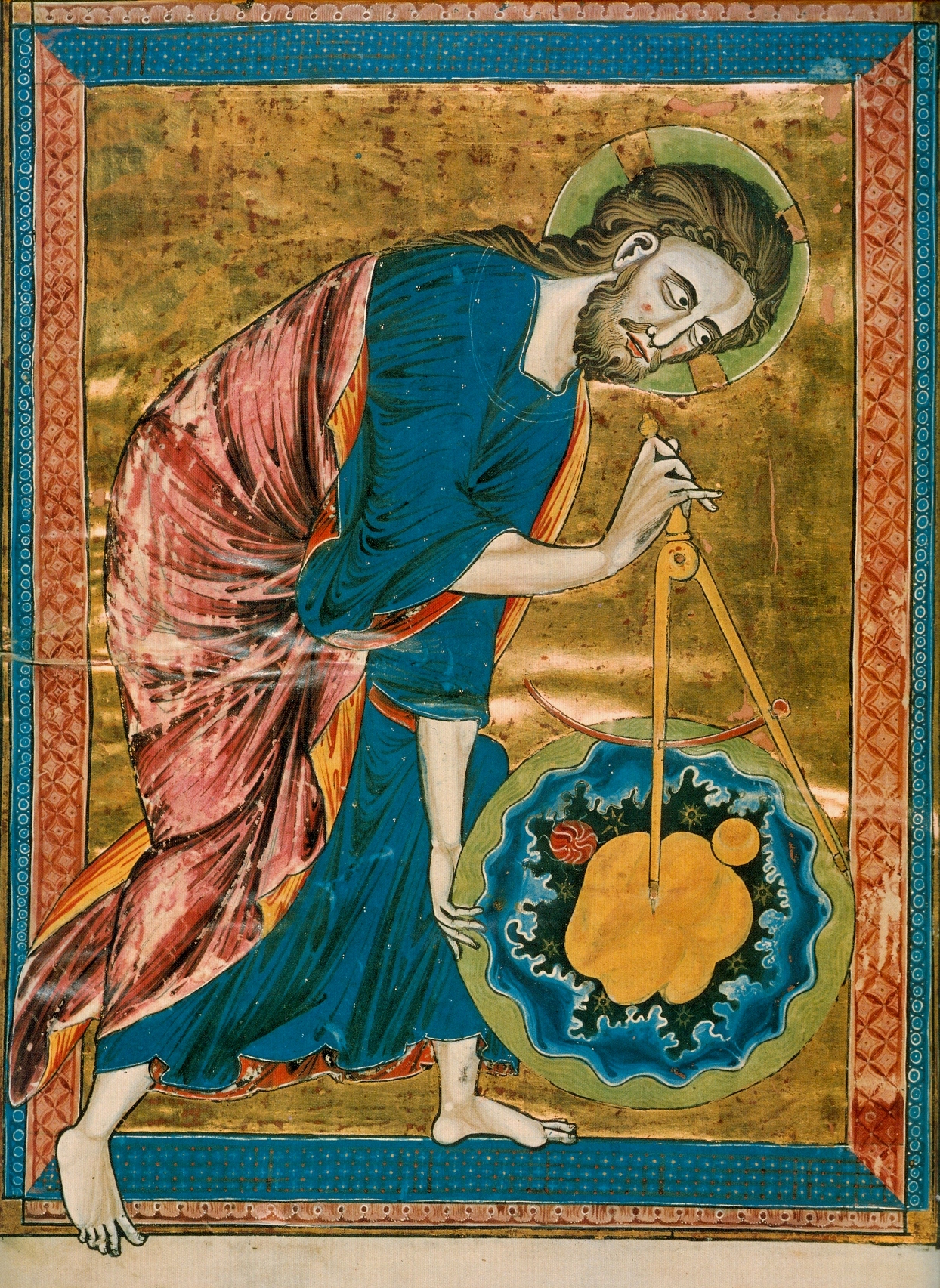
Astrology and astronomy
from Latin astrologia, combining star and law or discourse
Two disciplines that shared a history before splitting into science and divination
Astrology and astronomy began as a single pursuit in ancient cultures before diverging into separate fields. Astronomy studies the physical universe using empirical methods, while astrology uses celestial positions for divination and spiritual interpretation.
- Astrology and astronomy were once a single discipline called astrologia
- Ancient Babylonians combined astronomical observation with astrological interpretation
- Greek philosophers like Plato viewed the cosmos as orderly and harmonious
- Court astrologers in medieval Europe funded early astronomical research
- Modern astrology is often viewed as a spiritual belief system rather than science
What it is
Astrology and astronomy were once treated as a single discipline under the Latin term astrologia. In pre-modern societies, these fields were not separated. Practitioners observed celestial bodies to predict earthly events and understand the cosmos. Today, they are distinct pursuits. Astronomy is an academic field studying observable phenomena beyond Earth. It relies on the scientific method and naturalistic explanations. Astrology uses the apparent positions of stars and planets for divination. It correlates celestial movements with human affairs and personality traits. While astronomers seek physical laws, astrologers look for symbolic meanings and spiritual connections between the heavens and humanity.
Where it comes from
The shared history of these fields begins in ancient Babylonia, which was famed for its astrological practices. Babylonian scholars performed both astronomical observation and astrological interpretation. The practice spread to ancient Greece by the third century BC. Greek thinkers like Anaximander and Eudoxus studied planetary motions and created cosmological models. Plato promoted astronomy as part of philosophy, viewing the heavens as orderly and harmonious. Aristotle favored a physical approach to these studies. Over time, the terms astronomy and astrology became conceptually different, though often used interchangeably by the general public. Isidore of Seville later noted the distinction between natural and superstitious strands within the discipline.
How it is done
Astronomers use abstract mathematical reasoning and the scientific method to investigate universal phenomena. They observe planetary motions and cycles to build accurate models of the cosmos. Astrologers use astronomical calculations to determine the positions of celestial bodies along the ecliptic. They then correlate these positions with earthly events and human lives. This involves creating horoscopes based on birth times or specific moments. Astrologers may also calculate auspicious times for weddings, wars, or medical procedures. Unlike astronomers, astrologers do not consistently use the scientific method.
Tools and materials
Both fields rely on precise observations of the sky. Astronomers use instruments to track planetary motions and create ephemerides, which are tables of celestial positions. These tools help map the geocentric or heliocentric models of the universe. Astrologers use similar calculations but interpret them differently. They focus on the ecliptic and astrological aspects between planets. Tools include zodiac signs, which associate constellations with human traits. Horoscopes serve as charts mapping celestial positions at specific times. Ancient practitioners used naked-eye observation and basic timekeeping devices. Modern astrologers may use digital media and social platforms to distribute horoscope readings.
Astrology and astronomy, drawn and placed
- Living
- Revived
- Fading
- Historical
- Legendary
- Performed
- Lineage
- pre-modern cosmology
- Timing
- at birth, weddings, and coronations
What it is for
Astrology serves various purposes in different historical contexts. It was used to predict weather, determine coronation dates, and choose propitious times for journeys or marriages. Medical students historically learned astrology to aid surgical procedures. Individuals consult astrology to understand personality traits and future events. Many modern followers view it as a spiritual belief system rather than factual prediction. They associate planets with emotions, such as linking Mars to drive and courage. Astronomy serves to understand the physics of the universe. It seeks to explain the dynamic, expanding nature of space without supernatural influence. Its purpose is empirical knowledge rather than personal guidance or divination.
Who does it
In ancient Babylonia, one person performed both astronomical and astrological roles. There was no separation between predictor and interpreter. In medieval Europe, kings employed court astrologers to aid decision-making. These practitioners funded astronomical research through royal patronage. University students studied astrology alongside medicine. Modern astronomers are members of the scientific community who publish empirical findings. They reject non-empirical explanations in their work. Modern astrologers vary widely. Some claim astrology is a science, while others view it as divination or art. Many contemporary practitioners do not assert scientific validity, instead framing it within spiritual frameworks influenced by Neoplatonism or Neopaganism.
Peoples and places
Ancient Babylonia established early traditions of combining observation and interpretation. Greek philosophers debated the nature of stars and planets. Pre-Socratic thinkers speculated about celestial substances, while astronomers like Eudoxus created geometric models. Hellenistic culture blended Babylonian horoscopic practices with Greek thought. Medieval Europe accepted astrology widely, translating texts from Hellenistic and Arabic sources. Royal courts played a key role in its acceptance or rejection. By the seventeenth and eighteenth centuries, Western intellectuals increasingly viewed astrology as superstition. Modern global culture sees widespread interest in zodiac signs through social media. People participate for enjoyment or spiritual connection, despite scientific skepticism about accuracy.
At a glance: who, where and when
Who does it
Peoples
Belief worlds

What people believe
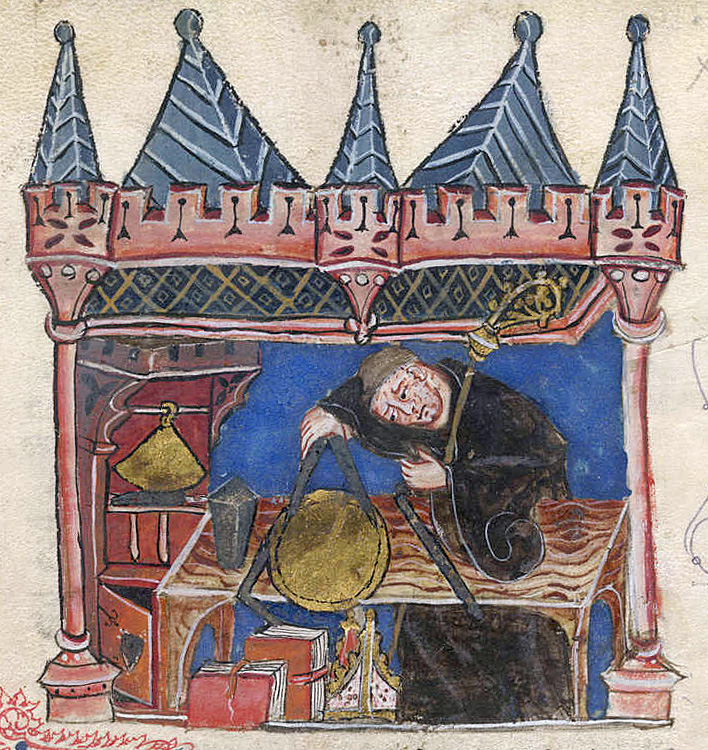
Astrologers believe celestial positions determine personality and future events. They view the universe as harmonious, changeless, and static. The cosmos is seen as having a divine essence that influences personal lives. Astrologers often adopt a geocentric perspective, placing Earth at the center of influence. Astronomy operates on naturalistic presuppositions. Astronomers infer the universe is dynamic, expanding, and has no center. They rely on empirically reproducible conditions. Psychologists study personality but do not base mainstream theories on astrology. Some philosophical schools, like Stoicism, linked planetary cycles to fatalism and eternal recurrence. The Platonic school viewed heavenly motions as evidence of cosmic order.
When it is done
Astrology was applied to various life events and calendar markers. It guided decisions for births, weddings, and funerals. Specific times were chosen for coronations, wars, and journeys. Weather predictions relied on celestial cycles. Historical figures like Copernicus, Kepler, and Galileo lived during periods when these fields were intertwined. The divergence accelerated in the seventeenth and eighteenth centuries. Improved timekeeping instruments allowed more exact predictions, which often proved false. By the end of the eighteenth century, astronomy became a major Enlightenment science. Modern astrology uses zodiac signs based on birth dates. For example, Taurus covers late April to late May. These signs are cultural constructs rather than precise astronomical alignments.
How scholars and sceptics see it
Many philosophers and astronomers consider astrology a false representation of the universe. Scholars often label it a pseudoscience due to lack of empirical evidence. Researchers note that astrological theories have not been supported by astronomical findings. Psychologists study personality but find no basis in astrological elements. The Myers-Briggs typology shares some categories with astrological elements but is used by career counselors, not psychologists. Sceptics argue that horoscope meanings are false and enjoyed only for entertainment. However, believers support claims with explanations of cosmic-human connections. Historians note that funding from astrology supported early astronomical research.
Cautions and what is closed
Modern astrology faces criticism for inaccuracies. Zodiac signs and their dates are often incorrect and lack scientific basis. Many participants are unaware of these discrepancies. The trendy nature of zodiac signs promotes participation despite factual errors. Astrology is sometimes criticized for encouraging judgment based on birth dates. Critics argue it offers no real predictive power. Historical reliance on astrology for medical procedures is now considered unsafe. Modern medicine rejects astrological guidance for surgery or health decisions. Fraudulent psychics may exploit belief in astrology for financial gain. Legal risks arise if astrological advice leads to harmful decisions. The field remains popular for entertainment and spiritual reflection, not factual truth.
Compare and confuse
Astrology is often confused with astronomy due to their shared history. Both involve observing celestial bodies, but their goals differ. Astronomy seeks physical laws; astrology seeks symbolic meaning. The term astrologia originally covered both. Modern distinctions separate empirical science from divination. Other divination methods, like the I-Ching, are sometimes compared to astrology. Personality systems like Myers-Briggs share elemental categories but lack astrological foundations. Cultural differences exist: Babylonian practices focused on state omens, while Greek thought emphasized philosophical harmony. Modern Western astrology emphasizes individual horoscopes, unlike ancient collective predictions. The confusion persists because both fields use similar celestial data for different ends.
Questions people ask about Astrology and astronomy
What is the difference between astrology and astronomy?
Astronomy studies the physical universe using the scientific method and empirical evidence. Astrology uses celestial positions for divination and interprets them as influencing human affairs. Astronomy seeks natural laws, while astrology looks for symbolic and spiritual connections.
Where did astrology originate?
Astrology originated in ancient Babylonia, where scholars combined observation with interpretation. It spread to ancient Greece by the third century BC, blending with Greek philosophical ideas about the cosmos and planetary motions.
Is astrology considered a science today?
Most scientists and philosophers consider astrology a pseudoscience. It lacks empirical evidence and does not use consistent scientific methods. Many modern practitioners view it as divination or a spiritual belief system rather than a factual science.
How were astrology and astronomy connected historically?
They were once unified under the term astrologia. Royal patrons funded astrologers who also conducted astronomical research. This support helped develop accurate ephemerides and timekeeping instruments, which later aided the growth of astronomy as a separate field.
Good reading and sources
- BBC Radio 4BBC, Article
- Why your zodiac sign is probably wrongThe Conversation, Article
- The UNESCO Silk Roads ProgrammeUNESCO, Heritage listing
The facts on this page come from the Wikipedia article "Astrology and astronomy", written by its contributors and used under the CC BY-SA 4.0 licence, and from its Wikidata record (CC0). EveryJaadu rewrote the text in its own words, with AI assistance, and compares every page with the article to make sure no passage is copied. It may be reused under the same CC BY-SA 4.0 licence with a link back.
It may contain mistakes. Names and customs differ from one community to the next, and some knowledge is closed to outsiders and left out here. This page describes belief and practice. It does not say that any of it works, it is not a how-to, and it is not medical advice. If something is wrong, tell us. Last refreshed 2026-10-10.
More from Greece
All the entries from Greece 🇮🇳 India and 5 moreAstrology
A divinatory practice that reads human fate through the positions of celestial bodies.Belief · Seeing and foretelling · Luck and prosperity Living
🇮🇳 India and 5 moreAstrology
A divinatory practice that reads human fate through the positions of celestial bodies.Belief · Seeing and foretelling · Luck and prosperity Living
 🇹🇷 Turkey and 5 moreEvil eye
A curse caused by an envious look and the charms used to block itBelief · Protection · Cursing and harm Living
🇹🇷 Turkey and 5 moreEvil eye
A curse caused by an envious look and the charms used to block itBelief · Protection · Cursing and harm Living
 🇸🇾 Syria and 5 moreBaetyl
A sacred stone, often a meteorite, believed to house a deity in ancient Near Eastern and Mediterranean traditions.Charm · Power and authority · Speaking with spirits and the dead Historical
🇪🇬 Egypt and 1 moreMagic and religion
A study of how ritual power and sacred belief overlap or separate across culturesBelief · Power and authority Historical
🇸🇾 Syria and 5 moreBaetyl
A sacred stone, often a meteorite, believed to house a deity in ancient Near Eastern and Mediterranean traditions.Charm · Power and authority · Speaking with spirits and the dead Historical
🇪🇬 Egypt and 1 moreMagic and religion
A study of how ritual power and sacred belief overlap or separate across culturesBelief · Power and authority Historical
Related elsewhere
All tradition 🇮🇳 India and 2 morePalmistry
A divination method that interprets the lines and shapes of the hand to predict fate or reveal character.Oracle · Seeing and foretelling · Power and authority Living
🇮🇳 India and 2 morePalmistry
A divination method that interprets the lines and shapes of the hand to predict fate or reveal character.Oracle · Seeing and foretelling · Power and authority Living
 🇨🇳 China and 5 moreKau chim求籤
A divination practice using numbered bamboo sticks to seek answers from deitiesOracle · Seeing and foretelling · Power and authority Living
🇨🇳 China and 5 moreKau chim求籤
A divination practice using numbered bamboo sticks to seek answers from deitiesOracle · Seeing and foretelling · Power and authority Living
 🇪🇸 Spain and 5 moreAlfonso X of Castileel Sabio
A medieval king who sponsored astronomical tables and translated works on magic and astrology.Text · Power and authority · Seeing and foretelling Historical
🇪🇸 Spain and 5 moreAlfonso X of Castileel Sabio
A medieval king who sponsored astronomical tables and translated works on magic and astrology.Text · Power and authority · Seeing and foretelling Historical
 🇬🇹 Guatemala and 1 moreMaya mythology
The reconstructed tales of the Maya people about gods, heroes, and the creation of the world.Tradition · Seeing and foretelling · Power and authority Historical
🇬🇹 Guatemala and 1 moreMaya mythology
The reconstructed tales of the Maya people about gods, heroes, and the creation of the world.Tradition · Seeing and foretelling · Power and authority Historical