Scholars and sceptics
Anthropologists, historians and investigators who study magic and test its claims.
Scholars and sceptics are the people who study magic from outside the practice: anthropologists, historians, folklorists, psychologists, scholars of religion and investigators who test claims. They have names such as E. E. Evans-Pritchard, Marcel Mauss, Bronislaw Malinowski, Mary Douglas, Keith Thomas and Carlo Ginzburg, and also investigators such as James Randi. This page covers what they have found, how they disagree, and what their work has cost and changed. Their work has changed how the whole subject is understood.
Early theories
Nineteenth-century writers such as James Frazer treated magic as a mistaken early science, a view now widely rejected as arrogant and inaccurate. Later anthropologists, including Evans-Pritchard in his 1937 study of the Azande, showed that magical belief can be a consistent way of reasoning about misfortune. Mauss and Malinowski stressed its social role. Fieldwork, archives, laboratory studies and surveys are their main methods, and each field has its own debates and schools.
The history of witch trials
Historians have revised their view of the witch trials. Keith Thomas and Alan Macfarlane studied English village accusations, Carlo Ginzburg found the benandanti in Friuli, and Ronald Hutton has argued about the numbers and causes, and Silvia Federici links the persecution to the rise of capitalism, a thesis historians dispute. The older figure of nine million victims has been dropped, and estimates now run to tens of thousands of executions.
Testing claims
Sceptics test whether claims hold up. James Randi offered a prize for evidence of paranormal power that was never won, and organisations such as the Committee for Skeptical Inquiry investigate fraud. Researchers study why people believe: pattern-seeking, uncertainty and the wish to control events. The best sceptics aim to understand people, not to mock them. Sceptics hold that claims should be tested, and they have a long record of exposing cases such as spirit photography and fake healers.
Ethics of study
Scholars were often colonial officials or missionaries, and their reports shaped how Indigenous religions were named. Contemporary researchers work with communities, ask consent and respect closed knowledge. Practitioners sometimes object to being explained, and sceptics sometimes to being called closed-minded. The conversation continues, and this guide aims to stay neutral on whether magic works. Their critics reply that science cannot measure everything that matters to a community, and that explaining a ritual away is not the same as understanding it.
Scholars and sceptics on EveryJaadu
The entries written up so far, best known first.
 🇨🇳 China and 5 moreHorseshoe
A curved plate fixed to a horse's hoof for protection, also kept as a charm for fortune.Charm · Protection · Luck and prosperity Living
 🇨🇳 China and 1 moreLoong龍
A water deity and imperial symbol in Chinese culture, depicted as a coiled serpent with four legs.Being · Protection · Luck and prosperity Historical
 🇨🇳 ChinaNeidan内丹
A Taoist practice using the body as a vessel to refine inner energies for longevity and spiritual survival.Tradition · Protection · Healing Historical
 🇸🇳 Senegal and 5 morePentagramπεντάγραμμον
A five-pointed star figure used across history for protection, ritual, and cosmologyCharm · Protection · Binding and oaths Living
 🇸🇳 Senegal and 5 moreMaraboutmurābiṭ
A Muslim religious leader and teacher in West Africa, often linked to Sufi brotherhoods.Tradition · Protection · Speaking with spirits and the dead Living
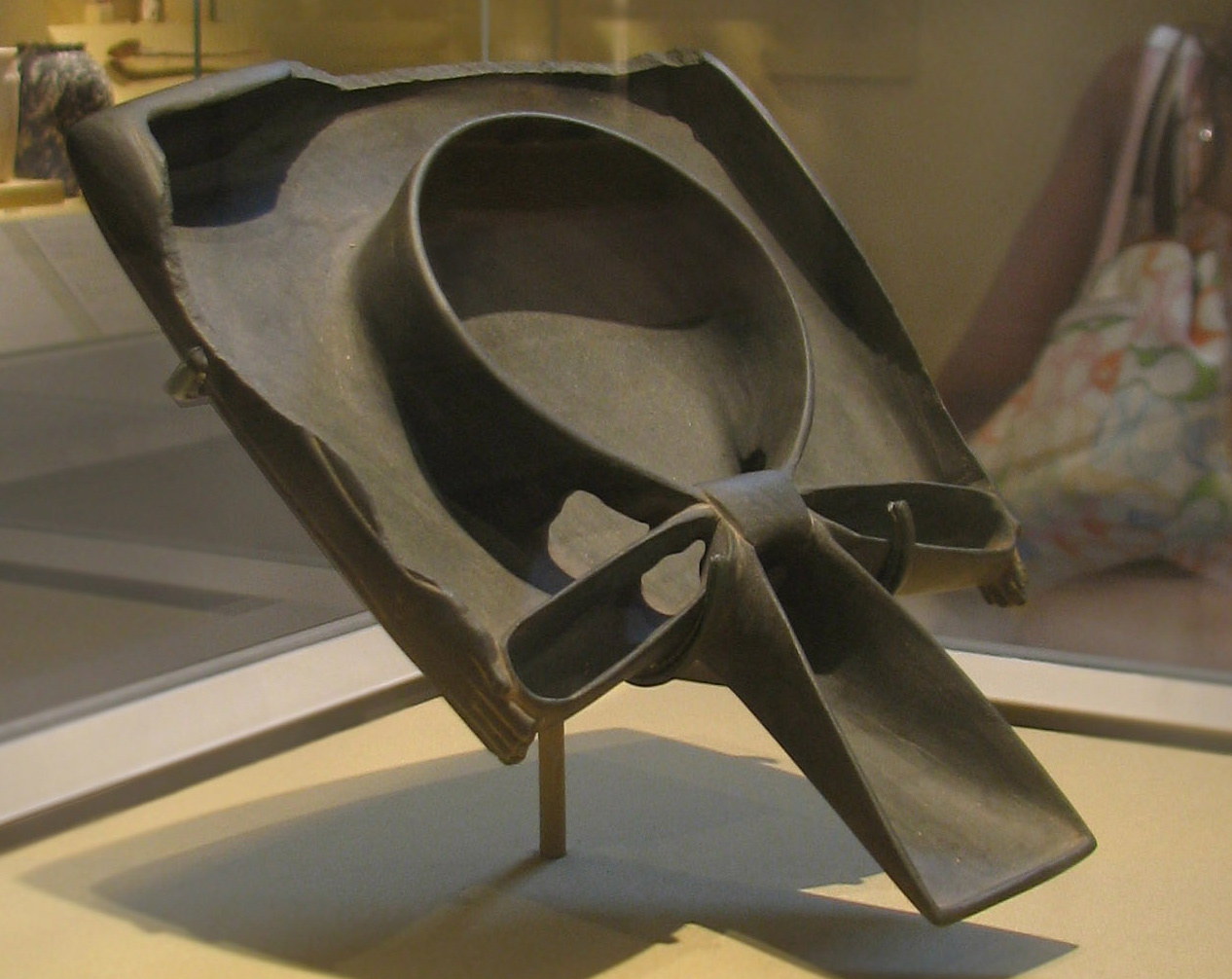 🇪🇬 Egypt and 2 moreAnkh
Ancient Egyptian hieroglyph for life and the amulet that carries its meaningCharm · Protection · Power and authority Historical
 🇪🇬 Egypt and 1 moreEbers Papyrus
An ancient Egyptian medical scroll detailing herbal remedies and bodily theories from around 1550 BCE.Text · Healing · Protection Historical
 🇮🇱 Israel and 2 moreMezuzahמְזוּזָה
A scroll of Torah verses placed in a case on Jewish doorpostsCharm · Protection · Speaking with spirits and the dead Living
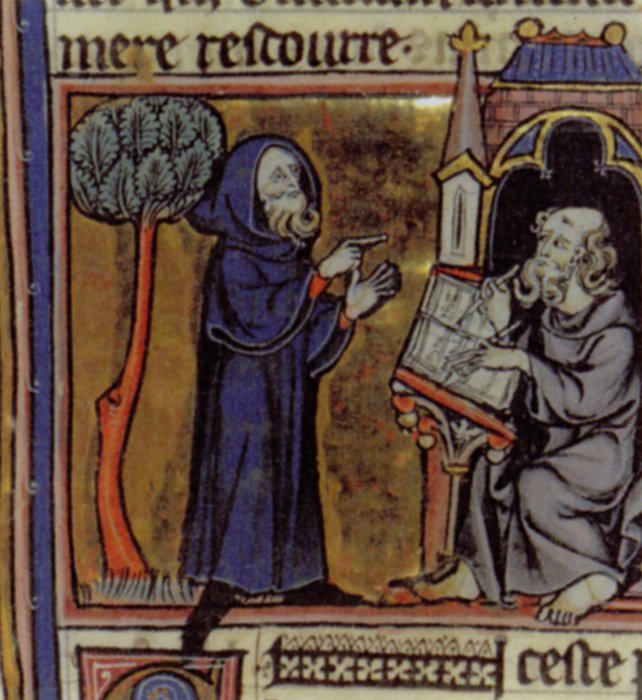 🇮🇹 Italy and 1 moreMedieval European magic
A broad category of ritual and natural practices in the Middle Ages, blending healing, divination, and religious belief.Tradition · Healing · Seeing and foretelling Historical
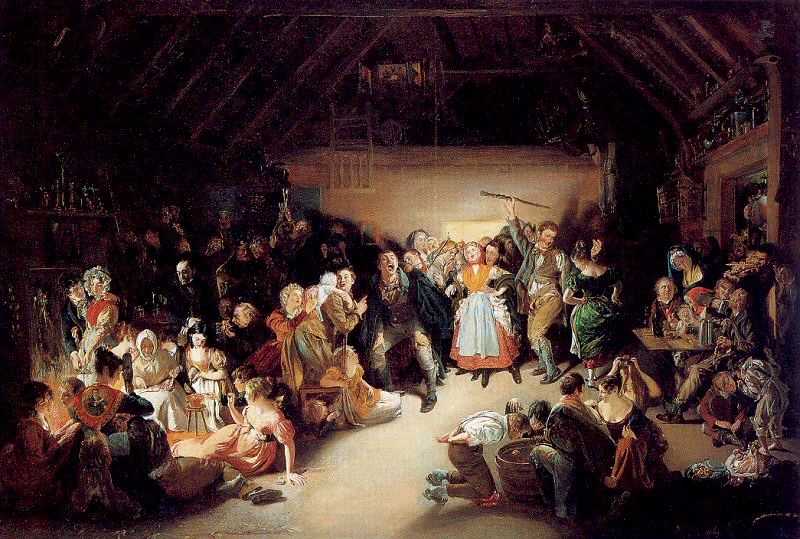 🇮🇪 Ireland and 1 moreSamhain
A Gaelic festival marking the end of harvest and the start of winter, observed on November 1st.Tradition · Protection · Speaking with spirits and the dead Living
 🇮🇳 India and 1 moreYoginiयोगिनी
A female master of yoga and tantra, or a fierce goddess aspect worshipped in open-air shrines.Tradition · Power and authority · Protection Historical
 🇬🇷 Greece and 5 moreBay Laurelδάφνη
An aromatic Mediterranean plant used in cooking and as a symbol of victory and purification.Substance · Protection · Cleansing and purification Living
 🇮🇳 IndiaTaraतारा (Sanskrit), তারা (Bengali)
A fierce Hindu goddess of protection and wisdom, central to the Mahavidya tradition.Being · Protection · Power and authority Living
 🇮🇪 Ireland and 4 moreWinter solstice
The shortest day and longest night of the year, marked by rites of solar returnTradition · Seeing and foretelling · Protection Living
 🇪🇬 Egypt and 1 moreEye of Horuswḏꜣt
A stylized eye symbol in ancient Egypt representing healing and cosmic orderCharm · Protection · Healing Historical
🇸🇪 Sweden and 3 moreRunic magic
The use of ancient Germanic letters for spells, divination, and protectionTradition · Protection · Seeing and foretelling Living
 🇨🇳 China and 5 moreFeng shui風水
A Chinese geomantic practice for aligning structures with cosmic energyTradition · Protection · Luck and prosperity Living
 🇮🇳 IndiaAtharvavedaअथर्ववेद
The fourth Veda of Hinduism, containing spells, healing rites, and domestic rituals.Text · Protection · Healing Historical
 🇮🇩 Indonesia and 4 moreKejawènꦏꦗꦮꦺꦤ꧀ (Kajawèn)
A Javanese tradition blending animism, Hinduism, Buddhism and Islam into a path of inner harmony.Tradition · Protection · Speaking with spirits and the dead Living
 🇮🇳 India and 3 moreDakiniḍākinī
A goddess figure in Hinduism and Buddhism, ranging from flesh-eating demoness to enlightened energy.Being · Cursing and harm · Power and authority Historical
 🇷🇴 Romania and 5 moreVampire folklore
Global legends of blood-drinking spirits and undead revenantsBelief · Cursing and harm · Protection Historical
 🇷🇺 Russia and 4 moreLady MiddayPoludnitsa
A Slavic noon spirit who watches over fields and punishes those who work during the hottest hours.Being · Cursing and harm · Protection Historical
 🇮🇶 Iraq and 5 moreGrimoire
A textbook containing instructions for spells, rituals, and the creation of magical objects.Text · Protection · Healing Historical
 🇨🇱 ChileMoaimoꞌai
Monolithic ancestor statues of Rapa Nui, carved from volcanic stone between the fifteenth and sixteenth centuries.Being · Power and authority · Protection Historical
 🇬🇧 United KingdomEnglish folklore
The myths, legends, and customs of England passed down through generations.Tradition · Protection · Cursing and harm Living
 🇯🇵 Japan and 1 moreOni鬼(おに)
A horned demon of Japanese folklore known for strength and evil, later softened into a symbol of fortune.Being · Protection · Cursing and harm Living
 🇪🇬 Egypt and 1 moreShen ring
An ancient Egyptian symbol of eternal protection, shaped like a rope looped around a stick.Charm · Protection Historical
🇪🇬 EgyptHekaḥkꜣw
The ancient Egyptian deification of magic, medicine, and primordial creative powerBeing · Healing · Protection Historical
 🇨🇳 China and 5 moreGuanyin觀音 (Guānyīn)
The Bodhisattva of compassion, worshipped across East Asia as a listener to human sufferingBeing · Protection · Healing Living
🇬🇧 United Kingdom and 1 moreScottish folkloreBeul-aithris na h-Alba
The myths, creatures and beliefs of the Scottish people, recorded from ancient times to the present.Tradition · Seeing and foretelling · Protection Living
🇯🇵 Japan and 1 moreKuji-in九字印
A system of nine syllables and hand gestures used for protection and spiritual alignment in Japanese esoteric traditionsRite · Protection · Speaking with spirits and the dead Historical
 🇬🇧 United Kingdom and 3 moreJet
A black gemstone carved into amulets and mourning jewelry for millenniaCharm · Protection · Power and authority Historical
 🇯🇵 Japan and 1 moreKūkai空海
Founder of Shingon Buddhism who brought Vajrayana esoteric practices from China to Japan.Text · Power and authority · Protection Historical
 🇳🇿 New Zealand and 5 moreFace tattoo
Marks inked on the face for spiritual protection, identity, rank, and rite of passageTradition · Protection · Power and authority Living
 🇫🇷 FranceThree Books of Occult PhilosophyDe occulta philosophia libri III
A Renaissance treatise on elemental, celestial, and divine magic by Heinrich Cornelius AgrippaText · Healing · Protection Historical
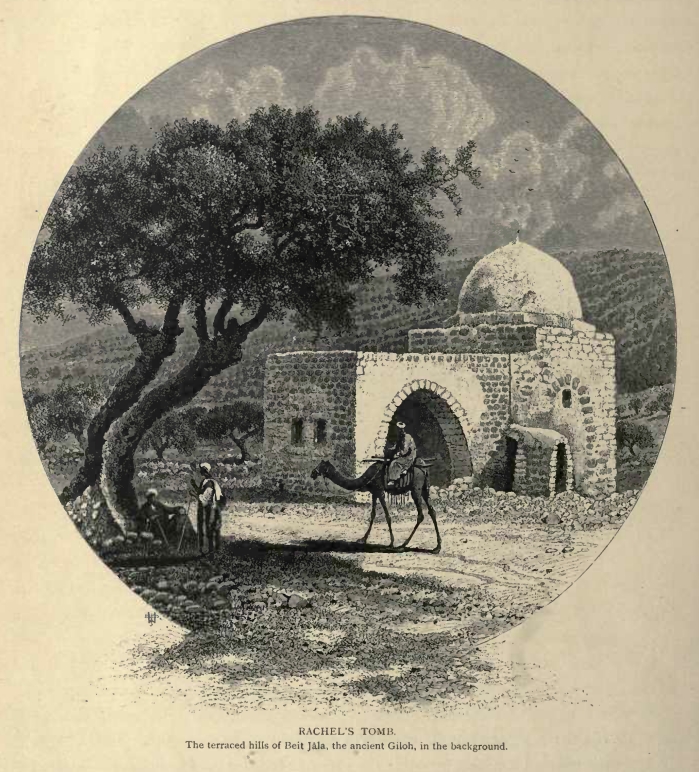 🇵🇸 Palestine and 1 moreRachel's TombQever Raḥel / Qabr Rāḥīl
A shared holy site in Bethlehem revered by Jews, Christians, and Muslims.Tradition · Speaking with spirits and the dead · Protection Living
 🇪🇬 EgyptAbraxasἈβράξας
A Gnostic archon and the name on ancient protective gemstonesBeing · Protection Historical
 🇪🇬 EgyptPapyrus of Ani
A decorated Egyptian scroll for the afterlife, held in LondonText · Protection · Speaking with spirits and the dead Historical
 🇮🇳 India and 3 moreYakshaयक्ष (Sanskrit), ยักษ์ (Thai)
Nature spirits and guardian deities in South and Southeast Asian traditionsBeing · Protection · Power and authority Living
 🇬🇧 United Kingdom and 1 moreChurch grim
A guardian spirit of Christian churchyards, often appearing as a black dog or lamb.Being · Protection Historical
 🇪🇪 Estonia and 1 moreEstonian mythologyeesti mütoloogia
The pre-Christian beliefs and legends of the Estonian peopleTradition · Protection · Speaking with spirits and the dead Historical
 🇬🇧 United Kingdom and 7 moreSaint Andrew's Day
A Christian feast day marked by national holidays in Scotland and Romania, and folk divination across Europe.Rite · Seeing and foretelling · Luck and prosperity Living
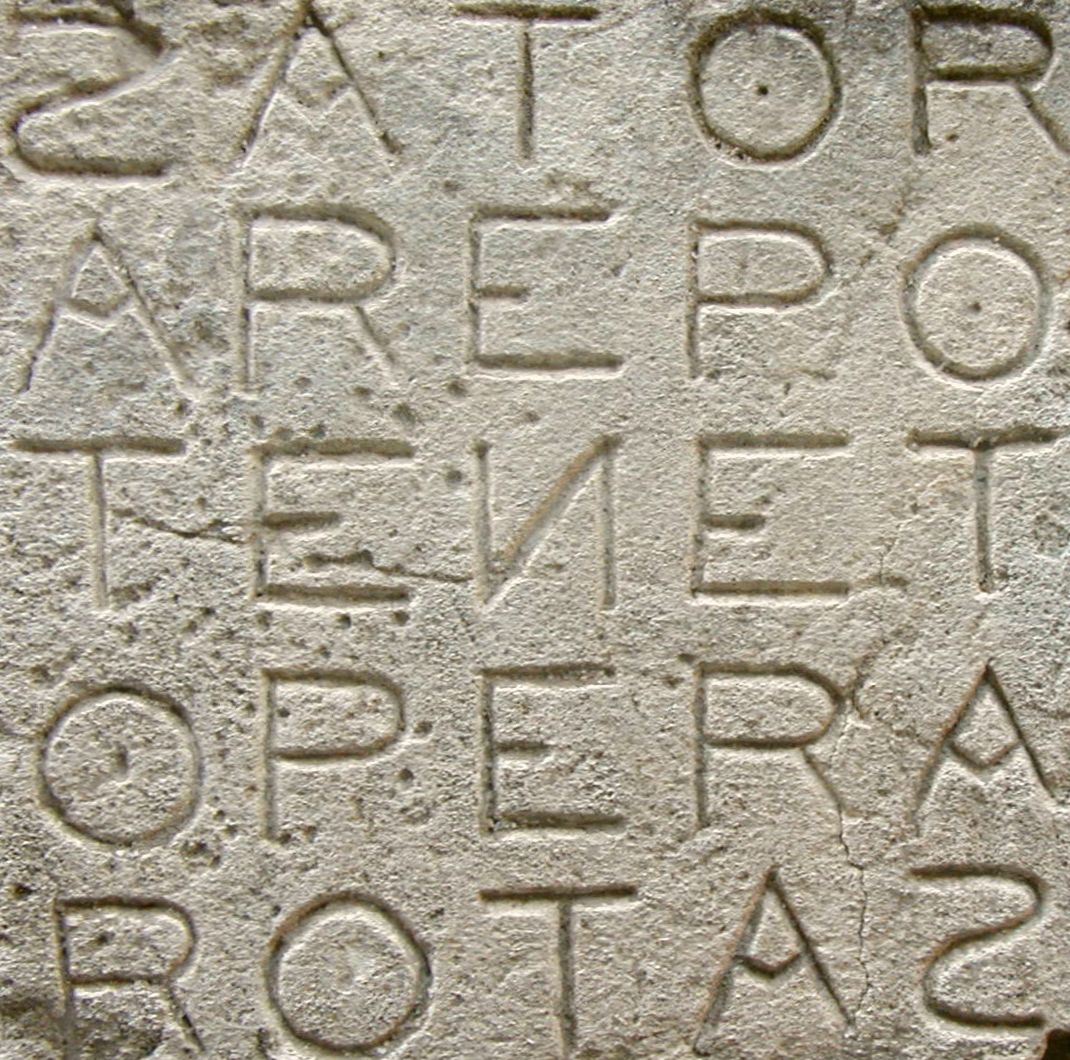 🇮🇹 Italy and 5 moreSator Square
A five-word Latin palindrome found in Roman ruins and medieval churchesCharm · Protection · Healing Historical
 🇩🇿 Algeria and 1 moreAhmad al-Buniأحمد البوني المالكي
A medieval Sufi scholar known for works on letter mysticism and talismansText · Power and authority · Seeing and foretelling Historical
 🇫🇷 France and 1 moreDruiddruides
A learned priestly class of the ancient Celts in Gaul and BritainTradition · Cursing and harm · Protection Historical
 🇫🇮 Finland and 1 moreFinnish mythology
The pre-Christian folklore and cosmology of the Finns and KareliansTradition · Speaking with spirits and the dead · Protection Revived
 🇺🇸 United StatesHex sign
Pennsylvania Dutch barn symbols that range from folk art to talismansCharm · Protection · Wonder and entertainment Living
 🇯🇵 JapanOnmyōdō陰陽道
A Japanese system of divination and ritual based on celestial patterns and elemental balanceTradition · Protection · Seeing and foretelling Revived
Photo credits on this page
The small pictures above come from Wikimedia Commons under free licences. Some are cropped to fit.
- Church grim: Inès Lee, CC BY-SA 4.0, source
- Loong: Unknown author, CC0, source
- Eye of Horus: Tangopaso, Public domain, source
- Vampire folklore: Dick Thomas Johnson, CC BY 2.0, source
- Grimoire: Bengt A. Lundberg, CC BY 2.5, source
- English folklore: J. R. Skelton, Public domain, source
- Winter solstice: Image by Przemyslaw " Blueshade " Idzkiewicz, CC BY-SA 2.0, source
- Feng shui: Unknown author, Public domain, source
- Atharvaveda: William Dwight Whitney / Charles Rockwell Lanman, Public domain, source
- Saint Andrew's Day: Henryk Siemiradzki, Public domain, source
- Druid: Bernard de Montfaucon, Public domain, source
- Moai: Rivi, CC BY-SA 3.0, source
- Shen ring: Rama, CC BY-SA 3.0 fr, source
- Abe no Seimei: Unknown author, Public domain, source
- Three Books of Occult Philosophy: Heinrich Cornelius Agrippa, Public domain, source
- Rachel's Tomb: Lane-Poole, Stanley, Public domain, source
- Abraxas: Louis Breton, M. Jarrault, Public domain, source
- Papyrus of Ani: Photographed by the British Museum; original artist unknown, Public domain, source
- Yaksha: Gunkarta ( talk ), CC BY-SA 3.0, source
- Estonian mythology: Jeannette Berkowitz (illustrator), Public domain, source
- Sator Square: M Disdero, CC BY-SA 3.0, source
- Ahmad al-Buni: Khalili Collections, CC BY-SA 3.0 igo, source
- Jet: Thmsfrst, Public domain, source
- Face tattoo: Gottfried Lindauer, Public domain, source
- Kūkai: Unknown author, CC BY 4.0, source
- Finnish mythology: Väinö Blomstedt, Public domain, source
- Kejawèn: Greenland4, Public domain, source
- Yogini: Soumendra Barik, CC BY-SA 3.0, source
- Oni: Katsushika Hokusai 葛飾北斎 (1760-1849), Public domain, source
- Bay Laurel: Forest and Kim Starr, CC BY 3.0 us, source
- Horseshoe: Cgoodwin, CC BY-SA 3.0, source
- Tara: Chore Bagan Art Studio, Public domain, source
- Marabout: Jan Broekhuijse, CC BY-SA 3.0, source
- Ebers Papyrus: PEbers_c41.jpg : Einsamer Schütze derivative work: Photohound ( talk ), CC BY-SA 3.0, source
- Dakini: Didier Descouens, Public domain, source
- Mezuzah: Adrian Grycuk, CC BY-SA 3.0 pl, source
- Guanyin: JL Cogburn, CC BY-SA 2.0, source
- Lady Midday: Віщун, CC BY-SA 4.0, source
- Samhain: Daniel Maclise, Public domain, source
- Medieval European magic: Unknown author, Public domain, source
- Ankh: Soutekh67, CC BY-SA 4.0, source
- Pentagram: Tomruen, Attribution, source
- Hex sign: Smallbones, CC0, source
- Neidan: A16898, CC BY-SA 4.0, source