
Solomon
In its own language: שְׁלֹמֹה
From Hebrew shalom, meaning peace
A biblical king of Israel known for wisdom and temple building, later viewed as a magician.
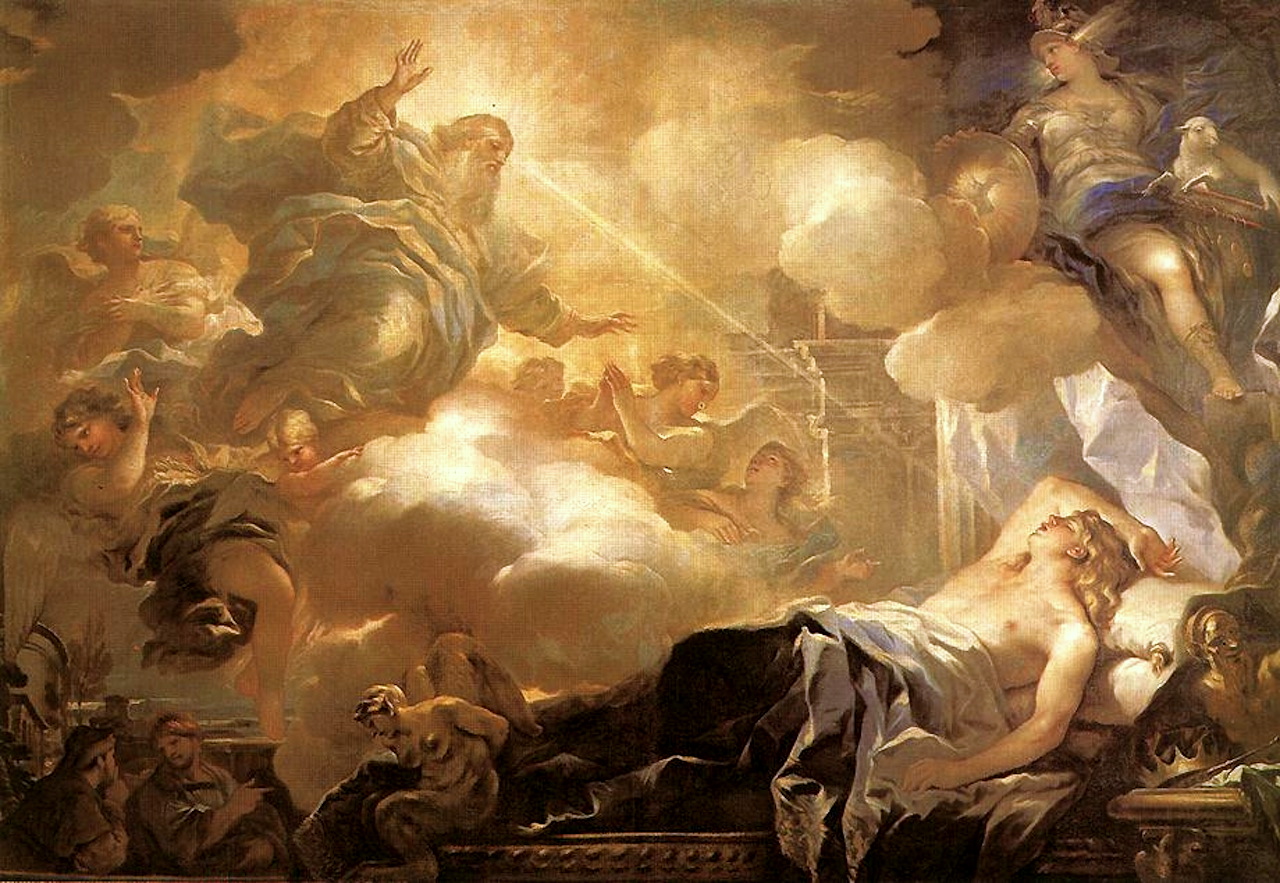
Solomon was a ruler of the united Kingdom of Israel in the tenth century BCE. He is famous for his great wisdom, wealth, and construction of the First Temple in Jerusalem. Later traditions also cast him as an exorcist and master of magical seals.
- Built the First Temple in Jerusalem
- Known for supreme wisdom and wealth
- Later viewed as an exorcist and magician
- Reign estimated at 970-931 BCE
- Father of Rehoboam
What it is
Solomon stands as a central figure in ancient Near Eastern history and religious tradition. He served as the successor to King David and ruled over a united Israel and Judah. Sources describe him as possessing immense wealth and unparalleled wisdom. Beyond his political role, he is credited with constructing the First Temple in Jerusalem. In later periods, particularly during the Hellenistic era, he gained a reputation as a magician. Practitioners invoked his name on amulets and seals to perform exorcisms and protect against evil spirits.
Where it comes from
The narrative of Solomon appears in biblical texts such as Kings and Chronicles. His reign is estimated to have occurred between 970 and 931 BCE. Scholars debate the historicity of these details, noting that accounts of his empire's opulence may be exaggerated. The story of his foreign wives introducing idolatry is often viewed by critics as a later theological construct. This narrative likely emerged centuries after his death to explain the eventual split of the kingdom.
How it is done
As a legendary magical figure, Solomon is associated with the use of seals and amulets. These objects were believed to hold power over demons and spirits. The Testament of Solomon describes him commanding spirits through divine authority. Exorcists used his name to drive out malevolent forces. The practice relies on the belief that his wisdom granted him control over supernatural entities.
Tools and materials
Magical tools attributed to Solomon include inscribed seals and protective amulets. These items often bore his name or symbols linked to his authority. The First Temple itself served as a sacred center for worship. Architectural elements like pillars and gold furnishings marked his royal status. Trade goods such as ivory and sandalwood highlighted his economic reach.
Solomon, drawn and placed
- Living
- Revived
- Fading
- Historical
- Legendary
- Performed
- Lineage
- House of David
What it is for
People sought Solomon's wisdom for governance and judgment. Magical practices using his name aimed to cleanse spaces of evil influences. Amulets provided protection against harm. The Temple offered a permanent home for divine presence. Wealth and alliances secured commercial prosperity. His legacy serves as a model of righteous rule and spiritual power.
Who does it
Scholars analyze Solomon through historical and textual criticism. Religious communities revere him as a prophet and wise king. Magicians and exorcists invoke his authority in rituals. Historians examine archaeological evidence from sites like Jerusalem. The lack of contemporary records leaves many details open to interpretation.
Peoples and places
Solomon holds significance across Jewish, Christian, and Islamic traditions. Jews view him as the builder of the First Temple. Christians see him as a type of Christ and a teacher of wisdom. Muslims honor him as a prophet who controlled jinn. Ethiopian traditions also maintain connections to his lineage. His story resonates throughout the Middle East and beyond.
At a glance: who, where and when



What people believe
Believers hold that God granted Solomon exceptional wisdom and wealth. His ability to command spirits stems from this divine favor. The Temple represents the dwelling place of Yahweh. Idolatry by his wives is seen as a cause for national division. Magical seals operate through the authority given to him by the divine.
When it is done
Specific festivals dedicated solely to Solomon are not detailed in the primary sources. His reign marks a period of stability before the kingdom's division. Events in his life, such as the Temple dedication, are commemorated in religious calendars. The timing of his rule anchors biblical chronology.
How scholars and sceptics see it
Academics debate the extent of Solomon's historical influence. Some argue his empire was modest compared to biblical descriptions. Archaeological finds in Jerusalem show limited monumental remains from his era. Textual analysis suggests the biblical account reflects later editorial layers. Scholars note the anachronistic nature of certain imperial details.
Cautions and what is closed
The biblical narrative warns against the dangers of foreign alliances and idolatry. Solomon's accumulation of wealth and wives led to divine punishment. Historical interpretations caution against taking biblical numbers literally. Modern readers must distinguish between theological themes and historical facts.
Compare and confuse
Solomon is often compared to other wise rulers in ancient literature. His magical reputation parallels figures like Enoch or Abraham in apocryphal texts. The Queen of Sheba's visit appears in various cultural traditions. His role as a temple builder connects him to other Near Eastern monarchs.
Questions people ask about Solomon
Who was Solomon?
Solomon was a king of the united Kingdom of Israel, son of David. He is renowned for his wisdom, wealth, and construction of the First Temple in Jerusalem. Later traditions also depict him as a powerful magician and exorcist.
What is Solomon's connection to magic?
During the Hellenistic period, Solomon became known as a magician and exorcist. Amulets and seals invoking his name were used to command spirits and protect against evil. The Testament of Solomon details his interactions with demons.
Where does the name Solomon come from?
The name comes from the Hebrew word 'shlomoh,' meaning peaceful. It is derived from the root for peace. Another name, Jedidiah, means beloved of God.
Did Solomon really exist?
Historicity is debated. While most scholars allow for a historical figure, details of his reign are contested. Biblical accounts of his vast empire may be exaggerated, and archaeological evidence from Jerusalem is limited.
Good reading and sources
- Encyclopaedia BritannicaArticle
- Kings of ControversyNational Geographic, Article
- BBC Radio 4BBC, Article
- Solomon on WikipediaEncyclopedia
- More photos on Wikimedia CommonsPhotos and video
- Wikidata recordOpen data
The facts on this page come from the Wikipedia article "Solomon", written by its contributors and used under the CC BY-SA 4.0 licence, and from its Wikidata record (CC0). EveryJaadu rewrote the text in its own words, with AI assistance, and compares every page with the article to make sure no passage is copied. It may be reused under the same CC BY-SA 4.0 licence with a link back.
It may contain mistakes. Names and customs differ from one community to the next, and some knowledge is closed to outsiders and left out here. This page describes belief and practice. It does not say that any of it works, it is not a how-to, and it is not medical advice. If something is wrong, tell us. Last refreshed 2026-10-16.
More from Israel
All the entries from Israel 🇮🇱 Israel and 1 moreShimon bar Yochaiשמעון בר יוחאי
A second-century sage of the Land of Israel and a central figure in Kabbalistic tradition.Figure · Power and authority Historical
🇮🇱 Israel and 1 moreShimon bar Yochaiשמעון בר יוחאי
A second-century sage of the Land of Israel and a central figure in Kabbalistic tradition.Figure · Power and authority Historical
 🇮🇱 Israel and 1 moreAzazelעזאזל
A desert place and fallen angel linked to the Yom Kippur scapegoat ritualFigure · Cursing and harm · Cleansing and purification Historical
🇮🇱 Israel and 1 moreAzazelעזאזל
A desert place and fallen angel linked to the Yom Kippur scapegoat ritualFigure · Cursing and harm · Cleansing and purification Historical
 🇪🇬 Egypt and 1 moreJannes and Jambresיניס וימבריס
Named Egyptian magicians who opposed Moses in biblical traditionFigure · Cursing and harm Historical
🇪🇬 Egypt and 1 moreJannes and Jambresיניס וימבריס
Named Egyptian magicians who opposed Moses in biblical traditionFigure · Cursing and harm Historical
 🇮🇱 IsraelWitch of Endorאֵ֥שֶׁת בַּֽעֲלַת־אֹ֖וב בְּעֵ֥ין דֹּֽור
A biblical spirit-diviner summoned by King Saul to consult the prophet Samuel.Figure · Speaking with spirits and the dead Legendary
🇮🇱 IsraelWitch of Endorאֵ֥שֶׁת בַּֽעֲלַת־אֹ֖וב בְּעֵ֥ין דֹּֽור
A biblical spirit-diviner summoned by King Saul to consult the prophet Samuel.Figure · Speaking with spirits and the dead Legendary
Related elsewhere
All figure 🇫🇷 France and 2 moreKing ArthurBrenin Arthur
A legendary British king and folk hero of medieval literature and Welsh mythologyFigure · Power and authority · Wonder and entertainment Legendary
🇫🇷 France and 2 moreKing ArthurBrenin Arthur
A legendary British king and folk hero of medieval literature and Welsh mythologyFigure · Power and authority · Wonder and entertainment Legendary
 🇫🇷 FranceHoly GrailSaint Graal
A cup or stone from Arthurian legend with miraculous powersFigure · Healing · Luck and prosperity Legendary
🇬🇧 United KingdomGreen Children of Woolpit
A medieval English legend about two green-skinned siblings who appeared in a Suffolk village.Figure · Wonder and entertainment Legendary
🇫🇷 FranceHoly GrailSaint Graal
A cup or stone from Arthurian legend with miraculous powersFigure · Healing · Luck and prosperity Legendary
🇬🇧 United KingdomGreen Children of Woolpit
A medieval English legend about two green-skinned siblings who appeared in a Suffolk village.Figure · Wonder and entertainment Legendary
 🇮🇳 India and 1 moreMantraमन्त्रम्
A sacred sound or phrase repeated to focus the mind and invoke spiritual powerText · Speaking with spirits and the dead · Power and authority Living
🇮🇳 India and 1 moreMantraमन्त्रम्
A sacred sound or phrase repeated to focus the mind and invoke spiritual powerText · Speaking with spirits and the dead · Power and authority Living