
Astral body
from Latin astrum, meaning star
A subtle vehicle of emotion and dream said to travel beyond the physical form
The astral body is a subtle form posited by esoteric traditions as an intermediate layer between the physical self and higher consciousness. It is widely linked with out-of-body experiences, dreams, and the afterlife journey in various philosophical systems.
- Term adopted by 19th-century Theosophists and neo-Rosicrucians
- Linked to out-of-body experiences and astral projection
- Proclus posited two subtle bodies: astral and spiritual vehicles
- Gurdjieff called it the 'body-Kesdjan' or vessel of the soul
- Blavatsky equated it with the Indian linga sharira
What it is
The astral body is a conceptual entity described as a subtle material form that exists between the physical body and the rational soul. It serves as a vehicle for emotions, desires, and dreams. In many esoteric frameworks, it allows the spirit to traverse realms beyond the physical world during sleep, trance, or after death. This concept appears across various cultures, often linked to astrological spheres and the journey of the soul through different planes of existence.
Where it comes from
The idea has roots in ancient philosophy, particularly Neoplatonism, which debated the nature of the soul's immortality. Plato’s influence is evident, though similar concepts existed globally before him. The term was later adopted by nineteenth-century Theosophists and neo-Rosicrucians. Medieval alchemists and Renaissance figures like Paracelsus also explored related ideas of subtle bodies and magnetic fluids, bridging early science and mysticism.
How it is done
Practitioners describe experiencing the astral body through out-of-body sensations or vivid dreaming. It is said to manifest as an aura of swirling colors or an ovoid cloud surrounding the physical form. During sleep, the physical body rests while this subtle form navigates emotional landscapes and archetypal symbols. Some traditions view it as a mechanism for psychoanalytic phenomena, where feelings and desires are processed outside conscious awareness.
Tools and materials
No physical tools are required. The concept relies on internal perception and spiritual sight. Descriptions include visualizations of vortices or chakras within the subtle form. It is sometimes associated with specific planetary influences or astrological zones, acting as a medium for energy and movement rather than a tangible object.
Astral body, drawn and placed
- Living
- Revived
- Fading
- Historical
- Legendary
- Performed
- Lineage
- Western esotericism and Indian philosophy
- Timing
- during sleep or death
What it is for
It is believed to facilitate the soul's journey after death and provide insight into the emotional self during life. Followers use the concept to explain dreams, hallucinations, and near-death experiences. It serves as a bridge between animal instincts and higher spiritual reasoning, helping individuals understand their psychological makeup and potential for spiritual evolution.
Who does it
Scholars of esoteric history and philosophers analyze these texts. Theosophists like Helena Blavatsky and C.W. Leadbeater systematized the idea, equating it with the 'desire principle.' Gurdjieff referred to it as the 'body-Kesdjan,' viewing it as a vessel that must be consciously developed to achieve true individuality. Without this development, one remains merely a biological entity without a distinct soul.
Peoples and places
The concept appears in Indian philosophy as 'linga sharira' and in Western occultism through Theosophy. Neoplatonists like Proclus distinguished between immortal and mortal subtle vehicles. Modern interpretations vary, with some linking it to kabbalistic sephiroth or Rosicrucian alchemy. Different cultures adapt the idea to fit their own cosmologies of the afterlife and inner self.
At a glance: who, where and when
Who does it
Peoples
Belief worlds

What people believe
It is viewed as a real but subtle component of human constitution, composed of finer matter than the physical body. It interacts with planetary forces and holds the capacity for desire and emotion. Some believe it persists after death, while others see it as a temporary construct of the mind. The astral plane is considered a realm of symbolic reality, distinct from the physical world yet connected to it.
When it is done
Experiences are often reported during sleep, deep meditation, or near-death states. No specific calendar festivals are tied to its practice. It is an ongoing aspect of inner life rather than a periodic ritual event.
How scholars and sceptics see it
Scientific observers attribute beliefs in the astral body to delusions, hallucinations, or hysteria. Psychologists may interpret it as a metaphor for the subconscious or dream state. Historians trace its evolution from ancient philosophy through medieval medicine to modern occultism. Skeptics argue there is no empirical evidence for its existence as a physical or energetic entity.
Cautions and what is closed
Some writers warn that confusing the astral body with the true soul can lead to spiritual stagnation. Belief in unverified phenomena may open individuals to fraud or misinterpretation of psychological events. The concept is closed to those seeking purely scientific validation, as it belongs to metaphysical speculation rather than observable fact.
Compare and confuse
It is often confused with the etheric body, which deals more with vitality and life force. In Hinduism, it relates to the linga sharira, while in Western esotericism, it aligns with the desire body. Similar concepts appear in shamanic journeys and near-death narratives worldwide, though names and details differ significantly across traditions.
Questions people ask about Astral body
What is the astral body?
It is a subtle form posited by esoteric traditions as an intermediate layer between the physical body and the rational soul. It carries emotions, desires, and dreams, allowing the spirit to navigate non-physical realms during sleep or after death.
Where does the concept come from?
Rooted in Neoplatonic philosophy and ancient ideas of the soul's journey, it was formalized by nineteenth-century Theosophists. It draws from Indian concepts like linga sharira and Western occult theories of subtle energies.
How is it experienced?
Practitioners describe it through out-of-body sensations, vivid dreaming, or visions of swirling colors. It is said to manifest as an emotional vehicle that operates while the physical body rests in slumber.
Is it the same as the soul?
No. It is considered a vehicle or carrier for the soul, specifically handling emotions and desires. True spiritual development involves evolving this body to align with higher consciousness, rather than identifying with it directly.
Good reading and sources
The facts on this page come from the Wikipedia article "Astral body", written by its contributors and used under the CC BY-SA 4.0 licence, and from its Wikidata record (CC0). EveryJaadu rewrote the text in its own words, with AI assistance, and compares every page with the article to make sure no passage is copied. It may be reused under the same CC BY-SA 4.0 licence with a link back.
It may contain mistakes. Names and customs differ from one community to the next, and some knowledge is closed to outsiders and left out here. This page describes belief and practice. It does not say that any of it works, it is not a how-to, and it is not medical advice. If something is wrong, tell us. Last refreshed 2026-10-06.
More from India
All the entries from India 🇹🇷 Turkey and 5 moreEvil eye
A curse believed to be cast by a jealous glare and the charms used to stop itBelief · Protection Living
🇹🇷 Turkey and 5 moreEvil eye
A curse believed to be cast by a jealous glare and the charms used to stop itBelief · Protection Living
 🇮🇳 IndiaLeft-Hand and Right-Hand Paths
Two distinct orientations in occult magic, dividing taboo-breaking from orthodoxy.Tradition · Change and initiation · Power and authority Living
🇮🇳 IndiaLeft-Hand and Right-Hand Paths
Two distinct orientations in occult magic, dividing taboo-breaking from orthodoxy.Tradition · Change and initiation · Power and authority Living
 🇷🇴 Romania and 5 moreVampire folklore
Global legends of blood-drinking spirits and undead revenantsBelief · Cursing and harm · Protection Historical
🇷🇴 Romania and 5 moreVampire folklore
Global legends of blood-drinking spirits and undead revenantsBelief · Cursing and harm · Protection Historical
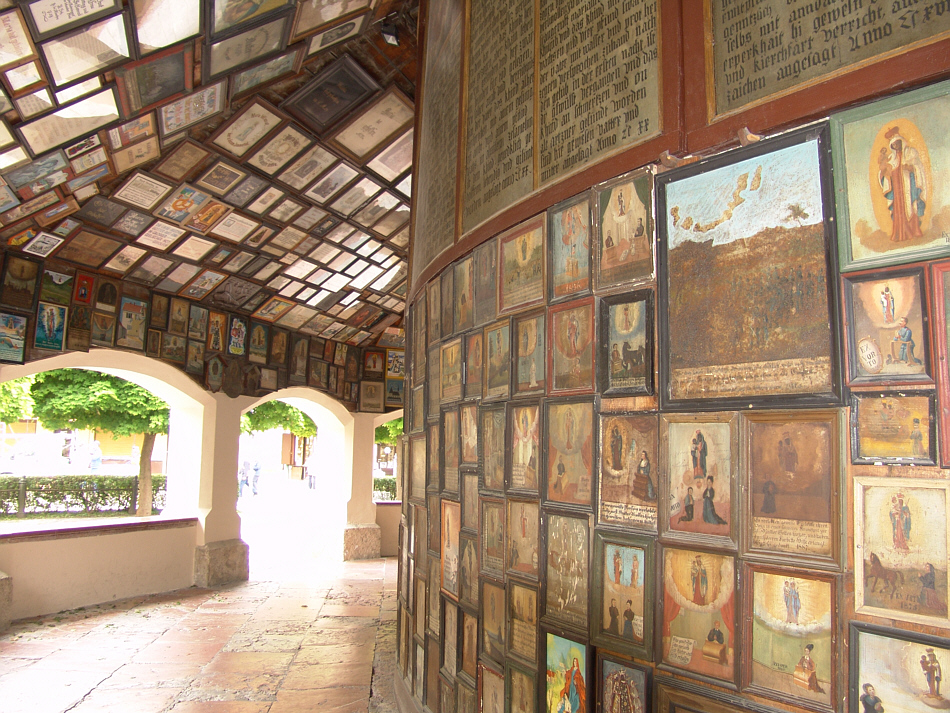 🇬🇷 Greece and 5 moreVotive offering
Objects left in sacred places to honor a deity or fulfill a vow, never to be recovered.Tradition · Protection · Healing Living
🇬🇷 Greece and 5 moreVotive offering
Objects left in sacred places to honor a deity or fulfill a vow, never to be recovered.Tradition · Protection · Healing Living
Related elsewhere
All belief 🇮🇳 IndiaChakraचक्र
Meditation points in the subtle body used in Hindu and Buddhist yogaTradition · Speaking with spirits and the dead · Change and initiation Living
🇮🇳 IndiaChakraचक्र
Meditation points in the subtle body used in Hindu and Buddhist yogaTradition · Speaking with spirits and the dead · Change and initiation Living
 🇮🇱 Israel and 4 moreIsaac Luriaיִצְחָק בן שלמה אשכנזי לוּרְיָא
A sixteenth-century rabbi who founded modern Kabbalah through oral teachings in Safed.Text · Speaking with spirits and the dead · Change and initiation Living
🇮🇱 Israel and 4 moreIsaac Luriaיִצְחָק בן שלמה אשכנזי לוּרְיָא
A sixteenth-century rabbi who founded modern Kabbalah through oral teachings in Safed.Text · Speaking with spirits and the dead · Change and initiation Living
 🇳🇬 NigeriaOrunmilaỌ̀rúnmìlà
Yoruba deity of wisdom and the creator of the Ifá divination systemBeing · Seeing and foretelling · Speaking with spirits and the dead Living
🇳🇬 NigeriaOrunmilaỌ̀rúnmìlà
Yoruba deity of wisdom and the creator of the Ifá divination systemBeing · Seeing and foretelling · Speaking with spirits and the dead Living
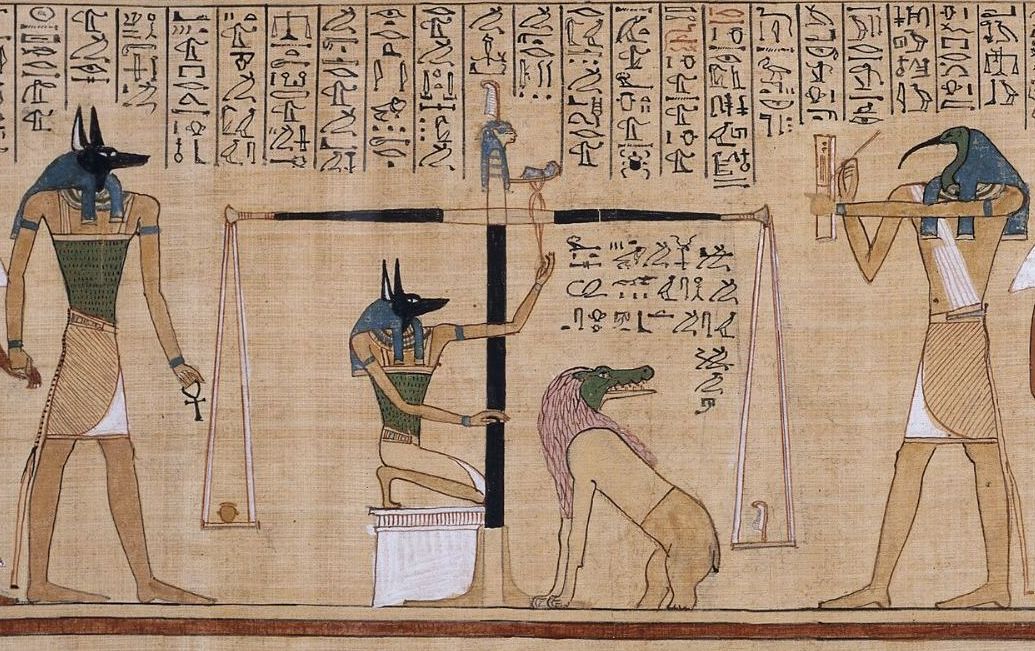 🇪🇬 EgyptAncient Egyptian afterlife beliefs
A system of rituals and texts guiding the soul through the underworld to eternal rebirthTradition · Protection · Speaking with spirits and the dead Historical
🇪🇬 EgyptAncient Egyptian afterlife beliefs
A system of rituals and texts guiding the soul through the underworld to eternal rebirthTradition · Protection · Speaking with spirits and the dead Historical