
Khidr
In its own language: الخضر
From an Arabic root meaning green or verdant; some link it to ancient Mesopotamian or Canaanite names, others to a verb
A Qur'anic guide and saint believed to hold hidden wisdom and aid those in need.
Khidr is a revered figure in Islamic tradition described as a righteous servant of God endowed with deep mystic knowledge. He appears in the Qur'an alongside Moses and is later identified across various cultures as an angel, prophet, or guardian saint. Communities hold that he watches over travelers, teaches secret learning, and helps people facing hardship.
- Named after an Arabic root meaning green or verdant
- Appears alongside Moses in Surah al-Kahf
- Three paradoxical acts teach hidden mercy
- Commemorated on the spring festival Hıdırellez
- Considered head of a high saintly rank in Sufism
What it is
Khidr functions as a spiritual guide and learned figure within Islamic lore. The Qur'an introduces him as a devoted servant granted special insight by the Divine. Later commentaries expand his role into several categories. Some readers view him as an angel, while others classify him as a prophet or a recognized saint. Traditions credit him with watching over waters, sharing concealed teachings, and stepping in when people face sudden danger. He serves as a model of quiet service and steady patience.
Where it comes from
Scholars have traced the name to an Arabic root connected to greenery or fresh growth. Other researchers propose links to older Near Eastern titles or to a word meaning to remain close. Early historians like al-Tabari collected multiple versions of his background. One account places him before Moses as a companion of Abraham. Another ties him to the ruler Dhul-Qarnayn and describes him drinking from a mythical stream that grants lasting life. These narratives show how the figure grew through centuries of storytelling.
How it is done
The Qur'anic account presents a structured lesson built around three unexpected actions. First, a small hole is made in a wooden boat. Next, a youth is taken away. Finally, a broken stone barrier is rebuilt without payment. Each act breaks ordinary expectations. The guide explains that the damage saves the owners from seizure, the loss spares parents future sorrow, and the repair protects a hidden inheritance until the children reach adulthood. The pattern teaches that visible harm can mask hidden mercy.
Tools and materials
The narrative relies on a set of everyday objects that carry deeper meaning. A salted fish marks the starting point of a search. Two meeting waters signal a boundary between realms. A damaged craft represents vulnerability. A young life stands for potential futures. A crumbling wall hides family wealth. Buried treasure symbolizes rewards that arrive only after time passes. Together, these items map a path from surface confusion to clear understanding.
Khidr, drawn and placed
- Living
- Revived
- Fading
- Historical
- Legendary
- Performed
- Lineage
- Islamic tradition, Sufi mysticism
- Timing
- during journeys, in times of trouble, or at seasonal festivals
What it is for
Seekers turn to this figure when they need clarity beyond ordinary reasoning. The tradition promises instruction in patient observation and trust in unseen plans. Travelers ask for protection on long routes. Those facing sudden loss seek comfort through the idea that temporary setbacks serve longer goals. The practice encourages followers to look past immediate results and accept guidance that arrives through quiet signs rather than loud declarations.
Who does it
Study of the figure falls mainly to theologians and exegetes who examine early texts and narration chains. Sufi masters also claim direct meetings, treating the guide as a living teacher who operates outside normal schedules. Initiates undergo years of disciplined training before receiving personal instruction. Some orders consider him the head of a high saintly rank. Others treat encounters as private spiritual milestones that require careful verification to avoid confusing a student with the master.
Peoples and places
The story travels far beyond its original setting. In Iran, it merges with older wisdom deities and seasonal guardians. Across the Levant and Asia Minor, it blends with warrior saints and prophetic elders. Armenian communities connect the figure to baptismal themes. South Asian groups associate him with river patrons and agricultural cycles. Buddhist writers once used his image to illustrate compassionate action. Each region adapts the core traits to fit local landscapes and social needs.
At a glance: who, where and when
Who does it
Belief worlds


What people believe
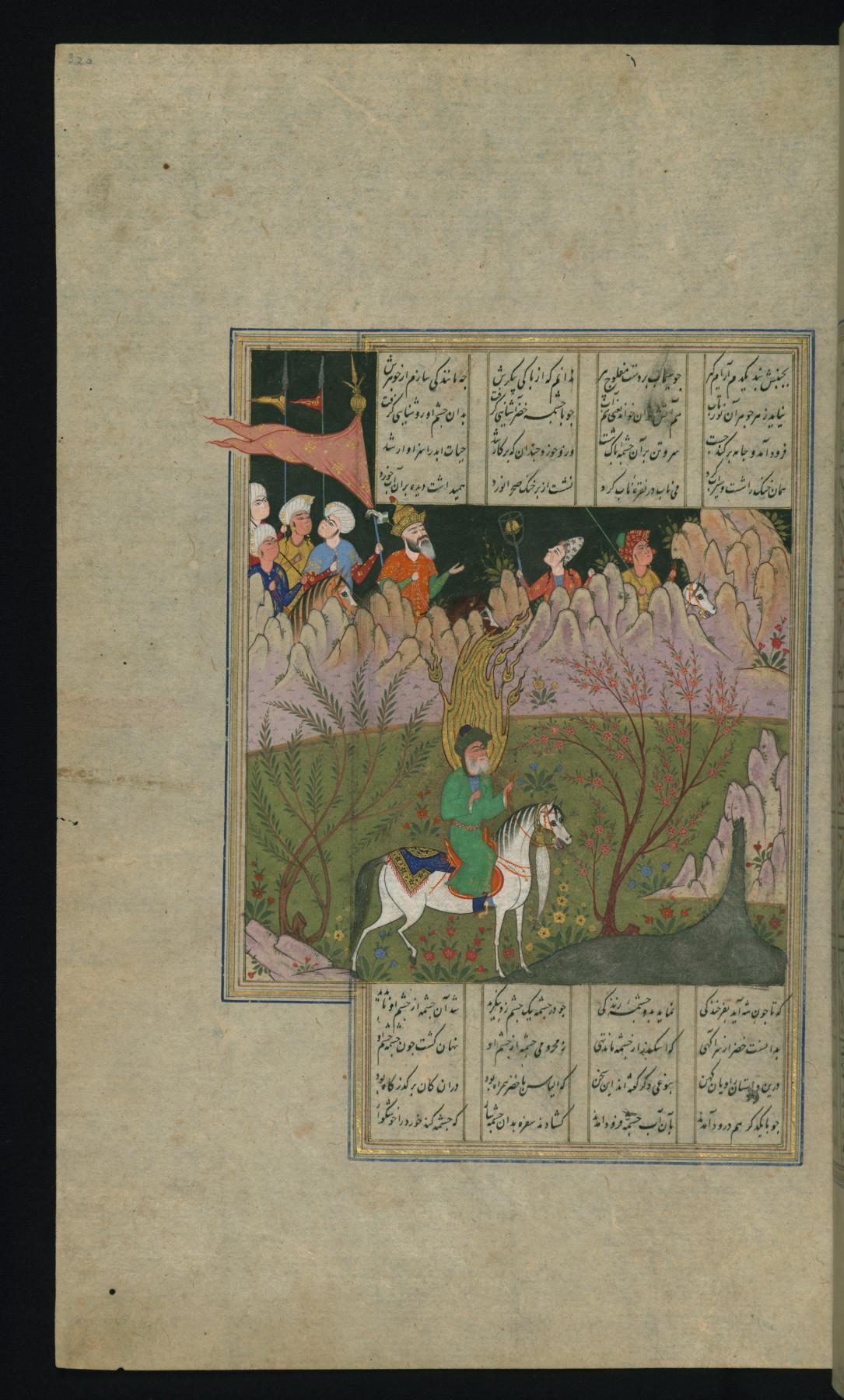
Devotees hold that the guide exists beyond normal human limits. He does not require food or drink and can appear in different locations at once. His status sits above ordinary holy men, placing him near the highest tier of spiritual authority. Followers believe he receives illumination directly from the Divine without human intermediaries. This placement makes him a bridge between written law and inner experience, offering a model of silent service and unbroken devotion.
When it is done
Regional communities mark the figure on a spring festival called Hıdırellez. The celebration aligns with seasonal change and renewed growth. Some tales describe annual meetings with another prophetic elder during this time. Families gather to share meals, light fires, and voice hopes for safe travel. The date functions as a reminder that patience and preparation often precede visible blessings.
How scholars and sceptics see it
Historians and linguists track how the name and story shifted across languages and manuscript traditions. Exegetes compare narration chains to separate early reports from later additions. Psychologists note how the three acts mirror human struggles with fairness and delayed reward. Skeptics treat the figure as a literary device that explores moral ambiguity. Researchers agree that the narrative serves as a framework for teaching restraint and long-term perspective.
Cautions and what is closed
Some religious authorities question claims of physical survival, preferring symbolic readings. Unverified encounters can lead to misplaced authority or disrupted community order. Practitioners are advised to test visions against established teachings and to avoid demanding proof from ordinary observers.
Compare and confuse
Different cultures assign him to local heroes or seasonal deities while keeping the core pattern intact. The name changes across languages, but the role remains steady. Readers often confuse him with purely historical prophets or with nature spirits, though the tradition places him firmly in the realm of learned service.
Law and persecution
Veneration operates within standard Muslim and Druze frameworks. Pilgrimage sites function under local religious oversight and community funding. No recorded campaigns target the figure specifically. Regional festivals proceed openly and attract both locals and visitors. Authorities generally treat the tradition as a harmless expression of spiritual heritage.
Today
Modern readers encounter the figure through Sufi lineages, academic publications, and seasonal celebrations. Diaspora communities preserve stories while adapting rituals to new environments. Contemporary audiences often interpret the narrative as a meditation on ethics and delayed outcomes. The figure continues to inspire quiet reflection rather than public spectacle.
Questions people ask about Khidr
Who is Khidr?
He is a Qur'anic guide and saint believed to hold hidden wisdom. Communities describe him as a servant of God who teaches patience, watches over travelers, and helps people facing sudden trouble.
Where does the name come from?
Scholars trace it to an Arabic root meaning green or fresh growth. Other researchers suggest links to older Near Eastern titles or to a word meaning to remain close, showing how language evolved over time.
What happens in the main story?
The guide damages a boat, takes a youth, and repairs a wall. Each act seems harsh at first, but later explanations reveal they prevent greater harm, spare future sorrow, and protect a family inheritance.
How is he viewed across different cultures?
He merges with local wisdom figures and seasonal guardians. Iranian, Levantine, Armenian, and South Asian traditions adapt his core traits to fit regional landscapes, festivals, and social values.
When is he commemorated?
Many communities mark him on Hıdırellez, a spring festival tied to seasonal change. Families gather to share meals, light fires, and voice hopes for safe travel and steady progress.
Good reading and sources
- Khidr on WikipediaEncyclopedia
- More photos on Wikimedia CommonsPhotos and video
- Wikidata recordOpen data
The facts on this page come from the Wikipedia article "Khidr", written by its contributors and used under the CC BY-SA 4.0 licence, and from its Wikidata record (CC0). EveryJaadu rewrote the text in its own words, with AI assistance, and compares every page with the article to make sure no passage is copied. It may be reused under the same CC BY-SA 4.0 licence with a link back.
It may contain mistakes. Names and customs differ from one community to the next, and some knowledge is closed to outsiders and left out here. This page describes belief and practice. It does not say that any of it works, it is not a how-to, and it is not medical advice. If something is wrong, tell us. Last refreshed 2026-10-09.
More from Iran
All the entries from Iran 🇮🇷 Iran and 1 moreJinnجِنّ
Supernatural beings in Islamic and pre-Islamic Arabian belief, created from smokeless fire.Being · Protection · Cursing and harm Living
🇮🇷 Iran and 2 moreHaoma
A divine plant and spirit in Zoroastrianism, linked to healing and ancient rituals.Substance · Healing · Speaking with spirits and the dead Living
🇮🇷 Iran and 1 moreJinnجِنّ
Supernatural beings in Islamic and pre-Islamic Arabian belief, created from smokeless fire.Being · Protection · Cursing and harm Living
🇮🇷 Iran and 2 moreHaoma
A divine plant and spirit in Zoroastrianism, linked to healing and ancient rituals.Substance · Healing · Speaking with spirits and the dead Living
 🇮🇷 Iran and 5 moreMagi
Priests of Zoroastrianism and the figures who inspired the word for magicTradition · Seeing and foretelling · Power and authority Living
🇮🇷 Iran and 5 moreMagi
Priests of Zoroastrianism and the figures who inspired the word for magicTradition · Seeing and foretelling · Power and authority Living
 🇮🇷 Iran and 2 moreJabir ibn Hayyanجابِر بِن حَيّان
A legendary Islamic alchemist and philosopher whose writings shaped medieval magic and chemistryText · Power and authority · Wonder and entertainment Historical
🇮🇷 Iran and 2 moreJabir ibn Hayyanجابِر بِن حَيّان
A legendary Islamic alchemist and philosopher whose writings shaped medieval magic and chemistryText · Power and authority · Wonder and entertainment Historical
Related elsewhere
All being 🇳🇬 Nigeria and 5 moreIfá
A Yoruba divination system using palm nuts to access spiritual guidanceTradition · Seeing and foretelling · Speaking with spirits and the dead Living
🇳🇬 Nigeria and 5 moreIfá
A Yoruba divination system using palm nuts to access spiritual guidanceTradition · Seeing and foretelling · Speaking with spirits and the dead Living
 🇪🇬 Egypt and 1 moreAncient Egyptian religion
Polytheistic worship, divine kingship, and funerary rites along the NileTradition · Protection · Speaking with spirits and the dead Historical
🇪🇬 Egypt and 1 moreAncient Egyptian religion
Polytheistic worship, divine kingship, and funerary rites along the NileTradition · Protection · Speaking with spirits and the dead Historical
 🇨🇳 China and 1 moreChinese shamanism巫教 (Wūjiào)
Spirit-mediums of China who dance and trance to carry messages between people and godsTradition · Speaking with spirits and the dead · Seeing and foretelling Living
🇨🇳 China and 1 moreChinese shamanism巫教 (Wūjiào)
Spirit-mediums of China who dance and trance to carry messages between people and godsTradition · Speaking with spirits and the dead · Seeing and foretelling Living
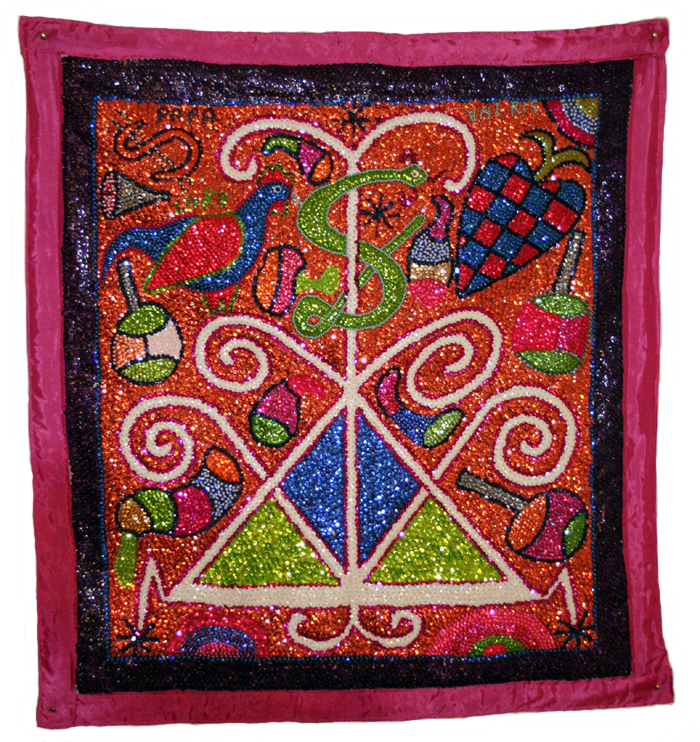 🇭🇹 Haiti and 2 moreHaitian VodouVodou
An Afro-Haitian religion blending West African traditions with Catholicism and FreemasonryTradition · Protection · Healing Living
🇭🇹 Haiti and 2 moreHaitian VodouVodou
An Afro-Haitian religion blending West African traditions with Catholicism and FreemasonryTradition · Protection · Healing Living