![Merlin dictating his prophecies to his scribe, Blaise; French 13th century minature from Robert de Boron's Merlin en prose (written ca 1200). (Manuscript illustration, c.1300.) [ 1 ]](https://upload.wikimedia.org/wikipedia/commons/4/46/Merlin_%28illustration_from_middle_ages%29.jpg)
Medieval European magic
from Latin magia, encompassing diverse concepts of supernatural influence
A broad category of ritual and natural practices in the Middle Ages, blending healing, divination, and religious belief.
Medieval European magic covered a wide range of activities, from herbal medicine to rituals invoking supernatural forces. It was practiced by people across all social levels, including clergy and commoners, and was viewed through both positive and negative lenses depending on the intent and context.
- Magic included herbal medicine and rituals invoking supernatural forces.
- Clergy and commoners alike practiced various forms of magic.
- Maleficium referred to harmful magic, punishable by law.
- Astrology guided medical and magical practices via zodiac links.
- Grimoires like the Key of Solomon claimed Solomonic origins.
What it is
Magic in the Middle Ages was not a single practice but a broad category that included many different activities. It ranged from what we now call natural sciences, like herbal medicine, to rituals meant to summon supernatural powers. The term carried both good and bad meanings. Some magic was seen as helpful, like healing or protection, while other forms were feared as harmful sorcery. People from all walks of life, including monks, priests, and ordinary households, engaged in these practices. There was no single agreed-upon definition, which made understanding the period's magical worldview complex.
Where it comes from
The roots of medieval magic lay in earlier traditions forbidden by Mosaic Law and condemned in Biblical texts. Christian thought often looked to figures like Simon Magus as a model of opposition to holy authority. Over time, magic became associated with the legendary King Solomon, leading to the creation of grimoires claiming his authorship, such as the Key of Solomon. In the early Middle Ages, the term itself was often used as a condemnation. By the later Middle Ages, specific words for harmful practitioners emerged in various languages, reflecting growing societal fears and legal distinctions between beneficial and malevolent acts.
How it is done
Practices varied widely depending on the type of magic. Learned magic relied on books and literate clergy, using rituals to call upon angels or demons. Common magic involved everyday people using charms, prayers, and herbal remedies. Divination methods included interpreting omens, astrology, and possibly tarot cards, though their exact use is unclear. Medical magic combined physical treatments, like drawing blood or using herbs, with verbal formulas and blessings. Astrology played a key role, with practitioners aligning actions with zodiac signs linked to body parts. Rituals could be simple, like wearing an amulet, or complex, involving specific chants and dances.
Tools and materials
Tools ranged from tangible objects to spoken words. Amulets and talismans were worn for protection or luck. Potions and herbal mixtures were prepared according to recipes in books like leechbooks and the Lacnunga. Verbal tools included prayers, blessings, and adjurations, which blurred the line between religious devotion and magical intent. Astrological charts and zodiac symbols guided timing and application. Specific items like straws inscribed with saint names were used in mixing medicines. Grimoires served as repositories of knowledge for learned practitioners, detailing rituals for angelic or demonic invocation.
Medieval European magic, drawn and placed
- Living
- Revived
- Fading
- Historical
- Legendary
- Performed
- Lineage
- European medieval tradition
- Timing
- during illness, for protection, or as part of scholarly study
What it is for
People sought magic for healing, protection, and foresight. Medical magic aimed to cure illnesses using herbs and spiritual support. Protective charms guarded against danger and misfortune. Divination helped individuals understand their fate or connect with spiritual entities. Harmful magic, or maleficium, was intended to cause injury or death, leading to severe social and legal consequences. Angelic magic sought divine knowledge or influence. The purpose often determined whether an act was accepted as holy or condemned as witchcraft. Intent was crucial; a failed healing might be viewed as malicious, highlighting the fragile boundary between help and harm.
Who does it
Practitioners included both learned clerics and common folk. Clerics used grimoires to perform angelic or demonic magic, relying on textual knowledge. Common healers and diviners, often called cunning folk, used traditional remedies and charms. Monks and priests sometimes engaged in magical practices, blurring religious and magical roles. Surgeons and physicians also incorporated magical elements into medical care. Women were often associated with harmful magic in later periods, reflected in terms like Hexe and bruja. The distinction between helper and harmful practitioner was often based on outcomes and societal perception rather than clear rules.
Peoples and places
Magic was widespread across Europe, with variations in practice and perception. Christians often suspected Jews and Muslims of engaging in harmful magic, leading to persecution. Within Christianity, rival groups accused each other of magical heresy. In Italy, astrological art adorned church walls, showing integration with religious spaces. Spain and other regions developed specific terms for witches, reflecting local cultural attitudes. Jewish Kabbalah divided into speculative and practical branches, influencing magical thought. The diversity of practices meant that what was considered magic in one area might be seen as religion or science in another, creating a complex tapestry of beliefs.
At a glance: who, where and when
Peoples
What people believe
Beliefs about magic were deeply intertwined with religion. The idea that demons taught magic seemed reasonable to those reading ancient texts. Divine right was believed to grant kings healing powers, seen as sacred magic. Astrology connected celestial movements to human health and fate. Charms and prayers were effective if they worked, regardless of their religious or magical classification. The boundary between holy and profane was fluid, with blessings and exorcisms sharing similar structures. Fear of demonic involvement shaped much of the negative view of magic.
When it is done
However, astrology played a significant role in timing, with zodiac signs linked to body parts guiding when treatments or rituals should be performed. Certain times might have been considered more auspicious for divination or healing, based on celestial alignments. Festivals and religious holidays likely provided contexts for communal magical acts, though specific days are not detailed. The cyclical nature of seasons and religious calendars would have influenced the timing of agricultural charms or protective rites, integrating magic into the rhythm of daily and liturgical life.
How scholars and sceptics see it
Modern scholars debate how to classify medieval magic, distinguishing between common folk magic and learned ritual magic. Historians note the broad and encompassing nature of the term during the Middle Ages. Anthropologists and historians examine how magic was perceived differently by various groups, including Christians, Jews, and Muslims. Scholars analyze grimoires and medical texts to understand the blend of science and superstition. The work of figures like Michael D. Bailey highlights the complexity of defining magic in this era. Research continues to explore the archaeological evidence of home rituals and the social dynamics of accusation and persecution.
Cautions and what is closed
Harmful magic, or maleficium, was strictly punished, leading to accusations and trials. Suspicions often fell on religious minorities, resulting in massacres and persecution. Accusations of witchcraft could arise from failed healings or unexplained misfortunes. The fear of demonic involvement fueled harsh penalties and social exclusion. Fraudulent healers or psychics may have exploited beliefs for gain, though specific cases are not detailed. The line between helpful and harmful magic was often subjective, making individuals vulnerable to accusation. Persecution intensified in the later Middle Ages, with specific terms for witches emerging in various languages, reflecting growing societal anxiety.
Compare and confuse
Medieval magic is often confused with modern witchcraft or fantasy depictions. It differs significantly from contemporary views of magic as purely entertainment or evil. Practices like astrology and herbalism were integrated into mainstream science and religion at the time. Angelic magic shares similarities with later ceremonial magic traditions. The concept of maleficium relates to modern ideas of black magic, but with distinct historical and legal contexts. Cunning folk magic parallels modern folk healing practices, though embedded in a different worldview. Understanding medieval magic requires separating it from later stereotypes and recognizing its diverse, often benign, applications.
Questions people ask about Medieval European magic
What was medieval European magic?
It was a broad category of practices ranging from herbal medicine to rituals calling upon supernatural forces, practiced by people across all social levels in the Middle Ages.
Who practiced magic in medieval Europe?
Monks, priests, physicians, surgeons, midwives, folk healers, diviners, and ordinary householders all engaged in magical practices, blurring the lines between religion and magic.
Was all magic considered evil?
No. Magic had both positive and negative connotations. Healing and protection were often seen as helpful, while harmful intent, known as maleficium, was condemned and punished.
How did astrology fit into medieval magic?
Astrology was integral, with zodiac signs linked to body parts guiding the timing and application of medical and magical treatments, as seen in artworks like those at San Miniato al Monte.
Good reading and sources
The facts on this page come from the Wikipedia article "Medieval European magic", written by its contributors and used under the CC BY-SA 4.0 licence, and from its Wikidata record (CC0). EveryJaadu rewrote the text in its own words, with AI assistance, and compares every page with the article to make sure no passage is copied. It may be reused under the same CC BY-SA 4.0 licence with a link back.
It may contain mistakes. Names and customs differ from one community to the next, and some knowledge is closed to outsiders and left out here. This page describes belief and practice. It does not say that any of it works, it is not a how-to, and it is not medical advice. If something is wrong, tell us. Last refreshed 2026-10-06.
More from Italy
All the entries from Italy 🇩🇪 Germany and 5 moreWitch trials in the Holy Roman Empire
A wave of executions across Central Europe between the fifteenth and eighteenth centuries.Belief · Cursing and harm Historical
🇩🇪 Germany and 5 moreWitch trials in the Holy Roman Empire
A wave of executions across Central Europe between the fifteenth and eighteenth centuries.Belief · Cursing and harm Historical
 🇫🇷 France and 1 moreNostradamus
A French astrologer and physician known for a book of poetic propheciesText · Seeing and foretelling · Power and authority Historical
🇫🇷 France and 1 moreNostradamus
A French astrologer and physician known for a book of poetic propheciesText · Seeing and foretelling · Power and authority Historical
 🇮🇹 Italy and 5 moreTarottarocchi
A set of playing cards used for games and divinationTradition · Seeing and foretelling · Luck and prosperity Living
🇮🇹 Italy and 5 moreTarottarocchi
A set of playing cards used for games and divinationTradition · Seeing and foretelling · Luck and prosperity Living
 🇬🇷 Greece and 5 moreBay Laurelδάφνη
An aromatic Mediterranean plant used in cooking and as a symbol of victory and purification.Substance · Protection · Cleansing and purification Living
🇬🇷 Greece and 5 moreBay Laurelδάφνη
An aromatic Mediterranean plant used in cooking and as a symbol of victory and purification.Substance · Protection · Cleansing and purification Living
Related elsewhere
All tradition 🇸🇸 South Sudan and 1 moreAzande witchcraft
A Zande belief that certain people harm others by an inherited power, judged by oraclesBelief · Cursing and harm · Seeing and foretelling Living
🇸🇸 South Sudan and 1 moreAzande witchcraft
A Zande belief that certain people harm others by an inherited power, judged by oraclesBelief · Cursing and harm · Seeing and foretelling Living
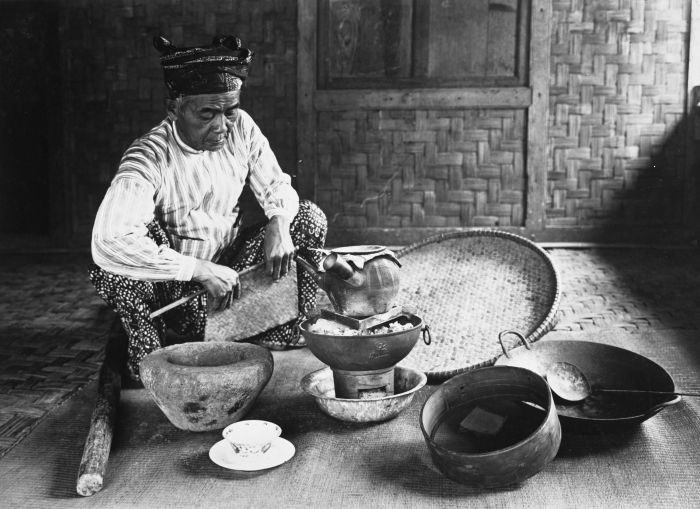 🇮🇩 Indonesia and 2 moreDukun
A traditional healer and spirit medium in Indonesian folk practiceTradition · Healing · Seeing and foretelling Living
🇮🇩 Indonesia and 2 moreDukun
A traditional healer and spirit medium in Indonesian folk practiceTradition · Healing · Seeing and foretelling Living
 🇨🇬 Republic of the CongoNkisi
Spirit containers and power figures from the Congo Basin used for justice and healingCharm · Protection · Healing Living
🇨🇬 Republic of the CongoNkisi
Spirit containers and power figures from the Congo Basin used for justice and healingCharm · Protection · Healing Living
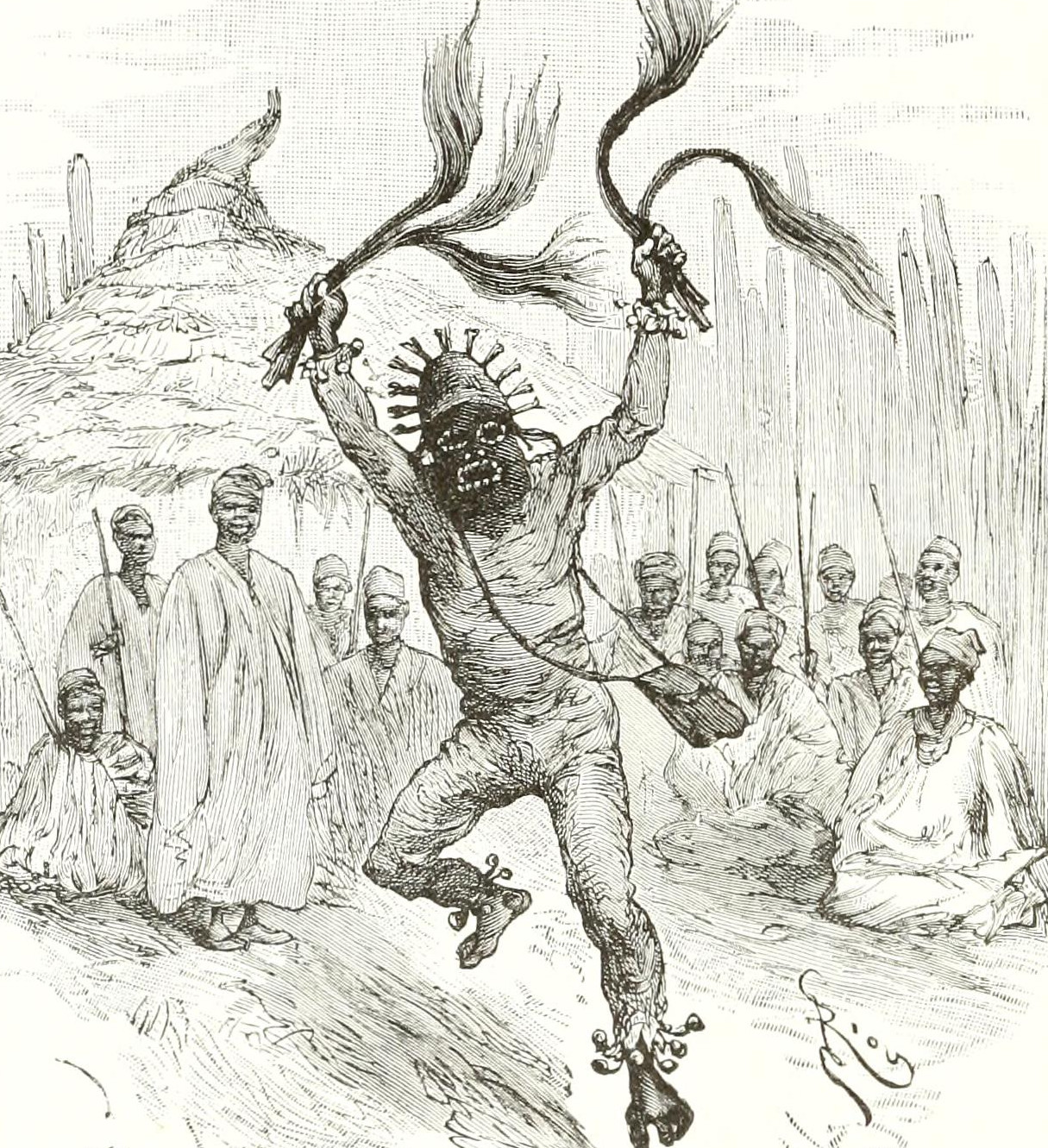 🇺🇸 United States and 2 moreLouisiana Voodoo
An African diasporic religion practiced in Louisiana from the 18th to early 20th centuriesTradition · Healing · Protection Historical
🇺🇸 United States and 2 moreLouisiana Voodoo
An African diasporic religion practiced in Louisiana from the 18th to early 20th centuriesTradition · Healing · Protection Historical