Samhain
from Old Irish Samain, possibly meaning 'reunion' or 'assembly'
A Gaelic festival marking the end of harvest and the start of winter, observed on November 1st.
Samhain is a Gaelic festival originating in Ireland that marks the transition from autumn to winter. It is celebrated by modern pagans and historically by Gaels as a time when the boundary between the living world and the Otherworld was believed to blur.
- Samhain marks the end of harvest and start of winter on November 1.
- Bonfires were lit for protection and cleansing during the festival.
- Guising involved costumes and verse-reciting for food.
- Divination with nuts and apples predicted future marriages.
- Neolithic tombs align with sunrise around Samhain time.
What it is
Samhain is a Gaelic festival held on November 1, marking the end of the harvest season and the beginning of winter. Historically observed by the Gaels of Ireland, Scotland, and the Isle of Man, it is also the name for the month of November in Irish and Scottish Gaelic. The celebrations begin at sunset on October 31, following the Celtic custom of counting days from dusk to dusk. In modern times, it is widely recognized by neopagans and wiccans as a significant religious holiday, often associated with the themes of death, rebirth, and the honoring of ancestors.
Where it comes from
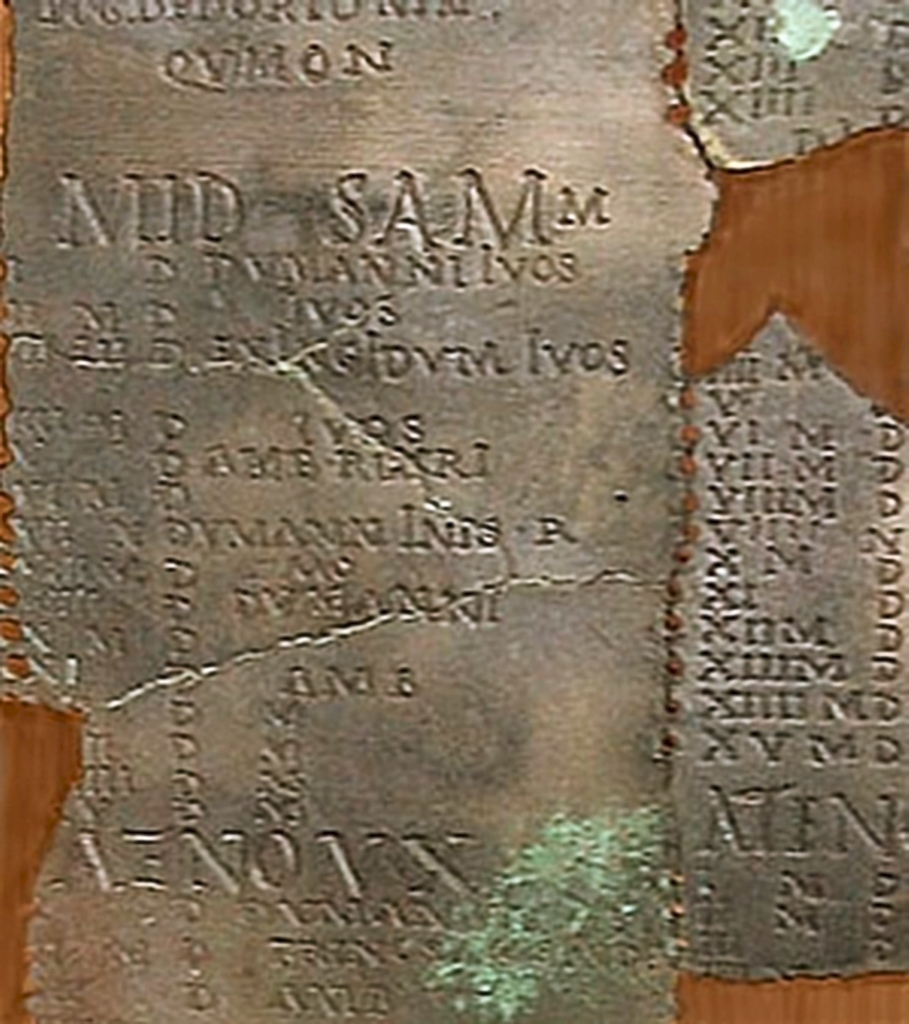
The festival has roots in ancient Celtic pagan traditions and is one of four major seasonal festivals in Gaelic culture. Evidence suggests its significance dates back to the Neolithic era, with passage tombs like the Mound of the Hostages aligned with the sunrise during this period. While traditionally linked to pastoral cycles and the return of cattle from summer pastures, some scholars dispute the idea that it marked the Celtic New Year. The festival's early literary mentions appear in 9th-century Irish texts, connecting it to mythological events and the opening of burial mounds as portals to the Otherworld.
How it is done
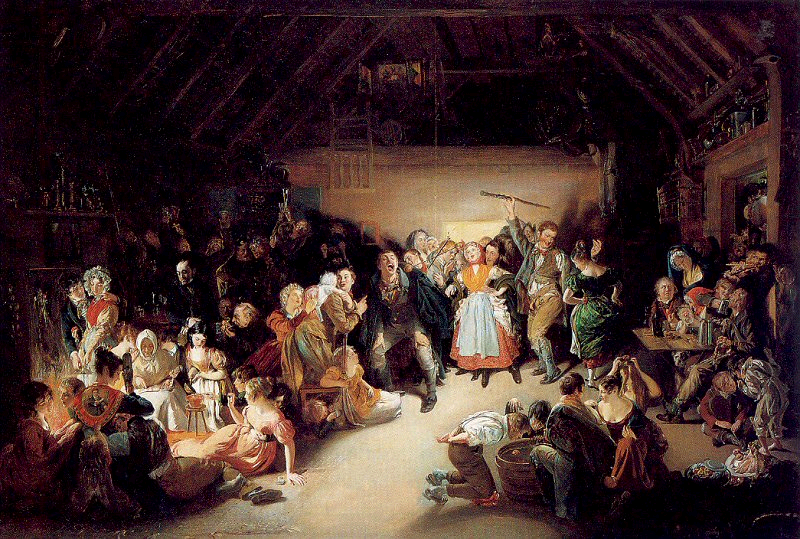
Celebrations involved large gatherings, feasting, and the lighting of special bonfires, which were believed to possess protective and cleansing powers. People would engage in guising, going door-to-door in costume and reciting verses for food, a practice thought to help disguise them from spirits. Divination rituals using nuts and apples were common, particularly for young people seeking insight into their future marriages. Offerings of food and drink were left out to appease the aos sí and honor the souls of deceased relatives, who were believed to visit their homes during this liminal time.
Tools and materials
Bonfires served as central focal points for community gathering and ritual purification. Nuts and apples were used in divination games to predict fate and marriage prospects. Costumes and masks were worn during guising to mimic or hide from supernatural entities. The setting of an extra place at the dinner table served as a tool for hospitality toward visiting ancestral spirits. These items facilitated the connection between the physical world and the spiritual realm during the festival.
Samhain, drawn and placed
- Living
- Revived
- Fading
- Historical
- Legendary
- Performed
- Lineage
- Celtic pagan tradition
- Timing
- evening of October 31 to November 1
What it is for
The primary intent of Samhain was to ensure survival through the harsh winter months by appeasing supernatural forces. Offerings were made to the aos sí to prevent mischief and harm. The festival also served to honor and commune with the dead, acknowledging their continued presence in family life. Additionally, it functioned as a time for legal and social order, where new laws could be ordained and disputes settled during the great gatherings hosted by kings.
Who does it
Historically, the festival was a communal event involving entire households and communities, led by local chieftains or kings who hosted feasts and legal proceedings. Modern practitioners include neopagans, wiccans, and druids who observe it as a sacred time. Folklorists and historians study the customs and myths associated with the festival to understand ancient Celtic beliefs. The role of the practitioner shifts from active participant in ancient rituals to observer or scholar in contemporary academic contexts.
Peoples and places
Samhain originated in Ireland and spread to Scotland and the Isle of Man among Gaelic-speaking peoples. Its Brittonic Celtic equivalent, Calan Gaeaf, is observed in Wales. The festival's influence extended to other cultures through migration and cultural exchange, contributing to modern Halloween traditions in America via Irish and Scottish immigrants. Different regions developed unique variations, such as the Galician Samaín, though its etymology differs from the Gaelic term.
At a glance: who, where and when
Belief worlds


What people believe
Central to Samhain is the belief that the boundary between the world of the living and the Otherworld becomes thin. This allowed souls of the dead and supernatural beings like the aos sí to cross over. The festival was seen as a time when the dead could receive hospitality and offerings. Myths describe portals opening in burial mounds and fairy hills, allowing entities to enter the human world. This liminal state required careful ritual behavior to maintain harmony between the two realms.
When it is done
Samhain occurs annually on November 1, with celebrations starting at sunset on October 31. It marks the midpoint between the autumn equinox and the winter solstice in the Celtic calendar. The festival coincides with the Christian holidays of All Saints' Day and All Souls' Day, leading to a blending of traditions. In the Southern Hemisphere, some neopagans observe it on May 1 to align with their seasonal cycle.
How scholars and sceptics see it
Scholars view Samhain as a remnant of ancient pagan deities and seasonal rituals. Linguists debate its etymology, with theories ranging from 'summer' to 'assembly'. Anthropologists note its connection to pastoral transhumance and the social functions of feasting and law-making. Some researchers suggest that mythological tales of sacrifice may reflect historical practices or serve as allegorical explanations for natural cycles and social order.
Cautions and what is closed
Mythological tales describe dangers associated with the thinning veil, including encounters with hostile spirits and supernatural beings. Historical accounts mention sacrifices, though their literal interpretation is debated by scholars. Modern observers are cautioned against appropriating sacred traditions without understanding their cultural context. The festival's association with death and the spirit world requires respectful engagement to avoid offense or misunderstanding.
Compare and confuse
Samhain is often compared to Halloween, which evolved from its customs through Christianization and immigration. It shares themes with other Celtic festivals like Calan Gaeaf in Wales and similar autumnal celebrations across Europe. The festival's focus on ancestors and the dead parallels traditions like the Day of the Dead and Dziady. Unlike purely secular Halloween, Samhain retains its spiritual and religious significance for many practitioners.
Rites that involve Samhain
Days linked to Samhain
Questions people ask about Samhain
What is Samhain?
Samhain is a Gaelic festival held on November 1, marking the end of the harvest season and the beginning of winter. It originates from Ireland and is celebrated by modern pagans and historically by Gaels.
When is Samhain celebrated?
Samhain is celebrated on November 1, with festivities beginning at sunset on October 31. This follows the Celtic tradition of counting days from dusk to dusk.
Why is Samhain important?
It is important because it marks a seasonal transition and a time when the boundary between the living world and the Otherworld is believed to blur, allowing communication with ancestors and spirits.
How do people celebrate Samhain today?
Modern neopagans and wiccans observe it as a religious holiday. Traditional elements like bonfires, guising, and divination are sometimes incorporated into contemporary celebrations.
Good reading and sources
- Samhain on WikipediaEncyclopedia
- More photos on Wikimedia CommonsPhotos and video
- Wikidata recordOpen data
The facts on this page come from the Wikipedia article "Samhain", written by its contributors and used under the CC BY-SA 4.0 licence, and from its Wikidata record (CC0). EveryJaadu rewrote the text in its own words, with AI assistance, and compares every page with the article to make sure no passage is copied. It may be reused under the same CC BY-SA 4.0 licence with a link back.
It may contain mistakes. Names and customs differ from one community to the next, and some knowledge is closed to outsiders and left out here. This page describes belief and practice. It does not say that any of it works, it is not a how-to, and it is not medical advice. If something is wrong, tell us. Last refreshed 2026-10-05.
More from Ireland
All the entries from Ireland 🇮🇪 Ireland and 1 moreBeltaneBealtaine
A Gaelic festival marking the start of summer with protective bonfires and livestock ritualsTradition · Protection · Luck and prosperity Revived
🇮🇪 Ireland and 1 moreBeltaneBealtaine
A Gaelic festival marking the start of summer with protective bonfires and livestock ritualsTradition · Protection · Luck and prosperity Revived
 🇬🇧 United Kingdom and 4 moreCorn dolly
A woven straw figure made from the last sheaf of a European harvest to house the crop spirit.Tradition · Protection · Speaking with spirits and the dead Revived
🇬🇧 United Kingdom and 4 moreCorn dolly
A woven straw figure made from the last sheaf of a European harvest to house the crop spirit.Tradition · Protection · Speaking with spirits and the dead Revived
 🇮🇪 Ireland and 5 moreCairn
A human-made stack of stones used as a marker, memorial, or religious symbol across many cultures.Tradition · Protection · Speaking with spirits and the dead Living
🇮🇪 Ireland and 5 moreCairn
A human-made stack of stones used as a marker, memorial, or religious symbol across many cultures.Tradition · Protection · Speaking with spirits and the dead Living
 🇬🇧 United Kingdom and 4 moreCunning folk
European practitioners of folk medicine and helpful magic from the Middle Ages to the twentieth centuryTradition · Protection · Healing Historical
🇬🇧 United Kingdom and 4 moreCunning folk
European practitioners of folk medicine and helpful magic from the Middle Ages to the twentieth centuryTradition · Protection · Healing Historical
Related elsewhere
All tradition 🇮🇳 India and 1 moreNavagrahaनवग्रह
A group of nine celestial deities in Hinduism that govern fate and astrologyTradition · Protection · Luck and prosperity Living
🇳🇿 New ZealandKarakia
Māori recitations used for spiritual guidance, protection, and formal greetingsTradition · Protection · Speaking with spirits and the dead Living
🇮🇳 India and 1 moreNavagrahaनवग्रह
A group of nine celestial deities in Hinduism that govern fate and astrologyTradition · Protection · Luck and prosperity Living
🇳🇿 New ZealandKarakia
Māori recitations used for spiritual guidance, protection, and formal greetingsTradition · Protection · Speaking with spirits and the dead Living
 🇮🇳 IndiaBhuta KolaBhūta Kōla
A Tulu folk dance and ritual where spirits are channelled into human performersTradition · Protection · Speaking with spirits and the dead Living
🇮🇳 IndiaBhuta KolaBhūta Kōla
A Tulu folk dance and ritual where spirits are channelled into human performersTradition · Protection · Speaking with spirits and the dead Living