
Finnish mythology is the body of folklore from the pre-Christian beliefs of the Finns and Karelians. It survived in oral poetry until the nineteenth century and shares roots with Estonian and Baltic traditions. The system includes a complex pantheon of sky gods, forest spirits, and underworld deities.
- The bear was sacred and never named directly
- World formed from a bird's egg in the Kalevala
- Shamans traveled to the underworld Tuonela
- Ukko was the sky god and thunder deity
- Preserved in oral poetry until the 19th century
What it is
Finnish mythology encompasses the pre-Christian folklore of the Finns and Karelians. It features a rich cosmology where the world formed from a bird's egg. The sky rotates around the North Star, and souls travel to Tuonela, the land of the dead. The bear stands as the most sacred animal, representing forefathers rather than serving as a deity. Spirits inhabit nature, guarding treasures, plants, and water sources. This belief system operated alongside later Christian influences, creating a layered folk religion preserved through song and story.
Where it comes from
Mikael Agricola first recorded these beliefs in 1551, listing deities for Häme and Karelia. Scholars initially treated his lists as factual records of gods. Later analysis revealed many entries were local guardian spirits or cultural heroes. Cristfried Ganander published the first scholarly study in 1789. Nineteenth-century researchers like Elias Lönnrot collected extensive oral poetry. They documented the work of tietäjät, traditional ritual specialists who sang runo poems. These collections allowed modern understanding of the pre-Christian worldview.
How it is done
Shamans entered trance states to visit Tuonela. They crossed the dark river to seek guidance from forefathers. Boats appeared for those with valid reasons to travel. Shamans often had to trick guards by pretending to be dead. Rituals involved specific taboos, such as avoiding the real name of the bear. Hunters used circumlocutions like 'mead-paw' to show respect. Wooden bird figures protected sleeping individuals from soul loss. Bear feasts honored the spirit after death, convincing it the killing was accidental.
Tools and materials
Stone axes held supernatural power and were collected by shamans. They were believed to be weapons left by lightning strikes. Wooden bird figures served as protective charms during sleep. Väinämöinen wielded a magic kantele made from pike jaws and hair. He also used a sword that shone like the sun. The Sampo artifact brought fortune by producing flour, salt, and gold. These items connected the physical world to spiritual forces.
Finnish mythology, drawn and placed
- Living
- Revived
- Fading
- Historical
- Legendary
- Performed
- Lineage
- Finnic mythologies
What it is for
Practitioners sought protection from soul loss and guidance from ancestors. The bear rituals ensured successful hunts and honored the dead. Shamans traveled to the underworld for knowledge and aid. Nature spirits required appeasement to maintain balance. The Sampo provided prosperity for its holder. Beliefs explained natural phenomena like the Milky Way and lunar cycles. Community cohesion relied on shared stories and respectful interaction with the spirit world.
Who does it
Tietäjät served as traditional ritual specialists and poem singers. Shamans performed dangerous journeys to Tuonela. Scholars studied the oral traditions and compiled them into texts. Modern practitioners form a small percentage of the population. Historically, hunters observed strict taboos regarding sacred animals. Women who died as virgins were associated with specific places like Kyöpelinvuori. The role of the practitioner depended on the specific ritual or belief context.
Peoples and places
The Finns and Karelians are the primary cultures associated with this mythology. It shares significant features with Estonian and other Finnic mythologies. Neighboring Baltic and Slavic traditions also show parallels. To a lesser extent, connections exist with Norse mythology. The Kalevala serves as a central text for Finnish national identity. Estonian mythology remains closely related but distinct. Regional variations existed between areas like Häme and Karelia.
At a glance: who, where and when

What people believe
The cosmos originated from a pochard's eggs in the Kalevala. Other traditions mention swallows, loons, or giant eagles. The sky acts as a dome or tent supported by a column at the North Pole. Stars rotate around this pole, creating a whirl for souls to exit. Earth is flat, bordered by Lintukoto, a warm winter home for birds. Ukko rules the sky and weather using a hammer or axe. Ilmarinen forged the stars and the Sampo mill. Spirits like Aarni guard treasure, while Ajatar represents evil forests.
When it is done
Bear feasts occurred after the killing of a sacred animal. Witches were said to meet at Kyöpelinvuori during Easter. Lunar cycles influenced beliefs about air spirits and fertility. Seasonal changes marked the migration of birds to Lintukoto. Life events like birth and death involved interactions with soul-birds. The calendar reflected agricultural rhythms and hunting seasons. Specific days held significance for interacting with the spirit world.
How scholars and sceptics see it
Agricola's lists were long accepted as historical fact. Late eighteenth-century scholars began critical re-examination. They identified many figures as local spirits rather than gods. Nineteenth-century research intensified with fieldwork across Finland. Lönnrot edited the Kalevala from collected folk poetry. Modern scholars analyze the cosmology and comparative mythology. Studies explore the relationship between Finno-Ugric and Indo-European myths. Academic work continues to refine understanding of the oral tradition.
Cautions and what is closed
Shamans faced risks when traveling to Tuonela. They had to navigate dark rivers and deceive guardians. Incorrect rituals could anger powerful spirits. The bear taboo required careful speech to avoid misfortune. Modern revival groups must navigate sensitive cultural heritage issues. Some beliefs involve dangerous entities like Ajatar. Historical persecution of pagan practices affected transmission. Outsiders may not fully grasp the nuances of closed knowledge.
Compare and confuse
Finnish mythology shares elements with Estonian and Baltic traditions. Ukko relates to the Estonian god Taara. The concept of Tuonela resembles other underworlds. The Sampo has parallels in other mythological artifacts. Bear worship appears in various northern European cultures. The Kalevala differs from Norse Eddas in structure and focus. Comparative studies highlight shared Finno-Ugric roots.
Questions people ask about Finnish mythology
What is Finnish mythology?
It is the pre-Christian folklore of the Finns and Karelians. It features spirits, gods, and a unique cosmology. The beliefs survived in oral poetry until the nineteenth century.
Where does it come from?
It originates from the Finno-Ugric cultures of Finland and Karelia. It shares roots with Estonian and Baltic traditions. Oral poets preserved the stories through generations.
Who are the main deities?
Ukko rules the sky and weather. Ilmarinen forged the stars. Tapio guards the forest. Many spirits inhabit nature, protecting resources and people.
What is Tuonela?
Tuonela is the land of the dead. It is a dark, lifeless place underground. Shamans could visit it in trance to seek ancestral guidance.
Good reading and sources
The facts on this page come from the Wikipedia article "Finnish mythology", written by its contributors and used under the CC BY-SA 4.0 licence, and from its Wikidata record (CC0). EveryJaadu rewrote the text in its own words, with AI assistance, and compares every page with the article to make sure no passage is copied. It may be reused under the same CC BY-SA 4.0 licence with a link back.
It may contain mistakes. Names and customs differ from one community to the next, and some knowledge is closed to outsiders and left out here. This page describes belief and practice. It does not say that any of it works, it is not a how-to, and it is not medical advice. If something is wrong, tell us. Last refreshed 2026-10-05.
More from Finland
All the entries from Finland 🇺🇸 United States and 7 moreSatanic panic
A moral panic over unsubstantiated claims of Satanic cults abusing children in the late twentieth centuryBelief · Cursing and harm Historical
🇺🇸 United States and 7 moreSatanic panic
A moral panic over unsubstantiated claims of Satanic cults abusing children in the late twentieth centuryBelief · Cursing and harm Historical
 🇪🇪 Estonia and 1 moreEstonian mythologyeesti mütoloogia
The pre-Christian beliefs and legends of the Estonian peopleTradition · Protection · Speaking with spirits and the dead Historical
🇪🇪 Estonia and 1 moreEstonian mythologyeesti mütoloogia
The pre-Christian beliefs and legends of the Estonian peopleTradition · Protection · Speaking with spirits and the dead Historical
 🇺🇸 United States and 5 moreFriday the 13th
A Western superstition marking a specific calendar date as unlucky.Belief · Luck and prosperity Living
🇺🇸 United States and 5 moreFriday the 13th
A Western superstition marking a specific calendar date as unlucky.Belief · Luck and prosperity Living
 🇹🇷 Turkey and 5 moreEvil eye
A curse believed to be cast by a jealous glare and the charms used to stop itBelief · Protection Living
🇹🇷 Turkey and 5 moreEvil eye
A curse believed to be cast by a jealous glare and the charms used to stop itBelief · Protection Living
Related elsewhere
All tradition 🇪🇸 Spain and 5 moreSt John's Eve
A Christian vigil marked by bonfires and plant gathering on the summer solstice eveRite · Protection · Speaking with spirits and the dead Living
🇪🇸 Spain and 5 moreSt John's Eve
A Christian vigil marked by bonfires and plant gathering on the summer solstice eveRite · Protection · Speaking with spirits and the dead Living
 🇮🇳 India and 2 moreHomaहोम
A fire ritual found across Asian religions where offerings are burned as a votive exchange with the divine.Rite · Protection · Speaking with spirits and the dead Living
🇮🇳 India and 2 moreHomaहोम
A fire ritual found across Asian religions where offerings are burned as a votive exchange with the divine.Rite · Protection · Speaking with spirits and the dead Living
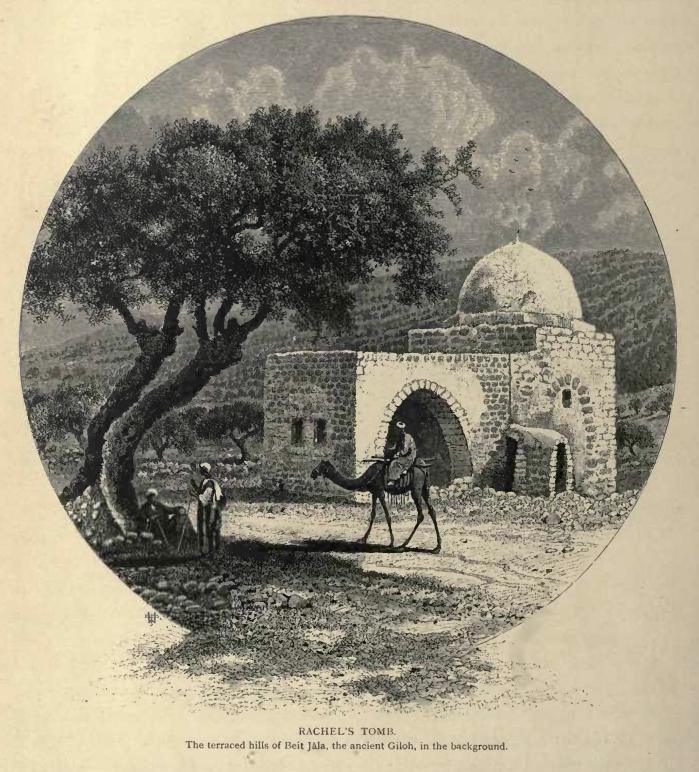 🇵🇸 Palestine and 1 moreRachel's TombQever Raḥel; Qabr Rāḥīl
A shared holy site near Bethlehem revered by Jews, Christians, and MuslimsTradition · Speaking with spirits and the dead · Protection Living
🇳🇿 New ZealandKarakia
Māori recitations used for spiritual guidance, protection, and formal greetingsTradition · Protection · Speaking with spirits and the dead Living
🇵🇸 Palestine and 1 moreRachel's TombQever Raḥel; Qabr Rāḥīl
A shared holy site near Bethlehem revered by Jews, Christians, and MuslimsTradition · Speaking with spirits and the dead · Protection Living
🇳🇿 New ZealandKarakia
Māori recitations used for spiritual guidance, protection, and formal greetingsTradition · Protection · Speaking with spirits and the dead Living