
Oomancy
from Greek oon (egg) and manteia (divination)
Divination by eggs, reading shapes and signs to foresee events or diagnose spiritual states
Oomancy is a form of divination that uses eggs to reveal the future, diagnose illness, or cleanse negative energy. Practiced in ancient Greece, Rome, and various folk traditions across Europe and the Americas, it involves interpreting the forms egg whites take in water or the patterns on cracked shells.
- Derived from Greek words for egg and divination
- Used in ancient Greece and Rome to predict weddings or danger
- Egg whites dropped in hot water reveal shapes interpreted as omens
- Rolling eggs over bodies removes negative energy in folk healing
- Mary Bateman faked prophetic eggs with acid in 1806
What it is
Oomancy is a method of divination centered on the use of eggs. Practitioners interpret the physical changes an egg undergoes to gain insight into future events, health conditions, or spiritual states. The practice appears in various cultures, from ancient Mediterranean societies to modern occult groups. It relies on the belief that eggs can absorb or reflect hidden truths about a person's life or environment.
Where it comes from
The term derives from Greek words meaning egg and divination. Ancient Greeks and Romans used it to predict outcomes, such as weddings or dangers, by watching egg whites solidify in hot water. Some traditions also attribute its use to ancient Druids in Scotland. The practice spread through Europe and later to the Americas via folk traditions and diaspora communities.
How it is done
Common methods include dropping separated egg white into hot water and reading the resulting shapes. Another technique involves rolling an uncooked egg over a pregnant woman’s belly, then cracking it to count yolks for predicting twins or triplets. Eggs may also be hard-boiled with symbols written on them and rolled down a slope to reveal answers. In cleansing rituals, the egg is rubbed over the body before being cracked into water for interpretation.
Tools and materials
The primary tool is the chicken egg. Practitioners often use clear glass bowls or saucers filled with water to observe the egg whites. Mirrors, sometimes called Venus glasses, were historically paired with eggs in New England for fortune-telling games. Hard-boiled eggs serve as tools for symbolic readings when marked with questions or answers.
Oomancy, drawn and placed
- Living
- Revived
- Fading
- Historical
- Legendary
- Performed
- Lineage
- Folk divination traditions
- Timing
- during pregnancy, for health diagnosis, or daily fortune telling
What it is for
People use oomancy to foresee marriage, danger, or the gender of unborn children. It is also employed to diagnose illnesses or remove negative energies like the evil eye. Clients seek these readings for reassurance about health, fertility, or spiritual balance. The practice serves both as a predictive tool and a ritual for purification.
Who does it
Oomancy is typically performed by household members, folk healers, or diviners. In historical contexts, young girls in Salem Village played at reading omens using eggs. Modern practitioners include those in Wicca, paganism, and Latin American folk traditions. Training is often informal, passed down through family or community practice rather than formal institutions.
Peoples and places
The practice has roots in Greece and Rome, with claims of Druidic use in Scotland and Norse traditions involving blown egg whites. In the Americas, it appears in Hoodoo and Latin American folk medicine, where it addresses the evil eye and brujeria. South and Southeast Asian traditions also involve throwing eggs to read impact shapes. Each culture adapts the method to local beliefs about health and fate.
At a glance: who, where and when
What people believe
Practitioners believe eggs act as conduits for spiritual information. The shapes formed in water are seen as messages from the divine or subconscious. Blood spots in yolks are interpreted as warnings of miscarriage. The absorption of negative energy during rubbing is thought to transfer harm to the egg, which is then revealed upon cracking. These beliefs link physical objects to unseen forces.
When it is done
Readings occur during specific life events, particularly pregnancy, to determine fetal health or gender. They are also performed during crises, such as suspected illness or spiritual affliction. Daily fortune-telling uses eggs to ask about future marriages or professions. The timing depends on the question, with no fixed calendar festivals associated with the practice.
How scholars and sceptics see it
Historians note oomancy’s presence in classical antiquity and its persistence in folk traditions. Scholars have examined cases like Mary Bateman’s “Prophet Hen” hoax, where acid-written eggs were fraudulently presented as divine signs. Anthropologists study how the practice functions within healing rituals in Latin America and Hoodoo, viewing it as a cultural expression of health and protection rather than literal magic.
Cautions and what is closed
Fraudulent practices have occurred, such as Mary Bateman’s forged prophetic eggs. Misinterpretation of egg signs can cause anxiety, especially regarding pregnancy complications. There is no medical evidence supporting egg divination for diagnosing illness or predicting birth outcomes. Practitioners rely on symbolic interpretation rather than clinical diagnosis.
Compare and confuse
Oomancy resembles molten lead divination, where shapes in cooling metal are read for omens. It shares themes with tasseomancy (tea-leaf reading), another form of scrying. Unlike card-based systems, oomancy uses organic materials. It is distinct from stage magic, as it is practiced sincerely within folk and occult contexts rather than as entertainment.
Questions people ask about Oomancy
What is oomancy?
Oomancy is a divination method using eggs to predict the future, diagnose health issues, or cleanse negative energy. It involves interpreting shapes formed by egg whites in water or patterns on cracked shells.
Where does oomancy come from?
It originates in ancient Greece and Rome, with the name derived from Greek words for egg and divination. It later spread to other regions, including Scotland, Scandinavia, and the Americas through folk traditions.
How is oomancy performed?
Common methods include dropping egg white into hot water to read shapes, rolling an egg over a pregnant woman’s belly to count yolks, or hard-boiling eggs with symbols to roll down a slope for answers.
Is oomancy used for healing?
Yes, in folk traditions, eggs are rubbed over the body to absorb negative energy or the evil eye. The egg is then cracked into water to interpret whether the negativity has been removed.
Good reading and sources
The facts on this page come from the Wikipedia article "Oomancy", written by its contributors and used under the CC BY-SA 4.0 licence, and from its Wikidata record (CC0). EveryJaadu rewrote the text in its own words, with AI assistance, and compares every page with the article to make sure no passage is copied. It may be reused under the same CC BY-SA 4.0 licence with a link back.
It may contain mistakes. Names and customs differ from one community to the next, and some knowledge is closed to outsiders and left out here. This page describes belief and practice. It does not say that any of it works, it is not a how-to, and it is not medical advice. If something is wrong, tell us. Last refreshed 2026-10-06.
More from Greece
All the entries from Greece 🇬🇷 Greece and 2 moreAstragalomancy
Divination by casting marked bones, carved rods, or numbered diceOracle · Seeing and foretelling · Speaking with spirits and the dead Living
🇬🇷 Greece and 2 moreAstragalomancy
Divination by casting marked bones, carved rods, or numbered diceOracle · Seeing and foretelling · Speaking with spirits and the dead Living
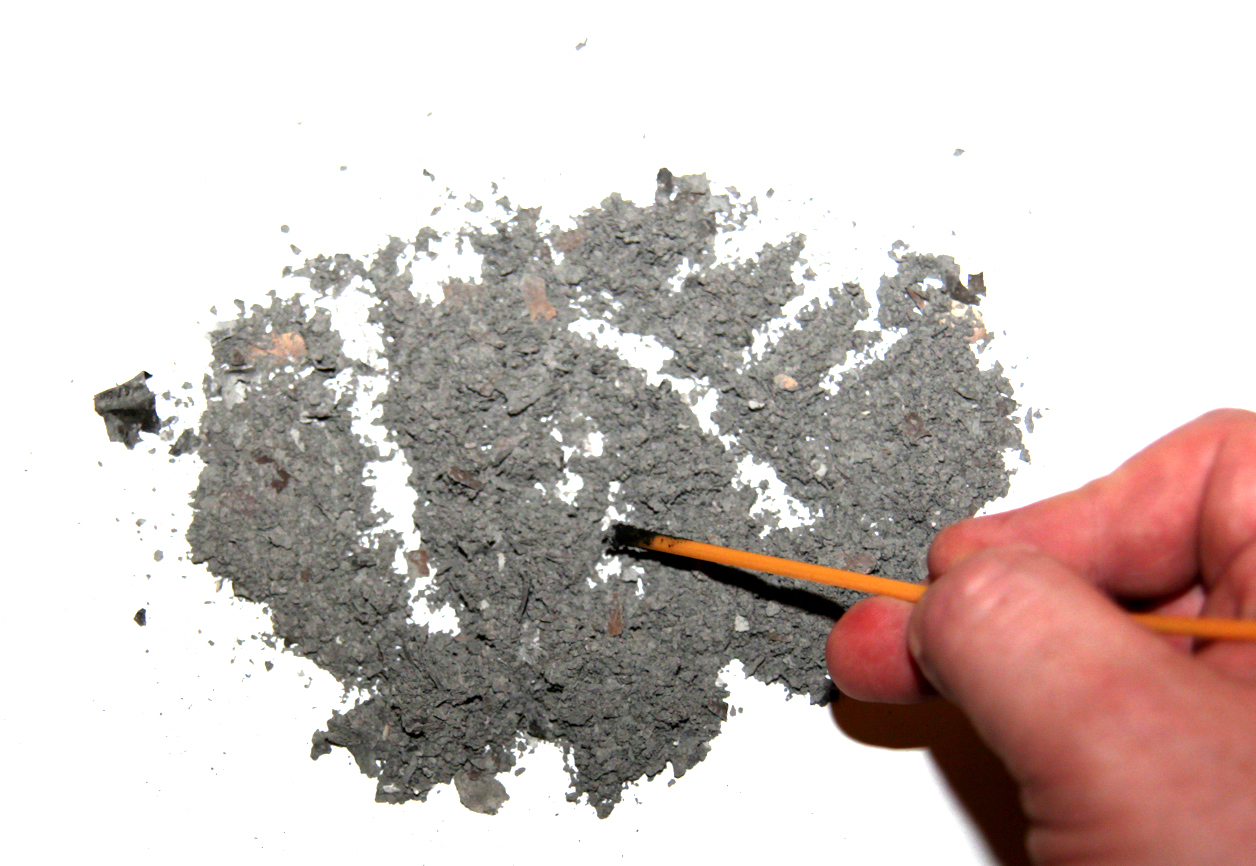 🇬🇷 Greece and 5 moreSpodomancy
Divination by reading omens in ashes, soot, and cindersOracle · Seeing and foretelling · Healing Living
🇬🇷 Greece and 5 moreSpodomancy
Divination by reading omens in ashes, soot, and cindersOracle · Seeing and foretelling · Healing Living
 🇬🇷 GreeceCoscinomancy
A divination method using a sieve and shears to reveal guilt or answer questions.Oracle · Seeing and foretelling Historical
🇬🇷 GreeceCoscinomancy
A divination method using a sieve and shears to reveal guilt or answer questions.Oracle · Seeing and foretelling Historical
 🇬🇷 Greece and 1 moreHydromancy
Divination using water to reveal the future or judge legitimacy.Oracle · Seeing and foretelling · Luck and prosperity Historical
🇬🇷 Greece and 1 moreHydromancy
Divination using water to reveal the future or judge legitimacy.Oracle · Seeing and foretelling · Luck and prosperity Historical
Related elsewhere
All oracle 🇨🇺 Cuba and 2 moreSanteríaRegla de Ocha
An Afro-Cuban religion blending Yoruba beliefs with Catholicism and SpiritismTradition · Protection · Healing Living
🇨🇺 Cuba and 2 moreSanteríaRegla de Ocha
An Afro-Cuban religion blending Yoruba beliefs with Catholicism and SpiritismTradition · Protection · Healing Living
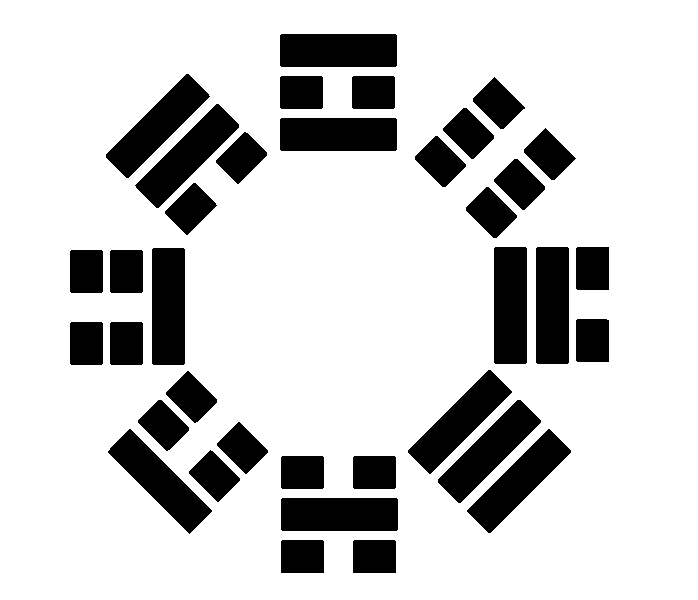 🇨🇳 China and 1 moreBagua八卦
A set of eight trigram symbols from China used in divination, cosmology, and feng shui.Tradition · Seeing and foretelling · Protection Living
🇨🇳 China and 1 moreBagua八卦
A set of eight trigram symbols from China used in divination, cosmology, and feng shui.Tradition · Seeing and foretelling · Protection Living
 🇮🇩 Indonesia and 2 moreDukun
A traditional healer and spirit medium in Indonesian folk practiceTradition · Healing · Seeing and foretelling Living
🇮🇩 Indonesia and 2 moreDukun
A traditional healer and spirit medium in Indonesian folk practiceTradition · Healing · Seeing and foretelling Living
 🇺🇸 United StatesKahuna
A Hawaiian expert or priest, keeper of hidden knowledge in craft and spiritTradition · Healing · Seeing and foretelling Living
🇺🇸 United StatesKahuna
A Hawaiian expert or priest, keeper of hidden knowledge in craft and spiritTradition · Healing · Seeing and foretelling Living