Among the Trobriand Islanders of Papua New Guinea, the baloma are spirits of people who have died. Trobriand belief holds that a spirit of the maternal line starts every pregnancy, so these dead kin, not fathers, keep the family line going.
- Bronislaw Malinowski studied the baloma early in the 1900s and published his paper in 1916.
- A spirit of a dead member of the lineage is held to start each pregnancy.
- Women are said to meet the spirit while bathing in the sea.
- Lovemaking is held only to prepare the way for the spirit, not to cause conception.
- The spirit story does the work of sperm in keeping the mother's line going.
What it is
Baloma is the word Trobriand Islanders use for the spirits of their dead. Bronislaw Malinowski, an anthropologist working among the Trobrianders early in the twentieth century, set out how these spirits fit into everyday thought in a paper he brought out in 1916. In Trobriand eyes, a baloma is what keeps the line going: the spirit of someone who belonged to a woman's lineage is held to be the true maker of each new child. A woman is thought to conceive when such a spirit reaches her as she bathes in the sea. Sex, in this view, does not itself make a baby; it only clears the way for the spirit to settle in the womb. The idea does the work that sperm does in other accounts of conception, and with it the Trobrianders explain why children belong to their mother's line.
Where it comes from
Knowledge of the baloma outside the Trobriands begins with the anthropologist Bronislaw Malinowski. He worked among the islanders early in the twentieth century, and in 1916 he published a study of these spirits in a British anthropological journal. In it he wrote of the spirits as part of living Trobriand life, bound up with how the islanders reckon kinship and birth. An online version of the paper keeps the account within reach of any reader today.
How it is done
Conception is where the belief does its work. A woman bathes in the sea, and there, Trobriand teaching says, the spirit of someone who belonged to her lineage comes upon her and sets a child within her womb. The part of ordinary lovemaking is a preparing one: it is held to open the road by which the spirit arrives, while the spirit itself brings the new life. Each birth through this channel renews the mother's line, so the lineage gains its new members from its own dead rather than from fathers.
Baloma, drawn and placed
- Living
- Revived
- Fading
- Historical
- Legendary
- Performed
- Lineage
- Trobriand traditional belief
- Timing
- as women bathe in the sea
What it is for
The belief does two jobs at once. It explains where children come from, giving the spirit of a dead kinsman the place that sperm holds in other understandings of conception. And it props up the Trobriand way of reckoning descent through mothers. If a new child is begun by a spirit belonging to the mother's line, then the child plainly belongs to that line, and the account of birth keeps the matrilineal system in being, renewing the lineage through its own dead. In this scheme intimacy between a woman and a man is incidental to becoming a mother rather than the cause of it. The baloma thus serves the continuity of a kin group rather than any individual wish.
Peoples and places
Baloma belief is the property of the Trobriand Islanders, whose home islands lie within Papua New Guinea. The wider world learned of it through Bronislaw Malinowski, who studied the islands early in the twentieth century and published his paper on the spirits in 1916. Within the islands it belongs to the shared outlook rather than to any trained few: Malinowski wrote of a general Trobriand understanding in which children come from the spirits of dead kin met in the sea. Because those spirits carry the lineage, the belief shapes family life for everyone, setting each person's place through mothers rather than fathers.
At a glance: who, where and when
Peoples
Belief worlds
Occasions
What people believe
At the heart of the picture stand the baloma themselves, the continuing presence of people who have died. They are not remote figures: a spirit of the lineage can meet a living woman at her bath in the sea and begin a new life there. Becoming a mother, in this understanding, is a matter between the dead and the unborn, with the living couple holding only a preparing role. Intimacy is thought to clear the road the spirit takes into the womb, but the child itself comes from the spirit. On this rests the matrilineal rule, since the giver of the child belongs to the mother's line, so the child does too.
How scholars and sceptics see it
Scholarly knowledge of the baloma rests on Bronislaw Malinowski. He studied Trobriand life early in the twentieth century, and in 1916 he brought out a paper devoted to these spirits in a British anthropological journal. Malinowski read the belief as a doctrine of conception with social work to do: the spirit takes over the part played by a father's seed in other systems, and in doing so the account of birth explains and props up descent through the mother. The spirits, in this telling, are not a curiosity at the edge of Trobriand thought but a load-bearing piece of it, tying ideas about the dead to ideas about family.
Questions people ask about Baloma
What is a baloma?
In Trobriand belief, a baloma is the spirit of a person who has died. Anthropologist Bronislaw Malinowski described these spirits in 1916. They are held to remain active among the living, above all by starting each new pregnancy in the maternal line.
Where does the belief come from?
The belief belongs to Trobriand society, on the Trobriand Islands, which lie in Papua New Guinea. It became known outside the islands through Bronislaw Malinowski, who lived and worked there early in the twentieth century and published his study of the spirits in 1916.
How are babies said to begin?
A woman is believed to conceive when the spirit of a dead member of her lineage reaches her while she bathes in the sea and settles a child in her womb. Sexual intercourse is held to matter only indirectly, preparing the ground for the spirit's arrival.
What do the spirits do for the family line?
By starting each pregnancy, a baloma keeps the matrilineage going. Because the child's maker comes from the mother's line, the child belongs to that line too, so the belief supports Trobriand descent through mothers and takes over the role that sperm plays in other accounts of conception.
Who told the world about the baloma?
Bronislaw Malinowski, an anthropologist who studied Trobriand society early in the twentieth century. His 1916 article on the spirits appeared in a British anthropological journal, and it sets out how the spirits act in conception and in the passing on of the family line.
Good reading and sources
The facts on this page come from the Wikipedia article "Baloma", written by its contributors and used under the CC BY-SA 4.0 licence, and from its Wikidata record (CC0). EveryJaadu rewrote the text in its own words, with AI assistance, and compares every page with the article to make sure no passage is copied. It may be reused under the same CC BY-SA 4.0 licence with a link back.
It may contain mistakes. Names and customs differ from one community to the next, and some knowledge is closed to outsiders and left out here. This page describes belief and practice. It does not say that any of it works, it is not a how-to, and it is not medical advice. If something is wrong, tell us. Last refreshed 2026-10-06.
More from Papua New Guinea
All the entries from Papua New Guinea 🇵🇬 Papua New GuineaWitch-hunts in Papua New Guinea
Violent attacks on people accused of sorcery, mainly women and girlsBelief · Cursing and harm Living
🇵🇬 Papua New GuineaWitch-hunts in Papua New Guinea
Violent attacks on people accused of sorcery, mainly women and girlsBelief · Cursing and harm Living
 🇵🇬 Papua New GuineaKula ring
A ceremonial gift network in the Trobriand Islands that circulates shell valuables to build social status.Tradition · Power and authority Living
🇵🇬 Papua New GuineaKula ring
A ceremonial gift network in the Trobriand Islands that circulates shell valuables to build social status.Tradition · Power and authority Living
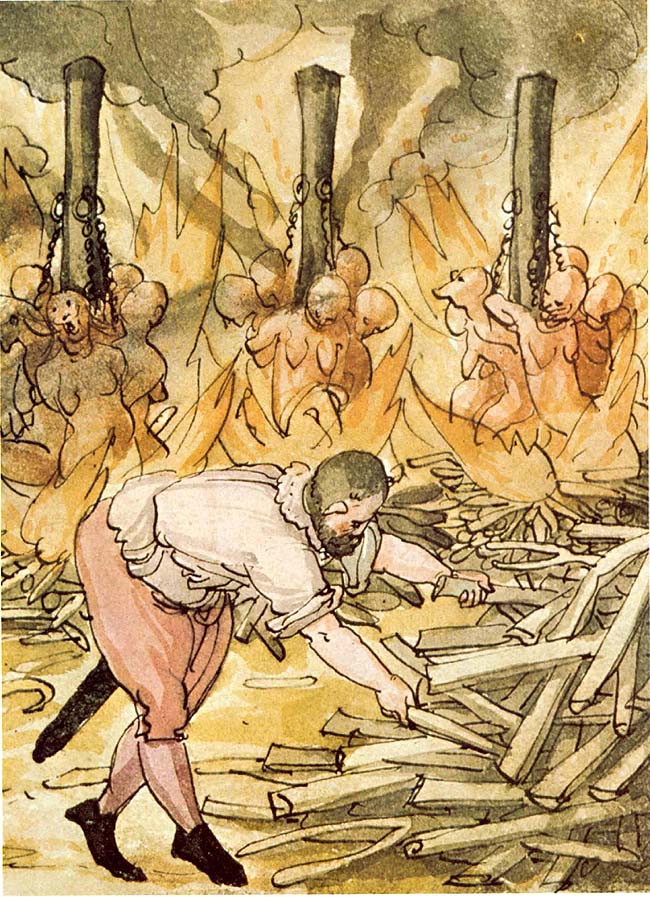 🇸🇦 Saudi Arabia and 5 moreWitch hunt
A campaign to find and punish people accused of using magic for harmBelief · Cursing and harm Historical
🇸🇦 Saudi Arabia and 5 moreWitch hunt
A campaign to find and punish people accused of using magic for harmBelief · Cursing and harm Historical
Related elsewhere
All being 🇬🇧 United Kingdom and 4 moreSelkie
Mythical seal-people who shed their skin to walk as humans on landBeing · Love and attraction · Cursing and harm Legendary
🇳🇴 NorwayEsbat
A monthly Wiccan ritual held at the full or new moon for worship and community.Rite · Speaking with spirits and the dead · Love and attraction Living
🇬🇧 United Kingdom and 4 moreSelkie
Mythical seal-people who shed their skin to walk as humans on landBeing · Love and attraction · Cursing and harm Legendary
🇳🇴 NorwayEsbat
A monthly Wiccan ritual held at the full or new moon for worship and community.Rite · Speaking with spirits and the dead · Love and attraction Living
 🇮🇳 India and 5 moreHoliहोली
A Hindu spring festival marked by coloured powders and bonfires to celebrate love and virtue.Tradition · Love and attraction · Cursing and harm Living
🇮🇳 India and 5 moreHoliहोली
A Hindu spring festival marked by coloured powders and bonfires to celebrate love and virtue.Tradition · Love and attraction · Cursing and harm Living
 🇨🇱 ChileTrauco
A small forest spirit from Chiloé mythology known for seducing women and causing pregnancyBeing · Love and attraction · Cursing and harm Legendary
🇨🇱 ChileTrauco
A small forest spirit from Chiloé mythology known for seducing women and causing pregnancyBeing · Love and attraction · Cursing and harm Legendary