
Bulla
Latin word for a round or globular object
A round Roman amulet given to freeborn boys as a mark of status and protection
The bulla was a hollow pendant worn by male children in Ancient Rome. It served as a visible sign of free birth and was believed to offer protection through items placed inside its capsule.
- Given to freeborn boys nine days after birth
- Hollow metal pendant containing protective items
- Symbol of Roman citizenship and social status
- Dedicated to household gods upon reaching adulthood
- Similar objects found in Late Bronze Age Ireland
What it is
The bulla was a hollow, spherical pendant worn around the neck by young boys in Ancient Rome. Crafted from metal plates joined together, it functioned as both a protective charm and a social marker. The space inside held various substances intended to ward off harm or bring good fortune. While primarily associated with Roman boys, similar rounded objects appear in other cultures, such as Late Bronze Age Ireland.
Where it comes from
The term derives from Latin, meaning any round object, though historians note it specifically denoted this type of amulet. The practice likely began during the Republic period. Some scholars suggest it originated to distinguish freeborn boys from slaves, who were not permitted to wear such tokens. Over time, it became deeply embedded in Roman family life and identity.
How it is done
Parents presented the bulla to their sons shortly after birth. The child wore it daily until reaching adulthood. Upon coming of age, the boy removed the pendant and dedicated it to household deities. The object itself contained small capsules that could be sealed shut. Artisans crafted these from bronze, silver, or gold, often adding decorative ribs to the loops.
Tools and materials
Manufacturers used bronze, silver, or gold sheets soldered or hinged together. Inside, they placed apotropaic items like dried herbs, seeds, sand, or miniature deity figures. A common inclusion was a phallic symbol representing luck. Beeswax clumps also appeared, possibly linked to funeral rites or beekeeping families.
Bulla, drawn and placed
- Living
- Revived
- Fading
- Historical
- Legendary
- Performed
- Lineage
- Ancient Roman custom
- Timing
- from nine days after birth until adulthood
What it is for
The primary intent was protection and the affirmation of free status. Families believed the contents offered medicinal or prophylactic benefits. It marked the wearer as legitimate and free-born, distinguishing him from enslaved individuals. Wealthier families used gold versions to display elite standing.
Who does it
Fathers bestowed the amulet upon their sons. It was reserved for freeborn males, excluding slaves and their offspring. Upper-class families provided golden versions, while poorer households used leather straps instead. Women occasionally wore them as gifts, but they remained chiefly male symbols of citizenship.
Peoples and places
Romans practiced this custom across Italy and provinces like Pannonia. Irish finds show similar forms but lack clear textual context. In Rome, the bulla signaled legal freedom and class distinction. Elite groups displayed gold examples, whereas commoners relied on simpler materials or substitutes.
At a glance: who, where and when
Who does it
Belief worlds
Occasions


What people believe
Romans viewed the bulla as a guardian against evil influences. The enclosed items were thought to possess aromatic or medicinal powers. Plutarch theorized it protected boys from sexual exploitation by marking them clearly as free. The ritual reinforced social boundaries between slave and free populations.
When it is done
Boys received the bulla nine days after birth. They wore it continuously throughout childhood. At the transition to manhood, they discarded it into the care of household spirits. This rite coincided with wearing the toga virilis, signaling entry into adult civic life.
Questions people ask about Bulla
What is a bulla?
It is a hollow, round pendant worn by ancient Roman boys. It served as a protective charm and a visible sign of free birth within Roman society.
Who wore the bulla?
Only freeborn male children wore the bulla. Slaves and their descendants were excluded from this practice, which marked social and legal distinctions.
What was inside the bulla?
The hollow center held items like dried herbs, seeds, sand, or small statues. These were believed to offer protection, luck, or medicinal benefits to the wearer.
When did boys stop wearing it?
Boys wore the bulla until they came of age. Upon receiving the toga virilis, they removed it and dedicated it to their household deities.
Good reading and sources
- Bulla (amulet) on WikipediaEncyclopedia
- More photos on Wikimedia CommonsPhotos and video
- Wikidata recordOpen data
The facts on this page come from the Wikipedia article "Bulla (amulet)", written by its contributors and used under the CC BY-SA 4.0 licence, and from its Wikidata record (CC0). EveryJaadu rewrote the text in its own words, with AI assistance, and compares every page with the article to make sure no passage is copied. It may be reused under the same CC BY-SA 4.0 licence with a link back.
It may contain mistakes. Names and customs differ from one community to the next, and some knowledge is closed to outsiders and left out here. This page describes belief and practice. It does not say that any of it works, it is not a how-to, and it is not medical advice. If something is wrong, tell us. Last refreshed 2026-10-06.
More from Italy
All the entries from Italy 🇮🇹 Italy and 5 morePrecious coral
A marine skeleton harvested for jewelry and worn as a protective charm in several culturesSubstance · Protection · Healing Living
🇮🇹 Italy and 5 morePrecious coral
A marine skeleton harvested for jewelry and worn as a protective charm in several culturesSubstance · Protection · Healing Living
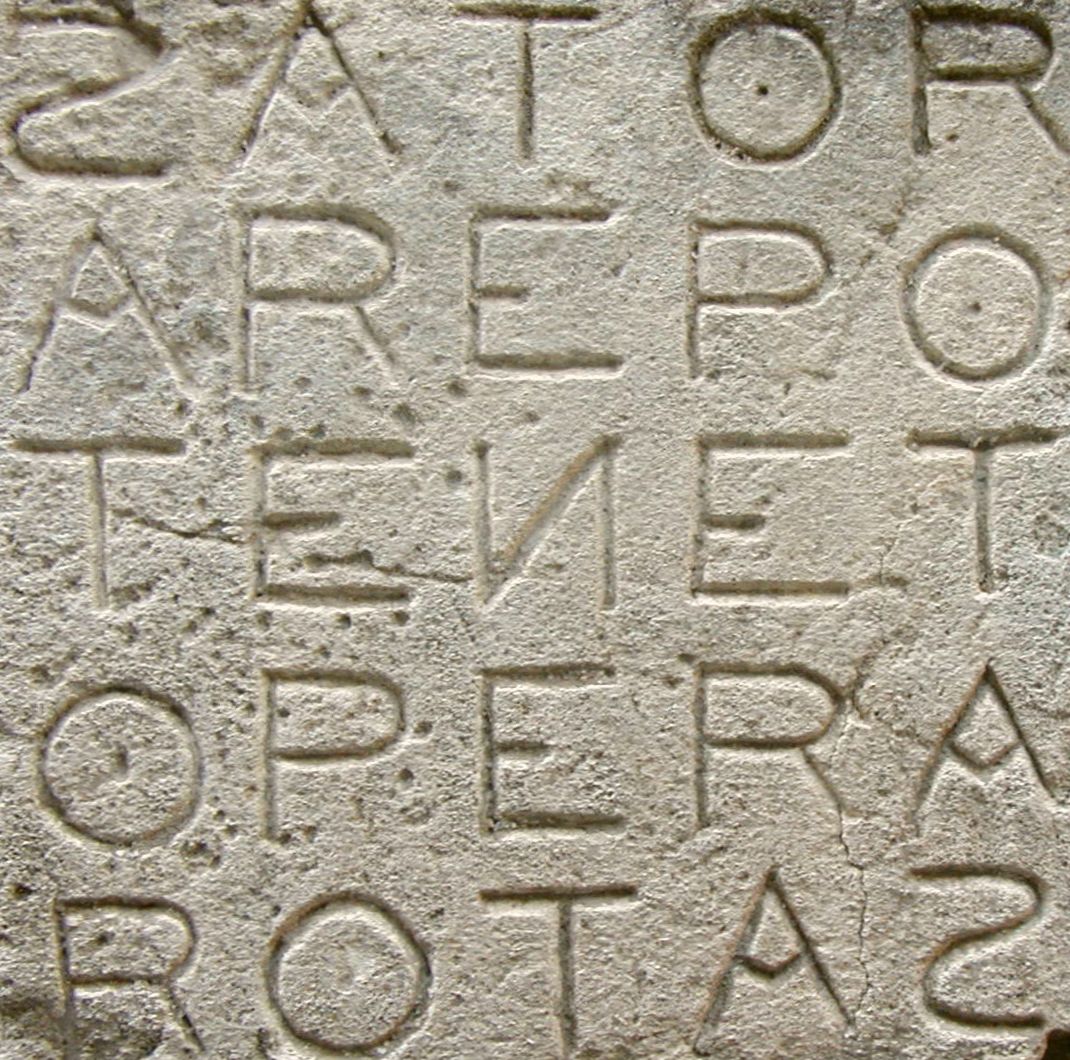 🇮🇹 Italy and 5 moreSator Square
A five-word Latin palindrome found in Roman ruins and medieval churchesCharm · Protection · Healing Historical
🇮🇹 Italy and 5 moreSator Square
A five-word Latin palindrome found in Roman ruins and medieval churchesCharm · Protection · Healing Historical
 🇮🇹 Italy and 5 moreRelic
An object or body part kept to honor a holy person and mark their connection to the divineCharm · Protection · Healing Living
🇮🇹 Italy and 5 moreRelic
An object or body part kept to honor a holy person and mark their connection to the divineCharm · Protection · Healing Living
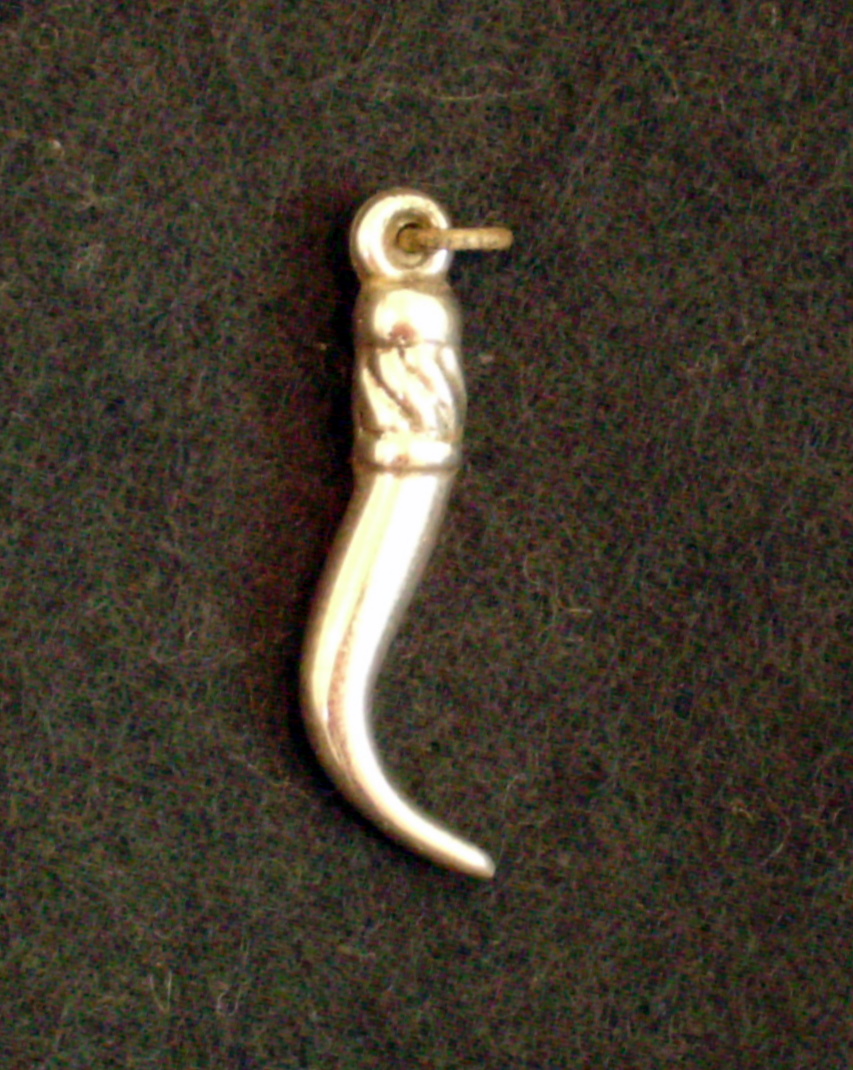 🇮🇹 ItalyCornicello
A twisted horn charm worn in Italy to ward off the evil eye and invite luck.Charm · Protection · Luck and prosperity Living
🇮🇹 ItalyCornicello
A twisted horn charm worn in Italy to ward off the evil eye and invite luck.Charm · Protection · Luck and prosperity Living
Related elsewhere
All charm 🇨🇳 China and 3 moreChinese dragon龍
A legendary water deity and imperial symbol in East Asian cultureBeing · Protection · Luck and prosperity Historical
🇨🇳 China and 3 moreChinese dragon龍
A legendary water deity and imperial symbol in East Asian cultureBeing · Protection · Luck and prosperity Historical
 🇰🇭 Cambodia and 3 moreSak Yantសាក់យ័ន្ត
A Southeast Asian tattoo tradition using sacred geometry for protection and powerTradition · Protection · Luck and prosperity Living
🇰🇭 Cambodia and 3 moreSak Yantសាក់យ័ន្ត
A Southeast Asian tattoo tradition using sacred geometry for protection and powerTradition · Protection · Luck and prosperity Living
 🇨🇳 China and 2 moreEight Immortals八仙
Eight legendary Taoist figures of China, each with a power and a vesselFigure · Protection · Healing Living
🇨🇳 China and 2 moreEight Immortals八仙
Eight legendary Taoist figures of China, each with a power and a vesselFigure · Protection · Healing Living
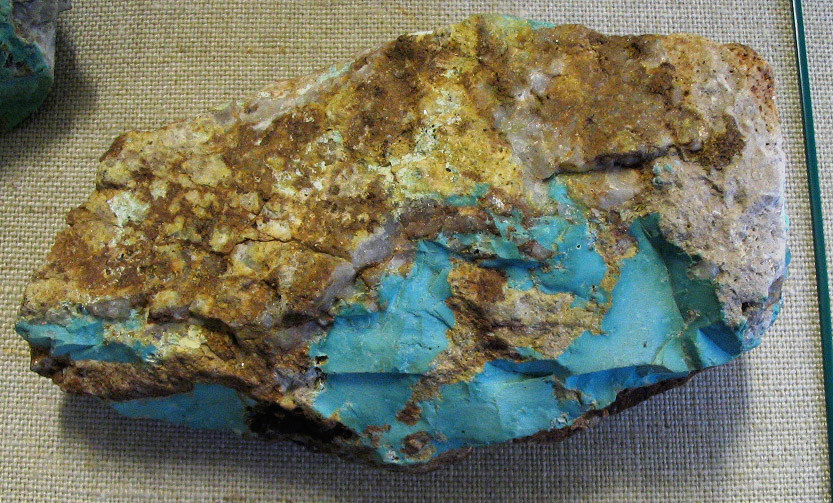 🇮🇷 Iran and 5 moreTurquoise
An opaque blue-green gemstone prized for its color since ancient timesSubstance · Protection · Luck and prosperity Living
🇮🇷 Iran and 5 moreTurquoise
An opaque blue-green gemstone prized for its color since ancient timesSubstance · Protection · Luck and prosperity Living