
Pla taphian
In its own language: ปลาตะเพียนสาน
from Thai pla taphian, named after the tinfoil barb fish
A woven palm leaf fish mobile hung as a blessing for health and plenty
The pla taphian is a traditional Thai hanging mobile crafted from dried palm leaves. Shaped like a tinfoil barb, it serves as a folk charm believed to bring prosperity, strength, and good health to households.
- Palm leaves are sun-dried for two minutes before weaving
- A full mobile holds nine, twelve, or fifteen fish around a mother
- Archival records list them on Ayutthaya market streets centuries ago
- Cooperatives protect the designs under local wisdom copyright
- The fish mirrors the giant Ananda from Thai cosmological texts
What it is
The pla taphian is a hanging mobile made from woven palm leaves. Artisans shape the strips into a fish, specifically the tinfoil barb, which carries deep cultural meaning in Thailand. The finished piece functions as a domestic charm. Families traditionally place it above infant beds to invite safety and steady growth. Modern makers also treat it as a decorative object that keeps older techniques alive.
Where it comes from
Weaving palm-leaf fish and painting them red began during the Ayutthaya Kingdom. An archival text from the reign of King Uthumphon lists the mobiles among goods sold on Ton Market Street alongside mats, hammocks, and spirit houses. The craft grew alongside rice farming, since the barb thrived in paddies and canals when crops ripened. Later, artisans added bright paints and beadwork during the reign of Rama V, creating a second style alongside the plain natural versions.
How it is done
Makers cut long thin strips of palm leaves and dry them briefly in sunlight. The strips are then interlaced by hand until they form a fish outline. Beads and small tassels are attached to give weight and movement. Some workshops now carve patterns directly into the leaves or use dyed ribbons instead of raw fiber. The pieces are balanced on a ring so they turn gently in the air.
Tools and materials
Dried palm leaves form the base structure. Artisans add glass beads for decoration and attach three tassels to the largest fish. Paint brings color to the newer style, while ribbon offers a modern alternative. A simple metal ring and string complete the hanging frame. Each part is measured to keep the mobile balanced and steady.
Pla taphian, drawn and placed
- Living
- Revived
- Fading
- Historical
- Legendary
- Performed
- Lineage
- Central Thai folk craft and Buddhist cosmology
- Timing
- at birth and daily household display
What it is for
Households hang the mobile to ask for abundance and steady health. The fish represents plenty because its life cycle matched the old rice harvest seasons. Elders placed it over newborn cradles to wish the child strength and protection. Today families still use it as a quiet blessing, though many buyers now prefer it for interior decoration.
Who does it
Village weavers and community cooperatives produce the mobiles. Groups in Phra Nakhon Si Ayutthaya and Thonburi register their work as local wisdom and protect their designs through copyright. Makers learn the cutting and drying steps by practice, then pass the balancing techniques to apprentices. The craft supports household income while keeping older methods visible.
Peoples and places
Thai communities in central Thailand developed the tradition. Rice farmers watched the barb multiply in waterways and linked its presence to crop success. The custom spread across villages near rivers and paddies. Modern production remains concentrated in Ayutthaya and Bangkok districts, where cooperatives market the items nationally and internationally.
At a glance: who, where and when
Who does it
Peoples
Belief worlds
Occasions
What people believe
The mobile draws on ancient Thai cosmology recorded in the Traiphum text. That account describes a giant fish named Ananda resting beneath Mount Meru. When the creature moves, the earth shakes. Hanging a woven version of that fish was thought to align the home with cosmic order. The charm asks for balance between human life and the wider world.
When it is done
Families traditionally install the mobile at birth. It stays above the cradle through early childhood. Some households keep it year-round as a quiet household marker. The craft does not follow a single festival calendar, but makers often prepare fresh batches before planting and harvest seasons.
How scholars and sceptics see it
Researchers note how the craft records everyday life in the Ayutthaya period. Archival market lists show it traded alongside common household goods rather than court objects. Historians trace the shift from plain fiber to painted beadwork as a response to changing trade routes and royal patronage. Anthropologists study the cooperatives to see how local knowledge survives commercial pressure.
Cautions and what is closed
The craft faces quiet decline as younger generations move toward urban work. Some sellers mix synthetic fibers with palm leaves, which changes how the mobile hangs and ages. Cooperatives warn against mass copying without proper attribution, since the designs carry registered community rights. Buyers should handle dried leaves carefully to avoid splinters.
Compare and confuse
The pla taphian shares features with other Southeast Asian leaf mobiles used as house blessings. Chinese paper fish charms focus on wealth, while Thai versions tie abundance to waterways and rice cycles. Both appear in markets, but the palm weave relies on tension and balance rather than glue or thread.
Law and persecution
Community enterprises in Ayutthaya and Bangkok have registered their patterns as local wisdom. Copyright protection prevents unlicensed factories from reproducing the exact bead arrangements and tassel layouts. Provincial offices support the groups through OTOP programs that fund materials and training. No special permits are required to sell the mobiles.
Questions people ask about Pla taphian
What is a pla taphian?
It is a Thai hanging mobile woven from dried palm leaves. Artisans shape the strips into a tinfoil barb fish that turns gently in the air.
Where does the tradition come from?
The craft began in central Thailand during the Ayutthaya Kingdom. Market records from that era already listed the mobiles among everyday household goods.
Why do people hang it over baby beds?
Families believe the fish brings steady health and protection. The custom links infant care to older wishes for plenty and safe growth.
How is it made today?
Village weavers still cut and dry palm leaves by hand. Many cooperatives now add beads, carved patterns, or ribbons and sell the pieces as registered local crafts.
Good reading and sources
- Pla taphian on WikipediaEncyclopedia
- More photos on Wikimedia CommonsPhotos and video
- Wikidata recordOpen data
The facts on this page come from the Wikipedia article "Pla taphian", written by its contributors and used under the CC BY-SA 4.0 licence, and from its Wikidata record (CC0). EveryJaadu rewrote the text in its own words, with AI assistance, and compares every page with the article to make sure no passage is copied. It may be reused under the same CC BY-SA 4.0 licence with a link back.
It may contain mistakes. Names and customs differ from one community to the next, and some knowledge is closed to outsiders and left out here. This page describes belief and practice. It does not say that any of it works, it is not a how-to, and it is not medical advice. If something is wrong, tell us. Last refreshed 2026-10-08.
More from Thailand
All the entries from Thailand 🇹🇭 Thailand and 3 moreThai Buddha amuletsพระเครื่อง (phrakhrueang)
Sacred Buddhist images and relics worn for protection, merit, and fortune in Thailand.Charm · Protection · Luck and prosperity Living
🇹🇭 Thailand and 3 moreThai Buddha amuletsพระเครื่อง (phrakhrueang)
Sacred Buddhist images and relics worn for protection, merit, and fortune in Thailand.Charm · Protection · Luck and prosperity Living
 🇰🇭 Cambodia and 3 moreSak Yantសាក់យ័ន្ត
A Southeast Asian tattoo tradition using sacred geometry for protection and powerTradition · Protection · Luck and prosperity Living
🇰🇭 Cambodia and 3 moreSak Yantសាក់យ័ន្ត
A Southeast Asian tattoo tradition using sacred geometry for protection and powerTradition · Protection · Luck and prosperity Living
 🇹🇭 Thailand and 7 moreSpirit house
A small roofed shrine that shelters a place's protective spiritCharm · Protection Living
🇹🇭 Thailand and 7 moreSpirit house
A small roofed shrine that shelters a place's protective spiritCharm · Protection Living
 🇹🇭 Thailand and 1 morePalad khikปลัดขิก
A Thai phallic amulet believed to bring luck and protectionCharm · Protection · Luck and prosperity Living
🇹🇭 Thailand and 1 morePalad khikปลัดขิก
A Thai phallic amulet believed to bring luck and protectionCharm · Protection · Luck and prosperity Living
Related elsewhere
All charm 🇮🇹 Italy and 5 morePrecious coral
A marine skeleton harvested for jewelry and worn as a protective charm in several culturesSubstance · Protection · Healing Living
🇮🇹 Italy and 5 morePrecious coral
A marine skeleton harvested for jewelry and worn as a protective charm in several culturesSubstance · Protection · Healing Living
 🇨🇳 China and 2 moreEight Immortals八仙
Eight legendary Taoist figures of China, each with a power and a vesselFigure · Protection · Healing Living
🇨🇳 China and 2 moreEight Immortals八仙
Eight legendary Taoist figures of China, each with a power and a vesselFigure · Protection · Healing Living
 🇨🇳 China and 5 moreGuanyin觀音 (Guānyīn)
The Bodhisattva of compassion, worshipped across East Asia as a listener to human sufferingBeing · Protection · Healing Living
🇨🇳 China and 5 moreGuanyin觀音 (Guānyīn)
The Bodhisattva of compassion, worshipped across East Asia as a listener to human sufferingBeing · Protection · Healing Living
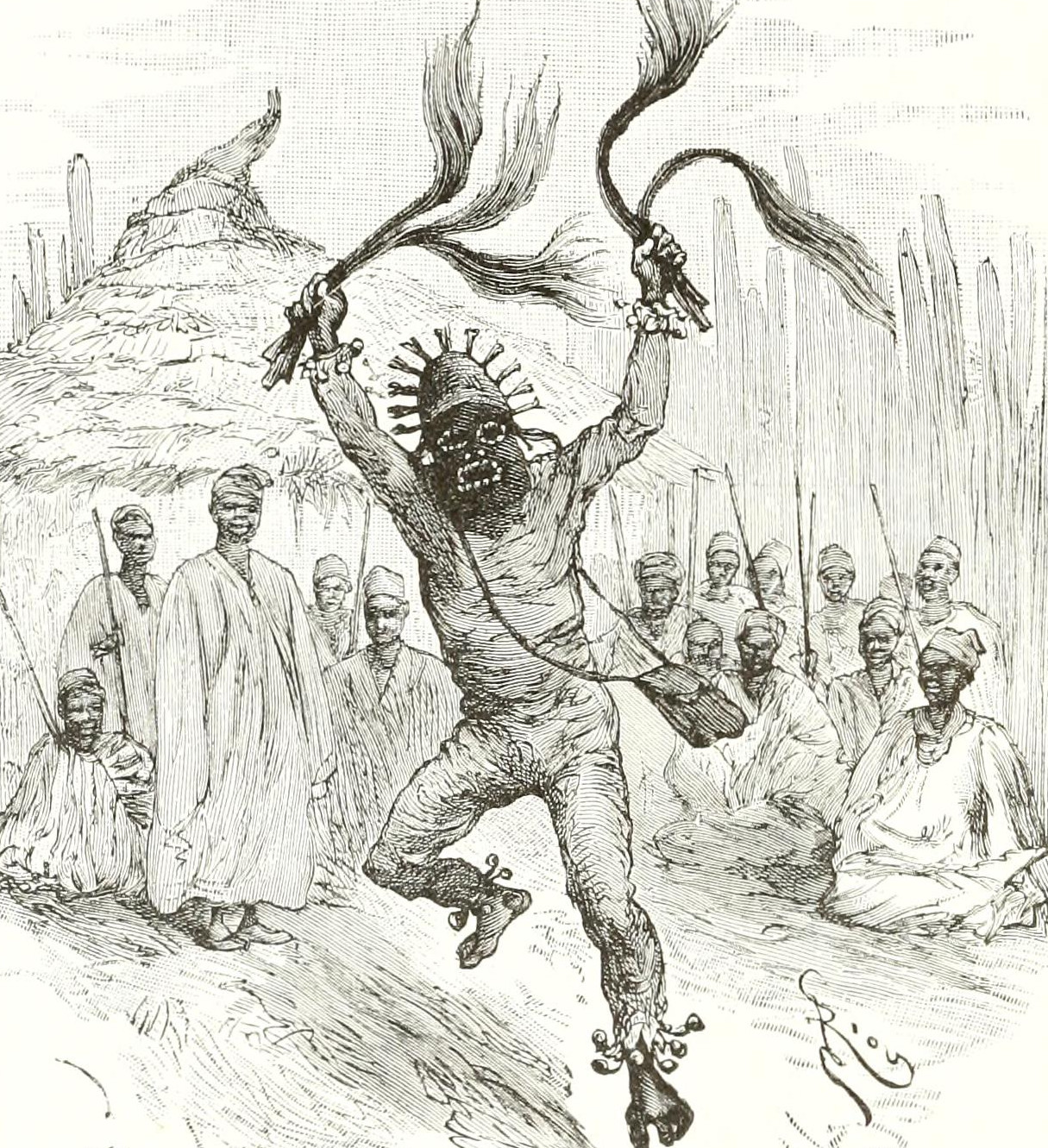 🇺🇸 United States and 2 moreLouisiana Voodoo
An African diasporic religion practiced in Louisiana from the 18th to early 20th centuriesTradition · Healing · Protection Historical
🇺🇸 United States and 2 moreLouisiana Voodoo
An African diasporic religion practiced in Louisiana from the 18th to early 20th centuriesTradition · Healing · Protection Historical