
Sanctuary of Fortuna Primigenia
from Latin Fortuna, meaning luck or fate, and Primigenia, meaning first born
A vast Roman sanctuary complex in Palestrina that housed an oracle and a temple to the goddess of fate.
The Sanctuary of Fortuna Primigenia was a monumental religious complex in Praeneste (modern Palestrina), Italy. It featured terraced gardens, fountains, and a temple dedicated to the goddess Fortuna. The site was famous for its oracle, where visitors consulted wooden tablets to seek guidance on the future.
- Located in Praeneste, now Palestrina, Italy
- Featured six vast terraces on a hillside
- Oracle used wooden tablets called sortes
- Dedicated to Fortuna Primigenia, goddess of fate
- Closed by Christian emperors Constantine and Theodosius
What it is
The Sanctuary of Fortuna Primigenia was a massive religious complex located in Praeneste, now known as Palestrina, situated east of Rome. Dedicated to the goddess Fortuna, it served as a major center for worship and divination among the Latins and Romans. The site combined architectural grandeur with spiritual significance, featuring extensive terraces and a prominent temple. It functioned as both a place for household rituals and a public oracle where individuals sought answers about their futures through sacred lots.
Where it comes from
The site originated as a local cult center but expanded significantly between 175 and 50 BC. Its design drew inspiration from Hellenistic sanctuaries in the eastern Mediterranean, such as those on Delos and Kos. Roman architects adapted these models using opus caementicium, allowing for large-scale construction. The expansion likely reflected the wealth and social ambitions of local elites following Roman military victories in the East. Later additions may have been commissioned by Sulla around 80 BC to honor Fortuna after his political triumphs.
How it is done
Visitors consulted the oracle by picking wooden tablets known as sortes. These tablets were stored in a well within the terrace of the hemicycles. A nobleman named Numerius Suffucius is recorded as having found these lots there. The process involved selecting a tablet to receive a prophetic message. Additionally, families brought their firstborn children to the temple to improve their chances of surviving infancy. This ritual aimed to secure the continuation of the family line under divine protection.
Tools and materials
The primary tool for divination was the sortes, small wooden tablets used to foretell the future. These were kept near a well in the sanctuary's central terrace. The site also featured water displays, fountains, and nymphaea set into artificial caves. Mosaic floors made of irregular tesserae and polychrome stone chips decorated the cryptoporticus. Honey oozing from an olive tree was part of a secondary cult associated with the site, merging with the main worship of Fortuna.
Sanctuary of Fortuna Primigenia, drawn and placed
- Living
- Revived
- Fading
- Historical
- Legendary
- Performed
- Lineage
- Roman religion
- Timing
- at birth and when seeking future guidance
What it is for
The sanctuary served multiple purposes. Families sought to protect their newborn first children, hoping to ensure their survival and the perpetuation of their gens. Individuals visited the oracle to gain insight into future events. The site was particularly significant for matrons who worshipped Fortuna Primigenia. The dual nature of the cult addressed both domestic concerns and broader questions about destiny, reflecting the goddess's role as a protector and guide.
Who does it
Divination was conducted by local religious specialists who managed the oracle. Households participated in rituals for their children, often led by parents or matriarchs. The sanctuary attracted visitors from across Latium and Rome due to its visibility and reputation. Local magistrates oversaw maintenance and restorations, particularly during the Sullan period. The site required skilled architects and engineers to maintain its complex terraced structure and hydraulic systems.
Peoples and places
The sanctuary was central to the religious life of the Latins and Romans. It stood as a symbol of Roman architectural and religious innovation, blending Greek influences with local traditions. The site's prominence extended beyond Palestrina, drawing pilgrims from surrounding regions. Its influence persisted through Antiquity, affecting later garden design and even modern monuments like the Victor Emmanuel II Monument in Rome. The cult remained active until late antiquity, when Christian emperors suppressed pagan practices.
At a glance: who, where and when
Belief worlds
Occasions


What people believe
Fortuna Primigenia was viewed as a powerful deity connected to birth and fate. She was depicted suckling two babes, identified as Jupiter and Juno, emphasizing her role as a nurturing mother figure. The oracle operated under the belief that the gods communicated through the wooden tablets. The site merged two distinct cults: one focused on Fortuna and another involving honey from an olive tree. This syncretism highlighted the flexibility of Roman religious practice, integrating various divine aspects into a single monumental space.
When it is done
Rituals were performed at specific life events, particularly the birth of a first child. The oracle was consulted whenever individuals sought guidance, without a fixed calendar schedule. The sanctuary's design included seasonal water features, suggesting connections to natural cycles.
How scholars and sceptics see it
Anthropologists and historians view the sanctuary as a key example of Roman religious architecture and urban planning. Scholars note its Hellenistic influences and the use of concrete technology to achieve monumental scale. The site reflects the social dynamics of the late Republic, where wealthy elites used religious patronage to gain status. Researchers also study the oracle's role in decision-making processes and the integration of diverse cults within a single complex. The transition from pagan to Christian control marks a significant shift in European religious history.
Cautions and what is closed
The sanctuary was closed by Emperor Constantine the Great and later by Theodosius I, who forbade pagan oracle practices. This suppression ended centuries of divination at the site. The site's decline was part of a broader imperial policy against traditional Roman religions. Today, the ruins serve as an archaeological site, preserving the legacy of ancient Roman spirituality and engineering.
Compare and confuse
The sanctuary shares similarities with other Hellenistic-influenced sites like Tibur, Nemi, and Terracina. Unlike purely functional temples, it emphasized landscape integration and visual impact. The oracle at Praeneste is comparable to other Roman divination practices but distinguished by its elaborate setting. The use of wooden tablets differs from other methods like haruspicy or astrology. The site's dual cult structure mirrors other Roman religious syncretism, though its scale and architectural ambition remain unique.
Questions people ask about Sanctuary of Fortuna Primigenia
What was the Sanctuary of Fortuna Primigenia?
It was a large Roman religious complex in Palestrina, Italy, dedicated to the goddess Fortuna. It included terraced gardens, fountains, and a temple, serving as a major center for worship and divination in ancient times.
How did people consult the oracle at this sanctuary?
Visitors picked wooden tablets known as sortes from a well in the sanctuary. These tablets were believed to contain messages from the gods, offering guidance on future events and personal decisions.
Why did families bring their children to this temple?
Parents brought their newly-born first children to the temple to improve the likelihood of the child surviving infancy. This ritual was intended to secure the continuation of the family line under divine protection.
Who built the sanctuary and what inspired its design?
The sanctuary was expanded between 175 and 50 BC by Roman architects inspired by Hellenistic sanctuaries in the eastern Mediterranean. They used innovative concrete techniques to create massive terraced structures visible across Latium.
When was the oracle at this site closed?
The oracle continued to operate until Christian emperors Constantine the Great and Theodosius I forbade pagan practices. They ordered the closure of the temple, ending centuries of divination at the site.
Good reading and sources
- Temple of Fortuna Primigenia on WikipediaEncyclopedia
- More photos on Wikimedia CommonsPhotos and video
- Wikidata recordOpen data
The facts on this page come from the Wikipedia article "Temple of Fortuna Primigenia", written by its contributors and used under the CC BY-SA 4.0 licence, and from its Wikidata record (CC0). EveryJaadu rewrote the text in its own words, with AI assistance, and compares every page with the article to make sure no passage is copied. It may be reused under the same CC BY-SA 4.0 licence with a link back.
It may contain mistakes. Names and customs differ from one community to the next, and some knowledge is closed to outsiders and left out here. This page describes belief and practice. It does not say that any of it works, it is not a how-to, and it is not medical advice. If something is wrong, tell us. Last refreshed 2026-10-06.
More from Italy
All the entries from Italy 🇮🇹 Italy and 3 moreSaturnalia
An ancient Roman winter festival of role reversal and feasting in honor of SaturnTradition · Luck and prosperity · Wonder and entertainment Historical
🇮🇹 Italy and 3 moreSaturnalia
An ancient Roman winter festival of role reversal and feasting in honor of SaturnTradition · Luck and prosperity · Wonder and entertainment Historical
 🇬🇧 United Kingdom and 3 moreWelsh mythologyY Chwedlau
The ancient legends of Wales and the Celtic Britons, preserved in medieval manuscripts.Tradition · Wonder and entertainment Historical
🇬🇧 United Kingdom and 3 moreWelsh mythologyY Chwedlau
The ancient legends of Wales and the Celtic Britons, preserved in medieval manuscripts.Tradition · Wonder and entertainment Historical
 🇩🇪 Germany and 5 moreMaypoleMaibaum
A tall wooden pole raised for European spring festivals, accompanied by dance and celebration.Tradition · Luck and prosperity · Love and attraction Living
🇩🇪 Germany and 5 moreMaypoleMaibaum
A tall wooden pole raised for European spring festivals, accompanied by dance and celebration.Tradition · Luck and prosperity · Love and attraction Living
 🇮🇹 ItalyEtruscan religion
The polytheistic beliefs and divination practices of the ancient Etruscans of ItalyTradition · Seeing and foretelling · Speaking with spirits and the dead Historical
🇮🇹 ItalyEtruscan religion
The polytheistic beliefs and divination practices of the ancient Etruscans of ItalyTradition · Seeing and foretelling · Speaking with spirits and the dead Historical
Related elsewhere
All tradition 🇨🇳 China and 1 moreBagua八卦
A set of eight trigram symbols from China used in divination, cosmology, and feng shui.Tradition · Seeing and foretelling · Protection Living
🇨🇳 China and 1 moreBagua八卦
A set of eight trigram symbols from China used in divination, cosmology, and feng shui.Tradition · Seeing and foretelling · Protection Living
 🇯🇵 JapanOnmyōdō陰陽道
A Japanese system of divination and calendar science rooted in yin-yang philosophyTradition · Seeing and foretelling · Protection Revived
🇯🇵 JapanOnmyōdō陰陽道
A Japanese system of divination and calendar science rooted in yin-yang philosophyTradition · Seeing and foretelling · Protection Revived
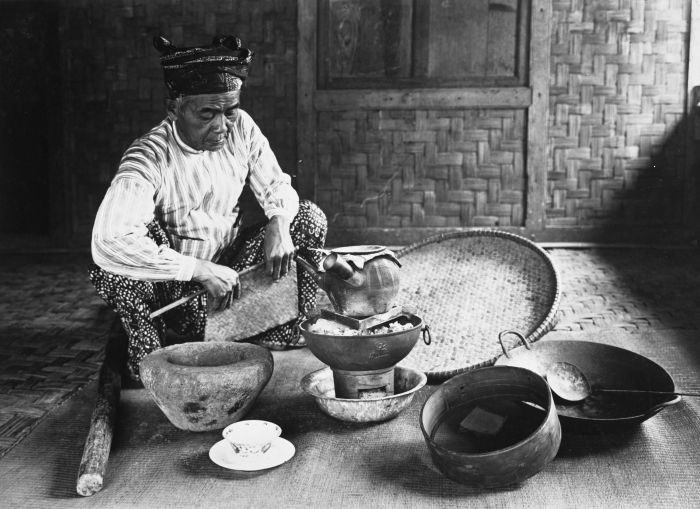 🇮🇩 Indonesia and 2 moreDukun
A traditional healer and spirit medium in Indonesian folk practiceTradition · Healing · Seeing and foretelling Living
🇮🇩 Indonesia and 2 moreDukun
A traditional healer and spirit medium in Indonesian folk practiceTradition · Healing · Seeing and foretelling Living
 🇳🇬 Nigeria and 5 moreIfá
A Yoruba divination system using palm nuts to access spiritual guidanceTradition · Seeing and foretelling · Speaking with spirits and the dead Living
🇳🇬 Nigeria and 5 moreIfá
A Yoruba divination system using palm nuts to access spiritual guidanceTradition · Seeing and foretelling · Speaking with spirits and the dead Living