Households and ordinary people
Grandmothers, parents and neighbours doing the small things: the knot, the salt, the red thread.
Households and ordinary people do most of the world's magic: the grandmother who ties a thread on a baby's wrist, the neighbour who throws salt, the shopkeeper who hangs a lemon and chillies, the family that burns incense before a photograph. These people are not specialists and often do not call it magic. This page looks at the domestic side of the subject, which is the commonest and least written about.
Everyday customs
Household practice is woven into daily life: sweeping at new year, a bead on a cradle, a horseshoe over a door, a charm in a car. It tends to be practical, brief and handed down within the family. Many people say they do it because their mother did, or to be safe. It rarely needs a priest, a text or a fee. The hands that do it are those of mothers and grandmothers, who also cook, clean and care, so the magic is part of the labour of the home.
Women and the home
Women are the principal keepers of household custom in many societies, as mothers, grandmothers and aunts. Their knowledge covers birth, child care, food, illness, marriage and death. That knowledge is often undervalued by the formal religion and by scholars, and was also the source of accusations in the witch trials, in which women who were midwives or healers were prominent. A household custom is learned by watching and may never be explained, since the practitioner does not see it as special.
Faith and the home
Religious leaders have seen household custom as faith, as superstition or as a nuisance. Reformers in Protestant Europe, Salafi Islam and some Hindu and Buddhist movements have told people to give up such practices. Many people keep them regardless. In the diaspora, the home customs are sometimes the part of heritage that lasts longest, and are carried to new countries in suitcases. In cities, small shrines, protective charms and everyday rituals often survive in apartments, taxis and shops.
Why scholars care
Anthropologists of everyday religion and folklorists record these customs as evidence of how people manage risk. They show how belief and practice differ, since people may say they do not believe and still knock on wood. Household magic is also the easiest to commercialise, in shops selling charms and kits that detach customs from their homes. A new student or visitor may find that families who say they do not believe still follow such customs carefully, and this gap is one of the more interesting findings.
Households and ordinary people on EveryJaadu
The entries written up so far, best known first.
 🇨🇳 China and 3 moreMarriage coin charm夫婦和合花錢
Coin-shaped amulets from East Asia that celebrate marriage, fertility, and conjugal harmonyCharm · Protection · Luck and prosperity Historical
🇨🇳 China and 3 moreMarriage coin charm夫婦和合花錢
Coin-shaped amulets from East Asia that celebrate marriage, fertility, and conjugal harmonyCharm · Protection · Luck and prosperity Historical
 🇨🇳 China and 1 moreConfucian coin charms
Amulets bearing Confucian moral teachings and historical storiesCharm · Protection · Luck and prosperity Historical
🇬🇧 United KingdomFumsup
A small figurine charm believed to bring good luck, popular in the late 19th and early 20th centuries.Charm · Luck and prosperity Historical
🇨🇳 China and 1 moreConfucian coin charms
Amulets bearing Confucian moral teachings and historical storiesCharm · Protection · Luck and prosperity Historical
🇬🇧 United KingdomFumsup
A small figurine charm believed to bring good luck, popular in the late 19th and early 20th centuries.Charm · Luck and prosperity Historical
 🇩🇪 Germany and 1 moreEaster Bunny
A German folkloric hare that judges children and delivers colored eggs for EasterBeing · Luck and prosperity · Wonder and entertainment Living
🇩🇪 Germany and 1 moreEaster Bunny
A German folkloric hare that judges children and delivers colored eggs for EasterBeing · Luck and prosperity · Wonder and entertainment Living
 🇺🇸 United States and 4 moreTooth fairy
A childhood figure who exchanges lost baby teeth for gifts or coins.Figure · Luck and prosperity Living
🇺🇸 United States and 4 moreTooth fairy
A childhood figure who exchanges lost baby teeth for gifts or coins.Figure · Luck and prosperity Living
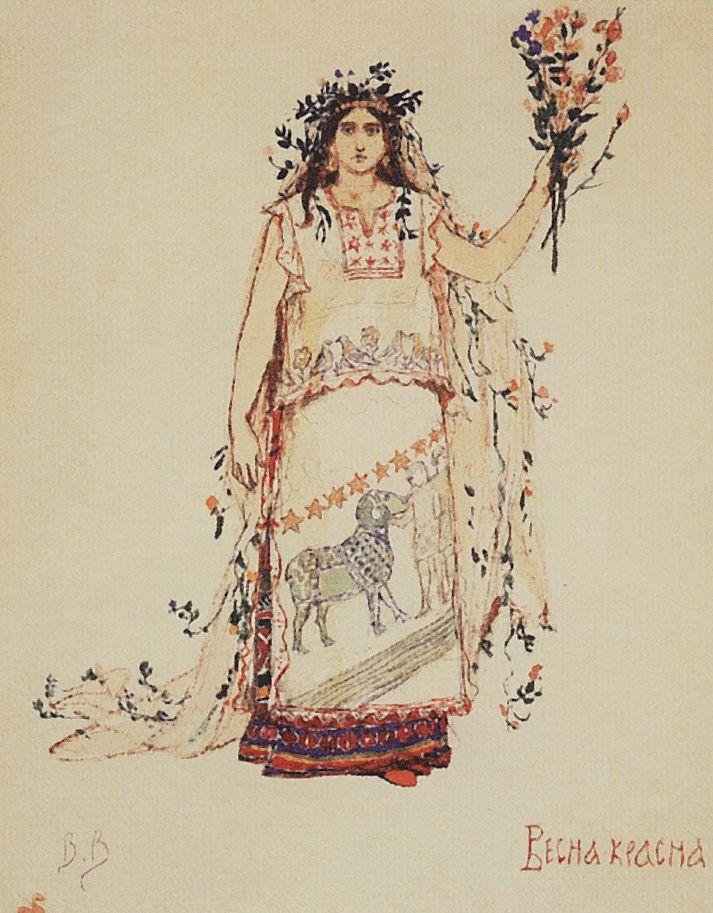 🇸🇮 Slovenia and 5 moreVesnaВесна
A Slavic personification of spring and youth, known in myth and languageFigure · Luck and prosperity Historical
🇸🇮 Slovenia and 5 moreVesnaВесна
A Slavic personification of spring and youth, known in myth and languageFigure · Luck and prosperity Historical
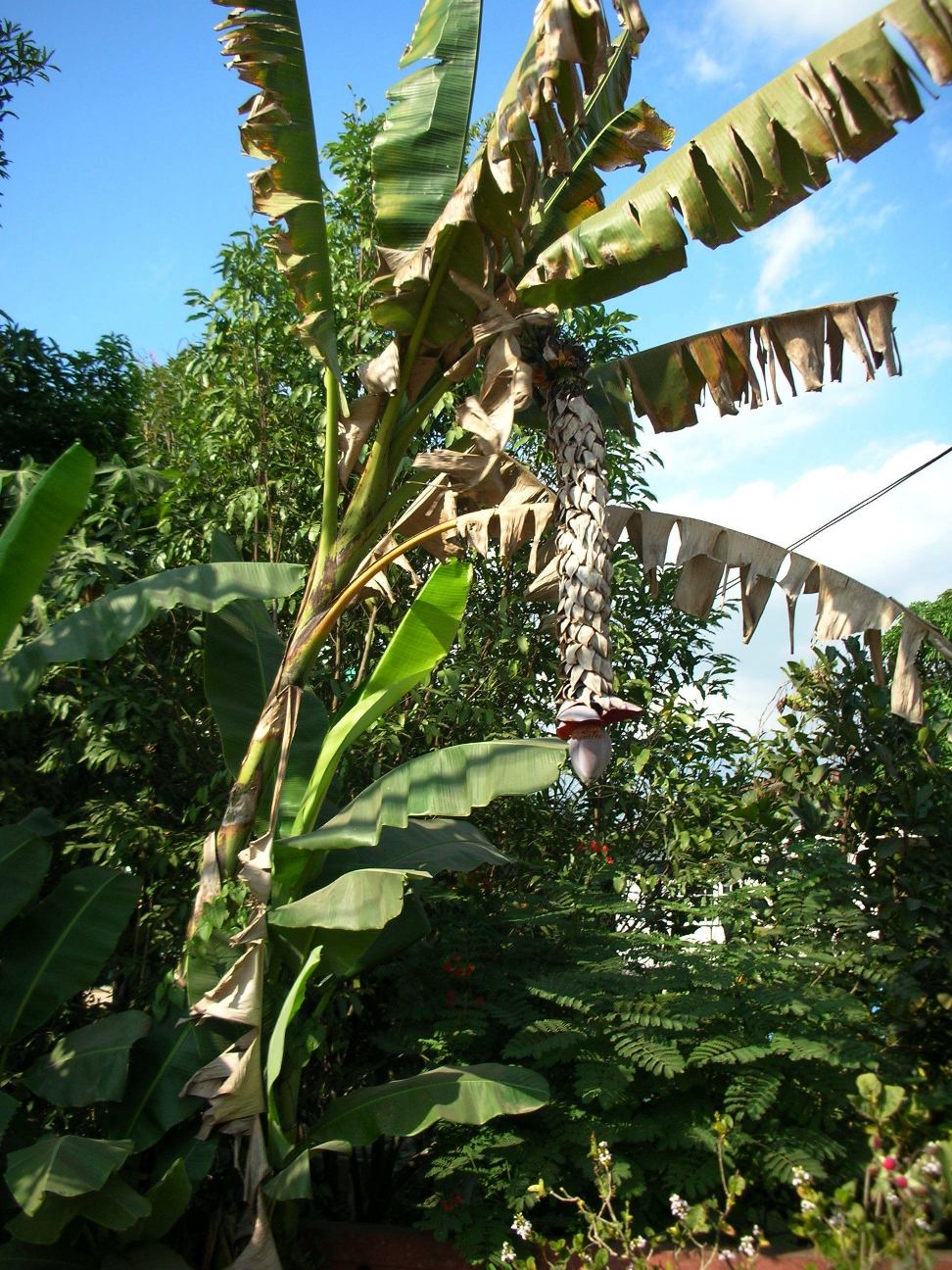 🇹🇭 Thailand and 1 moreNang Taniนางตานี
A female spirit said to inhabit wild banana trees in Southeast Asian folklore.Being · Protection · Luck and prosperity Living
🇷🇺 Russia and 4 moreFiery serpentsогненный змей
A pan-Slavic spirit of fire and wind, seen as a demon or a household helperBeing · Cursing and harm · Luck and prosperity Historical
🇹🇭 Thailand and 1 moreNang Taniนางตานี
A female spirit said to inhabit wild banana trees in Southeast Asian folklore.Being · Protection · Luck and prosperity Living
🇷🇺 Russia and 4 moreFiery serpentsогненный змей
A pan-Slavic spirit of fire and wind, seen as a demon or a household helperBeing · Cursing and harm · Luck and prosperity Historical
 🇷🇴 Romania and 1 moreSânziană
Romanian fairies and a summer solstice festival of flowers and magicBeing · Protection · Love and attraction Living
🇷🇴 Romania and 1 moreSânziană
Romanian fairies and a summer solstice festival of flowers and magicBeing · Protection · Love and attraction Living
 🇨🇳 ChinaBenzhuism本主教
The indigenous patron worship of the Bai people in Yunnan, ChinaTradition · Protection · Healing Living
🇨🇳 ChinaBenzhuism本主教
The indigenous patron worship of the Bai people in Yunnan, ChinaTradition · Protection · Healing Living
 🇫🇷 FranceMargot the fairy
Earthly fairies of Brittany known for dancing, building monuments, and testing human guests.Being · Luck and prosperity · Cursing and harm Historical
🇫🇷 FranceMargot the fairy
Earthly fairies of Brittany known for dancing, building monuments, and testing human guests.Being · Luck and prosperity · Cursing and harm Historical
 🇨🇳 ChinaPixiu貔貅
A winged lion-like creature from Chinese lore that guards wealth and wards off evil spirits.Being · Protection · Luck and prosperity Living
🇵🇭 PhilippinesTiyanak
A vampiric creature in Philippine mythology that mimics a baby to lure travelers.Being · Cursing and harm · Luck and prosperity Living
🇨🇳 ChinaPixiu貔貅
A winged lion-like creature from Chinese lore that guards wealth and wards off evil spirits.Being · Protection · Luck and prosperity Living
🇵🇭 PhilippinesTiyanak
A vampiric creature in Philippine mythology that mimics a baby to lure travelers.Being · Cursing and harm · Luck and prosperity Living
 🇯🇵 JapanOkiagari-koboshi起き上がり小法師
A Japanese roly-poly doll that rights itself when knocked overCharm · Luck and prosperity · Power and authority Living
🇯🇵 JapanOkiagari-koboshi起き上がり小法師
A Japanese roly-poly doll that rights itself when knocked overCharm · Luck and prosperity · Power and authority Living
 🇨🇳 China and 3 moreCash方孔錢
A round copper coin with a square hole used in China and East Asia for two millennia.Charm · Luck and prosperity · Speaking with spirits and the dead Living
🇨🇳 China and 3 moreCash方孔錢
A round copper coin with a square hole used in China and East Asia for two millennia.Charm · Luck and prosperity · Speaking with spirits and the dead Living
 🇨🇳 China and 1 moreMoney tree搖錢樹
A mythical tree of fortune and a Chinese New Year custom for wealthFigure · Luck and prosperity · Power and authority Living
🇳🇴 NorwayTycho Brahe daysTycho Brahes-dage
Scandinavian folklore dates believed to be unlucky for magic and businessBelief · Luck and prosperity Historical
🇨🇳 China and 1 moreMoney tree搖錢樹
A mythical tree of fortune and a Chinese New Year custom for wealthFigure · Luck and prosperity · Power and authority Living
🇳🇴 NorwayTycho Brahe daysTycho Brahes-dage
Scandinavian folklore dates believed to be unlucky for magic and businessBelief · Luck and prosperity Historical
 🇪🇬 Egypt and 1 moreAgathos Daimonἀγαθὸς δαίμων
A noble spirit and serpent deity of Greek and Egyptian traditionBeing · Protection · Luck and prosperity Historical
🇪🇬 Egypt and 1 moreAgathos Daimonἀγαθὸς δαίμων
A noble spirit and serpent deity of Greek and Egyptian traditionBeing · Protection · Luck and prosperity Historical
 🇮🇳 IndiaSuperstition in India
Common beliefs and rituals across India that influence daily life and major eventsBelief · Protection · Luck and prosperity Living
🇮🇳 IndiaSuperstition in India
Common beliefs and rituals across India that influence daily life and major eventsBelief · Protection · Luck and prosperity Living
 🇮🇳 India and 5 moreLock of hair
A piece of human hair kept for symbolic, sentimental, or superstitious reasons.Substance · Protection · Luck and prosperity Living
🇺🇸 United StatesStamping
A childhood gesture believed to capture luck from specific animals or objectsBelief · Luck and prosperity Historical
🇮🇳 India and 5 moreLock of hair
A piece of human hair kept for symbolic, sentimental, or superstitious reasons.Substance · Protection · Luck and prosperity Living
🇺🇸 United StatesStamping
A childhood gesture believed to capture luck from specific animals or objectsBelief · Luck and prosperity Historical
 🇮🇳 India and 5 moreNavaratnaनवरत्न
A nine-gem talisman set in gold or silver, linked to Hindu astrology and planetary worshipCharm · Protection · Healing Living
🇮🇳 India and 5 moreNavaratnaनवरत्न
A nine-gem talisman set in gold or silver, linked to Hindu astrology and planetary worshipCharm · Protection · Healing Living
 🇯🇵 JapanKabura-ya鏑矢
A Japanese arrow with a whistling tip used in ritual archery and Shinto ritesSubstance · Protection · Speaking with spirits and the dead Living
🇮🇹 ItalyIn bocca al lupo
An Italian idiom wishing good luck by invoking danger, with a response asking for the wolf's death.Belief · Luck and prosperity Living
🇬🇧 United KingdomShoes on a table
A superstition that placing footwear on a table invites bad luck or disrespectBelief · Luck and prosperity Living
🇯🇵 JapanKabura-ya鏑矢
A Japanese arrow with a whistling tip used in ritual archery and Shinto ritesSubstance · Protection · Speaking with spirits and the dead Living
🇮🇹 ItalyIn bocca al lupo
An Italian idiom wishing good luck by invoking danger, with a response asking for the wolf's death.Belief · Luck and prosperity Living
🇬🇧 United KingdomShoes on a table
A superstition that placing footwear on a table invites bad luck or disrespectBelief · Luck and prosperity Living
 🇮🇱 Israel and 4 moreChaiחי
A Hebrew word and symbol meaning 'alive', used as an amulet and in Jewish culture.Charm · Protection · Luck and prosperity Living
🇮🇱 Israel and 4 moreChaiחי
A Hebrew word and symbol meaning 'alive', used as an amulet and in Jewish culture.Charm · Protection · Luck and prosperity Living
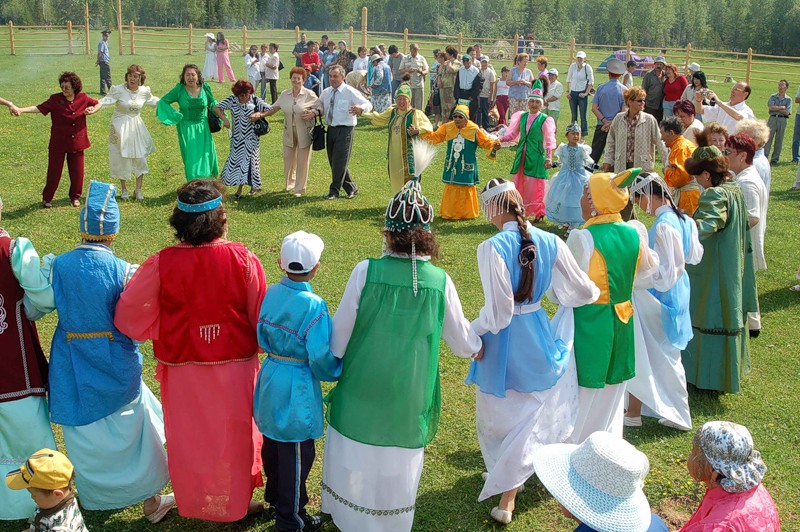 🇷🇺 RussiaYhyakhЫһыах
A summer solstice festival of the Sakha people marking the new year and nature's returnTradition · Luck and prosperity · Speaking with spirits and the dead Living
🇿🇦 South AfricaAmadlozi
Ancestors of the Nguni people who guide and protect their descendantsBeing · Protection · Speaking with spirits and the dead Living
🇷🇺 RussiaYhyakhЫһыах
A summer solstice festival of the Sakha people marking the new year and nature's returnTradition · Luck and prosperity · Speaking with spirits and the dead Living
🇿🇦 South AfricaAmadlozi
Ancestors of the Nguni people who guide and protect their descendantsBeing · Protection · Speaking with spirits and the dead Living
 🇫🇷 FrancePetit AlbertSecrets merveilleux de la magie naturelle et cabalistique du petit Albert
An 18th-century French grimoire of natural and cabalistic magic sold to rural householdsText · Protection · Luck and prosperity Historical
🇩🇴 Dominican RepublicAnaisa Pye
A Dominican loa of love and wealth, linked to Saint Anne.Being · Love and attraction · Luck and prosperity Living
🇫🇷 FrancePetit AlbertSecrets merveilleux de la magie naturelle et cabalistique du petit Albert
An 18th-century French grimoire of natural and cabalistic magic sold to rural householdsText · Protection · Luck and prosperity Historical
🇩🇴 Dominican RepublicAnaisa Pye
A Dominican loa of love and wealth, linked to Saint Anne.Being · Love and attraction · Luck and prosperity Living
 🇹🇼 Taiwan and 1 moreAuspicious train ticket吉祥語車票
Train tickets with station names that form lucky phrases through wordplay.Charm · Luck and prosperity Living
🇹🇼 Taiwan and 1 moreAuspicious train ticket吉祥語車票
Train tickets with station names that form lucky phrases through wordplay.Charm · Luck and prosperity Living
 🇺🇸 United StatesQuviasukvikᖁᕕᐊᓲᑎᖃᕐᕕᒃ
An Arctic festival marking the new year with sunrise rituals and community gatherings.Tradition · Luck and prosperity · Speaking with spirits and the dead Living
🇺🇸 United StatesQuviasukvikᖁᕕᐊᓲᑎᖃᕐᕕᒃ
An Arctic festival marking the new year with sunrise rituals and community gatherings.Tradition · Luck and prosperity · Speaking with spirits and the dead Living
 🇮🇳 IndiaSuperstitions in Sikh societies
Folk beliefs and rituals observed by some Sikhs despite theological prohibitions.Belief · Luck and prosperity Living
🇩🇿 AlgeriaWezeeaوَزِيعَة
A Kabyle custom of communal slaughter and meat sharing for social solidarityRite · Speaking with spirits and the dead · Luck and prosperity Living
🇻🇪 VenezuelaDjucu
A warm sea nut used as a lucky charm in the CaribbeanCharm · Luck and prosperity Living
🇮🇳 IndiaSuperstitions in Sikh societies
Folk beliefs and rituals observed by some Sikhs despite theological prohibitions.Belief · Luck and prosperity Living
🇩🇿 AlgeriaWezeeaوَزِيعَة
A Kabyle custom of communal slaughter and meat sharing for social solidarityRite · Speaking with spirits and the dead · Luck and prosperity Living
🇻🇪 VenezuelaDjucu
A warm sea nut used as a lucky charm in the CaribbeanCharm · Luck and prosperity Living
 🇬🇧 United Kingdom and 1 moreDried cat
A dried feline body hidden in walls to protect a home from harmCharm · Protection · Luck and prosperity Historical
🇬🇧 United Kingdom and 1 moreDried cat
A dried feline body hidden in walls to protect a home from harmCharm · Protection · Luck and prosperity Historical
 🇳🇵 Nepal and 1 moreKiratism
The indigenous animist and shamanic religion of the Kirati peoples in Nepal and IndiaTradition · Protection · Speaking with spirits and the dead Living
🇹🇭 Thailand and 1 moreHae Nang Maewแห่นางแมว (Thai); ពិធីហែនាងម៉ែវ (Khmer)
A rainmaking ritual where a cat is paraded through villages to end droughtRite · Luck and prosperity Living
🇫🇮 Finland and 1 moreFrog coffin
A Finnish folk magic burial of a frog in a tiny coffin to steal luck or reflect harmRite · Protection · Cursing and harm Historical
🇿🇼 ZimbabweMhande
A Shona song and dance performance tied to rain rituals and ancestral communicationIllusion · Speaking with spirits and the dead · Luck and prosperity Living
🇳🇵 Nepal and 1 moreKiratism
The indigenous animist and shamanic religion of the Kirati peoples in Nepal and IndiaTradition · Protection · Speaking with spirits and the dead Living
🇹🇭 Thailand and 1 moreHae Nang Maewแห่นางแมว (Thai); ពិធីហែនាងម៉ែវ (Khmer)
A rainmaking ritual where a cat is paraded through villages to end droughtRite · Luck and prosperity Living
🇫🇮 Finland and 1 moreFrog coffin
A Finnish folk magic burial of a frog in a tiny coffin to steal luck or reflect harmRite · Protection · Cursing and harm Historical
🇿🇼 ZimbabweMhande
A Shona song and dance performance tied to rain rituals and ancestral communicationIllusion · Speaking with spirits and the dead · Luck and prosperity Living
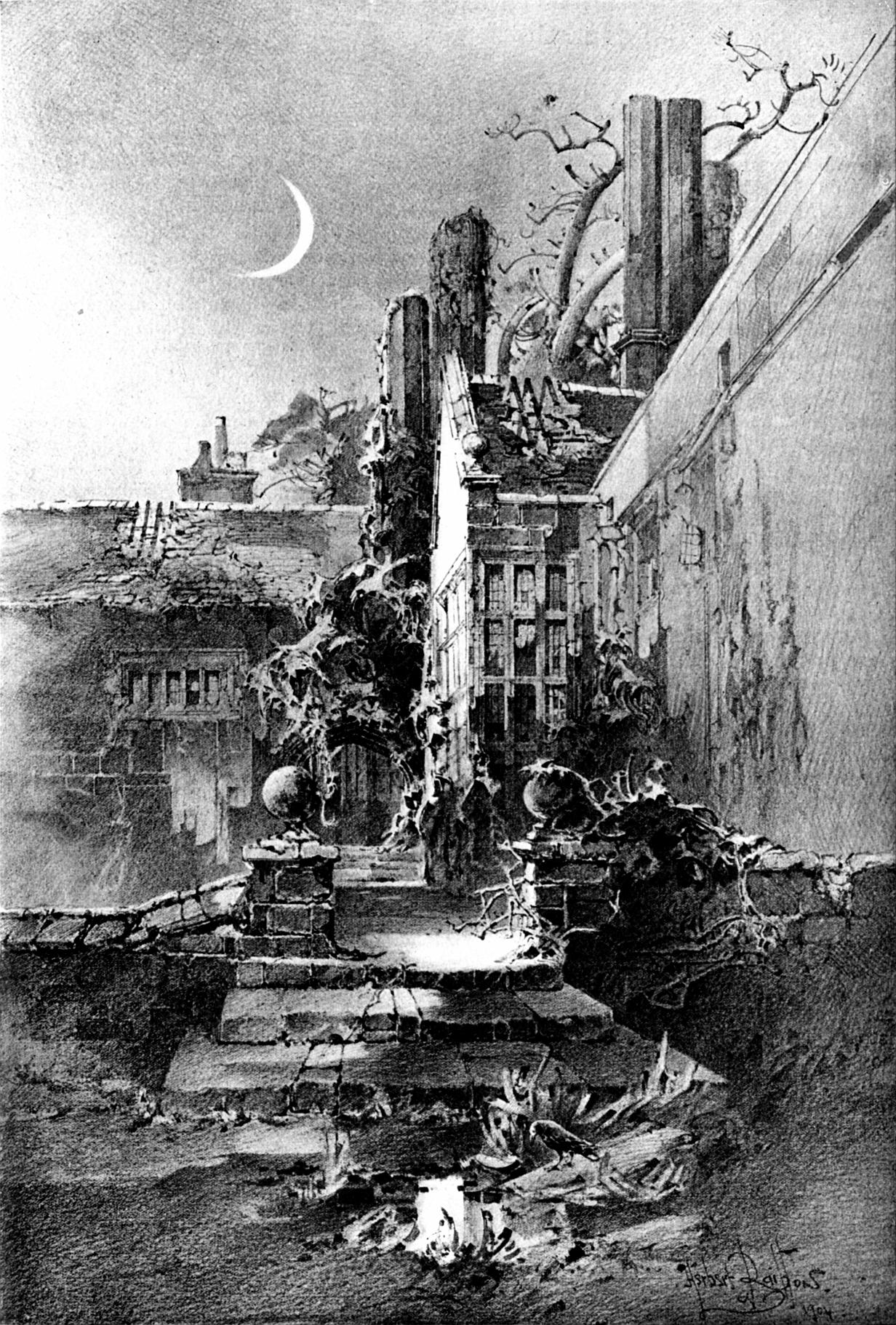 🇬🇧 United KingdomHobgoblin
A household spirit from English folklore known for chores and mischiefBeing · Cursing and harm · Luck and prosperity Historical
🇬🇧 United KingdomHobgoblin
A household spirit from English folklore known for chores and mischiefBeing · Cursing and harm · Luck and prosperity Historical
 🇪🇸 SpainIndalo
A Bronze Age pictograph used as a protective house charm and lucky symbol in Almería, SpainCharm · Protection · Luck and prosperity Living
🇪🇸 SpainIndalo
A Bronze Age pictograph used as a protective house charm and lucky symbol in Almería, SpainCharm · Protection · Luck and prosperity Living
 🇹🇭 ThailandSihuhataแมงสี่หูห้าตา
A legendary creature from northern Thai folklore associated with wealth and divine testingBeing · Luck and prosperity · Power and authority Living
🇹🇭 ThailandSihuhataแมงสี่หูห้าตา
A legendary creature from northern Thai folklore associated with wealth and divine testingBeing · Luck and prosperity · Power and authority Living
 🇩🇪 GermanyFeldgeist
German folk creatures tied to crops, weather and harvest ritualsBeing · Cursing and harm · Luck and prosperity Historical
🇩🇪 GermanyFeldgeist
German folk creatures tied to crops, weather and harvest ritualsBeing · Cursing and harm · Luck and prosperity Historical
 🇬🇧 United KingdomBuccabocka
A Cornish sea-spirit and mine-dweller who receives fish offerings from coastal communities.Being · Protection · Luck and prosperity Historical
🇬🇧 United KingdomBuccabocka
A Cornish sea-spirit and mine-dweller who receives fish offerings from coastal communities.Being · Protection · Luck and prosperity Historical
Photo credits on this page
The small pictures above come from Wikimedia Commons under free licences. Some are cropped to fit.
- Kabura-ya: urasimaru, CC BY-SA 2.0, source
- Yhyakh: Humano92, Public domain, source
- Changeling: Henry Fuseli, Public domain, source
- Quviasukvik: Jodie Wilson, CC BY 2.0, source
- Confucian coin charms: Jean-Michel Moullec, CC BY 2.0, source
- Marriage coin charm: Scott Semans, CC BY 3.0, source
- Kiratism: TheDreamSky ( talk ), CC BY 3.0, source
- Easter Bunny: Dr. Bernd Gross, CC BY-SA 3.0, source
- Tooth fairy: Eden, CC BY 2.0, source
- Vesna: Viktor Vasnetsov, Public domain, source
- Nang Tani: Xufanc, CC BY-SA 3.0, source
- Benzhuism: G41rn8, CC BY-SA 4.0, source
- Pixiu: N509FZ, CC BY-SA 4.0, source
- Hobgoblin: Herbert Railton, Public domain, source
- Sihuhata: Chainwit., CC BY-SA 4.0, source
- Feldgeist: Zwoelefant, CC BY-SA 3.0, source
- Bucca: Frederick Whymper, Public domain, source
- Okiagari-koboshi: Unknown author, CC BY-SA 3.0, source
- Cash: User 冷玉 on zh.wikipedia, CC BY-SA 3.0, source
- Money tree: Pratyeka, CC BY-SA 4.0, source
- Agathos Daimon: Carole Raddato, CC BY-SA 2.0, source
- Superstition in India: Ji-Elle, CC BY-SA 4.0, source
- Lock of hair: Unknown author, CC0, source
- Navaratna: Pradeep717, CC BY-SA 4.0, source
- Chai: BASWIM, CC BY 3.0, source
- Petit Albert: Albertus Parvus Lucius, CC BY-SA 4.0, source
- Superstitions in Sikh societies: jjron, CC BY-SA 3.0, source
- Dried cat: The Voice of Hassocks, CC0, source
- Auspicious train ticket: SSR2000, CC BY-SA 3.0, source
- Indalo: Ismael Olea, Public domain, source
- Sânziană: Saturnian, CC BY-SA 3.0, source