The Djucu is a brown and black nut found on the shores of Curaçao and Venezuela. It is believed to bring luck and wellness, especially in gambling.
- A brown and black nut from the sea
- Becomes warm when rubbed
- Used as a lucky charm in gambling
- Popular in Aruba and Curaçao
- Often set in gold jewellery
What it is
The Djucu is a small nut that washes up from the sea onto the beaches of Curaçao and Venezuela. Locals call it a lucky stone because of its unique properties. When you rub the smooth surface, the nut becomes noticeably warm. This warmth is a key part of its identity as a charm. People keep these nuts close to feel their presence and benefit from their reputed power.
Where it comes from
They only state that it comes from the sea and washes ashore. The name Djucu is used in the region to identify this specific object. Its discovery is tied to finding them on the coast rather than harvesting them from trees.
How it is done
The primary method of using a Djucu involves holding or rubbing it. Rubbing generates heat, which is considered significant. In Aruba, people often set the nut in gold and wear it on a chain around their neck. This keeps the charm close to the body at all times. It is commonly carried during games of chance.
Tools and materials
The main tool is the nut itself, described as brown and black. In some cases, gold is used to mount the nut into jewellery. Chains are used to wear the charm. The warmth generated by friction is an essential feature of the experience.
Djucu, drawn and placed
- Living
- Revived
- Fading
- Historical
- Legendary
- Performed
- Timing
- gambling
What it is for
The Djucu is primarily used to bring luck and wellness. It is particularly popular for use in gambling. Many people believe it helps them win money or have better fortune in casinos. It serves as a personal talisman for those seeking good outcomes.
Who does it
Ordinary households and individuals use the Djucu. Anyone can find or buy one and use it. In Aruba, it is common for people to have their nut set in gold by jewellers to create wearable charms.
Peoples and places
The practice is noted in Curaçao and Venezuela, where the nut is found. It is very popular in Aruba, where it is widely used in daily life and casino visits.
At a glance: who, where and when
Who does it
Belief worlds
What people believe
People hold the belief that the Djucu brings luck and wellness. The warmth it produces when rubbed is seen as a sign of its vitality or power. It is treated as a protective or enhancing object for those who engage in risky activities like gambling.
When it is done
The charm is used generally, with a strong association to gambling activities which occur regularly.
How scholars and sceptics see it
The provided text does not include academic analysis or scholarly perspectives on the Djucu. It focuses on local beliefs and usage patterns.
Compare and confuse
The Djucu is referred to as a 'lucky stone' despite being a nut. This comparison highlights its perceived value and solidity in the eyes of users.
Today
The Djucu remains a living tradition in the Caribbean. It is actively used in Aruba's casinos and worn as jewellery. Its popularity persists among locals who seek its reputed benefits.
Questions people ask about Djucu
What is a Djucu?
It is a brown and black nut that washes up from the sea on the coasts of Curaçao and Venezuela. Locals consider it a lucky stone due to its unique ability to generate heat.
Why is it called a stone?
Although it is a nut, it is called a lucky stone because of its hardness and the way it is treated as a precious object. The term emphasizes its durability and value as a charm.
How is it used?
People rub the nut to make it warm, which is believed to activate its luck-bringing properties. In Aruba, it is often set in gold and worn on a chain for constant protection.
Where is it most popular?
While found in Venezuela and Curaçao, it is very popular in Aruba. Many people there use it specifically for gambling and wear it as jewellery for good fortune.
Good reading and sources
The facts on this page come from the Wikipedia article "Djucu", written by its contributors and used under the CC BY-SA 4.0 licence, and from its Wikidata record (CC0). EveryJaadu rewrote the text in its own words, with AI assistance, and compares every page with the article to make sure no passage is copied. It may be reused under the same CC BY-SA 4.0 licence with a link back.
It may contain mistakes. Names and customs differ from one community to the next, and some knowledge is closed to outsiders and left out here. This page describes belief and practice. It does not say that any of it works, it is not a how-to, and it is not medical advice. If something is wrong, tell us. Last refreshed 2026-10-09.
More from Venezuela
All the entries from Venezuela 🇩🇴 Dominican Republic and 5 moreZemi
A Taíno deity or ancestral spirit housed in a carved object used for worship and protectionBeing · Protection · Healing Historical
🇩🇴 Dominican Republic and 5 moreZemi
A Taíno deity or ancestral spirit housed in a carved object used for worship and protectionBeing · Protection · Healing Historical
 🇲🇽 Mexico and 3 moreFolk saint
Unofficially recognized holy figures venerated by local communities for intercession and miraclesBelief · Protection · Healing Living
🇲🇽 Mexico and 3 moreFolk saint
Unofficially recognized holy figures venerated by local communities for intercession and miraclesBelief · Protection · Healing Living
 🇵🇪 Peru and 5 morePalo Santo
Aromatic wood used in South American ritual cleansing and folk medicineSubstance · Cleansing and purification · Healing Living
🇵🇪 Peru and 5 morePalo Santo
Aromatic wood used in South American ritual cleansing and folk medicineSubstance · Cleansing and purification · Healing Living
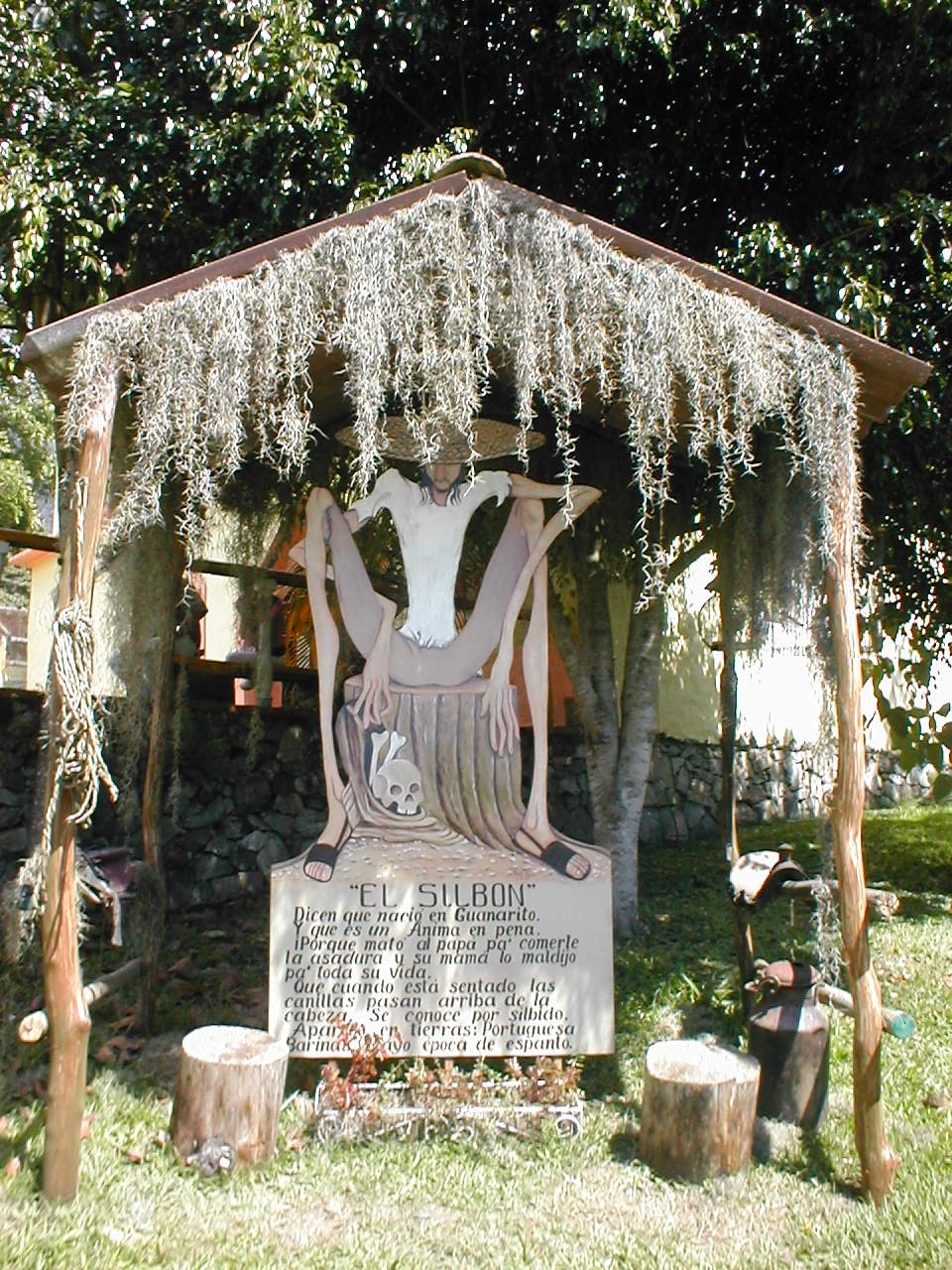 🇻🇪 Venezuela and 1 moreEl Silbón
A Venezuelan and Colombian legend of a cursed spirit who carries his father's bones.Figure · Cursing and harm · Seeing and foretelling Legendary
🇻🇪 Venezuela and 1 moreEl Silbón
A Venezuelan and Colombian legend of a cursed spirit who carries his father's bones.Figure · Cursing and harm · Seeing and foretelling Legendary
Related elsewhere
All charm 🇮🇳 India and 5 moreAstrology
A divinatory practice that reads human fate through the positions of celestial bodies.Belief · Seeing and foretelling · Luck and prosperity Living
🇮🇳 India and 5 moreAstrology
A divinatory practice that reads human fate through the positions of celestial bodies.Belief · Seeing and foretelling · Luck and prosperity Living
 🇷🇸 Serbia and 5 moreVampire
An undead creature from folklore that feeds on the blood or life force of the livingBeing · Cursing and harm · Luck and prosperity Legendary
🇷🇸 Serbia and 5 moreVampire
An undead creature from folklore that feeds on the blood or life force of the livingBeing · Cursing and harm · Luck and prosperity Legendary
 🇪🇬 EgyptCurse
A spoken wish for misfortune to befall a person or placeBelief · Cursing and harm · Luck and prosperity Historical
🇪🇬 EgyptCurse
A spoken wish for misfortune to befall a person or placeBelief · Cursing and harm · Luck and prosperity Historical
 🇧🇪 Belgium and 2 moreHorseshoe
A metal shoe for a horse's hoof and a talisman of good fortuneCharm · Protection · Luck and prosperity Living
🇧🇪 Belgium and 2 moreHorseshoe
A metal shoe for a horse's hoof and a talisman of good fortuneCharm · Protection · Luck and prosperity Living