Households and ordinary people
Grandmothers, parents and neighbours doing the small things: the knot, the salt, the red thread.
Households and ordinary people do most of the world's magic: the grandmother who ties a thread on a baby's wrist, the neighbour who throws salt, the shopkeeper who hangs a lemon and chillies, the family that burns incense before a photograph. These people are not specialists and often do not call it magic. This page looks at the domestic side of the subject, which is the commonest and least written about.
Everyday customs
Household practice is woven into daily life: sweeping at new year, a bead on a cradle, a horseshoe over a door, a charm in a car. It tends to be practical, brief and handed down within the family. Many people say they do it because their mother did, or to be safe. It rarely needs a priest, a text or a fee. The hands that do it are those of mothers and grandmothers, who also cook, clean and care, so the magic is part of the labour of the home.
Women and the home
Women are the principal keepers of household custom in many societies, as mothers, grandmothers and aunts. Their knowledge covers birth, child care, food, illness, marriage and death. That knowledge is often undervalued by the formal religion and by scholars, and was also the source of accusations in the witch trials, in which women who were midwives or healers were prominent. A household custom is learned by watching and may never be explained, since the practitioner does not see it as special.
Faith and the home
Religious leaders have seen household custom as faith, as superstition or as a nuisance. Reformers in Protestant Europe, Salafi Islam and some Hindu and Buddhist movements have told people to give up such practices. Many people keep them regardless. In the diaspora, the home customs are sometimes the part of heritage that lasts longest, and are carried to new countries in suitcases. In cities, small shrines, protective charms and everyday rituals often survive in apartments, taxis and shops.
Why scholars care
Anthropologists of everyday religion and folklorists record these customs as evidence of how people manage risk. They show how belief and practice differ, since people may say they do not believe and still knock on wood. Household magic is also the easiest to commercialise, in shops selling charms and kits that detach customs from their homes. A new student or visitor may find that families who say they do not believe still follow such customs carefully, and this gap is one of the more interesting findings.
Households and ordinary people on EveryJaadu
The entries written up so far, best known first.
 🇬🇷 Greece and 5 moreBay Laurelδάφνη
An aromatic Mediterranean plant used in cooking and as a symbol of victory and purification.Substance · Protection · Cleansing and purification Living
 🇬🇷 Greece and 5 moreVotive offering
Objects left in sacred places to honor a deity or fulfill a vow, never to be recovered.Tradition · Protection · Healing Living
 🇨🇳 China and 5 moreQingming Festival清明节
A spring day for sweeping graves, feeding the dead and honouring ancestorsTradition · Speaking with spirits and the dead · Protection Living
 🇮🇪 Ireland and 1 moreBrigid's crossCros Bhríde
A woven straw charm hung for protection, named after Ireland's patron saintCharm · Protection · Luck and prosperity Living
 🇪🇪 Estonia and 5 moreFern flower
A mythical bloom said to bring fortune and unlock secrets, found only on midsummer night.Belief · Luck and prosperity · Love and attraction Living
 🇳🇬 NigeriaOsun-Osogbo Sacred GroveOsun-Osogbo
A sacred forest in Nigeria dedicated to the river goddess Osun, celebrated with an annual festival.Tradition · Speaking with spirits and the dead · Protection Living
 🇷🇺 Russia and 4 moreFolk Orthodoxyнародное православие
A blend of Eastern Orthodox doctrine and pre-Christian pagan beliefs in Slavic communitiesTradition · Protection · Luck and prosperity Living
 🇨🇳 China and 5 moreSky lantern天燈
A paper hot air balloon lifted by flame to carry wishes and blessingsRite · Luck and prosperity · Protection Living
 🇮🇳 India and 5 moreKolamகோலம்
A daily geometric floor drawing made with rice flour at the home entrance in South IndiaRite · Protection · Luck and prosperity Living
🇬🇧 United Kingdom and 3 moreFirst-footciad-chuairt
The first visitor on New Year's Day, believed to set the household's fortune for the year aheadTradition · Luck and prosperity Living
 🇲🇽 Mexico and 3 moreFolk saint
Unofficially recognized holy figures venerated by local communities for intercession and miraclesBelief · Protection · Healing Living
 🇮🇳 India and 1 moreAshtamangalaअष्टमङ्गल (Aṣṭamaṅgala)
A set of eight sacred symbols used in Indian religions to mark auspicious occasions and teach spiritual truths.Charm · Luck and prosperity · Protection Living
 🇮🇪 Ireland and 4 moreFour-leaf clover
A rare plant mutation believed to bring good luck and used as a symbol of fortune.Charm · Luck and prosperity Living
 🇲🇳 Mongolia and 2 moreWind Horseརླུང་རྟ་
An East and Central Asian symbol of the soul, luck, and vital energyBeing · Luck and prosperity · Protection Living
 🇮🇪 Ireland and 4 moreWinter solstice
The shortest day and longest night of the year, marked by rites of solar returnTradition · Seeing and foretelling · Protection Living
 🇮🇷 Iran and 5 moreKnocking on wood
A gesture of tapping wood to ward off bad luck or prevent tempting fateBelief · Protection · Luck and prosperity Living
 🇯🇵 Japan and 2 moreTanabataたなばた (七夕)
A Japanese celebration of star-crossed lovers and written wishesTradition · Luck and prosperity · Wonder and entertainment Living
 🇷🇺 Russia and 1 moreCaul
A birth membrane kept as a talisman for luck and protection from drowningCharm · Protection · Luck and prosperity Historical
 🇬🇧 United Kingdom and 7 moreSaint Andrew's Day
A Christian feast day marked by national holidays in Scotland and Romania, and folk divination across Europe.Rite · Seeing and foretelling · Luck and prosperity Living
 🇮🇪 Ireland and 4 moreCairncarn
A human-made pile of stones used as a marker, memorial, or ritual object across many cultures.Tradition · Protection · Speaking with spirits and the dead Living
 🇮🇹 ItalyBefana
An Italian witch-like figure who delivers gifts on Epiphany EveFigure · Luck and prosperity · Wonder and entertainment Living
 🇬🇧 United Kingdom and 5 moreConcealed shoes
Shoes hidden in building structures as folk charms for protection and fertilityCharm · Protection · Speaking with spirits and the dead Historical
 🇮🇳 India and 5 moreBindibindú
A dot worn on the forehead to mark spiritual focus and marital status in South Asia.Charm · Protection · Power and authority Living
 🇲🇽 Mexico and 5 moreSanta MuerteNuestra Señora de la Santa Muerte
A female skeletal folk saint in Mexico and the Americas, worshipped for protection, healing, and safe passage.Tradition · Protection · Healing Living
 🇨🇳 China and 5 moreTetraphobia
The avoidance of the number four due to its similarity to the word for death in East Asian languagesBelief · Luck and prosperity Living
 🇮🇳 India and 5 moreAncestor veneration
Rituals honoring the dead to maintain kinship bonds and seek guidance from spiritsTradition · Speaking with spirits and the dead · Protection Living
🇧🇷 BrazilMacumba
A term for Afro-Brazilian spiritual practices, often carrying negative connotations of sorceryBelief · Healing · Luck and prosperity Historical
🇮🇳 India and 5 moreAncestor veneration
Rituals to honor the dead and maintain kinship bonds across generationsTradition · Speaking with spirits and the dead · Protection Living
 🇨🇳 China and 2 moreMenshen門神
Guardian figures pasted to doors in Chinese folk religion to protect homes from evil.Belief · Protection · Luck and prosperity Living
 🇮🇳 India and 2 moreYantraयन्त्र
A geometric diagram from Indian traditions used for worship and meditationCharm · Protection · Speaking with spirits and the dead Living
 🇬🇷 Greece and 5 moreCrossroads (folklore)
A junction between worlds where spirits are met and deals are madeBelief · Speaking with spirits and the dead · Cursing and harm Living
 🇨🇳 China and 2 moreEight Immortals八仙
Eight legendary Taoist figures of China, each with a power and a vesselFigure · Protection · Healing Living
 🇯🇵 JapanHatsuyume初夢
The first dream of the new year and its traditional omensBelief · Seeing and foretelling · Luck and prosperity Living
 🇯🇵 JapanCurse of the Colonelカーネルサンダースの呪い
A Japanese sports superstition blaming a baseball team's losses on an offended fast-food mascot.Belief · Luck and prosperity Historical
 🇺🇸 United StatesCurse of the Bambino
A sports superstition linking a long championship drought to a player saleBelief · Luck and prosperity Historical
 🇱🇦 Laos and 3 moreTai folk religionສາສະໜາຜີ
Spirits, ancestor rites, and soul-calling ceremonies of the Tai peoplesTradition · Protection · Healing Living
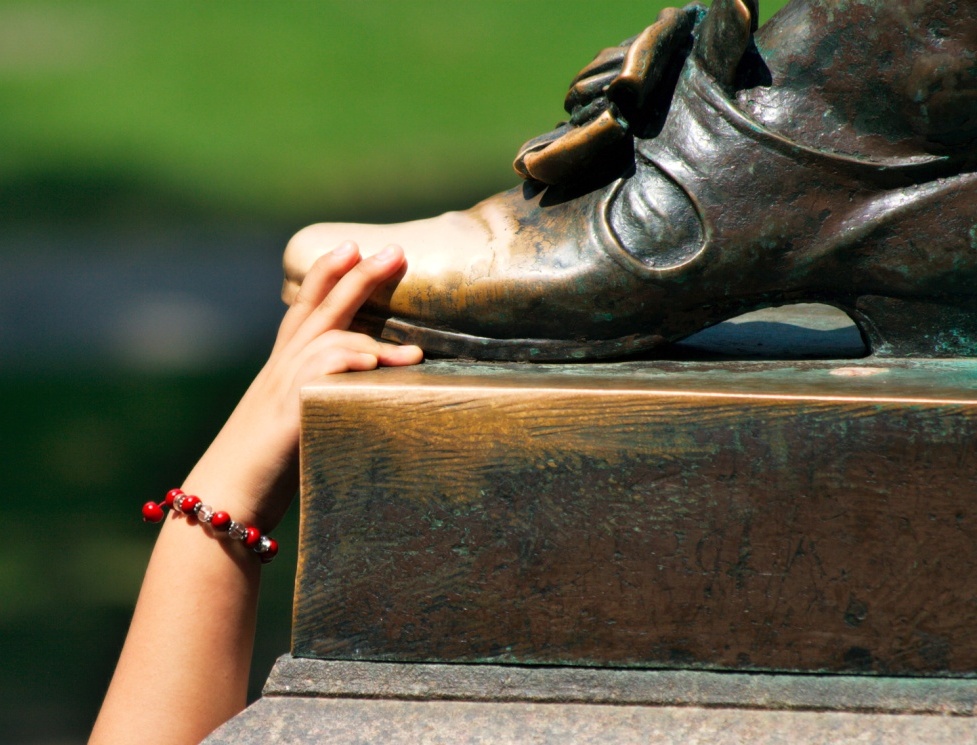 🇮🇪 IrelandStatue rubbing
A tourist custom of touching statues to attract luck, love, or a return visit.Belief · Luck and prosperity · Love and attraction Living
🇯🇵 JapanJapanese superstitions
Common beliefs in Japan about luck, numbers, and omens rooted in language and customBelief · Luck and prosperity · Protection Living
 🇺🇸 United States and 4 moreTooth fairy
A childhood figure who exchanges lost baby teeth for gifts or coins.Figure · Luck and prosperity Living
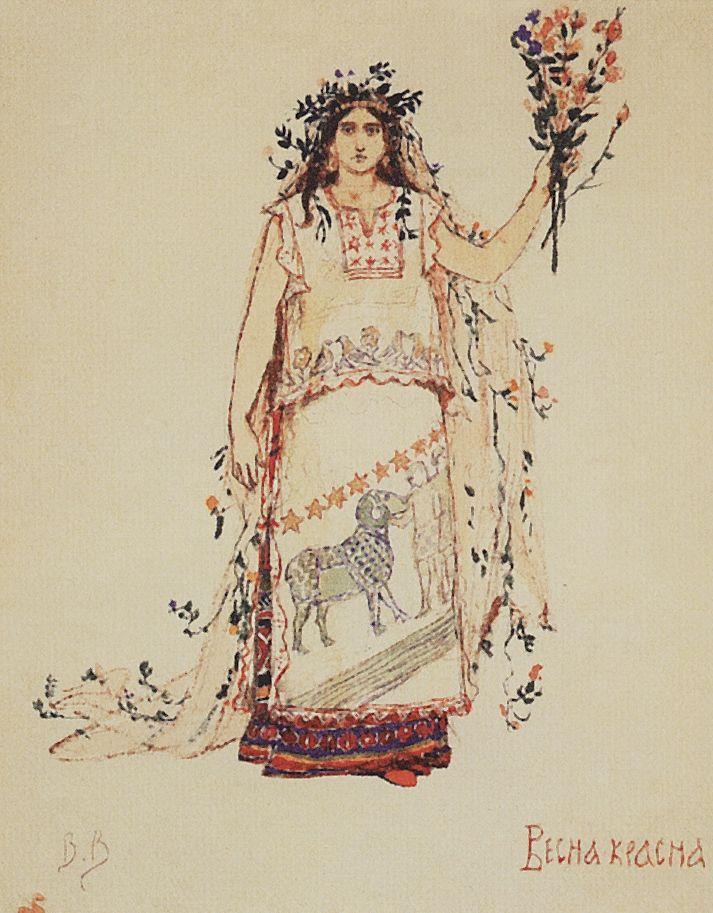 🇸🇮 Slovenia and 5 moreVesnaВесна
A Slavic personification of spring and youth, known in myth and languageFigure · Luck and prosperity Historical
🇷🇺 Russia and 4 moreFiery serpentsогненный змей
A pan-Slavic spirit of fire and wind, seen as a demon or a household helperBeing · Cursing and harm · Luck and prosperity Historical
 🇷🇴 Romania and 1 moreSânziană
Romanian fairies and a summer solstice festival of flowers and magicBeing · Protection · Love and attraction Living
🇺🇸 United StatesCurse of Rocky Colavito
A baseball superstition linking a 1960 player trade to decades of team failureBelief · Luck and prosperity Historical
🇮🇷 IranFaravaharفَرَوَهَر
Zoroastrian guardian spirits: ancestor-warriors and each person's unseen twinBeing · Protection · Speaking with spirits and the dead Living
 🇦🇺 Australia and 3 moreNelson (cricket)
A cricket superstition about the score 111 and the leg-raising ritual to ward it offBelief · Luck and prosperity Living
 🇮🇹 ItalyTredesin de Mars
A Milanese spring celebration marked by a flower fair and a legendary stoneTradition · Luck and prosperity · Wonder and entertainment Historical
Photo credits on this page
The small pictures above come from Wikimedia Commons under free licences. Some are cropped to fit.
- Tanabata: Laika ac, CC BY-SA 2.0, source
- Votive offering: Walter J. Pilsak, Waldsassen ( W.J.Pilsak at de.wikipedia ), CC BY-SA 3.0, source
- Vesna: Viktor Vasnetsov, Public domain, source
- Nelson (cricket): Lemuel Francis Abbott, Public domain, source
- Crossroads (folklore): MiddleOfAfrica, CC BY-SA 4.0, source
- Brigid's cross: Culnacreann, CC BY 3.0, source
- Fern flower: Antoni Piotrowski, Public domain, source
- Osun-Osogbo Sacred Grove: Cheeka 2.0, CC BY-SA 4.0, source
- Sky lantern: Richy, CC BY-SA 3.0, source
- Hatsuyume: Takeuchi Seihō, Public domain, source
- Ashtamangala: Redtigerxyz, CC BY-SA 3.0, source
- Four-leaf clover: Phyzome under the GFDL., CC BY-SA 3.0, source
- Tredesin de Mars: A ntv, Public domain, source
- Qingming Festival: Jacklee ., CC BY-SA 3.0, source
- Winter solstice: Image by Przemyslaw " Blueshade " Idzkiewicz, CC BY-SA 2.0, source
- Caul: JC Brand, CC BY-SA 4.0, source
- Saint Andrew's Day: Henryk Siemiradzki, Public domain, source
- San La Muerte: Sergio Serrano, CC BY-SA 2.0, source
- Bindi: Vinay Sahay, CC BY-SA 4.0, source
- Ancestor veneration: Thang Nguyen, CC BY-SA 2.0, source
- Menshen: Taiwankengo, CC BY-SA 3.0, source
- Curse of the Colonel: Ogiyoshisan, CC BY-SA 3.0, source
- Folk Orthodoxy: Лобачев Владимир, CC BY-SA 4.0, source
- Sânziană: Saturnian, CC BY-SA 3.0, source
- Kolam: mckaysavage, CC BY 2.0, source
- Statue rubbing: Matthias Rosenkranz, CC BY-SA 2.0, source
- Bay Laurel: Forest and Kim Starr, CC BY 3.0 us, source
- Curse of the Bambino: National Photo Company, Public domain, source
- Wind Horse: Clemensmarabu, CC BY-SA 3.0, source
- Tooth fairy: Eden, CC BY 2.0, source
- Knocking on wood: The White House, Public domain, source
- Cairn: Andrew Bossi, CC BY-SA 2.5, source
- Befana: El Ágora, Public domain, source
- Tai folk religion: ( เทวประภาส มากคล้าย ), Tevaprapas, Public domain, source
- Concealed shoes: Edmund Patrick, CC BY-SA 3.0, source
- Santa Muerte: Not home, Public domain, source
- Tetraphobia: Halowand, CC BY-SA 3.0, source
- Yantra: Photo by Daniel Conrad (Chromacon), artwork by Daniel Conrad under dir, Public domain, source
- Eight Immortals: Fanghong, CC BY-SA 3.0, source