Diviners and readers
Babalawos, astrologers, card readers and others who read signs.
Diviners and readers are the people who interpret signs: the Ifa babalawo, the sangoma with her bones, the astrologer, the tarot reader, the palm reader, the Chinese fortune-teller and the oracle priestess. They answer questions about marriage, business, illness and loss. This page looks at how they are trained, who they serve, how they are paid, and the line between guidance and fraud. Their trade is as old as writing.
Training and tools
Training varies. A babalawo studies for years and memorises thousands of verses. An astrologer in India may study classical texts or inherit a practice. A tarot reader may learn from books and a community. Tools include cowries, bones, cards, charts, shells, tea leaves and the lines of the hand. Most readers say their tools open a conversation, and some say a spirit speaks through them. Many keep a strict code of confidentiality, as a priest or counsellor would.
Clients and trust
Clients tend to come at moments of uncertainty. In India, astrologers are consulted for weddings and for names, and in West Africa Ifa is consulted for naming a child. Diviners often act as counsellors, hearing family stories and framing a decision. Some are trusted for decades, while others are strangers in a street, and the difference matters for how fraud is spotted. Fees range from a coin or a chicken to several hundred pounds, and a reading may be offered in a shop, a temple, a market stall or an app.
Regulation and religion
Rules vary widely. Some religious authorities forbid divination, and some states license or tax readers. Fortune-tellers have been prosecuted for fraud in the United States, the United Kingdom, India and elsewhere, particularly in cases that involve large payments to lift a curse. Others practise within religion and are protected, such as Ifa within Yoruba religion. Diviners often keep close to the dominant religion, and many Ifa and Vodou diviners are also baptised Christians.
How scholars read it
Psychologists describe cold reading, in which a reader draws on small cues. Anthropologists describe divination as a social process that can break deadlocks and share responsibility. Many diviners deny they predict the future and speak instead of showing possibilities. Advice on health, law or money from a reader is no replacement for qualified advice. Many say they are paid for their time and skill, as a counsellor might be, and not for any guarantee.
Diviners and readers on EveryJaadu
The entries written up so far, best known first.
 🇬🇷 Greece and 1 moreHydromancy
Divination using water to reveal the future or judge legitimacy.Oracle · Seeing and foretelling · Luck and prosperity Historical
 🇸🇪 Sweden and 2 moreGermanic seeressvǫlva
Diviners and sorceresses of early Germanic and Norse societyTradition · Seeing and foretelling · Power and authority Revived
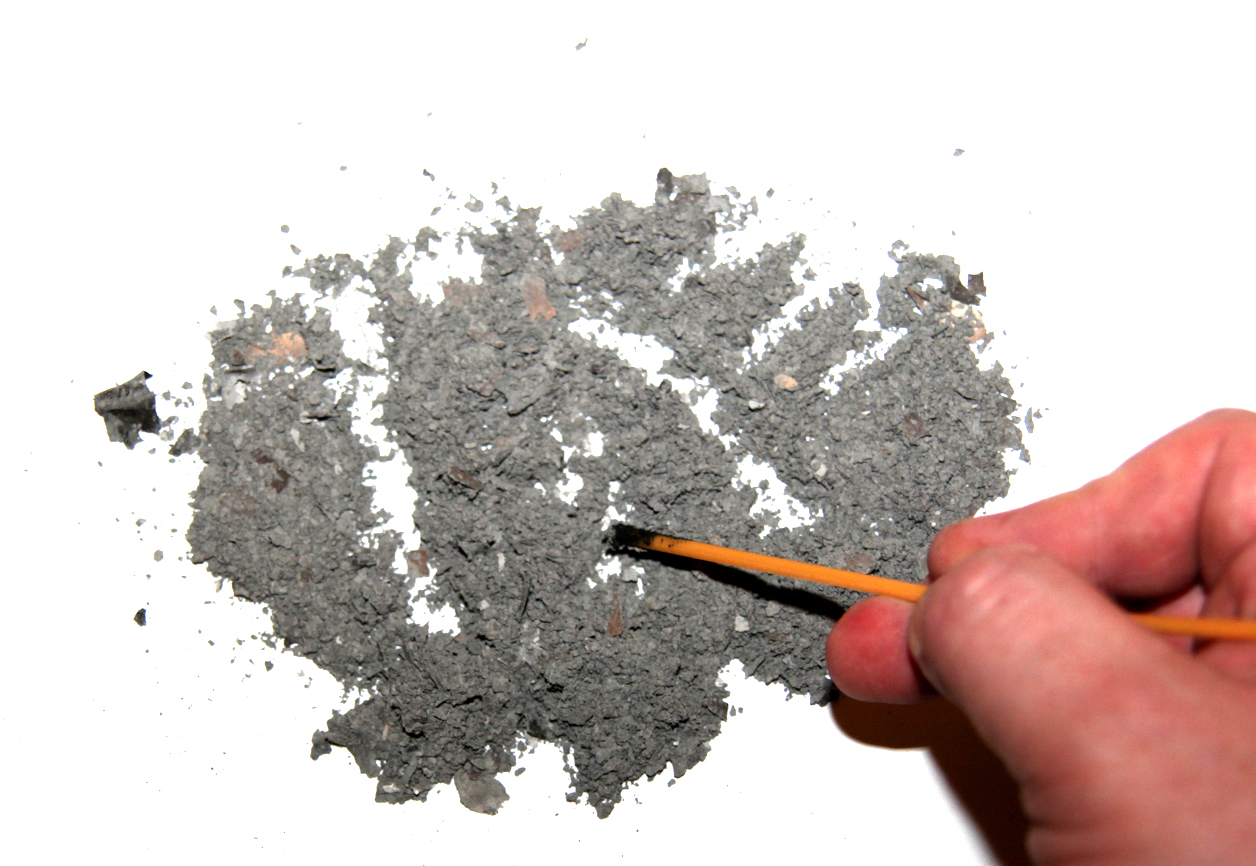 🇬🇷 Greece and 5 moreSpodomancy
Divination by reading omens in ashes, soot, and cindersOracle · Seeing and foretelling · Healing Living
 🇫🇷 FranceCartomancy
Divination using playing cards or tarot decks to foresee the futureOracle · Seeing and foretelling · Luck and prosperity Living
 🇬🇷 GreeceAeromancy
Divination by reading the sky, wind, and cloudsOracle · Seeing and foretelling Historical
🇸🇪 Sweden and 3 moreRunic magic
The use of ancient Germanic letters for spells, divination, and protectionTradition · Protection · Seeing and foretelling Living
 🇮🇹 Italy and 3 moreRenaissance magic
A 15th and 16th century revival of magical arts blending philosophy, astrology, and hidden knowledge.Tradition · Power and authority · Seeing and foretelling Historical
 🇺🇸 United States and 3 moreDowsing
A divination method using rods or twigs to locate hidden objects and waterBelief Living
🇬🇷 Greece and 3 morePyromancy
Divination by reading flames, smoke, or fire-heated objectsOracle · Seeing and foretelling Historical
 🇨🇳 China and 3 moreTasseography
A divination method that reads fortunes in the sediment of tea or coffee cupsOracle · Seeing and foretelling · Luck and prosperity Living
 🇬🇷 Greece and 2 moreAstragalomancy
Divination by casting marked bones, carved rods, or numbered diceOracle · Seeing and foretelling · Speaking with spirits and the dead Living
 🇬🇧 United Kingdom and 4 moreCunning folk
European practitioners of folk medicine and helpful magic from the Middle Ages to the twentieth centuryTradition · Protection · Healing Historical
 🇬🇧 United KingdomMother Shipton
An English prophetess and herbalist from folklore, known for predictions printed long after her death.Figure · Seeing and foretelling · Healing Historical
 🇬🇷 Greece and 3 moreOracle
A person or site believed to channel divine insight and predict the future.Oracle · Seeing and foretelling · Power and authority Historical
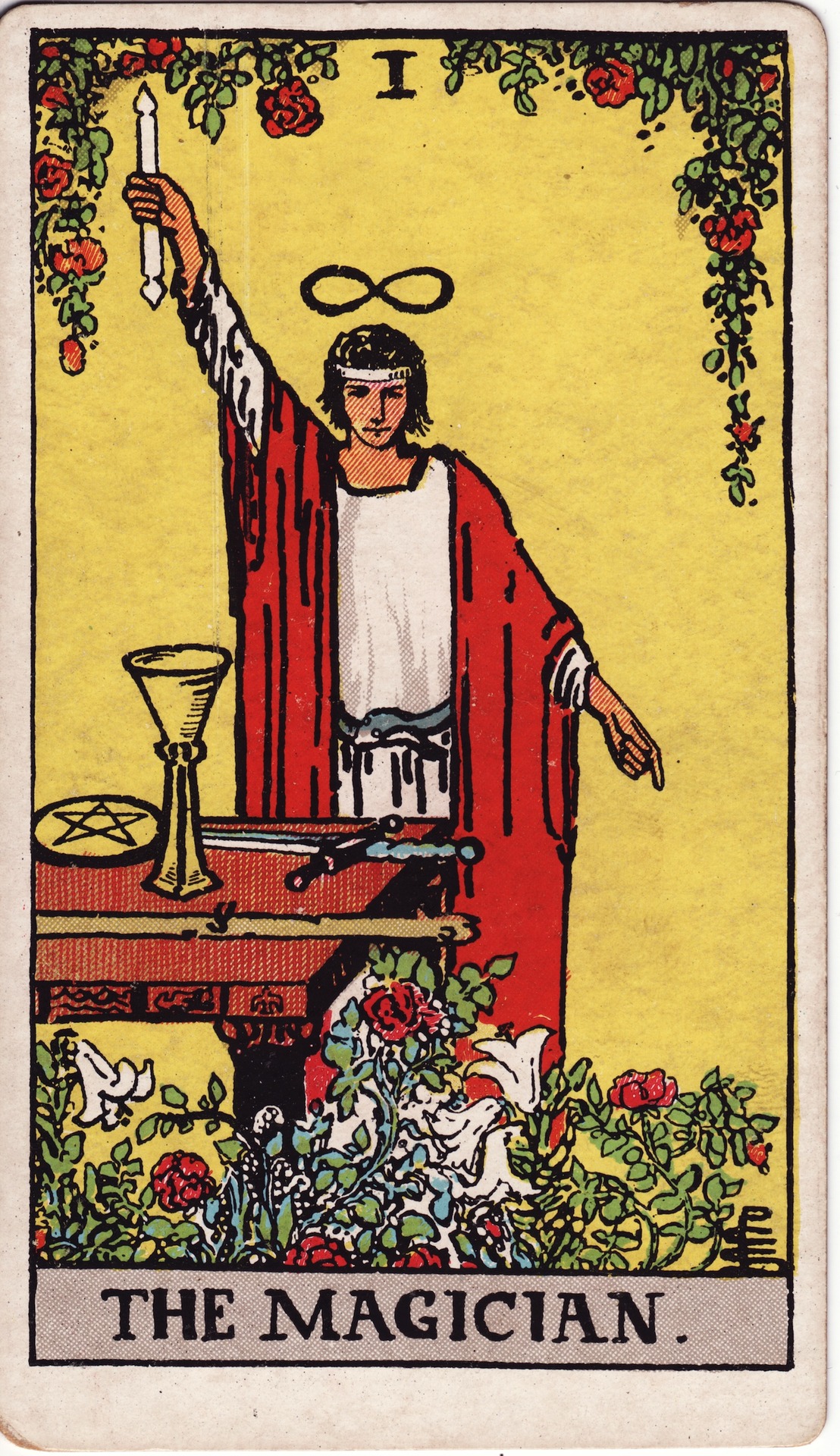 🇮🇹 ItalyThe MagicianLe Bateleur
A tarot trump symbolizing power and the link between spirit and matterText · Power and authority · Wonder and entertainment Living
 🇬🇷 Greece and 2 moreMagic in the Greco-Roman world
Private supernatural practices in ancient Greece and Rome, distinct from public state religion.Tradition · Protection · Cursing and harm Historical
🇬🇧 United KingdomTaghairm
A Scottish Gaelic divination rite using sensory deprivation and animal skins to summon spirits.Rite · Seeing and foretelling Historical
🇬🇧 United KingdomRune casting (sample)
Carved signs drawn from a bag.Oracle · Seeing and foretelling Revived
🇬🇧 United KingdomTarot (sample)
A deck of cards read for guidance.Oracle · Seeing and foretelling Living
 🇮🇹 ItalySanctuary of Fortuna Primigenia
A vast Roman sanctuary complex in Palestrina that housed an oracle and a temple to the goddess of fate.Tradition · Seeing and foretelling · Protection Historical
 🇷🇺 RussiaCarromancy
A divination method that reads the future from molten wax or candle flamesOracle · Seeing and foretelling Living
 🇮🇹 Italy and 2 moreTarocco Bolognese
A 62-card Italian tarot deck from Bologna used for games and cartomancyText · Wonder and entertainment · Seeing and foretelling Living
 🇬🇷 GreeceGreek divination
Ancient methods of consulting deities for prophecy and omens in Greek cultureOracle · Seeing and foretelling · Power and authority Historical
 🇪🇬 Egypt and 2 moreLecanomancy
Divination using a dish or bowl of water to read the futureOracle · Seeing and foretelling · Luck and prosperity Historical
 🇮🇷 Iran and 5 moreHippomancy
Divination through the movements, sounds, and tracks of horsesOracle · Seeing and foretelling · Luck and prosperity Historical
 🇮🇹 Italy and 2 moreHaruspicy
Reading animal entrails to discern divine will and omensRite · Seeing and foretelling · Speaking with spirits and the dead Historical
 🇬🇷 GreeceWitchcraft in ancient Greece and Rome
Ancient beliefs and practices of magic, curses, and love charms in the Mediterranean worldTradition · Cursing and harm · Love and attraction Historical
🇷🇺 Russia and 2 moreFavomancy
Divination by throwing beans and reading the patterns they form on the groundOracle · Seeing and foretelling · Luck and prosperity Historical
 🇬🇷 Greece and 1 moreOomancy
Divination by eggs, reading shapes and signs to foresee events or diagnose spiritual statesOracle · Seeing and foretelling · Healing Living
 🇩🇪 Germany and 5 moreLutzelfrau
A German Alpine witch who brings fruit or punishes childrenFigure · Protection · Cursing and harm Living
 🇮🇹 ItalyŚuri𐌑𐌖𐌛 (Etruscan)
An ancient Etruscan deity of volcanic fire, the underworld, and healingBeing · Protection · Healing Historical
 🇪🇸 SpainFour of Coins
A tarot card read as a hoarder's grip on wealth, or a warning against wasteOracle · Seeing and foretelling Living
 🇪🇸 SpainFive of Swords
A Minor Arcana tarot card read as conflict, defeat and victory that costs too muchOracle · Seeing and foretelling Living
🇬🇷 GreeceTrophoniusΤροφώνιος
A Greek hero turned subterranean oracle god at LebadeaFigure · Seeing and foretelling · Speaking with spirits and the dead Historical
🇮🇹 ItalyWitchcraft in Italy
Inquisition trials, a fertility cult and love magic in early modern ItalyTradition · Protection · Healing Living
 🇬🇷 Greece and 1 moreAstrological symbols
Glyphs used to map celestial bodies and their positions in horoscopesBelief · Seeing and foretelling Living
 🇬🇧 United Kingdom and 1 moreWitchwiċċe
The English word for a magic-worker, from Old English wiċċe to WiccaFigure · Cursing and harm · Seeing and foretelling Living
 🇪🇸 SpainNine of Cups
A tarot card read as a wish granted, and as quiet pleasure taken alone.Oracle · Seeing and foretelling Living
🇬🇷 GreeceIatromantis
A Greek word for a healer who also saw what others could notFigure · Healing · Seeing and foretelling Historical
🇬🇷 GreeceOphiomancy
Reading omens in the looks and moves of snakes, from Greece to MesopotamiaOracle · Seeing and foretelling Historical
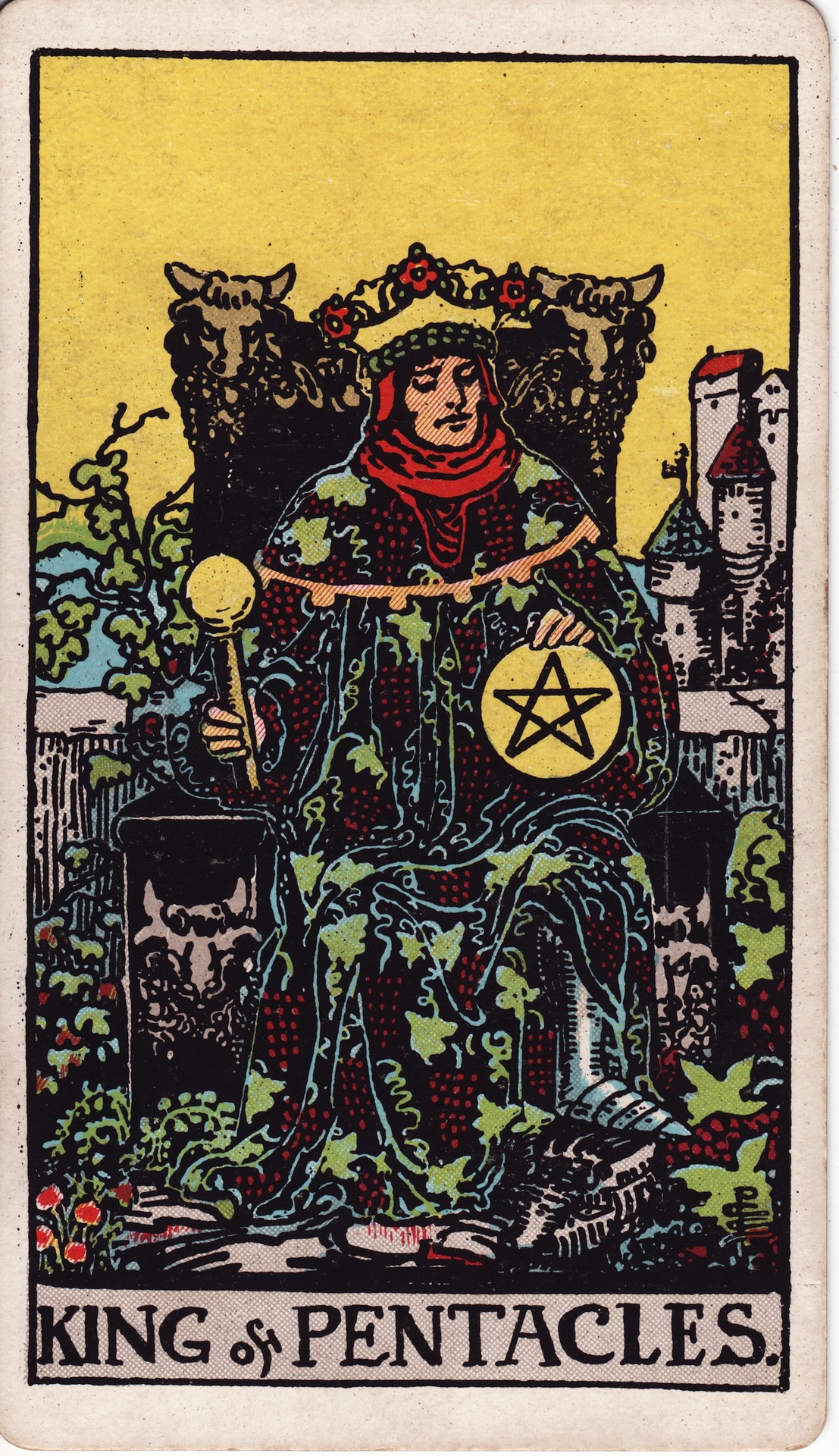 🇮🇹 ItalyKing of Coins
A tarot king of coins, read as a man of wealth, business sense and social standingOracle · Seeing and foretelling · Luck and prosperity Living
🇪🇸 SpainGeomantic figures
Sixteen four-line symbols used in geomancy to interpret questions through elemental and astrological correspondences.Oracle · Seeing and foretelling Historical
 🇮🇹 ItalyKnight of Coins
A tarot court card read as a serious young man, drawn on questions of work and home.Oracle · Seeing and foretelling Living
 🇮🇹 ItalySeven of Cups
A tarot cup card of visions on a cloud, read for wishful thinking and choiceOracle · Seeing and foretelling Living
 🇮🇹 ItalyQueen of Cups
The queen card of the Cups suit, read by tarot readers as a figure of deep feelingOracle · Seeing and foretelling Living
 🇪🇸 SpainKnight of Swords
A knight card of the tarot's Minor Arcana, read as haste and impulsive change.Oracle · Seeing and foretelling Living
 🇪🇸 SpainFive of Cups
A tarot card of spilled cups, read as grief, regret and the hope left standing.Oracle · Seeing and foretelling Living
 🇬🇧 United KingdomTwo of Coins
A tarot card representing balance, juggling duties, and the struggle to maintain equilibrium.Belief · Seeing and foretelling Living
Photo credits on this page
The small pictures above come from Wikimedia Commons under free licences. Some are cropped to fit.
- Hydromancy: Roger McLassus, CC BY-SA 3.0, source
- Four of Coins: Pamela Colman Smith, Public domain, source
- Five of Swords: Pamela Colman Smith, Public domain, source
- Greek divination: Berthold Werner, CC BY-SA 3.0, source
- Germanic seeress: Emil Doepler, Public domain, source
- Spodomancy: Tim1965, CC BY-SA 3.0, source
- Haruspicy: Lokilech, CC BY-SA 3.0, source
- Witchcraft in ancient Greece and Rome: Wilhelm Tischbein, Public domain, source
- Oomancy: Rollcloud, CC BY 3.0, source
- Carromancy: Peter Becker, CC BY 2.0, source
- King of Coins: Pamela Colman Smith, Public domain, source
- Cartomancy: Alma Erdmann, Public domain, source
- Aeromancy: Unknown author, Public domain, source
- Renaissance magic: Unknown author, Public domain, source
- Dowsing: Unknown author, Public domain, source
- Lecanomancy: Author Robert Burns Translator Alexander Smith Illustrator C. A. Vande, Public domain, source
- Hippomancy: Wer?Du?!, CC BY-SA 3.0, source
- Queen of Cups: Pamela Colman Smith, Public domain, source
- Tasseography: User:MochaSwirl, Public domain, source
- Five of Cups: Augusto Rius in 1889 [1] for Heraclio Fournier, CC BY-SA 4.0, source
- Astragalomancy: Roland zh, CC BY-SA 3.0, source
- Sanctuary of Fortuna Primigenia: MM, CC BY-SA 3.0, source
- Cunning folk: Midnightblueowl at English Wikipedia, CC BY-SA 3.0, source
- Lutzelfrau: Karel Rozum, Public domain, source
- Śuri: Marie-Lan Nguyen, Public domain, source
- Astrological symbols: Peter Presslein, CC BY-SA 3.0, source
- Witch: John William Waterhouse, Public domain, source
- Mother Shipton: Unknown author, Public domain, source
- Oracle: John William Waterhouse, Public domain, source
- Seven of Cups: Pamela Colman Smith, Public domain, source
- Nine of Cups: Pamela Colman Smith, Public domain, source
- Knight of Coins: Pamela Colman Smith, Public domain, source
- Knight of Swords: Pamela Colman Smith, Public domain, source
- Two of Coins: Augusto Rius in 1889 [1] for Heraclio Fournier, CC BY-SA 4.0, source
- The Magician: Pamela Colman Smith, Public domain, source
- Magic in the Greco-Roman world: ArchaiOptix, CC BY-SA 4.0, source
- Tarocco Bolognese: Countakeshi, CC BY-SA 4.0, source