
Carromancy
from Greek keros (wax) and manteia (divination)
A divination method that reads the future from molten wax or candle flames
Carromancy is a form of divination that uses wax to predict events. Practitioners pour melted wax into cold water or watch a burning candle to interpret shapes and flame movements as signs of the future.
- Known as ceromancy, derived from Greek words for wax and divination
- Molten wax is poured into cold water to form shapes for reading
- Widespread in ancient Russia and still part of Christmas rituals there
- Roots trace back to ancient Celtic druids and Roman times
- Modern practitioners often read the movements of a burning candle flame
What it is
Carromancy, also called ceromancy, is a divinatory practice centered on the behavior of wax. It relies on the belief that physical changes in wax can reveal information about upcoming events. This method falls under the broader category of sympathetic magic, where the state of an object mirrors a future outcome. It is a traditional folk art rather than a formal religious doctrine, passed down through observation and practice.
Where it comes from
The practice has deep historical roots across Europe. It was widespread in ancient Russia, where it remains part of cultural memory. Scholars trace its lineage to ancient Celtic traditions, suggesting druidic origins. It also appears in records from Ancient Roman times. By around AD 500, written scraps indicate that druids poured vigil candles into bowls and then clear pools of cold water to read auguries. This suggests a long-standing continuity of wax-based fortune-telling in northern and western Europe.
How it is done
Practitioners typically use one of two main techniques. The first involves heating solid wax until it becomes liquid. The molten wax is then poured directly into a container of cold water. As the wax hits the water, it cools rapidly, forming unique shapes and textures. A diviner interprets these solidified forms to forecast the future. A second, more common modern method involves watching a standard candle burn. The practitioner observes the erratic movements, height, and flickering of the flame to derive predictions.
Tools and materials
The primary tool is wax, usually in the form of a candle or raw blocks for melting. Cold water is essential for the pouring method, serving as the medium that hardens the wax instantly. A bowl or clear pool may be used to hold the water, allowing for better visibility of the submerged wax shapes. In the candle-reading variant, no special equipment is needed beyond the candle itself, making it accessible for household use.
Carromancy, drawn and placed
- Living
- Revived
- Fading
- Historical
- Legendary
- Performed
- Lineage
- folk divination
- Timing
- during vigils or Christmas rituals
What it is for
The sole purpose of carromancy is to foresee future events. People consult this practice when they seek clarity on unknown outcomes or want guidance on what lies ahead. It is not used for healing, protection, or harm, but strictly for prediction. The reader looks for specific symbols in the wax or flame that correspond to luck, danger, or change in the querent's life.
Who does it
Diviners who specialize in carromancy are often folk practitioners rather than clergy. In ancient contexts, druids performed these rites during vigils. Today, the role is filled by individuals interested in folk magic or those participating in family traditions. There is no formal guild or certification; skill is gained through experience in interpreting the subtle shifts in wax and flame.
Peoples and places
The practice is most strongly associated with Russia, where it was historically widespread and survives in modern Christmas rituals. Its roots extend to the Celts, who likely developed early forms of wax divination. Ancient Romans also practiced similar methods, indicating a shared European heritage of wax-based fortune-telling.
At a glance: who, where and when
Who does it
Belief worlds
Occasions
What people believe
The underlying worldview assumes that wax possesses a sensitivity to spiritual forces. When manipulated by heat or fire, it is believed to capture or reflect energies from the unseen realm. The shapes formed in water or the dance of a flame are seen as language. This reflects a animistic or sympathetic view of nature, where physical matter communicates with human observers if interpreted correctly.
When it is done
In Russia, carromancy is notably linked to Christmas, serving as a ritual activity during the holiday season. Historically, Celtic druids performed it during vigils, which could occur at various times depending on the lunar cycle or seasonal markers. The practice does not have a single fixed date but is invoked when a need for foresight arises or during specific festive periods.
How scholars and sceptics see it
Anthropologists view carromancy as a example of folk divination that persisted despite the spread of organized religions. Historians note its presence in Roman and Celtic texts, highlighting its antiquity. Psychologists may interpret the reading of random wax shapes as a form of pareidolia, where the mind finds meaning in ambiguous stimuli. Skeptics regard it as superstition without empirical basis.
Cautions and what is closed
There are no significant health risks associated with handling wax or candles, though standard fire safety applies. The practice is generally harmless and non-invasive. However, like all divination, it carries the risk of psychological dependency if individuals rely on it for major life decisions. No legal restrictions exist on its practice in most regions.
Compare and confuse
Carromancy is often confused with other forms of pyromancy, which involve fire divination. While related, carromancy specifically focuses on the wax component. It differs from chiromancy (palmistry) or astrology, which use different mediums. In some cultures, similar practices might use oil instead of wax, but the principle of fluid dynamics revealing fate remains consistent.
Questions people ask about Carromancy
What is carromancy?
Carromancy is a form of divination that predicts the future using wax. Practitioners either pour melted wax into cold water to read its solidified shapes or observe the movements of a candle flame for signs.
Where did carromancy originate?
It has roots in ancient Celtic and Roman traditions. It was particularly widespread in Russia, where it remains a known folk practice today, especially during Christmas celebrations.
How is the future read in carromancy?
When wax is poured into water, the resulting shapes are interpreted as symbols. Alternatively, the erratic behavior of a candle flame is watched closely, with each movement believed to carry a specific prophetic meaning.
Is carromancy still practiced?
Yes, it survives in modern Russia as part of Christmas rituals. While less common elsewhere, it persists as a folk tradition among those interested in historical divination methods.
Good reading and sources
- Carromancy on WikipediaEncyclopedia
- More photos on Wikimedia CommonsPhotos and video
- Wikidata recordOpen data
The facts on this page come from the Wikipedia article "Carromancy", written by its contributors and used under the CC BY-SA 4.0 licence, and from its Wikidata record (CC0). EveryJaadu rewrote the text in its own words, with AI assistance, and compares every page with the article to make sure no passage is copied. It may be reused under the same CC BY-SA 4.0 licence with a link back.
It may contain mistakes. Names and customs differ from one community to the next, and some knowledge is closed to outsiders and left out here. This page describes belief and practice. It does not say that any of it works, it is not a how-to, and it is not medical advice. If something is wrong, tell us. Last refreshed 2026-10-06.
More from Russia
All the entries from Russia 🇮🇷 Iran and 5 moreHippomancy
Divination through the movements, sounds, and tracks of horsesOracle · Seeing and foretelling · Luck and prosperity Historical
🇮🇷 Iran and 5 moreHippomancy
Divination through the movements, sounds, and tracks of horsesOracle · Seeing and foretelling · Luck and prosperity Historical
 🇷🇸 Serbia and 5 moreVampire
An undead creature from folklore that feeds on the blood or life force of the livingBeing · Cursing and harm · Luck and prosperity Legendary
🇷🇸 Serbia and 5 moreVampire
An undead creature from folklore that feeds on the blood or life force of the livingBeing · Cursing and harm · Luck and prosperity Legendary
 🇫🇷 France and 5 moreJean Eugène Robert-HoudinJean-Eugène Robert-Houdin
A French clockmaker who elevated stage magic into a refined theatrical art.Illusion · Wonder and entertainment Historical
🇫🇷 France and 5 moreJean Eugène Robert-HoudinJean-Eugène Robert-Houdin
A French clockmaker who elevated stage magic into a refined theatrical art.Illusion · Wonder and entertainment Historical
 🇷🇺 Russia and 5 moreBaba YagaБаба Яга
A Slavic witch who lives in a turning hut and flies in a mortarFigure · Cursing and harm · Protection Legendary
🇷🇺 Russia and 5 moreBaba YagaБаба Яга
A Slavic witch who lives in a turning hut and flies in a mortarFigure · Cursing and harm · Protection Legendary
Related elsewhere
All oracle 🇮🇳 India and 5 moreAstrology
A divinatory practice that reads human fate through the positions of celestial bodies.Belief · Seeing and foretelling · Luck and prosperity Living
🇮🇳 India and 5 moreAstrology
A divinatory practice that reads human fate through the positions of celestial bodies.Belief · Seeing and foretelling · Luck and prosperity Living
 🇮🇳 India and 2 morePalmistry
A divination method that interprets the lines and shapes of the hand to predict fate or reveal character.Oracle · Seeing and foretelling · Power and authority Living
🇮🇳 India and 2 morePalmistry
A divination method that interprets the lines and shapes of the hand to predict fate or reveal character.Oracle · Seeing and foretelling · Power and authority Living
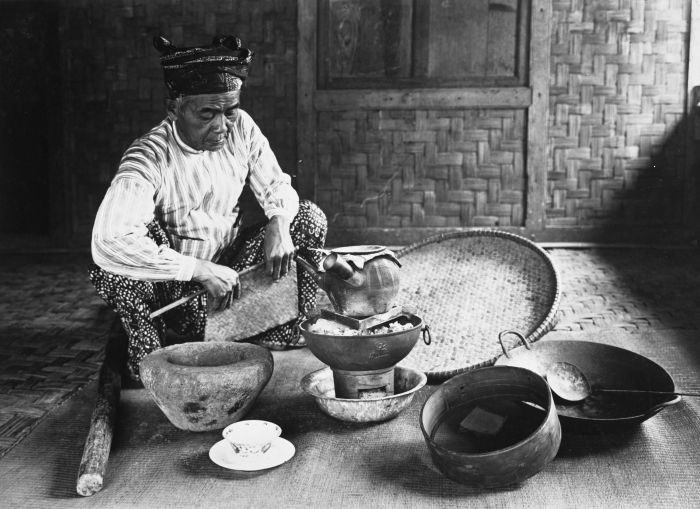 🇮🇩 Indonesia and 2 moreDukun
A traditional healer and spirit medium in Indonesian folk practiceTradition · Healing · Seeing and foretelling Living
🇮🇩 Indonesia and 2 moreDukun
A traditional healer and spirit medium in Indonesian folk practiceTradition · Healing · Seeing and foretelling Living
 🇬🇹 Guatemala and 1 moreMaya mythology
The reconstructed tales of the Maya people about gods, heroes, and the creation of the world.Tradition · Seeing and foretelling · Power and authority Historical
🇬🇹 Guatemala and 1 moreMaya mythology
The reconstructed tales of the Maya people about gods, heroes, and the creation of the world.Tradition · Seeing and foretelling · Power and authority Historical