
The Four of Coins, often called the Four of Pentacles, is a numbered card of the coin suit in tarot and other Latin-suited decks, part of the Minor Arcana. Dealt in card games across Europe, it is read for fortune in English-speaking countries as a sign of hoarding or, reversed, of waste.
- Also goes by the name Four of Pentacles in tarot reading
- Part of the Minor Arcana, the suit cards readers name in tarot
- Upright it pictures a hoarder of wealth; reversed, a waster
- Tied by readers to the Sun in Capricorn
- Played in card games in Europe; read for fortune in English-speaking lands
What it is
The Four of Coins is a plain numbered card from the suit of coins, one of the Latin-suited family of playing cards. It appears in ordinary decks and in tarot, and those who read tarot place it in the Minor Arcana, the group name they give the suit cards of the pack. English also knows it as the Four of Pentacles; both titles point to the same piece of card. Its use divides by region: at the card table it is one piece among many, while in a reading it becomes a sign said to speak of wealth, of holding on and of letting go.
Where it comes from
The card belongs to the Latin-suited line of playing cards, the deck family whose sets are counted under Spanish and Italian playing cards. Tarot carries the same suit, and those who read the cards gather the suit's members under the heading Minor Arcana. From there the card's story splits. Across much of Europe, tarot packs went on serving the table, dealt in games handed down among players. English-speaking countries never took those games up on any wide scale, and there the cards came to serve another trade: fortune-telling. That reading culture gave the card its second name, Four of Pentacles, and its meanings as an omen.
How it is done
A reader does not judge this card in isolation. It is laid with others in a spread, a set arrangement of cards, and read alongside them. Orientation matters: the same card carries a different message face up and face down. Upright, the Four of Pentacles is taken to picture someone devoted to material wealth, one who hoards valuables and keeps them closed to everyone else. Reversed, the message turns over, and the card is read as a caution against the spendthrift, the person who lets money run through their hands. The reader then folds these hints into whatever the rest of the spread holds.
Four of Coins, drawn and placed
- Living
- Revived
- Fading
- Historical
- Legendary
- Performed
- Lineage
- Latin-suited playing cards; the tarot Minor Arcana
What it is for
In fortune-telling the card serves as a commentary on money and the hold it has on someone. Upright, readers take it to name a lover of wealth, a gatherer of valuables who shares nothing; reversed, they hear a word of warning aimed at wasteful habits. Between the two positions the card covers both ways a relationship with money can fail, gripping too hard on one side and letting go too easily on the other. Anyone who sits for a reading about money, property or security may meet it, and the message it carries changes with the way it lands.
At a glance: who, where and when
Who does it
Belief worlds
What people believe
Reading the cards rests on a few shared ideas. Every card of the Minor Arcana is held to carry a message of its own, and the message reverses when the card lands upside down, which is how one card can name a hoarder one way and a waster the other. Readers also link the pack to astrology: the Four of Pentacles is tied to the Sun in Capricorn, joining a zodiac sign to the card's theme of guarded wealth. These meanings come from the reading tradition; at the game table the card is played without reference to any of them.
Compare and confuse
One card, two English names: Four of Coins and Four of Pentacles are used for the same card, and writing on tarot may use either. The coin suit marks the card out as belonging to the Latin-suited line, kin to the decks played in Spain and Italy, and places it among the Minor Arcana that tarot readers name as a group.
Today
The card lives a double life. In Europe, tarot packs are still dealt out in card games, and the Four of Coins takes its place there like any other card. In English-speaking countries the picture is nearly the reverse: the games never gained a wide following, so the deck is met chiefly as a fortune-telling tool, and this card is known mainly for what readers say it reveals about wealth and hoarding. One printed piece of card, two working careers, set on different paths by whether the games behind it travelled.
Questions people ask about Four of Coins
What is the Four of Coins?
It is a numbered card of the coin suit found in Latin-suited playing cards, tarot decks included. Readers of tarot place it in the Minor Arcana, and in English it is just as often called the Four of Pentacles.
Where does the card come from?
It belongs to the Latin-suited line of playing cards, the tradition behind Spanish and Italian decks, and tarot carries the same suit. In English-speaking lands, where the European card games stayed unfamiliar, the pack came to be used above all for fortune-telling.
What does the card mean in a reading?
Readers take the upright card to describe someone devoted to material wealth, a hoarder of valuables who keeps them from others. Reversed, the same card is read as a caution against wasteful spending.
Is the card used only for fortune-telling?
No. Over much of Europe tarot packs are dealt in card games, and the Four of Coins plays like any other card. The divinatory use is the stronger one in English-speaking countries, where those games never caught on widely.
Is there an astrology link?
Yes, within the reading tradition: tarot readers connect this card with the Sun in Capricorn. The pairing sits alongside the card's message about wealth rather than replacing it.
Good reading and sources
- Four of Coins on WikipediaEncyclopedia
- More photos on Wikimedia CommonsPhotos and video
- Wikidata recordOpen data
The facts on this page come from the Wikipedia article "Four of Coins", written by its contributors and used under the CC BY-SA 4.0 licence, and from its Wikidata record (CC0). EveryJaadu rewrote the text in its own words, with AI assistance, and compares every page with the article to make sure no passage is copied. It may be reused under the same CC BY-SA 4.0 licence with a link back.
It may contain mistakes. Names and customs differ from one community to the next, and some knowledge is closed to outsiders and left out here. This page describes belief and practice. It does not say that any of it works, it is not a how-to, and it is not medical advice. If something is wrong, tell us. Last refreshed 2026-10-17.
More from Spain
All the entries from Spain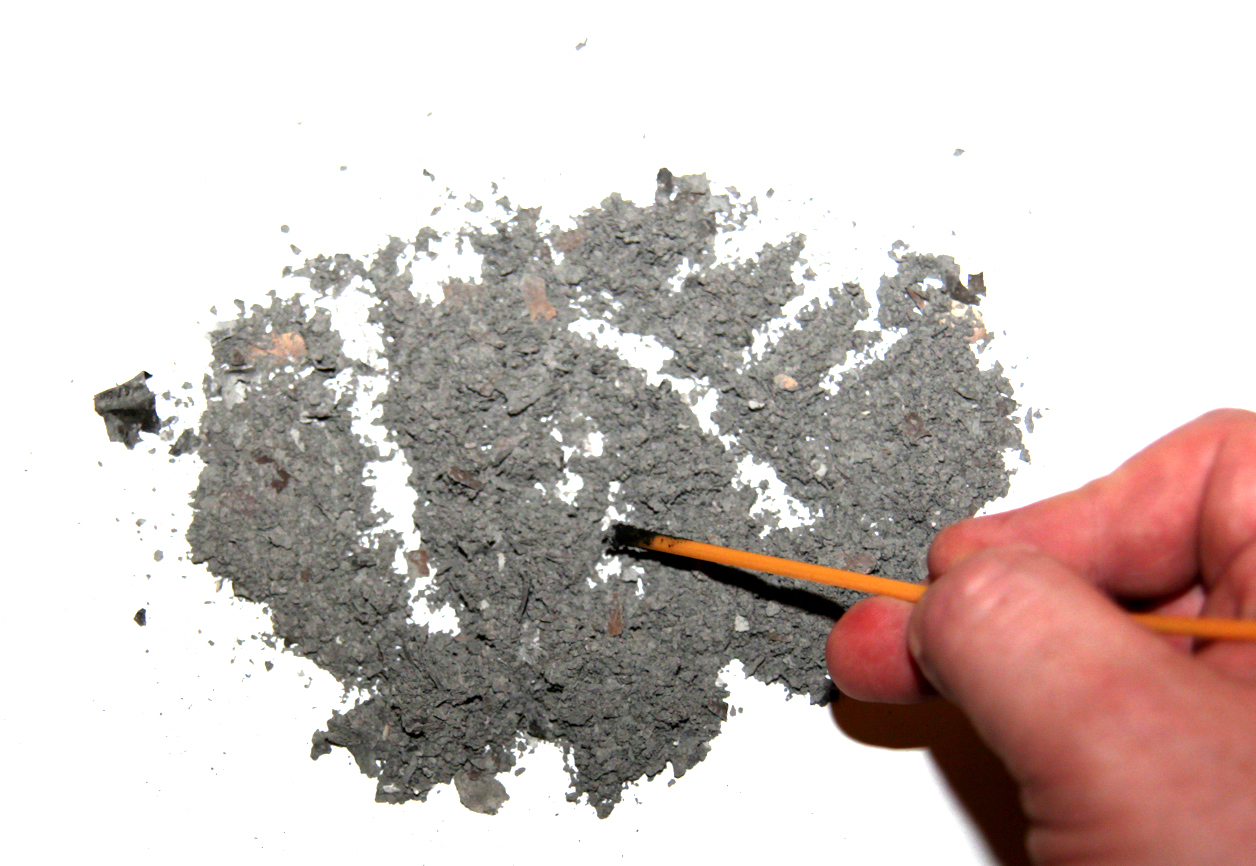 🇬🇷 Greece and 5 moreSpodomancy
Divination by reading omens in ashes, soot, and cindersOracle · Seeing and foretelling · Healing Living
🇬🇷 Greece and 5 moreSpodomancy
Divination by reading omens in ashes, soot, and cindersOracle · Seeing and foretelling · Healing Living
 🇪🇸 SpainFive of Cups
A tarot card of spilled cups, read as grief, regret and the hope left standing.Oracle · Seeing and foretelling Living
🇪🇸 SpainGeomantic figures
Sixteen four-line symbols used in geomancy to interpret questions through elemental and astrological correspondences.Oracle · Seeing and foretelling Historical
🇪🇸 SpainFive of Cups
A tarot card of spilled cups, read as grief, regret and the hope left standing.Oracle · Seeing and foretelling Living
🇪🇸 SpainGeomantic figures
Sixteen four-line symbols used in geomancy to interpret questions through elemental and astrological correspondences.Oracle · Seeing and foretelling Historical
 🇪🇸 SpainFive of Swords
A Minor Arcana tarot card read as conflict, defeat and victory that costs too muchOracle · Seeing and foretelling Living
🇪🇸 SpainFive of Swords
A Minor Arcana tarot card read as conflict, defeat and victory that costs too muchOracle · Seeing and foretelling Living
Related elsewhere
All oracle 🇮🇶 Iraq and 4 moreAstrology
A system of divination that links human affairs to the positions of celestial bodiesTradition · Seeing and foretelling · Luck and prosperity Living
🇮🇶 Iraq and 4 moreAstrology
A system of divination that links human affairs to the positions of celestial bodiesTradition · Seeing and foretelling · Luck and prosperity Living
 🇮🇳 India and 3 morePalmistry
A divination practice that reads the lines and shapes of the hand to predict fate or characterOracle · Seeing and foretelling · Luck and prosperity Living
🇮🇳 India and 3 morePalmistry
A divination practice that reads the lines and shapes of the hand to predict fate or characterOracle · Seeing and foretelling · Luck and prosperity Living
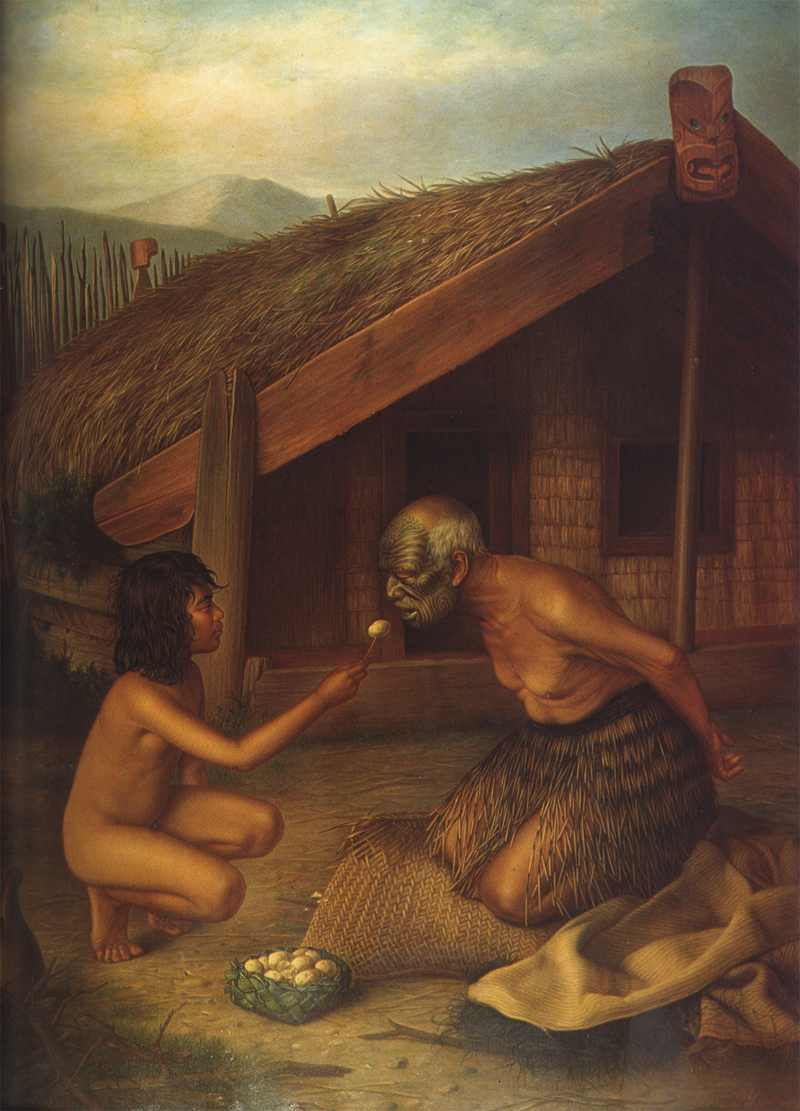 🇳🇿 New ZealandTohunga
A Māori expert practitioner of sacred or secular arts, from priests to carvers.Tradition · Healing · Seeing and foretelling Living
🇳🇿 New ZealandTohunga
A Māori expert practitioner of sacred or secular arts, from priests to carvers.Tradition · Healing · Seeing and foretelling Living
 🇮🇶 Iraq and 1 moreLibanomancy
Divination by reading the smoke and ash of burning frankincenseOracle · Seeing and foretelling Historical
🇮🇶 Iraq and 1 moreLibanomancy
Divination by reading the smoke and ash of burning frankincenseOracle · Seeing and foretelling Historical