Pyromancy
from Ancient Greek pyr (fire) and manteia (divination)
Divination by reading flames, smoke, or fire-heated objects
Pyromancy is a form of divination that uses fire to foresee events. Practitioners read the shapes of flames, the direction of smoke, or cracks in heated bones and shells. It appears in ancient Greek, Zoroastrian, East Asian, and biblical traditions as a way to access divine guidance.
- Word comes from Greek pyr (fire) and manteia (divination)
- Eternal fire at Nymphaion in Albania served as an oracle
- Zoroastrians called fire the most holy spirit from which life was born
- Chinese oracle bones were heated to predict the future
- Japanese Shinto rituals still use turtle shell divination today
What it is
Pyromancy is the practice of divining the future through fire. The term comes from the Greek words for fire and divination. A practitioner watches flames, reads smoke patterns, or interprets cracks formed when materials are heated. This method relies on the belief that fire reveals hidden truths or connects the viewer to spiritual forces. It is considered one of the older forms of divination, likely emerging independently across many early civilizations due to fire's central role in human survival and worship.
Where it comes from
The practice likely began in prehistory when fire was vital to daily life. In Western culture, fire was often seen as a living entity or a god. The eternal fire at Nymphaion in Illyria served as an oracle known to Greek and Roman writers. Zoroastrian rituals in Mesopotamia and Eurasia used fire as a holy spirit and central icon. In Greece, the Titan Prometheus gave fire to humans, separating them from animals. The Old Testament also links fire to divine intervention, such as the burning bush and pillar of fire guiding the Israelites.
How it is done
The most basic form involves observing flames from a candle or sacrificial fire to interpret shapes. Variations include alomancy, where salt is cast into fire, and botanomancy, which burns plants. Capnomancy reads smoke; straight thin smoke is a good omen, while other patterns are bad. Osteomancy heats bones to produce cracks for interpretation. Plastromancy uses heated turtle plastrons with carved pits. Scapulimancy involves heating shoulder blades. Sideromancy burns straw using an iron. Daphnomancy burns laurel leaves.
Tools and materials
Practitioners use various materials depending on the specific type of pyromancy. Common tools include candles, sacrificial fires, and iron irons. Salt and plants are burned in specific variations. Animal scapulae and turtle shells are heated to create cracks. In East Asia, oracle bones were crucial. Tibetan peoples burned lamps using animal fat, interpreting the resulting smoke and flames as guidance from natural forces. The physical reaction of these materials to heat provides the signs for divination.
Pyromancy, drawn and placed
- Living
- Revived
- Fading
- Historical
- Legendary
- Performed
- Lineage
- Western esotericism
What it is for
People use pyromancy to foresee future events or understand natural phenomena. In ancient China, it helped explain inexplicable occurrences to villagers. Japanese Shinto rituals continue to use turtle shell divination today. Greek virgins at the Temple of Athens practiced it regularly. Followers of Hephaestus may have used it as well. During the Renaissance, it was classified among forbidden arts alongside necromancy and geomancy. It serves as a method to seek guidance from divine or spiritual sources through the medium of fire.
Who does it
Diviners and priests conduct pyromancy. In ancient Greece, virgins at the Temple of Athena performed the ritual. Followers of the god Hephaestus likely practiced it as well. In East Asia, specialists interpreted cracks in bones and shells. Tibetan villagers relied on these readings to understand nature. The practice requires skill in interpreting subtle changes in flame, smoke, or cracked material. It was often associated with sacred sites like the oracle at Nymphaion or temples dedicated to fire deities.
Peoples and places
Pyromancy appears in many cultures. Ancient Greeks practiced it at temples and revered fire as a gift from Prometheus. Zoroastrians viewed fire as the most holy spirit and used it in temple rituals. In China, Japan, and Tibet, bone and shell divination was common. Chinese oracle bones were significant cultural artifacts. Japanese Shinto rituals still use turtle shells. Tibetans burned animal fat lamps for guidance. These groups all used fire-based methods to connect with the divine or understand their world, though the specific materials varied by region.
At a glance: who, where and when
What people believe
Fire is seen as a living being that eats, breathes, grows, and dies. It is considered close to nature and a divine element. Greek legends state fire separates humans from animals and was given by higher forces. The Old Testament associates fire with divine retribution and guidance. Smoke direction indicates omens: straight up is good, otherwise bad. Cracks in heated bones reveal future events. The practice assumes fire acts as a bridge between the physical world and spiritual knowledge.
When it is done
However, practices occurred at sacred sites like the Temple of Athena and the oracle at Nymphaion. Japanese Shinto rituals continue the practice today, implying ongoing ceremonial use. Tibetan divination addressed natural phenomena as they arose. The practice was part of broader religious observances, including Zoroastrian temple rites and Greek temple services. It was integrated into daily spiritual life rather than tied to single annual festivals in the text provided.
How scholars and sceptics see it
Renaissance magic classified pyromancy as one of seven forbidden arts. Anthropologists note its independent emergence in many civilizations due to fire's importance. Historians recognize its presence in Greek, Zoroastrian, and East Asian contexts. The practice is linked to the development of oracle bone script in China. Scholars view it as an early form of divination rooted in humanity's relationship with fire. It reflects how different cultures interpreted natural elements as divine or spiritual guides.
Cautions and what is closed
In the Renaissance, pyromancy was labeled a forbidden art. This classification suggests societal or religious restrictions on the practice. The practice itself does not involve harmful instructions. It is described as a historical or continuing ritual tradition without modern legal issues reported in the text.
Compare and confuse
Pyromancy is related to other forms of divination like aeromancy (air), hydromancy (water), and geomancy (earth). It shares methods with osteomancy and plastromancy, which focus on bones and shells. Alomancy uses salt, while capnomancy focuses on smoke. These are all subtypes or related practices within the broader category of elemental divination. The term evolved from Late Latin piromantia and Old French piromance.
Questions people ask about Pyromancy
What is pyromancy?
It is a form of divination that uses fire to foresee events. Practitioners read the shapes of flames, the direction of smoke, or cracks in heated bones and shells to gain insight.
Where did pyromancy originate?
It likely began in prehistory as fire was vital to survival. It emerged independently in many civilizations, including ancient Greece, Zoroastrian Persia, and East Asia, where fire was revered as divine.
How do practitioners read fire?
They observe flames for shapes, watch smoke direction for omens, or heat materials like bones and shells. Cracks in these materials are interpreted to reveal future events or spiritual guidance.
Is pyromancy still practiced?
Yes, in some forms. Japanese Shinto rituals continue to use turtle shell divination today. Other forms are historical, documented in ancient texts and archaeological findings like oracle bones.
Good reading and sources
The facts on this page come from the Wikipedia article "Pyromancy", written by its contributors and used under the CC BY-SA 4.0 licence, and from its Wikidata record (CC0). EveryJaadu rewrote the text in its own words, with AI assistance, and compares every page with the article to make sure no passage is copied. It may be reused under the same CC BY-SA 4.0 licence with a link back.
It may contain mistakes. Names and customs differ from one community to the next, and some knowledge is closed to outsiders and left out here. This page describes belief and practice. It does not say that any of it works, it is not a how-to, and it is not medical advice. If something is wrong, tell us. Last refreshed 2026-10-05.
More from Greece
All the entries from Greece 🇬🇷 Greece and 2 moreAstragalomancy
Divination by casting marked bones, carved rods, or numbered diceOracle · Seeing and foretelling · Speaking with spirits and the dead Living
🇬🇷 Greece and 2 moreAstragalomancy
Divination by casting marked bones, carved rods, or numbered diceOracle · Seeing and foretelling · Speaking with spirits and the dead Living
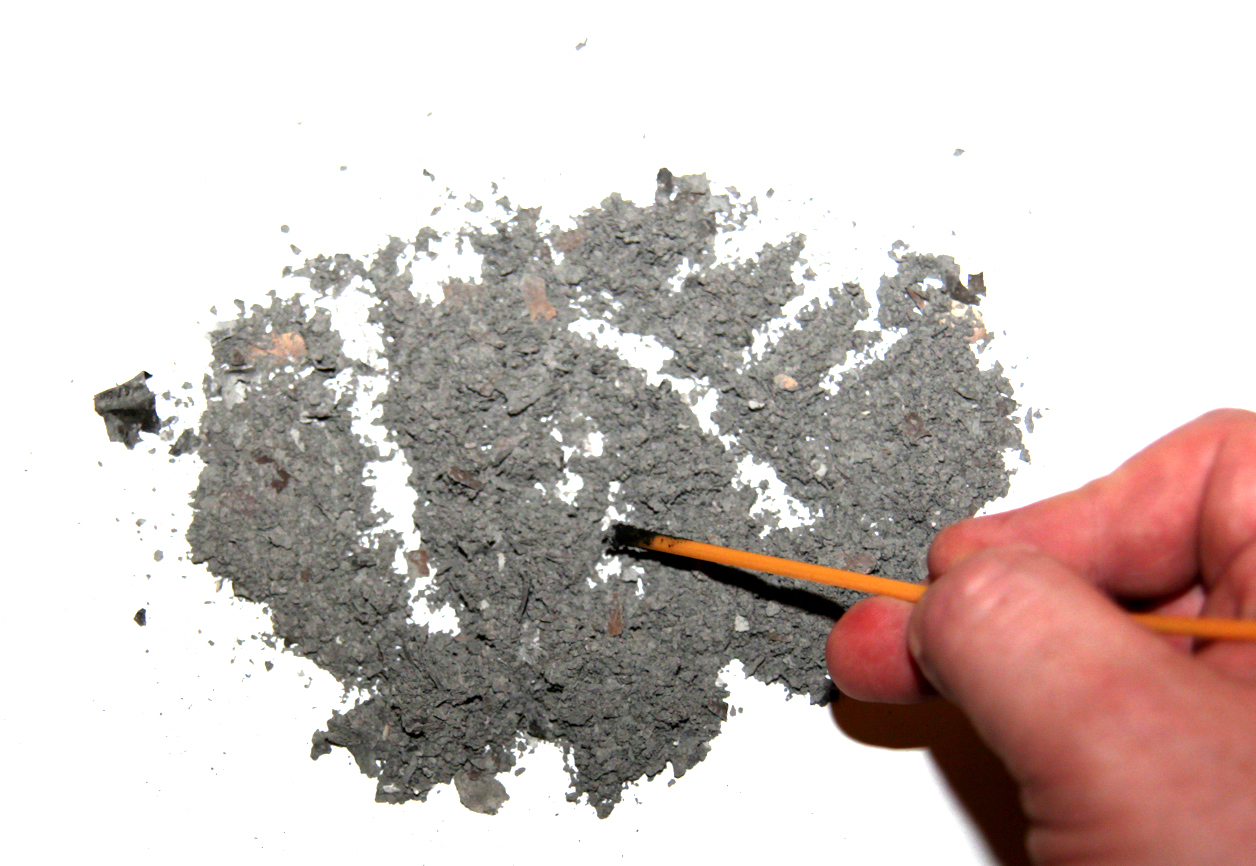 🇬🇷 Greece and 5 moreSpodomancy
Divination by reading omens in ashes, soot, and cindersOracle · Seeing and foretelling · Healing Living
🇬🇷 Greece and 5 moreSpodomancy
Divination by reading omens in ashes, soot, and cindersOracle · Seeing and foretelling · Healing Living
 🇬🇷 GreeceCoscinomancy
A divination method using a sieve and shears to reveal guilt or answer questions.Oracle · Seeing and foretelling Historical
🇬🇷 GreeceCoscinomancy
A divination method using a sieve and shears to reveal guilt or answer questions.Oracle · Seeing and foretelling Historical
 🇬🇷 Greece and 1 moreHydromancy
Divination using water to reveal the future or judge legitimacy.Oracle · Seeing and foretelling · Luck and prosperity Historical
🇬🇷 Greece and 1 moreHydromancy
Divination using water to reveal the future or judge legitimacy.Oracle · Seeing and foretelling · Luck and prosperity Historical
Related elsewhere
All oracle 🇮🇳 India and 5 moreAstrology
A divinatory practice that reads human fate through the positions of celestial bodies.Belief · Seeing and foretelling · Luck and prosperity Living
🇮🇳 India and 5 moreAstrology
A divinatory practice that reads human fate through the positions of celestial bodies.Belief · Seeing and foretelling · Luck and prosperity Living
 🇮🇳 India and 2 morePalmistry
A divination method that interprets the lines and shapes of the hand to predict fate or reveal character.Oracle · Seeing and foretelling · Power and authority Living
🇮🇳 India and 2 morePalmistry
A divination method that interprets the lines and shapes of the hand to predict fate or reveal character.Oracle · Seeing and foretelling · Power and authority Living
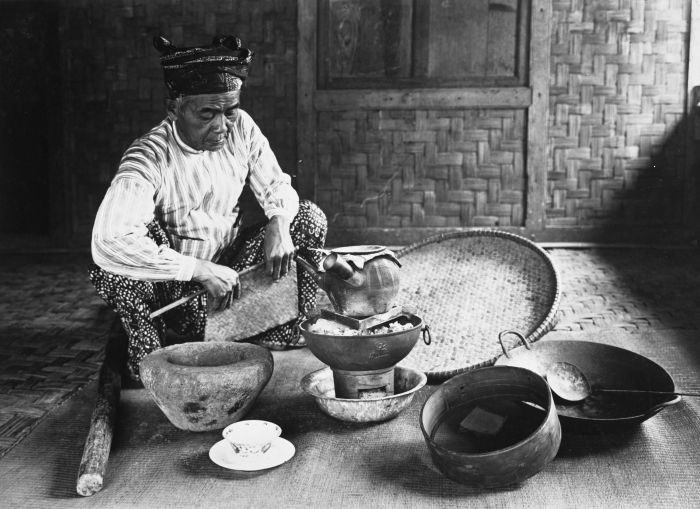 🇮🇩 Indonesia and 2 moreDukun
A traditional healer and spirit medium in Indonesian folk practiceTradition · Healing · Seeing and foretelling Living
🇮🇩 Indonesia and 2 moreDukun
A traditional healer and spirit medium in Indonesian folk practiceTradition · Healing · Seeing and foretelling Living
 🇬🇹 Guatemala and 1 moreMaya mythology
The reconstructed tales of the Maya people about gods, heroes, and the creation of the world.Tradition · Seeing and foretelling · Power and authority Historical
🇬🇹 Guatemala and 1 moreMaya mythology
The reconstructed tales of the Maya people about gods, heroes, and the creation of the world.Tradition · Seeing and foretelling · Power and authority Historical