
Numbered card of the cups suit in Latin-suited playing cards, the family that tarot decks belong to, grouped by readers with the Minor Arcana. Europe deals such packs out in card games, while English-speaking countries read them for fortune, and there the Nine of Cups is taken to show a wish granted.
- A cups-suit card of Latin-suited decks, the card family tarot belongs to
- Read upright as a granted wish; reversed, as a dream that will not come true
- Shares its number with the Hermit of the Major Arcana, adding a note of solitude
- Europe deals tarot packs in games; English-speaking countries read them for fortune
- Hard for novices to tell from the Ten of Cups: joy alone versus joy shared
What it is
The Nine of Cups is a playing card of the cups suit found in Latin-suited decks, the card family that tarot belongs to. Readers of tarot group it with the Minor Arcana, as against the Major Arcana. In much of Europe, packs of this kind are dealt out in games; in English-speaking lands those games never caught on, and the deck is turned instead to fortune-telling. In a reading, the card is taken to mean a wish granted: the desired thing arrives, and the person is content. Readers attach to it a mood of satisfaction and reward, from fine food and comfort to art and sensual pleasure. Turned upside down, it points to hopes that are unrealistic and will not be realised.
How it is done
A reader turns to this card for questions of desire and satisfaction. Upright, it is read as a wish coming true: the goal is reached, the hoped-for results arrive, and the person is pleased with life, at times smugly so. Reversed, it warns of wishes built on unrealistic hopes and dreams that will not come true. Readers also weigh the number on the card. Because a shared number carries shared symbolism, cards of equal value are treated as kin, and so the Nine of Cups is bound to the Hermit, the ninth card of the Major Arcana. That bond lends it a solitary air: its contentment is one enjoyed in one's own company.
Nine of Cups, drawn and placed
- Living
- Revived
- Fading
- Historical
- Legendary
- Performed
- Lineage
- Latin-suited playing cards, cups suit of the tarot's Minor Arcana
At a glance: who, where and when
Who does it
Compare and confuse
The card readers most often confuse with this one is the Ten of Cups: both carry a promise of happiness of the heart, and those new to tarot find the pair hard to tell apart. The customary dividing line is company. The Nine's joy is savoured alone, which is why its bond with the Hermit matters; the Ten shows the same contentment shared with a family or a wider community.
Today
The same deck lives two kinds of life. Over much of Europe, tarot packs are dealt out for card games, and the Nine of Cups is simply a card to play. In lands where English is spoken, those games never gained a wide following, so the pack is turned there mainly to fortune-telling, and it is in that role that the Nine of Cups has gathered its meanings of granted wishes.
Questions people ask about Nine of Cups
What is the Nine of Cups?
It is a playing card from the cups suit of Latin-suited decks, which include tarot decks. Tarot readers group it with the Minor Arcana. In a reading it is taken to show a wish granted and a feeling of contentment.
Where does the card come from?
It belongs to the Latin-suited family of playing cards, the group that tarot decks are part of, and readers place it in the cups suit as the nine. In Europe such decks serve as game cards, while English-speaking countries use them for fortune-telling.
What does the Nine of Cups mean in a reading?
Readers take it upright as a fulfilled wish: the goal is reached, the dream comes true, and the person is satisfied, whether through luxury, a good meal, art or love. Reversed, it points to unrealistic wishes and dreams not destined to happen.
How is it different from the Ten of Cups?
Both cards stand for happiness of the heart, which is why newcomers mix them up. The usual distinction is that the Nine shows fulfilment enjoyed alone, a solitary pleasure tied to its link with the Hermit, while the Ten shows the same happiness shared by a family or community.
Why is the Nine of Cups linked to the Hermit?
Readers hold that cards sharing a numeric value are directly related because the same number carries the same symbolism. The Hermit is the ninth card of the Major Arcana, so the Nine of Cups takes on a solitary air, and its happiness is one savoured by oneself.
Good reading and sources
The facts on this page come from the Wikipedia article "Nine of Cups", written by its contributors and used under the CC BY-SA 4.0 licence, and from its Wikidata record (CC0). EveryJaadu rewrote the text in its own words, with AI assistance, and compares every page with the article to make sure no passage is copied. It may be reused under the same CC BY-SA 4.0 licence with a link back.
It may contain mistakes. Names and customs differ from one community to the next, and some knowledge is closed to outsiders and left out here. This page describes belief and practice. It does not say that any of it works, it is not a how-to, and it is not medical advice. If something is wrong, tell us. Last refreshed 2026-10-17.
More from Spain
All the entries from Spain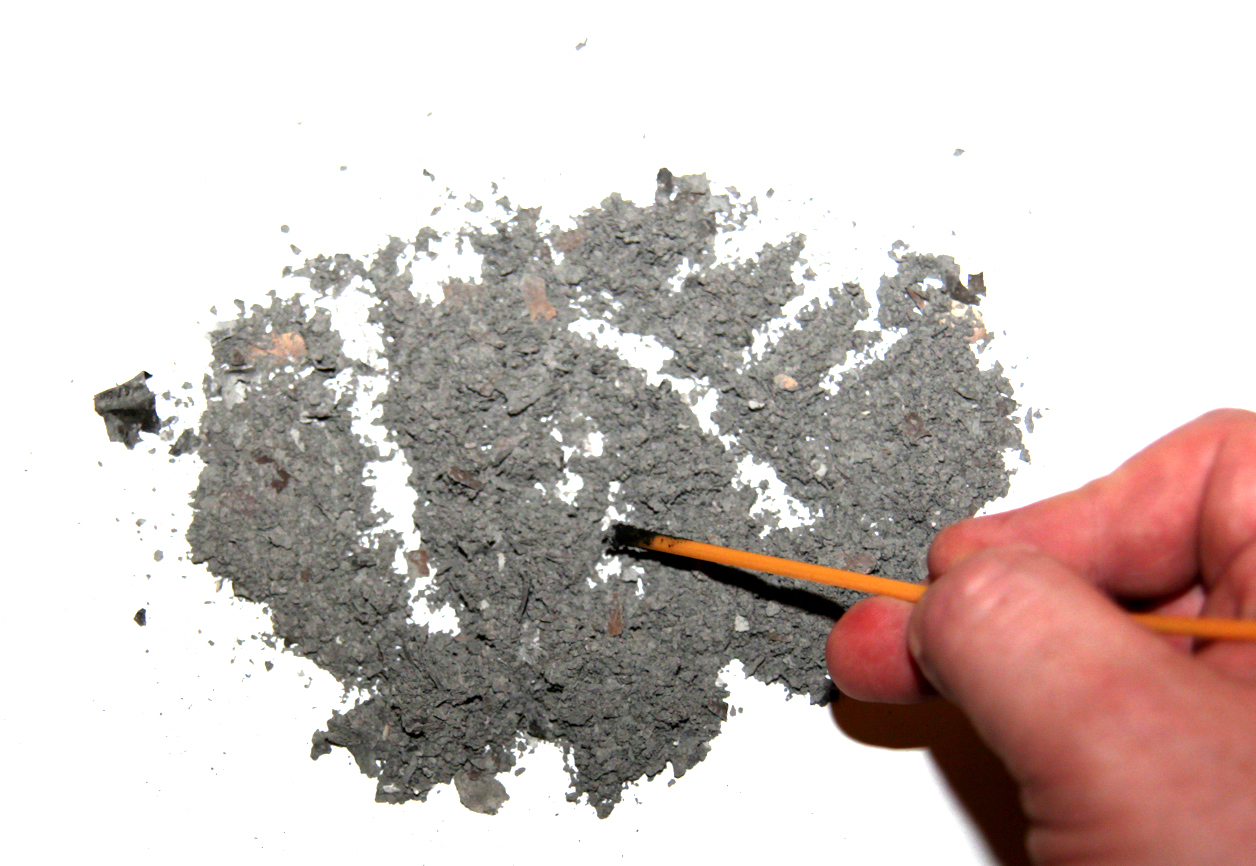 🇬🇷 Greece and 5 moreSpodomancy
Divination by reading omens in ashes, soot, and cindersOracle · Seeing and foretelling · Healing Living
🇬🇷 Greece and 5 moreSpodomancy
Divination by reading omens in ashes, soot, and cindersOracle · Seeing and foretelling · Healing Living
 🇪🇸 SpainFive of Cups
A tarot card of spilled cups, read as grief, regret and the hope left standing.Oracle · Seeing and foretelling Living
🇪🇸 SpainGeomantic figures
Sixteen four-line symbols used in geomancy to interpret questions through elemental and astrological correspondences.Oracle · Seeing and foretelling Historical
🇪🇸 SpainFive of Cups
A tarot card of spilled cups, read as grief, regret and the hope left standing.Oracle · Seeing and foretelling Living
🇪🇸 SpainGeomantic figures
Sixteen four-line symbols used in geomancy to interpret questions through elemental and astrological correspondences.Oracle · Seeing and foretelling Historical
 🇪🇸 SpainFive of Swords
A Minor Arcana tarot card read as conflict, defeat and victory that costs too muchOracle · Seeing and foretelling Living
🇪🇸 SpainFive of Swords
A Minor Arcana tarot card read as conflict, defeat and victory that costs too muchOracle · Seeing and foretelling Living
Related elsewhere
All oracle 🇮🇶 Iraq and 4 moreAstrology
A system of divination that links human affairs to the positions of celestial bodiesTradition · Seeing and foretelling · Luck and prosperity Living
🇮🇶 Iraq and 4 moreAstrology
A system of divination that links human affairs to the positions of celestial bodiesTradition · Seeing and foretelling · Luck and prosperity Living
 🇮🇳 India and 3 morePalmistry
A divination practice that reads the lines and shapes of the hand to predict fate or characterOracle · Seeing and foretelling · Luck and prosperity Living
🇮🇳 India and 3 morePalmistry
A divination practice that reads the lines and shapes of the hand to predict fate or characterOracle · Seeing and foretelling · Luck and prosperity Living
 🇳🇿 New ZealandTohunga
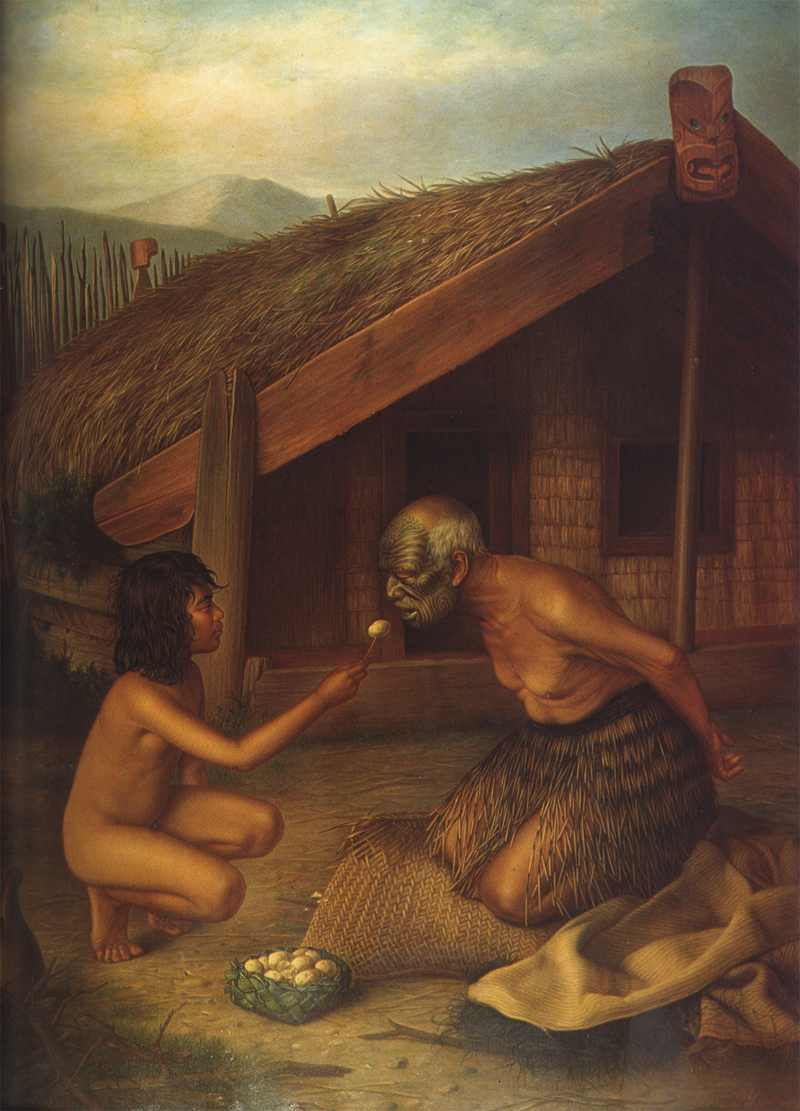
A Māori expert practitioner of sacred or secular arts, from priests to carvers.Tradition · Healing · Seeing and foretelling Living
🇳🇿 New ZealandTohunga
A Māori expert practitioner of sacred or secular arts, from priests to carvers.Tradition · Healing · Seeing and foretelling Living
 🇮🇶 Iraq and 1 moreLibanomancy
Divination by reading the smoke and ash of burning frankincenseOracle · Seeing and foretelling Historical
🇮🇶 Iraq and 1 moreLibanomancy
Divination by reading the smoke and ash of burning frankincenseOracle · Seeing and foretelling Historical