
Tasseography
from French tasse (cup), Arabic tassa, and Greek suffixes for writing, divination, or study
A divination method that reads fortunes in the sediment of tea or coffee cups
Tasseography is a form of fortune telling that interprets patterns left by tea leaves, coffee grounds, or wine sediments. The practice spread through trade routes and nomadic communities, with roots in China for tea and the Ottoman Empire for coffee.
- Originates in China for tea and Ottoman Empire for coffee
- Spread globally via Romani trade routes and nomadic lifestyles
- Uses sediment from tea, coffee, or wine to predict futures
- Popularized as a parlour game in nineteenth-century Britain
- Etymology combines French 'tasse' with Greek suffixes
What it is
Tasseography is a divinatory art that seeks meaning in the dregs of beverages. Practitioners examine the shapes formed by settled particles in a cup to predict future events or reveal hidden truths. The method relies on the reader's ability to identify recognizable forms within the random arrangement of residue. It is often treated as a casual pastime or a parlour game, yet it carries deep cultural significance in certain regions. The practice is not confined to a single religion but exists as a folk tradition across various societies.
Where it comes from
The custom of reading tea leaves likely began in China shortly after the beverage was created. Coffee fortune telling emerged later, with records pointing to the Ottoman Palaces in the fifteenth century. Concubines in the harem reportedly used the practice to pass time and share gossip. As trade routes expanded, the habit traveled with merchants and nomadic groups. The Romani people played a key role in spreading these techniques across Europe and beyond. Western versions may have evolved from earlier rituals involving molten wax or lead.
How it is done
The querent drinks the beverage without filtering the solids. The cup is then inverted onto a saucer to let the sediment settle. Some readers shake the cup vigorously before draining it, while others simply swirl the remaining liquid. Once the cup is righted, the reader inspects the patterns clinging to the interior walls and base. Interpretations vary; some systems assign specific meanings to shapes like snakes or houses, while others rely entirely on the reader's intuition and imagination.
Tools and materials
The primary tools are simple ceramic cups and matching saucers. While plain white cups are common, specialized sets with printed guides were produced in Britain and America during the nineteenth century. These commercial kits often included instructions for interpreting different zones of the cup. The choice of beverage matters; Turkish or Arabic coffee is preferred for its thick sludge, which holds distinct shapes better than lighter teas.
Tasseography, drawn and placed
- Living
- Revived
- Fading
- Historical
- Legendary
- Performed
- Lineage
- folk divination
- Timing
- after drinking tea or coffee
What it is for
People use this practice to gain insight into personal matters, relationships, and upcoming opportunities. It serves as a social activity that encourages conversation and reflection. Readers may look for signs of good fortune, warnings of trouble, or answers to yes-or-no questions. The process allows individuals to project their hopes and fears onto the ambiguous patterns, offering a sense of control or clarity in uncertain times.
Who does it
Readers can be professional fortune tellers or ordinary household members sharing a moment of entertainment. Training is often informal, passed down through family or community observation. In some circles, respect for Romani elders is expected when learning the craft. The role requires a blend of creativity, pattern recognition, and empathetic listening to guide the querent.
Peoples and places
The tradition is widespread, with strong ties to Chinese tea culture and Ottoman coffee customs. It remains popular among Baltic and Slavic communities, where it is often practiced at home. The Romani diaspora helped embed the habit in European society. Today, it appears in various forms across the Middle East, the Balkans, and North America, adapting to local tastes and materials.
At a glance: who, where and when
Belief worlds


What people believe
The underlying assumption is that the universe imprints meaningful symbols onto random physical matter. This concept aligns with pareidolia, the psychological tendency to see familiar images in vague stimuli. Readers believe the positions of the sediment hold specific temporal significance; shapes near the rim may indicate immediate events, while those at the bottom point to distant outcomes. The saucer itself is sometimes read as a secondary landscape of fate.
When it is done
There are no fixed religious festivals tied to this practice. It is typically performed during social gatherings, family visits, or leisurely afternoons. The act follows the consumption of a meal or a break, making it a natural part of daily routine rather than a scheduled ritual. It thrives in informal settings where people seek connection and lighthearted prediction.
How scholars and sceptics see it
Researchers view tasseography through the lens of psychology and sociology. Anthropologists note its role in maintaining social bonds and cultural identity among diasporic groups. Psychologists attribute the perceived accuracy to confirmation bias and the cold reading techniques used by practitioners. Skeptics emphasize the randomness of the sediment and the subjective nature of the interpretations.
Cautions and what is closed
The practice is generally harmless and poses no physical risk. However, reliance on predictions for major life decisions can lead to poor judgment. Some readers may exploit vulnerable individuals for financial gain. There are no known health hazards associated with the sediments themselves, though hygiene practices vary between informal home readings and professional establishments.
Compare and confuse
Tasseography shares similarities with other forms of hydro-mancy and oneiromancy, such as reading water surfaces or dreams. It is distinct from cartomancy, which uses cards, and astrology, which tracks celestial bodies. The closest scientific parallel is the Rorschach test, which also uses ambiguous inkblots to reveal psychological states. Both methods depend heavily on the observer's perspective.
Law and persecution
No laws prohibit the practice in most jurisdictions. It is widely accepted as a form of entertainment or cultural heritage. In some regions, professional fortune tellers must register with local authorities, but casual home reading faces no legal restrictions. The practice has never been subject to significant persecution or suppression.
Questions people ask about Tasseography
What is tasseography?
It is a divination method that interprets patterns in the sediment of tea, coffee, or wine cups to foresee events or reveal insights about the querent's life.
Where did it originate?
Tea leaf reading likely began in China after tea was invented. Coffee fortune telling emerged in the Ottoman Empire in the fifteenth century, possibly within palace harems.
How is it performed?
The drinker consumes the beverage, leaving the grounds. The cup is inverted on a saucer, then examined for shapes. Readers interpret these forms using symbolic systems or intuition.
Who practices it today?
It is practiced by households, professional readers, and cultural communities, particularly in the Balkans, the Middle East, and among Romani populations worldwide.
Good reading and sources
- Tasseography on WikipediaEncyclopedia
- More photos on Wikimedia CommonsPhotos and video
- Wikidata recordOpen data
The facts on this page come from the Wikipedia article "Tasseography", written by its contributors and used under the CC BY-SA 4.0 licence, and from its Wikidata record (CC0). EveryJaadu rewrote the text in its own words, with AI assistance, and compares every page with the article to make sure no passage is copied. It may be reused under the same CC BY-SA 4.0 licence with a link back.
It may contain mistakes. Names and customs differ from one community to the next, and some knowledge is closed to outsiders and left out here. This page describes belief and practice. It does not say that any of it works, it is not a how-to, and it is not medical advice. If something is wrong, tell us. Last refreshed 2026-10-05.
More from China
All the entries from China 🇬🇷 Greece and 3 moreOracle
A person or site believed to channel divine insight and predict the future.Oracle · Seeing and foretelling · Power and authority Historical
🇬🇷 Greece and 3 morePyromancy
Divination by reading flames, smoke, or fire-heated objectsOracle · Seeing and foretelling Historical
🇬🇷 Greece and 3 moreOracle
A person or site believed to channel divine insight and predict the future.Oracle · Seeing and foretelling · Power and authority Historical
🇬🇷 Greece and 3 morePyromancy
Divination by reading flames, smoke, or fire-heated objectsOracle · Seeing and foretelling Historical
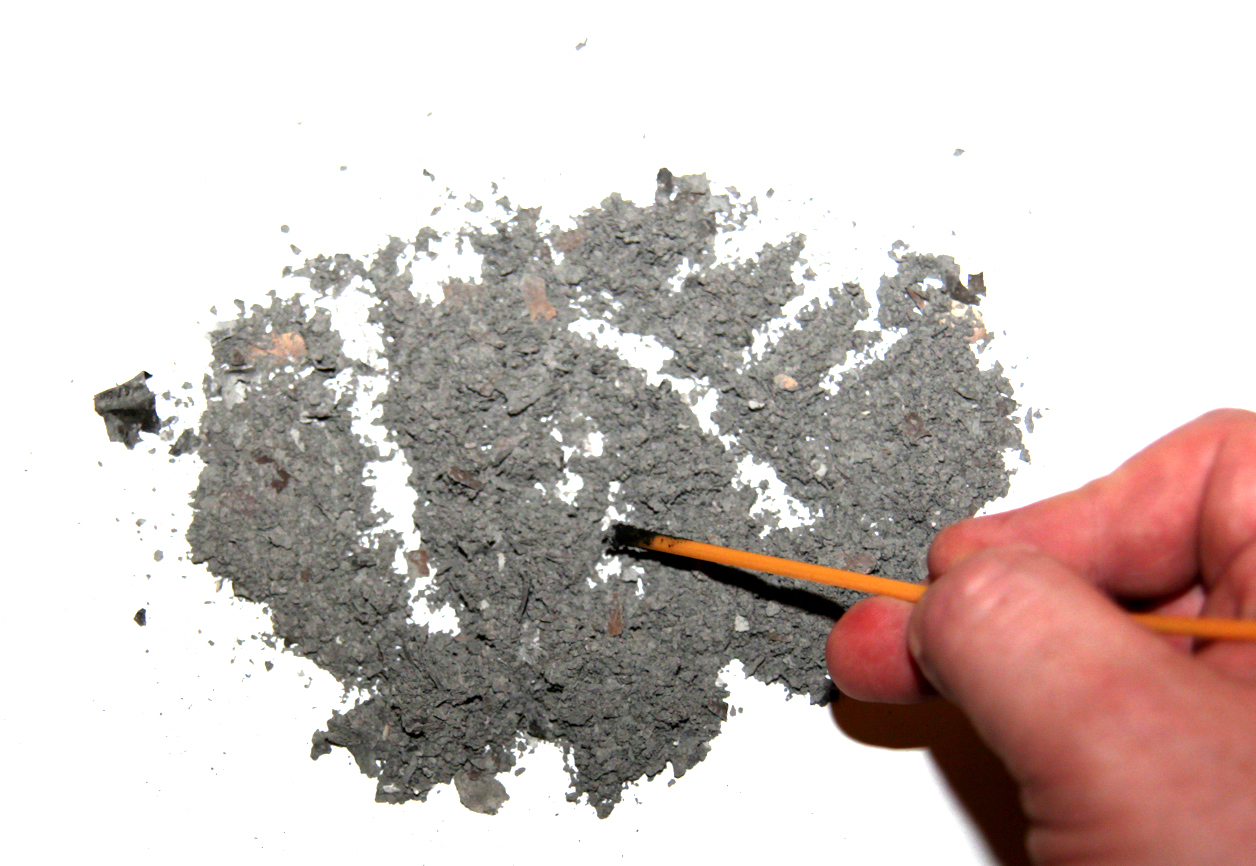 🇬🇷 Greece and 5 moreSpodomancy
Divination by reading omens in ashes, soot, and cindersOracle · Seeing and foretelling · Healing Living
🇬🇷 Greece and 5 moreSpodomancy
Divination by reading omens in ashes, soot, and cindersOracle · Seeing and foretelling · Healing Living
 🇧🇪 Belgium and 2 moreHorseshoe
A metal shoe for a horse's hoof and a talisman of good fortuneCharm · Protection · Luck and prosperity Living
🇧🇪 Belgium and 2 moreHorseshoe
A metal shoe for a horse's hoof and a talisman of good fortuneCharm · Protection · Luck and prosperity Living
Related elsewhere
All oracle 🇮🇳 India and 5 moreAstrology
A divinatory practice that reads human fate through the positions of celestial bodies.Belief · Seeing and foretelling · Luck and prosperity Living
🇮🇳 India and 5 moreAstrology
A divinatory practice that reads human fate through the positions of celestial bodies.Belief · Seeing and foretelling · Luck and prosperity Living
 🇮🇳 IndiaHindu astrologyज्योतिष (Jyotiṣa)
A traditional Hindu system of astrology and timekeeping rooted in the VedasTradition · Seeing and foretelling · Luck and prosperity Living
🇮🇳 IndiaHindu astrologyज्योतिष (Jyotiṣa)
A traditional Hindu system of astrology and timekeeping rooted in the VedasTradition · Seeing and foretelling · Luck and prosperity Living
 🇮🇳 India and 5 moreCowrie
A sea snail shell used as currency, divination tool, and charm across many culturesSubstance · Seeing and foretelling · Luck and prosperity Living
🇮🇳 India and 5 moreCowrie
A sea snail shell used as currency, divination tool, and charm across many culturesSubstance · Seeing and foretelling · Luck and prosperity Living
 🇺🇸 United States and 1 moreGroundhog DayGrund'sau dåk
A North American custom using a burrowing rodent to forecast the end of winterTradition · Seeing and foretelling · Luck and prosperity Living
🇺🇸 United States and 1 moreGroundhog DayGrund'sau dåk
A North American custom using a burrowing rodent to forecast the end of winterTradition · Seeing and foretelling · Luck and prosperity Living