The Magician
In its own language: Le Bateleur
from French Le Bateleur, meaning mountebank or sleight of hand artist
A tarot trump symbolizing power and the link between spirit and matter
The first numbered card in the Major Arcana, it is known as The Juggler in early Italian decks. Practitioners view it as a symbol of will and the channeling of energy from the spiritual realm into physical action.
- Known as Le Bateleur in early French decks
- Features four items representing the Minor Arcana suits
- Associated with the planet Mercury in astrology
- First numbered card in the Major Arcana sequence
- Reversed position linked to unfocused talent or madness
What it is
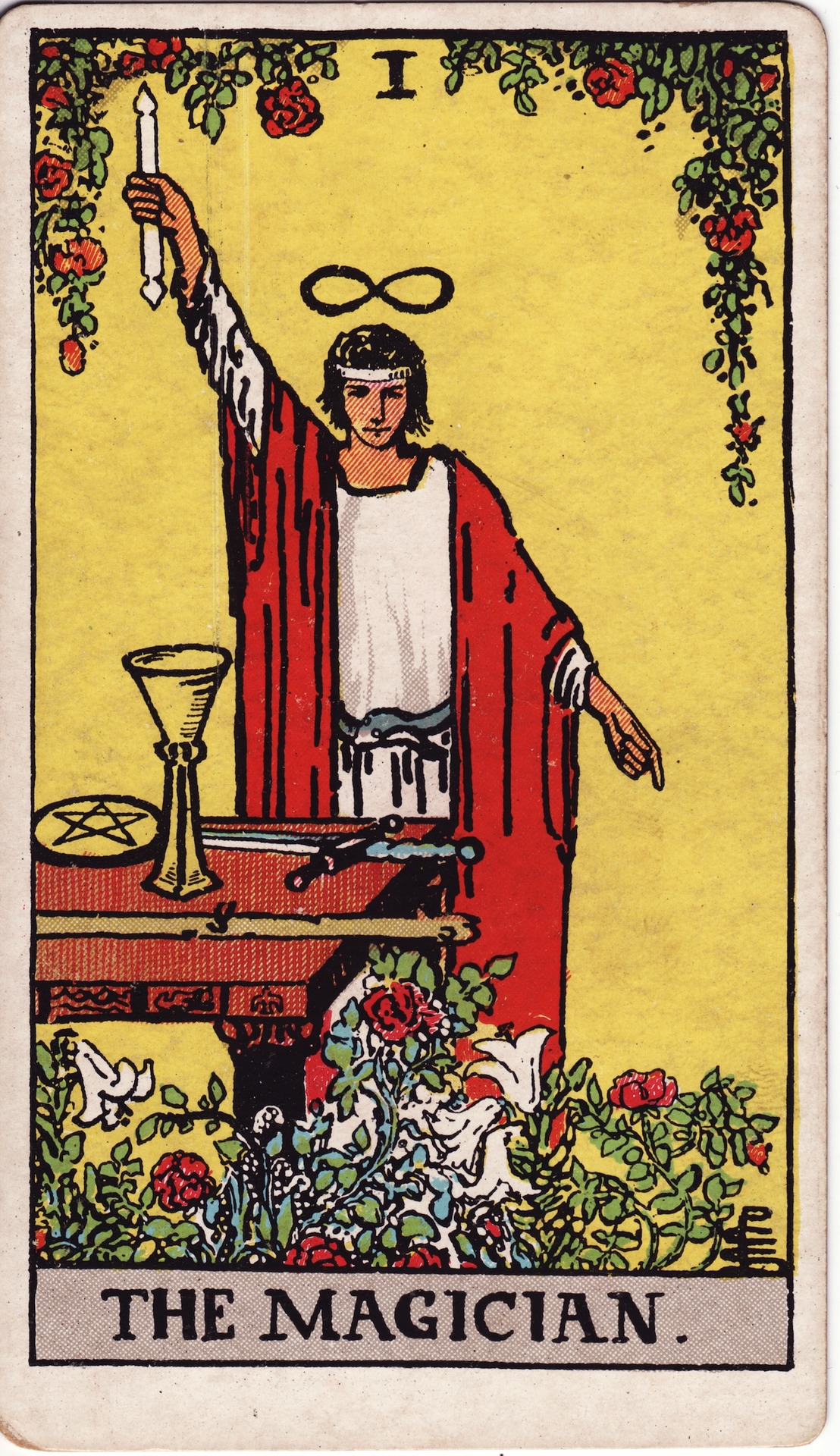
The Magician is the first numbered card in the Major Arcana sequence of traditional tarot decks. It follows the unnumbered Fool and represents the beginning of conscious magical work. Historically called The Juggler in Italy and France, the figure evolved from a street performer to an esoteric master. Occultists interpret the card as a symbol of raw potential, personal power, and the ability to unify the physical world with the spiritual realm. It serves as a conduit for manifesting desires through focused intent.
Where it comes from
The earliest painted versions appear in the Visconti-Sforza Tarot around 1460 in Italy. The figure was originally known as Il Bagatto or Le Bateleur, depicting a mountebank playing with cups and balls. By the 18th century, woodcuts reflected these earlier designs. In the late 19th and early 20th centuries, occult orders like the Hermetic Order of the Golden Dawn recontextualized the card. Oswald Wirth and A. E. Waite transformed the street magician into a learned magus, adding complex symbolic layers to the imagery.
How it is done
In divination, readers analyze the card's upright or reversed position to assess a querent's focus and capability. The upright card indicates active manifestation and aligned will. The reversed position suggests unfocused talent, madness, or suppressed shamanic experiences. Readers examine the figure's gestures, the items on the table, and the surrounding flora to determine how spiritual energy is being channeled into material reality or blocked by ego.
Tools and materials
The standard depiction features four items on a table representing the Minor Arcana suits: a wand, a cup, a sword, and a pentacle. These correspond to the classical elements of fire, air, water, and earth. The figure often wears a white robe and red mantle, holding a double-ended wand. Symbols such as an infinity loop above the head and an ouroboros belt signify eternity and the cyclical nature of existence. Some decks include specific plants like roses or lilies to represent aspiration.
The Magician, drawn and placed
- Living
- Revived
- Fading
- Historical
- Legendary
- Performed
- Lineage
- Major Arcana
What it is for
Practitioners use this card to identify moments of high agency and creative power. It is read when a person has the tools and skills necessary to achieve a goal. The card encourages the channeling of macrocosmic energy into microcosmic action. It warns against the misuse of power for egotism or revenge, highlighting the thin line between pure will and destructive passion. It serves as a reminder that all elements are available for adaptation.
Who does it
Tarot readers and esoteric scholars study the card's symbolism extensively. A. E. Waite provided detailed interpretations in his 1910 book, linking the figure to Gnostic concepts of spiritual rebirth. Modern authors like Rachel Pollack describe the figure as a trickster-wizard who acts as a metaphysical lightning rod. The card requires knowledge of hermetic philosophy and astrological associations, particularly with Mercury and the signs of Gemini and Virgo.
Peoples and places
The tradition originated in Italy, where the card was known as Il Bagatto or Pagat. It spread to France as Le Bateleur. Different cultures have interpreted the visual details differently. For instance, Alejandro Jodorowsky analyzed the Marseilles deck, noting the figure's six fingers and three-legged table as symbols of reality manipulation. The Italian game context treats it as a high-value trump, while the occult context elevates it to a master of elemental forces.
At a glance: who, where and when
Who does it
Belief worlds
What people believe
The card embodies the hermetic principle 'as above, so below.' It posits that the human being is a microcosm reflecting the universe. The figure stands between heaven and earth, converting spiritual energy into physical form. The infinity symbol connects to the Gnostic Ogdoad and the Holy Spirit. The card suggests that reality is malleable through will and that the adept can rearrange the elements of life like counters on a table.
How scholars and sceptics see it
Anthropologists and historians trace the card's evolution from a carnival performer to an alchemical master. Scholars note that the shift occurred during the rise of ceremonial magic in the 19th century. Psychologists sometimes link the reversed card to schizophrenia, viewing it as a symbol of unrecognized archaic shamanic experiences. Researchers analyze how the imagery reflects changing attitudes toward power, gender, and the relationship between the self and the cosmos.
Compare and confuse
The Magician is often confused with the Juggler archetype in folk performance. In tarot games, it functions as the lowest trump but holds significant point value. It differs from other Major Arcana cards by focusing on individual agency rather than divine intervention. The figure shares similarities with Hermes and other messenger deities who bridge worlds. The reversed interpretation overlaps with themes of mental distress found in other psychological readings.
Today
The Rider-Waite-Smith deck remains the most widely used version in occult circles. Artists continue to reinterpret the figure, as seen in Victor Brauner's surrealist self-portraits. The card maintains its status as a primary symbol of manifestation in modern divination. Its imagery appears in various media, adapting to contemporary understandings of psychology and spirituality while retaining its core elemental symbolism.
Questions people ask about The Magician
What does The Magician card represent?
It symbolizes power, potential, and the ability to manifest desires. Practitioners see it as a conduit connecting the spiritual realm to the physical world through focused will.
Where did The Magician card originate?
It originated in 15th-century Italy as Il Bagatto. The figure was originally a mountebank or juggler before being reinterpreted by occultists as a learned magus.
What do the items on the table mean?
They represent the four suits of the Minor Arcana: wand, cup, sword, and pentacle. These correspond to the classical elements of fire, air, water, and earth.
What is the significance of the infinity symbol?
It sits above the figure's head to represent eternity and the infinite flow of energy. It also connects to Gnostic concepts of spiritual rebirth and the Holy Spirit.
Good reading and sources
- The Magician (tarot card) on WikipediaEncyclopedia
- More photos on Wikimedia CommonsPhotos and video
- Wikidata recordOpen data
The facts on this page come from the Wikipedia article "The Magician (tarot card)", written by its contributors and used under the CC BY-SA 4.0 licence, and from its Wikidata record (CC0). EveryJaadu rewrote the text in its own words, with AI assistance, and compares every page with the article to make sure no passage is copied. It may be reused under the same CC BY-SA 4.0 licence with a link back.
It may contain mistakes. Names and customs differ from one community to the next, and some knowledge is closed to outsiders and left out here. This page describes belief and practice. It does not say that any of it works, it is not a how-to, and it is not medical advice. If something is wrong, tell us. Last refreshed 2026-10-05.
More from Italy
All the entries from Italy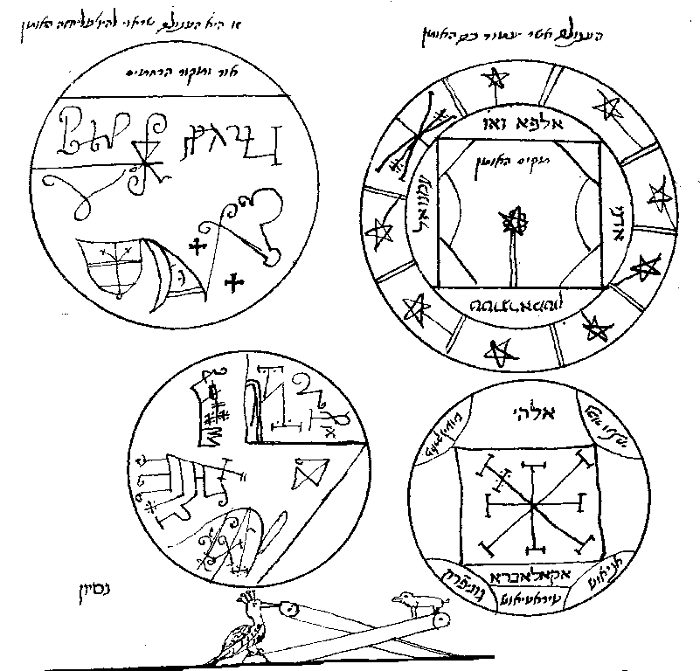 🇮🇹 Italy and 2 moreKey of SolomonClavicula Salomonis
A Renaissance grimoire attributed to King Solomon, detailing ritual preparations and invocations.Text · Cursing and harm · Love and attraction Historical
🇮🇹 Italy and 2 moreKey of SolomonClavicula Salomonis
A Renaissance grimoire attributed to King Solomon, detailing ritual preparations and invocations.Text · Cursing and harm · Love and attraction Historical
 🇮🇹 ItalyMarsilio Ficino
A Renaissance priest and philosopher who revived Plato and blended astrology with Christian theology.Text · Speaking with spirits and the dead · Healing Historical
🇮🇹 ItalyMarsilio Ficino
A Renaissance priest and philosopher who revived Plato and blended astrology with Christian theology.Text · Speaking with spirits and the dead · Healing Historical
 🇫🇷 France and 1 moreNostradamus
A French astrologer and physician known for a book of poetic propheciesText · Seeing and foretelling · Power and authority Historical
🇫🇷 France and 1 moreNostradamus
A French astrologer and physician known for a book of poetic propheciesText · Seeing and foretelling · Power and authority Historical
 🇮🇹 Italy and 5 moreSator Square
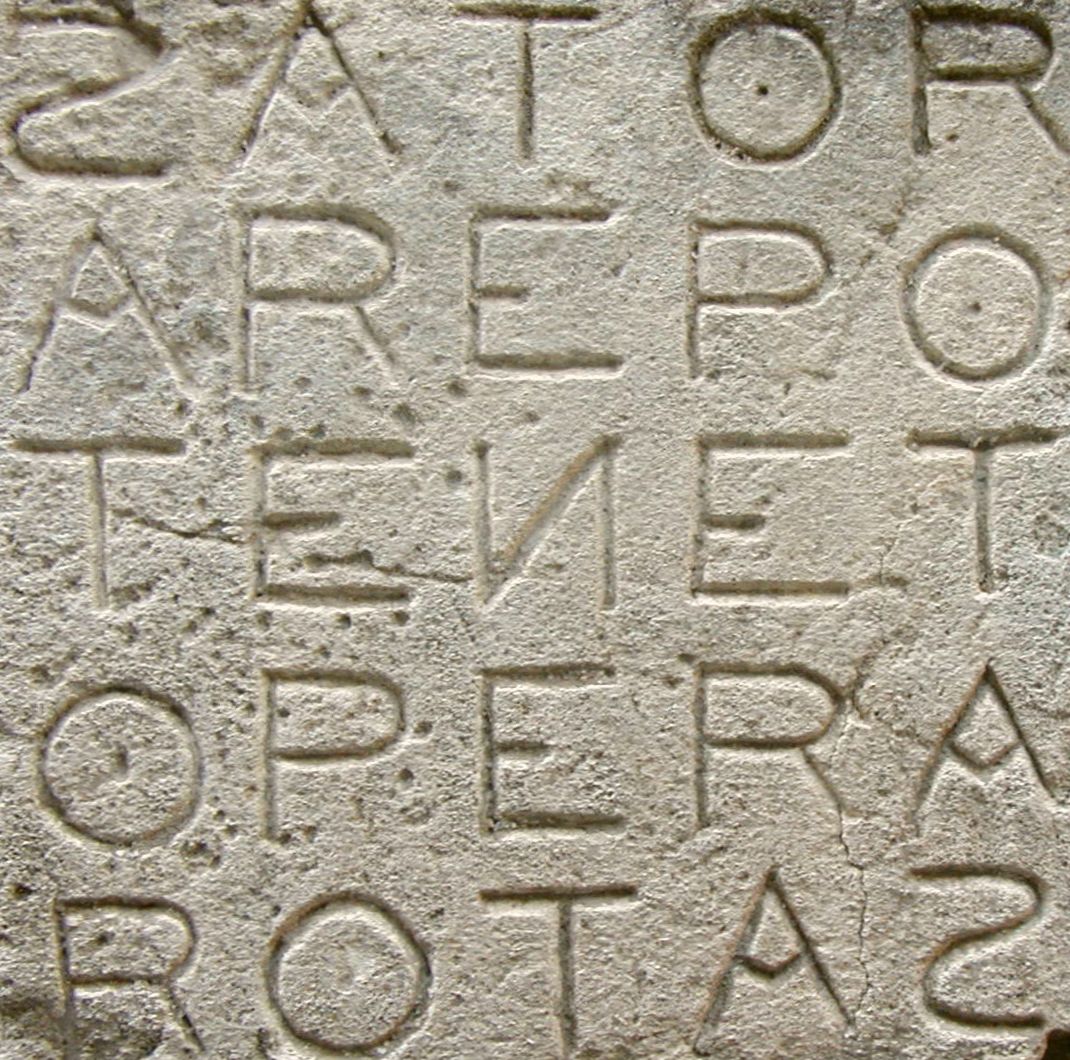
A five-word Latin palindrome found in Roman ruins and medieval churchesCharm · Protection · Healing Historical
🇮🇹 Italy and 5 moreSator Square
A five-word Latin palindrome found in Roman ruins and medieval churchesCharm · Protection · Healing Historical
Related elsewhere
All text 🇮🇳 India and 2 moreYantraयन्त्र
A geometric diagram from Indian traditions used for worship and meditationTradition · Protection · Speaking with spirits and the dead Living
🇮🇳 India and 2 moreYantraयन्त्र
A geometric diagram from Indian traditions used for worship and meditationTradition · Protection · Speaking with spirits and the dead Living
 🇮🇳 India and 1 moreAshtamangalaअष्टमङ्गल
A set of eight sacred symbols used in Indian religions to mark auspicious occasions and teach spiritual truths.Tradition · Power and authority · Wonder and entertainment Living
🇮🇳 India and 1 moreAshtamangalaअष्टमङ्गल
A set of eight sacred symbols used in Indian religions to mark auspicious occasions and teach spiritual truths.Tradition · Power and authority · Wonder and entertainment Living
 🇮🇳 India and 1 moreMantraमन्त्रम्
A sacred sound or phrase repeated to focus the mind and invoke spiritual powerText · Speaking with spirits and the dead · Power and authority Living
🇮🇳 India and 1 moreMantraमन्त्रम्
A sacred sound or phrase repeated to focus the mind and invoke spiritual powerText · Speaking with spirits and the dead · Power and authority Living
 🇵🇪 Peru and 1 moreViracochaWiraqucha
The supreme creator deity of the Andes, associated with the sea and civilization.Being · Power and authority · Wonder and entertainment Historical
🇵🇪 Peru and 1 moreViracochaWiraqucha
The supreme creator deity of the Andes, associated with the sea and civilization.Being · Power and authority · Wonder and entertainment Historical