
Witch
In its own language: wiċċe
from Old English wiċċe, from the verb wiccian; the deeper Germanic root is disputed
The English word for a magic-worker, from Old English wiċċe to Wicca
The English word for a person believed to practise witchcraft, magic or sorcery, recorded since the Laws of Ælfred around 890. Long tied to harmful magic and to the witch-hunts, it now also names neopagans such as Wiccans of all genders, and, figuratively, an alluring woman.
- Earliest recorded use of 'witch' is in the Laws of Ælfred, of about 890
- Old English had wicca for a man and wicce for a woman; warlock and wizard replaced the male word
- 15th-century writers used Latin maleficus for one who worked maleficium, harmful sorcery
- In Friuli, Italy, the benandanti said they battled witches; inquisitors judged them witches
- Wicca has taken 'witch' as a label for adherents of all genders
What it is
Witch is the English word for a person believed to practise witchcraft, magic or sorcery. It grew out of Old English wiċċe, which had a masculine form, wicca, and a feminine one, wicce. For most of its history the word carried a charge of harm: it named a worker of malevolent magic, and those accused under it became targets of witch-hunts. Old English glossaries also used it to render Latin words for diviners and soothsayers. Dictionaries today record several senses side by side: a person, usually a woman, believed to have malignant supernatural powers; a practitioner of a neopagan religion such as Wicca, which uses the name for adherents of all genders; a mean or ugly old woman; and, in figurative use since the 18th century, a charming or alluring girl or woman.
Where it comes from
The word is Germanic in origin. Old English had a verb wiccian, with a cousin in Middle Low German wicken, known from the 13th century, alongside wichelen, 'to bewitch'. Scholars disagree on the deeper root. The Brothers Grimm's dictionary linked the Ingvaeonic form *wikkōn with Gothic weihs, 'sacred', from an Indo-European root meaning 'to separate, to divide', perhaps through early Germanic lots-casting of the kind Tacitus described. R. Lühr instead connects words for prophecy and divination and reconstructs a Proto-Germanic *wigōn, with the feminine wicce as the basic form. The modern spelling, with its medial 't', first appears in the 16th century. The earliest recorded use of the word itself stands in the Laws of Ælfred of about 890.
Witch, drawn and placed
- Living
- Revived
- Fading
- Historical
- Legendary
- Performed
- Lineage
- European folklore; later neopagan religions such as Wicca
Who does it
In everyday English today, witch usually lands on women, and the male equivalents are warlock and wizard; the Old English masculine wicca faded from Standard English much for that reason. Dictionaries now list four senses: a person, especially a woman, believed to have malignant supernatural powers; a practitioner of a neopagan tradition such as Wicca, where the label covers adherents of all genders; a hag or crone; and a charming or alluring woman. The label's edges could blur. In Friuli, in Italy, the benandanti, an agrarian visionary tradition, said that they fought witches, yet inquisitors concluded that they were witches themselves.
Peoples and places
The word belongs first to England: its earliest recorded use stands in the Laws of Ælfred of about 890, and it appears in the homilies of the grammarian Ælfric in the late 10th century. Cousins run through the Germanic languages, from Middle Low German wicken and wichelen to German Hexe and Dutch heks. In Italy, 15th-century Latin writers used maleficus, and the benandanti of Friuli were judged witches by inquisitors. In the modern era the word has carried political weight: at a Rome demonstration against the Italian abortion laws, some 100,000 women chanted it together.
At a glance: who, where and when
Belief worlds
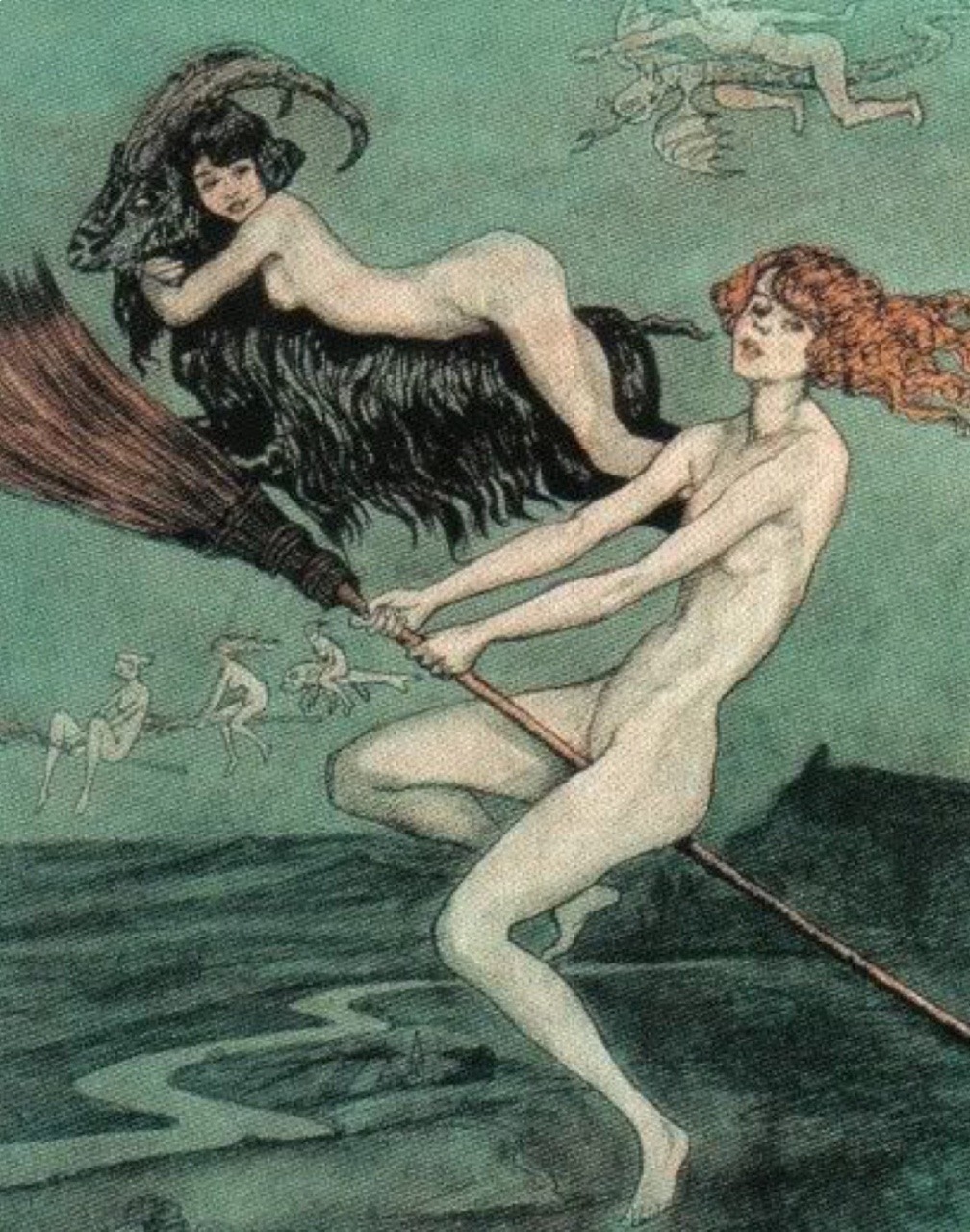
What people believe
For most of its recorded life the word named a worker of harm. Fifteenth-century writers such as Johannes Nider used the Latin maleficus for a person who performed maleficium, acts of harmful sorcery, against others. A new idea then entered: that demonic forces empowered those acts. This gave the word overtones of idolatry and apostasy, adopted by the Malleus Maleficarum of 1486, though the claims remained disputed despite papal injunctions to take action. Older layers point elsewhere: Old English glossaries used wicce and wicca for Latin words meaning diviner, and one scholarly reconstruction ties the root to 'sacred' and to the casting of lots.
How scholars and sceptics see it
Etymologists treat the word's deeper history as unsettled. The Brothers Grimm's Deutsches Wörterbuch tied the Ingvaeonic *wikkōn to Gothic weihs, 'sacred', from an Indo-European root meaning 'to separate, to divide', and guessed the link ran through early Germanic cleromancy, divination by lots, of the kind Tacitus reported. R. Lühr instead connects words for prophecy and divination, including Middle Low German wichelen and wicker, a soothsayer, and reconstructs Proto-Germanic *wigōn, doubled through what is called Kluge's law, with the feminine wicce as the basic form. Students of Anglo-Saxon law have likewise catalogued the vocabulary of the Old English laws on magic and kindred matters.
Cautions and what is closed
To be called a witch carried a hard cost: those accused became the targets of witch-hunts. The benandanti of Friuli, whose own visionary tradition held that they battled witches, were judged witches by inquisitors all the same. The harshest reading, that witches served demons and abandoned their faith, was contested even within the church and stayed disputed despite papal injunctions. The word can still wound in ordinary speech: dictionaries record a sense meaning a mean or ugly old woman, a hag or crone.
Compare and confuse
Several words gather around witch. Old English also had hægtes or hægtesse, which became English 'hag' and is linked to 'hex'; most other Germanic languages name the witch from that root, as German Hexe and Dutch heks show, from a reconstructed *hagatusjon whose origin is unclear. The masculine wicca gave way in Standard English to 'warlock' and 'wizard'. Wicca, the modern religion, takes its own name from the same Old English word.
Law and persecution
The word first surfaces in law. The Laws of Ælfred, dated about 890, hold its earliest recorded use, and an 11th-century Old English translator added to Halitgar's Latin Penitential a phrase, swa wiccan tæcaþ, 'as the witches teach'. Old English law codes regulated magic alongside matters like poisoning and perjury, and a modern scholar has tabulated the terms each law used. On the continent, the maleficus idea fed prosecution: the Malleus Maleficarum of 1486 took up the demonic reading, and papal injunctions called for action against witches even as the underlying claims stayed disputed. In Friuli, inquisitors applied the label to the benandanti.
Today
Today the word lives several lives at once. Dictionaries record four senses, from a woman credited with malignant supernatural powers to a practitioner of a neopagan religion such as Wicca, which has taken the word as a label for adherents of all genders. Figurative use for a bewitching young girl began in the 18th century. The word has also entered politics: modern women's movements draw a line between the word's history and the treatment of women now, and at a Rome demonstration against the Italian abortion laws, some 100,000 women chanted it together.
Questions people ask about Witch
Where does the word 'witch' come from?
From Old English wiċċe, which had a masculine form, wicca, and a feminine one, wicce. The root is Germanic, probably the verb wiccian, but the deeper origin is disputed: the Brothers Grimm linked it to a word for 'sacred', while R. Lühr ties it to prophecy and divination.
Has 'witch' always meant a woman?
No. Old English had both a masculine form, wicca, and a feminine one, wicce, but the masculine faded from Standard English, replaced by warlock and wizard. Everyday English now applies witch mostly to women, though Wicca uses it for adherents of all genders.
Why were people hunted as witches?
The word was long tied to malevolent magic. Fifteenth-century writers called witches malefici, people who worked maleficium, harmful sorcery, and the idea that demons empowered these acts brought overtones of idolatry and apostasy, adopted by the Malleus Maleficarum of 1486 and carried into the witch-hunts.
Is a witch always feared as a harmful figure?
No. Old English glossaries used wicce and wicca for Latin words meaning diviner and soothsayer, and in Friuli the benandanti said they battled witches. Modern dictionaries also record a neopagan practitioner, and a merely charming or alluring woman, among the word's senses.
How are 'witch', 'hag' and 'hex' related?
Another Old English word for witch was hægtesse, which became English 'hag' and is linked to 'hex'. Most other Germanic languages name the witch from that root, as in German Hexe and Dutch heks, from a reconstructed proto-Germanic form whose origin is unclear.
Good reading and sources
The facts on this page come from the Wikipedia article "Witch (word)", written by its contributors and used under the CC BY-SA 4.0 licence, and from its Wikidata record (CC0). EveryJaadu rewrote the text in its own words, with AI assistance, and compares every page with the article to make sure no passage is copied. It may be reused under the same CC BY-SA 4.0 licence with a link back.
It may contain mistakes. Names and customs differ from one community to the next, and some knowledge is closed to outsiders and left out here. This page describes belief and practice. It does not say that any of it works, it is not a how-to, and it is not medical advice. If something is wrong, tell us. Last refreshed 2026-10-17.
More from the United Kingdom
All the entries from the United Kingdom 🇫🇷 France and 2 moreKing ArthurBrenin Arthur
A legendary British king and folk hero of medieval literature and Welsh mythologyFigure · Power and authority · Wonder and entertainment Legendary
🇫🇷 France and 2 moreKing ArthurBrenin Arthur
A legendary British king and folk hero of medieval literature and Welsh mythologyFigure · Power and authority · Wonder and entertainment Legendary
 🇬🇧 United KingdomBideford witch trial
The final English hangings for witchcraft in 1682.Belief · Cursing and harm Historical
🇬🇧 United KingdomWitch trials in England
A historical period of legal persecution for alleged sorcery in England from the 15th to the 18th centuryBelief · Cursing and harm Historical
🇬🇧 United KingdomPaisley witches
A 1697 Scottish witch trial ending in mass execution after a child's illness sparked local panic.Belief · Cursing and harm Historical
🇬🇧 United KingdomBideford witch trial
The final English hangings for witchcraft in 1682.Belief · Cursing and harm Historical
🇬🇧 United KingdomWitch trials in England
A historical period of legal persecution for alleged sorcery in England from the 15th to the 18th centuryBelief · Cursing and harm Historical
🇬🇧 United KingdomPaisley witches
A 1697 Scottish witch trial ending in mass execution after a child's illness sparked local panic.Belief · Cursing and harm Historical
Related elsewhere
All figure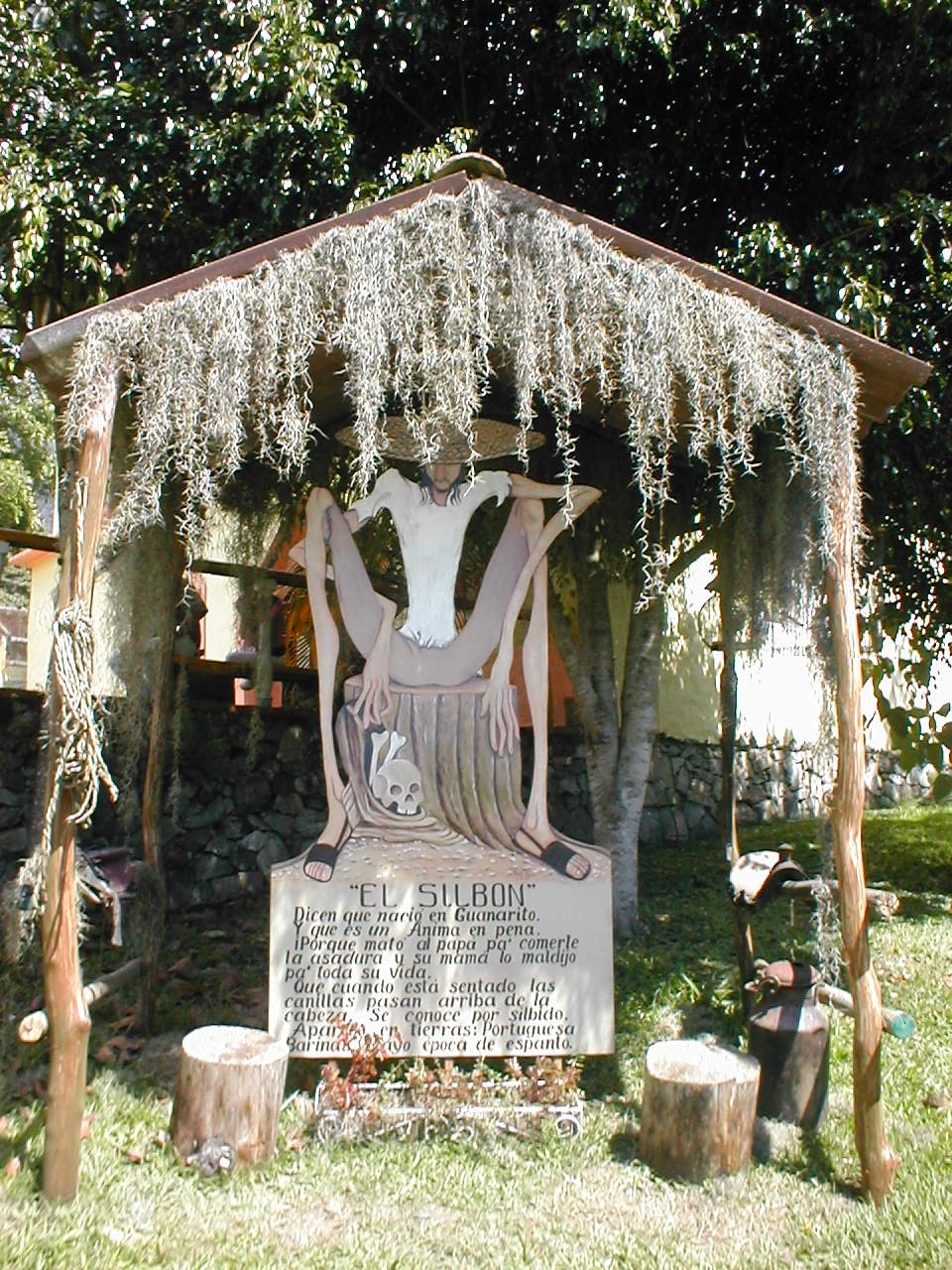 🇻🇪 Venezuela and 1 moreEl Silbón
A Venezuelan and Colombian legend of a cursed spirit who carries his father's bones.Figure · Cursing and harm · Seeing and foretelling Legendary
🇲🇾 Malaysia and 1 moreBomohبوموه
A Malay shaman and traditional healer who works with spirits, herbs, and geomancy.Tradition · Healing · Seeing and foretelling Living
🇯🇵 JapanKuda-gitsune管狐 (kuda-gitsune)
A small spirit kept in a tube or sleeve to aid fortune-telling and cursing in Japanese folklore.Being · Seeing and foretelling · Cursing and harm Legendary
🇻🇪 Venezuela and 1 moreEl Silbón
A Venezuelan and Colombian legend of a cursed spirit who carries his father's bones.Figure · Cursing and harm · Seeing and foretelling Legendary
🇲🇾 Malaysia and 1 moreBomohبوموه
A Malay shaman and traditional healer who works with spirits, herbs, and geomancy.Tradition · Healing · Seeing and foretelling Living
🇯🇵 JapanKuda-gitsune管狐 (kuda-gitsune)
A small spirit kept in a tube or sleeve to aid fortune-telling and cursing in Japanese folklore.Being · Seeing and foretelling · Cursing and harm Legendary
 🇸🇸 South Sudan and 1 moreAzande witchcraft
A Zande belief that certain people harm others by an inherited power, judged by oraclesBelief · Cursing and harm · Seeing and foretelling Living
🇸🇸 South Sudan and 1 moreAzande witchcraft
A Zande belief that certain people harm others by an inherited power, judged by oraclesBelief · Cursing and harm · Seeing and foretelling Living