
Oracle
from Latin ōrāre, meaning to speak
A person or site believed to channel divine insight and predict the future.
An oracle is a medium through which deities are thought to speak directly to humans. Originating in ancient Greece and Egypt, these figures provided counsel on war, politics and personal matters. The practice spread across the Mediterranean and into Asia, influencing philosophy and statecraft.
- The Pythia at Delphi served as the mouthpiece for Apollo.
- Chinese diviners used heated ox bones and tortoise shells.
- The I Ching influenced Chinese philosophy and statecraft.
- Croesus consulted Delphi before attacking Persia.
- Dodona's oracle interpreted rustling oak leaves as Zeus's voice.
What it is
An oracle serves as a conduit for divine knowledge, offering wise counsel or predictions about the future. The term originally described the priest or priestess who spoke the words of a god, but it also applies to the physical site of the prophecy and the utterances themselves. These institutions were central to ancient religious life, bridging the gap between mortals and the supernatural. Unlike seers who interpreted natural signs like bird flights, oracles were viewed as direct portals where gods spoke through human voices or sacred objects. This distinction placed them at the highest level of spiritual authority in many cultures.
Where it comes from
The tradition likely began in the Near East, with records of frenzied prophetesses in Mari and Assyria dating back to the second millennium BC. In Egypt, the goddess Wadjet was associated with an oracle at Buto, which may have influenced Greek practices. The Greeks adopted and adapted these ideas, establishing major sites like Delphi and Dodona. At Dodona, the oldest Hellenic oracle, priests interpreted the rustling of oak leaves as the voice of Zeus. The tradition spread throughout the Greco-Roman world, with sites dedicated to Apollo, Artemis and other deities becoming centers of political and religious power.
How it is done
Consultations involved supplicants asking questions about war, law or personal fate. At Delphi, the Pythia entered a trance-like state to deliver Apollo's responses. Other methods included interpreting cracks formed by heating oracle bones in China, or reading the movement of yarrow stalks in the I Ching. At Dodona, the sound of wind through oak trees was analyzed. Some oracles required sleep within a temple to receive visions. The responses were often ambiguous, allowing multiple interpretations depending on how events unfolded later.
Tools and materials
Materials varied by culture and deity. Chinese diviners used ox scapulae and tortoise shells heated to produce cracks. The Zhou dynasty employed yarrow plant stalks arranged according to the I Ching system. Greek oracles relied on sacred sites like the grove at Dodona or the temple at Delphi. Objects such as the Sibylline Books in Rome were consulted during emergencies. The physical environment, including springs, ash piles and specific trees, played a crucial role in channeling divine energy.
Oracle, drawn and placed
- Living
- Revived
- Fading
- Historical
- Legendary
- Performed
- Lineage
- Ancient Mediterranean divination
What it is for
Oracles guided rulers and citizens on critical decisions. Kings like Croesus of Lydia sought their advice before military campaigns. Philosophers like Socrates engaged with oracular pronouncements to shape ethical inquiry. The institution held civil and religious authority, addressing issues of crime, family duty and state laws. People from distant lands traveled to consult these sites, believing the insights offered protection and strategic advantage. The ambiguity of responses allowed communities to adapt outcomes to their circumstances.
Who does it
The primary practitioners were priestesses and priests chosen to serve specific deities. The Pythia at Delphi was a female priestess of Apollo who held significant influence in male-dominated society. Druids and vates performed divination in Celtic polytheism. In China, specialized diviners interpreted bone cracks and stalk arrangements. These figures were respected as intermediaries, though their status varied. Some, like the Sibyls, were known for prophetic states induced by frenzy or ritual preparation.
Peoples and places
The practice was widespread across the ancient world. Greeks established oracles at Delphi, Dodona and Didyma, making them central to Hellenic culture. Egyptians revered oracles of various gods, with the Oracle of Leto at Buto holding high honor. Romans consulted the Sibylline Books during crises. Chinese dynasties utilized oracle bones and the I Ching for statecraft and philosophy. Other cultures, including Celts and peoples of the Caucasus, developed similar divinatory traditions, showing a shared human interest in accessing hidden knowledge.
At a glance: who, where and when
Belief worlds


What people believe
Oracles operated within a worldview where gods actively intervened in human affairs. Deities were believed to communicate through selected humans or sacred objects. The accuracy of an oracle was rarely questioned; inconsistencies were blamed on misinterpretation rather than error. This belief reinforced the authority of religious institutions. In China, the I Ching connected divination to cosmic order and philosophical change. Egyptian religion viewed divination as controlled by gods, not freely practiced by humans. The concept of divine revelation persisted in later traditions like Judaism and Christianity.
How scholars and sceptics see it
Historians note the political influence of oracles, particularly at Delphi, which shaped alliances and wars. Anthropologists study the role of trance states and ritual environments in inducing prophetic experiences. Scholars of Chinese history analyze the I Ching as both a divinatory tool and a philosophical text. Skeptics attribute oracular accuracy to ambiguous language and confirmation bias. The persistence of oracles across cultures suggests a deep psychological need for guidance in uncertain times. Research highlights the interplay between religious belief and social control.
Cautions and what is closed
Oracular consultations could lead to disastrous decisions if misinterpreted. Croesus destroyed his empire after misreading a prophecy about crossing a river. Ambiguous responses allowed for post-hoc justification of any outcome. The power of oracles sometimes led to manipulation by political elites who controlled access to the sites. In some cases, fraud or deception may have occurred, though ancient sources generally treated oracles as authoritative. The reliance on divine will could discourage independent decision-making.
Compare and confuse
Oracles differ from seers, who interpreted natural omens rather than speaking directly for gods. They are related to modern concepts of divine revelation in Abrahamic faiths. The I Ching shares features with other systems of chance-based divination. Sibyls in Rome parallel Greek prophetesses. The term oracle has expanded to include any source of prophetic utterance, but its historical roots lie in specific ancient institutions. Confusion often arises between oracular speech and general fortune-telling.
Law and persecution
Ancient oracles operated within religious frameworks that granted them legal and political authority. Consultations were often required for state decisions. With the rise of new religions and secular governance, oracular practices declined. Many sites were destroyed or abandoned. The Sibylline Books were eventually suppressed as Christianity became dominant. Modern interest in oracles is largely academic or recreational, lacking official recognition. No legal protections exist for ancient oracular traditions today.
Today
Oracles survive as historical subjects and cultural symbols. The ruins of Delphi and Dodona attract tourists and scholars. The I Ching remains popular in East Asian philosophy and divination circles. Some neo-pagan groups revive oracular practices using traditional methods. Academic research continues to explore the psychological and social roles of ancient oracles. The legacy of oracles influences literature, art and discussions about fate and free will. Commercial fortune-telling bears little resemblance to ancient institutional oracles.
Questions people ask about Oracle
What is an oracle?
An oracle is a person or site believed to channel divine insight. It provides counsel or predicts the future through direct communication with deities. The term refers to the speaker, the location and the prophetic utterances themselves.
Where did oracles originate?
Oracles likely originated in the Near East and Egypt, spreading to Greece. Major Greek sites included Delphi and Dodona. Chinese traditions used oracle bones independently. The practice became widespread across the Mediterranean and Asia.
How did people consult an oracle?
Supplicants asked questions about war, law or fate. Methods varied: priestesses entered trances, bones were heated to reveal cracks, or yarrow stalks were arranged. Responses were often ambiguous, requiring interpretation based on subsequent events.
Who were the main practitioners?
Priests and priestesses served as intermediaries for specific gods. The Pythia at Delphi was a prominent female priestess. Chinese diviners interpreted bones and stalks. Celtic druids also performed divination. These figures held significant religious authority.
Good reading and sources
- Oracle on WikipediaEncyclopedia
- More photos on Wikimedia CommonsPhotos and video
- Wikidata recordOpen data
The facts on this page come from the Wikipedia article "Oracle", written by its contributors and used under the CC BY-SA 4.0 licence, and from its Wikidata record (CC0). EveryJaadu rewrote the text in its own words, with AI assistance, and compares every page with the article to make sure no passage is copied. It may be reused under the same CC BY-SA 4.0 licence with a link back.
It may contain mistakes. Names and customs differ from one community to the next, and some knowledge is closed to outsiders and left out here. This page describes belief and practice. It does not say that any of it works, it is not a how-to, and it is not medical advice. If something is wrong, tell us. Last refreshed 2026-10-06.
More from Greece
All the entries from Greece 🇬🇷 Greece and 2 moreAstragalomancy
Divination by casting marked bones, carved rods, or numbered diceOracle · Seeing and foretelling · Speaking with spirits and the dead Living
🇬🇷 Greece and 2 moreAstragalomancy
Divination by casting marked bones, carved rods, or numbered diceOracle · Seeing and foretelling · Speaking with spirits and the dead Living
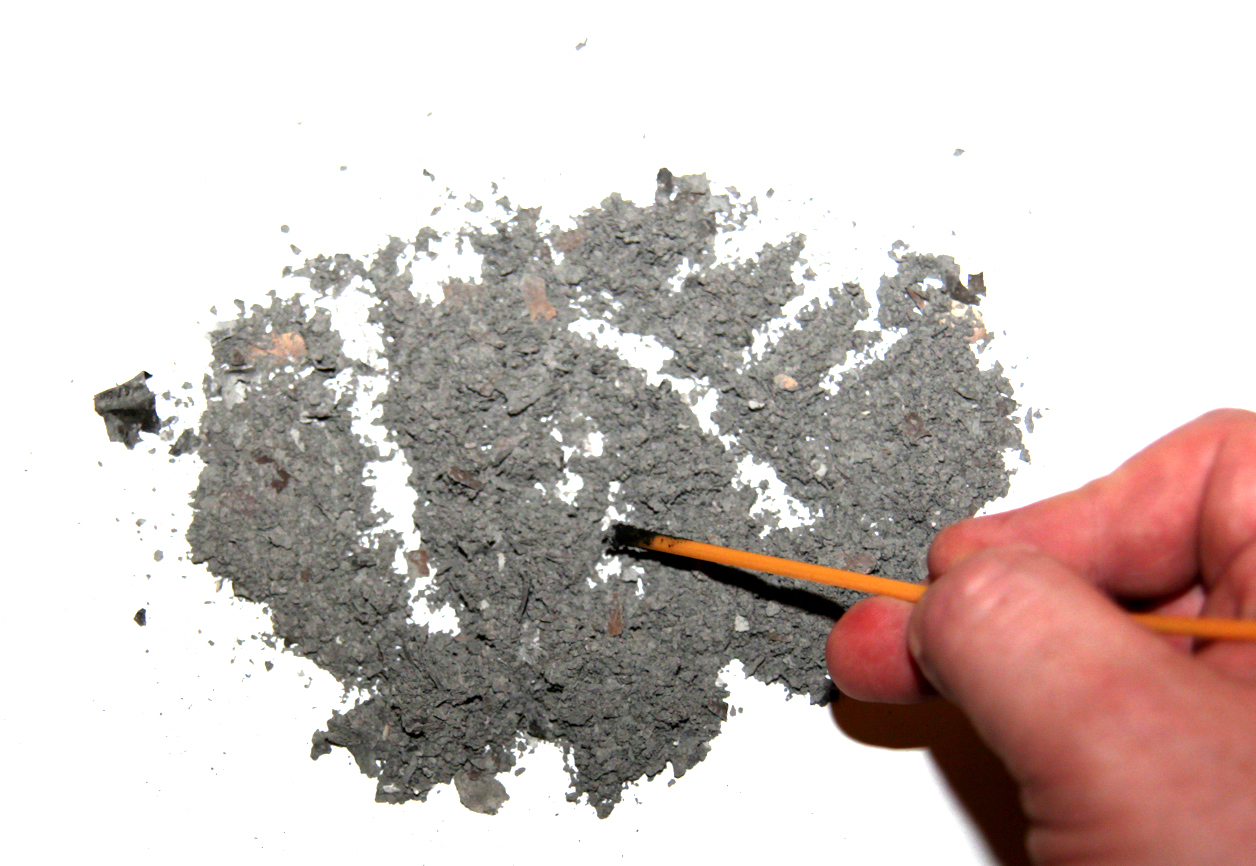 🇬🇷 Greece and 5 moreSpodomancy
Divination by reading omens in ashes, soot, and cindersOracle · Seeing and foretelling · Healing Living
🇬🇷 Greece and 5 moreSpodomancy
Divination by reading omens in ashes, soot, and cindersOracle · Seeing and foretelling · Healing Living
 🇬🇷 GreeceCoscinomancy
A divination method using a sieve and shears to reveal guilt or answer questions.Oracle · Seeing and foretelling Historical
🇬🇷 GreeceCoscinomancy
A divination method using a sieve and shears to reveal guilt or answer questions.Oracle · Seeing and foretelling Historical
 🇬🇷 Greece and 1 moreHydromancy
Divination using water to reveal the future or judge legitimacy.Oracle · Seeing and foretelling · Luck and prosperity Historical
🇬🇷 Greece and 1 moreHydromancy
Divination using water to reveal the future or judge legitimacy.Oracle · Seeing and foretelling · Luck and prosperity Historical
Related elsewhere
All oracle 🇮🇳 India and 5 moreAstrology
A divinatory practice that reads human fate through the positions of celestial bodies.Belief · Seeing and foretelling · Luck and prosperity Living
🇮🇳 India and 5 moreAstrology
A divinatory practice that reads human fate through the positions of celestial bodies.Belief · Seeing and foretelling · Luck and prosperity Living
 🇮🇳 India and 2 morePalmistry
A divination method that interprets the lines and shapes of the hand to predict fate or reveal character.Oracle · Seeing and foretelling · Power and authority Living
🇮🇳 India and 2 morePalmistry
A divination method that interprets the lines and shapes of the hand to predict fate or reveal character.Oracle · Seeing and foretelling · Power and authority Living
 🇩🇿 Algeria and 1 moreAhmad al-Buniأحمد البوني المالكي
A medieval Sufi scholar known for works on letter mysticism and talismansText · Power and authority · Seeing and foretelling Historical
🇩🇿 Algeria and 1 moreAhmad al-Buniأحمد البوني المالكي
A medieval Sufi scholar known for works on letter mysticism and talismansText · Power and authority · Seeing and foretelling Historical
 🇬🇹 Guatemala and 1 moreMaya mythology
The reconstructed tales of the Maya people about gods, heroes, and the creation of the world.Tradition · Seeing and foretelling · Power and authority Historical
🇬🇹 Guatemala and 1 moreMaya mythology
The reconstructed tales of the Maya people about gods, heroes, and the creation of the world.Tradition · Seeing and foretelling · Power and authority Historical