
Cartomancy is a form of divination that uses card decks to tell fortunes. It emerged in Europe after playing cards arrived in the fourteenth century. Practitioners are known as cartomancers or readers.
- Cartomancy emerged in Europe after the 14th century introduction of playing cards
- Practitioners are called cartomancers or card readers
- French readers often use a 32-card piquet deck
- English-speaking countries primarily use tarot decks
- The practice is popular among Romani people
What it is
Cartomancy is the practice of fortune-telling using a deck of cards. The term describes any method where cards serve as an oracle for divination. People who perform this art are called cartomancers, card readers, or simply readers. The practice relies on interpreting the symbols and arrangements of the cards to reveal information about the future or hidden matters.
Where it comes from
Forms of cartomancy appeared shortly after playing cards were introduced into Europe during the fourteenth century. The practice developed alongside the popularity of card games. Over time, specific methods and interpretations became established among various communities. The tradition spread across different regions, adapting to local card types and cultural contexts.
How it is done
Practitioners shuffle and lay out cards from a chosen deck. The arrangement and specific cards drawn are interpreted to provide readings. In France, readers often use a thirty-two-card piquet deck, which excludes lower numbered cards. Elsewhere, standard fifty-two-card decks are common, sometimes including jokers. In English-speaking countries, tarot decks are the primary tool for this type of reading.
Tools and materials
The main tools are card decks. Standard playing cards are widely used. A thirty-two-card piquet deck is typical in French traditions. Tarot decks are the standard choice in English-speaking regions. Some readers augment standard decks with jokers or blank cards found in commercial packs to expand their interpretive range.
Cartomancy, drawn and placed
- Living
- Revived
- Fading
- Historical
- Legendary
- Performed
What it is for
The practice is used to foresee events and determine luck. Clients seek guidance on personal matters through these readings. The goal is to gain insight into potential futures or current situations. The readings are performed by specialists who interpret the card patterns for those seeking answers.
Who does it
People who practice cartomancy are known as cartomancers or card readers. They learn to interpret card meanings and layouts. The role involves providing fortune-telling services to clients. The practice has been popular throughout the eighteenth, nineteenth, and twentieth centuries.
Peoples and places
The practice is widespread in Europe and beyond. It is particularly popular among Romani people. In France, the piquet deck remains a traditional choice. English-speaking countries predominantly use tarot cards for similar purposes. The method adapts to local card availability and cultural preferences.
At a glance: who, where and when


What people believe
Practitioners hold that cards can reveal hidden knowledge or future events. The system relies on symbolic interpretation rather than chance alone. Readers believe the arrangement of cards carries specific meanings. This worldview treats the deck as a tool for accessing information beyond ordinary perception.
When it is done
Readings can be performed at any time. There are no specific festivals or calendar days tied to the practice. The timing depends on when clients seek guidance. The activity is not restricted to seasonal or religious occasions.
How scholars and sceptics see it
Scholars study cartomancy as a cultural and historical phenomenon. Research examines how the practice evolved with card technology. Anthropologists look at its role in communities like the Romani. Historians trace its development from the fourteenth century onward. Studies also analyze the social context of fortune-telling.
Cautions and what is closed
The practice does not involve physical harm or medical treatment. Risks are primarily related to misinformation or financial exploitation. Clients should be aware that readings are interpretive and not factual predictions.
Compare and confuse
Cartomancy is distinct from stage magic, which is entertainment. It is also different from tarot reading in some regions, though tarot is now common in English-speaking areas. The practice shares similarities with other forms of divination but uses cards as its primary medium. Piquet decks differ from standard decks in structure and usage.
Rites that involve Cartomancy
Questions people ask about Cartomancy
What is cartomancy?
Cartomancy is a form of divination that uses card decks to tell fortunes. It emerged in Europe after playing cards arrived in the fourteenth century. Practitioners interpret card arrangements to reveal information about the future.
What cards are used?
Standard playing cards are common. In France, a thirty-two-card piquet deck is typical. English-speaking countries usually use tarot decks. Some readers add jokers or blank cards to standard packs.
Who practices it?
People who perform this art are called cartomancers or readers. The practice is popular among Romani people. It has been widespread since the eighteenth century.
Good reading and sources
The facts on this page come from the Wikipedia article "Cartomancy", written by its contributors and used under the CC BY-SA 4.0 licence, and from its Wikidata record (CC0). EveryJaadu rewrote the text in its own words, with AI assistance, and compares every page with the article to make sure no passage is copied. It may be reused under the same CC BY-SA 4.0 licence with a link back.
It may contain mistakes. Names and customs differ from one community to the next, and some knowledge is closed to outsiders and left out here. This page describes belief and practice. It does not say that any of it works, it is not a how-to, and it is not medical advice. If something is wrong, tell us. Last refreshed 2026-10-05.
More from France
All the entries from France 🇬🇧 United Kingdom and 2 moreKing ArthurBrenin Arthur
A legendary British king and folk hero of medieval literature and Welsh mythologyFigure · Power and authority · Wonder and entertainment Legendary
🇬🇧 United Kingdom and 2 moreKing ArthurBrenin Arthur
A legendary British king and folk hero of medieval literature and Welsh mythologyFigure · Power and authority · Wonder and entertainment Legendary
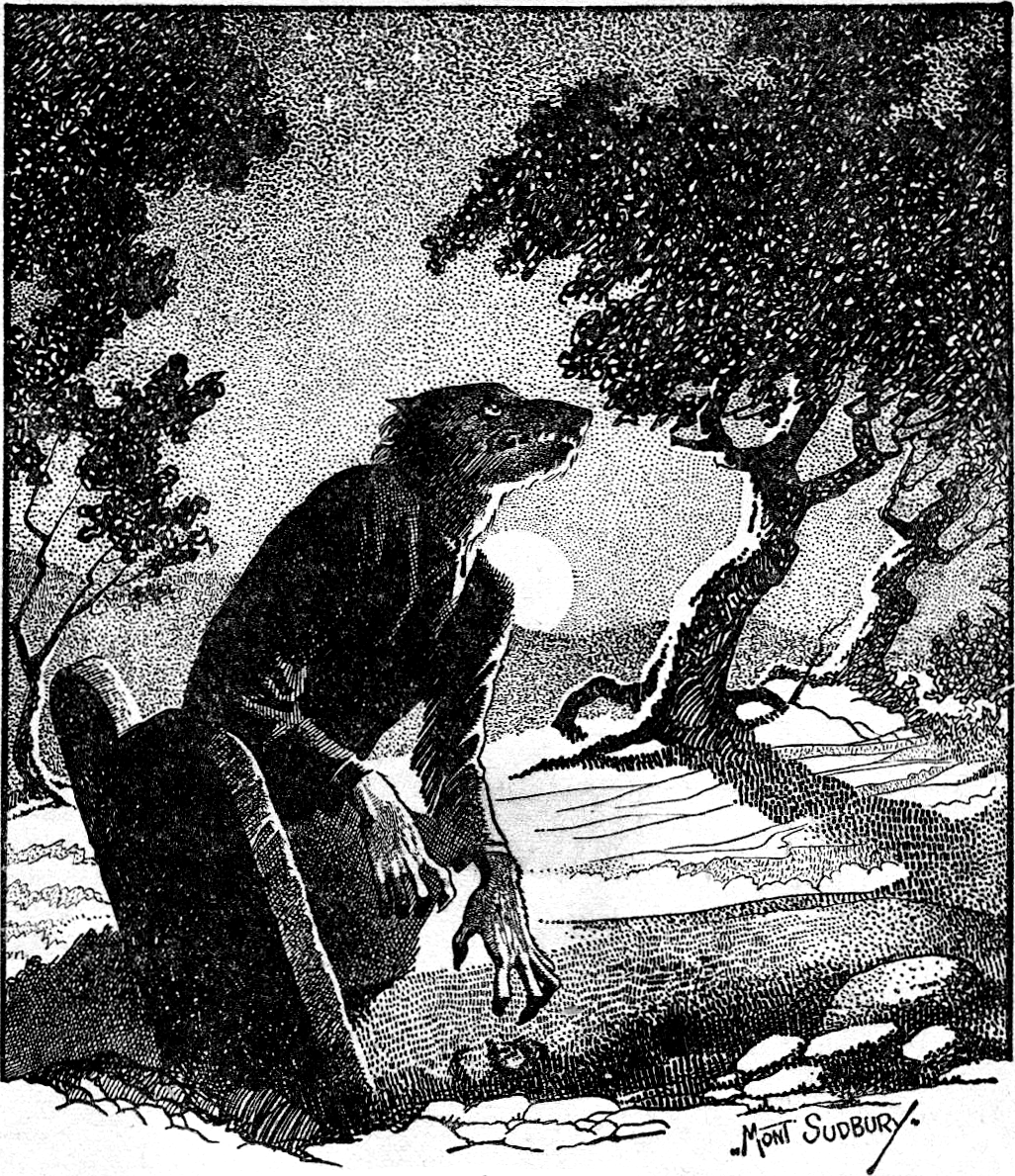 🇫🇷 France and 5 moreWerewolf
A mythical shapeshifter that turns into a wolf, central to European witch-hunts and Gothic horror.Being · Cursing and harm · Wonder and entertainment Legendary
🇫🇷 France and 5 moreWerewolf
A mythical shapeshifter that turns into a wolf, central to European witch-hunts and Gothic horror.Being · Cursing and harm · Wonder and entertainment Legendary
 🇫🇷 FranceHoly GrailSaint Graal
A cup or stone from Arthurian tales that grants healing and eternal lifeFigure · Healing · Luck and prosperity Legendary
🇫🇷 FranceHoly GrailSaint Graal
A cup or stone from Arthurian tales that grants healing and eternal lifeFigure · Healing · Luck and prosperity Legendary
 🇮🇹 Italy and 5 moreTarottarocchi
A set of playing cards used for games and divinationTradition · Seeing and foretelling · Luck and prosperity Living
🇮🇹 Italy and 5 moreTarottarocchi
A set of playing cards used for games and divinationTradition · Seeing and foretelling · Luck and prosperity Living
Related elsewhere
All oracle 🇮🇳 India and 5 moreAstrology
A divinatory practice that reads human fate through the positions of celestial bodies.Belief · Seeing and foretelling · Luck and prosperity Living
🇮🇳 India and 5 moreAstrology
A divinatory practice that reads human fate through the positions of celestial bodies.Belief · Seeing and foretelling · Luck and prosperity Living
 🇮🇳 IndiaHindu astrologyज्योतिष (Jyotiṣa)
A traditional Hindu system of astrology and timekeeping rooted in the VedasTradition · Seeing and foretelling · Luck and prosperity Living
🇮🇳 IndiaHindu astrologyज्योतिष (Jyotiṣa)
A traditional Hindu system of astrology and timekeeping rooted in the VedasTradition · Seeing and foretelling · Luck and prosperity Living
 🇮🇳 India and 5 moreCowrie
A sea snail shell used as currency, divination tool, and charm across many culturesSubstance · Seeing and foretelling · Luck and prosperity Living
🇮🇳 India and 5 moreCowrie
A sea snail shell used as currency, divination tool, and charm across many culturesSubstance · Seeing and foretelling · Luck and prosperity Living
 🇺🇸 United States and 1 moreGroundhog DayGrund'sau dåk
A North American custom using a burrowing rodent to forecast the end of winterTradition · Seeing and foretelling · Luck and prosperity Living
🇺🇸 United States and 1 moreGroundhog DayGrund'sau dåk
A North American custom using a burrowing rodent to forecast the end of winterTradition · Seeing and foretelling · Luck and prosperity Living