Geomantic figures
from Latin names describing each symbol's shape or meaning
Sixteen four-line symbols used in geomancy to interpret questions through elemental and astrological correspondences.
The sixteen geomantic figures are the core symbols of geomancy, a divinatory system with roots in African traditions. Practitioners use these marks to answer specific questions by analyzing their elemental qualities and planetary links. The practice moved into Europe during the medieval period, where it adopted new astrological layers.
- Sixteen symbols form the core of geomantic divination.
- Each figure uses four lines with one or two dots.
- Origins lie in African traditions before moving to Europe.
- European practitioners added astrological correspondences.
- Latin names describe the shape or nature of each symbol.
What it is
These sixteen symbols form the foundation of geomancy, an ancient method of seeking answers. Each mark consists of four horizontal lines, where every line contains either one or two dots. Diviners read these patterns to understand situations. The system originated in Africa before moving northward. In Europe, the practice absorbed complex astrological meanings. Scholars note that the visual structure bears a slight similarity to the Chinese trigrams found in the I Ching, though the systems operate differently. Each figure carries specific attributes regarding stability, movement, and neutrality.
Where it comes from
The tradition began within African cultural contexts. It later spread to Europe, arriving during the medieval era. This transfer introduced significant changes to the original practice. European practitioners added detailed astrological associations to the existing framework. They linked the figures to zodiac signs, planets, and classical elements. These additions created new interpretive layers that did not exist in the earlier African versions. The Latin names for the figures reflect this European influence, providing descriptive titles for each symbol based on its appearance or perceived nature.
How it is done
A diviner generates a figure by creating four lines of dots. Each line holds one or two marks. The resulting pattern matches one of the sixteen standard symbols. The reader then interprets the symbol based on the question asked. Classifications help determine the outcome. Figures are sorted by traits such as mobility versus stillness or impartiality versus bias. Some symbols indicate change, while others suggest stagnation. The reading often combines multiple figures to provide a complete picture of the situation being investigated.
Tools and materials
The primary tool is the set of sixteen geometric marks themselves. Each figure uses a simple binary structure of single or double dots. Beyond the marks, practitioners rely on extensive correspondence tables. These tables link each figure to specific planets, zodiac signs, and classical elements like fire, water, air, and earth. Astrological charts and planetary intelligences also serve as interpretive aids. The Latin titles act as verbal tools, summarizing the essence of each symbol for quick reference during a session.
Geomantic figures, drawn and placed
- Living
- Revived
- Fading
- Historical
- Legendary
- Performed
- Lineage
- geomancy
- Timing
- during divination readings
What it is for
People consult these symbols to gain clarity on uncertain matters. The figures help predict outcomes, assess risks, and understand underlying forces. Some symbols are viewed as highly favorable for success, while others warn of loss or delay. Specific figures guide decisions about travel, relationships, or financial gain. Others assist in understanding personal traits or health conditions. The practice serves as a structured way to explore possibilities and navigate life choices through symbolic interpretation.
Who does it
Diviners trained in geomancy study the sixteen figures and their many associations. They learn to generate the marks and apply the correct interpretive rules. Training involves memorizing planetary rulers, elemental qualities, and traditional meanings. Historically, this knowledge was preserved in esoteric texts. The practitioner acts as an interpreter, translating the static symbols into dynamic advice. Status varies by context, but expertise in the system commands respect among those seeking guidance.
Peoples and places
The tradition traces its roots to African societies before entering European intellectual circles. In Spain and other parts of Europe, the practice became part of medieval scholarly culture. European practitioners expanded the system significantly by adding astrological data. This adaptation transformed the African origin into a complex Western esoteric art. The Latin nomenclature reflects this European shift, distinguishing the adapted practice from its ancestral roots. The figures remain a key component of historical European divination literature.
At a glance: who, where and when
Who does it
Belief worlds
What people believe
Practitioners believe the figures reveal hidden truths about the querent's situation. The system operates on the idea that cosmic forces align with earthly events. Each figure connects to specific celestial bodies and elemental energies. For example, some symbols link to Mars or Saturn, carrying associated traits of aggression or restriction. Others connect to Venus or Jupiter, suggesting harmony or expansion. The belief holds that these connections provide a reliable map for understanding cause and effect in human affairs.
When it is done
The figures are used whenever a divination session occurs. There are no fixed calendar dates tied exclusively to their use. Instead, they are applied during moments of uncertainty or decision-making. Life events such as journeys, marriages, or business ventures may prompt a reading. The timing depends on the needs of the person seeking guidance rather than seasonal cycles or religious festivals.
How scholars and sceptics see it
Historians view geomancy as a bridge between African oral traditions and European written scholarship. Anthropologists study how the practice adapted to different cultural environments. Skeptics regard the interpretations as subjective and lacking empirical evidence. Researchers note the significant astrological overlay added in Europe, which differs from the original African framework. The comparison to Chinese trigrams highlights cross-cultural similarities in symbolic thought, though the systems remain distinct in function and philosophy.
Cautions and what is closed
Some figures carry negative connotations that require careful handling. Symbols like the Tail of the Dragon or Red are traditionally seen as unfavorable. In older traditions, drawing certain negative figures first might halt a reading entirely. Practitioners must understand these warnings to avoid misinterpretation. The system does not guarantee outcomes but offers perspectives based on established symbolic logic. Users should approach the readings with discernment rather than absolute certainty.
Compare and confuse
The system shares visual similarities with the eight trigrams of the Chinese I Ching, yet the methods differ. Geomancy relies on sixteen figures with astrological links, while the I Ching uses sixty-four hexagrams derived from yarrow stalks or coins. Both systems use binary structures to generate symbols, but their philosophical foundations and interpretive rules are distinct. The European astrological additions make geomancy unique among Western divinatory arts.
Law and persecution
The practice has no specific legal restrictions in modern times. Historically, it existed within the broader context of medieval European magic and scholarship. It was studied alongside astrology and alchemy without widespread persecution. Today, it remains a subject of historical interest and esoteric study. No laws prohibit the use of these symbols for divination or academic research.
Today
The figures survive primarily in historical texts and modern esoteric circles. They appear in contemporary occult literature and online resources dedicated to divination. Some practitioners keep the medieval tradition alive by studying the original Latin sources. The practice has not vanished but exists as a niche interest rather than a mainstream activity. Diaspora communities do not widely practice this specific form, keeping it largely within Western esoteric history.
Questions people ask about Geomantic figures
What are geomantic figures?
They are sixteen symbols used in geomancy, an ancient divinatory practice. Each symbol consists of four lines containing one or two dots. Practitioners interpret these marks to answer questions about various life situations.
Where did geomancy originate?
The practice originated in African traditions. It was later introduced to Europe during the Middle Ages. In Europe, it acquired new astrological meanings and interpretive layers that expanded its original scope.
How are the figures interpreted?
Readings depend on the specific question asked. Figures are classified by qualities like stability, mobility, or neutrality. They are also linked to planets, zodiac signs, and elements to provide nuanced guidance.
Are there bad omens in the system?
Yes, some figures are considered unfavorable. Symbols like the Tail of the Dragon or Red are viewed as negative. In older traditions, drawing these first might stop a reading entirely due to their warning nature.
Good reading and sources
- Geomantic figures on WikipediaEncyclopedia
- More photos on Wikimedia CommonsPhotos and video
- Wikidata recordOpen data
The facts on this page come from the Wikipedia article "Geomantic figures", written by its contributors and used under the CC BY-SA 4.0 licence, and from its Wikidata record (CC0). EveryJaadu rewrote the text in its own words, with AI assistance, and compares every page with the article to make sure no passage is copied. It may be reused under the same CC BY-SA 4.0 licence with a link back.
It may contain mistakes. Names and customs differ from one community to the next, and some knowledge is closed to outsiders and left out here. This page describes belief and practice. It does not say that any of it works, it is not a how-to, and it is not medical advice. If something is wrong, tell us. Last refreshed 2026-10-11.
More from Spain
All the entries from Spain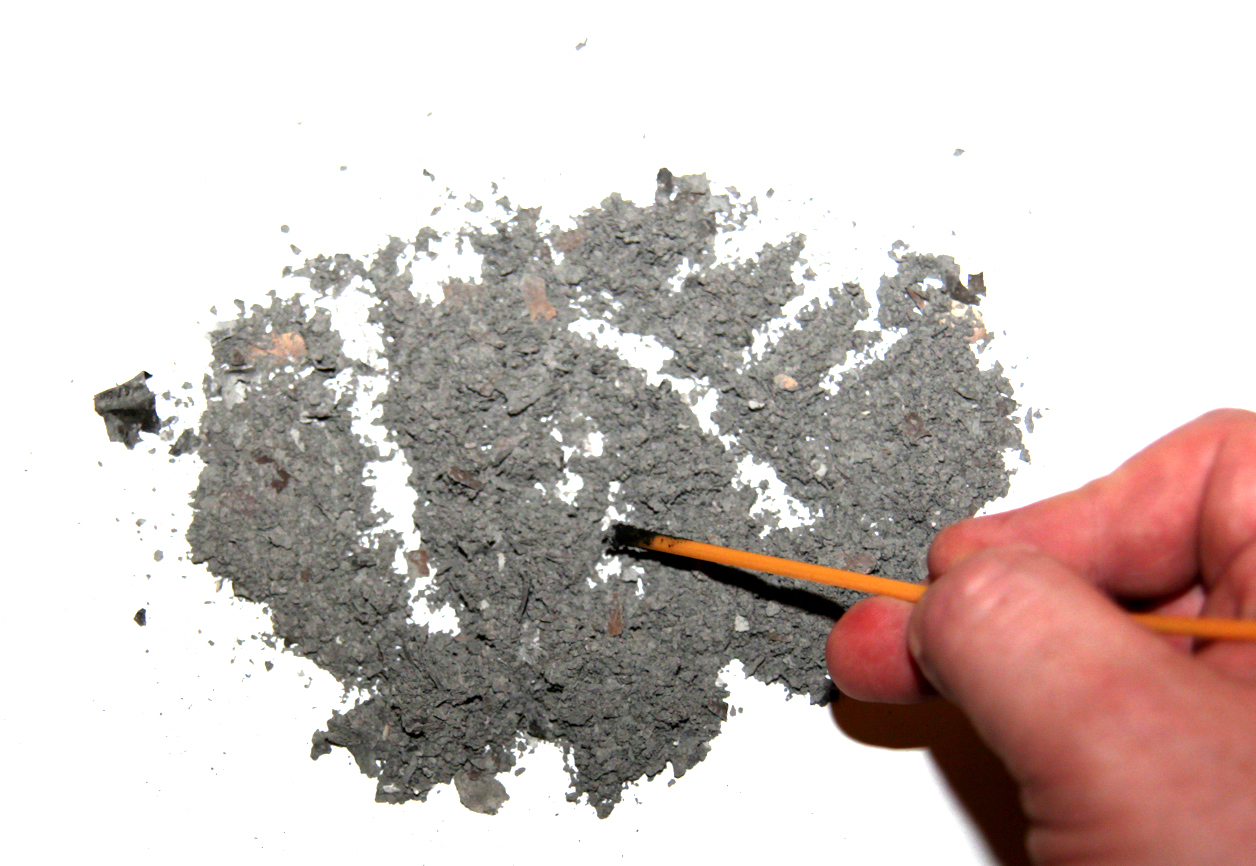 🇬🇷 Greece and 5 moreSpodomancy
Divination by reading omens in ashes, soot, and cindersOracle · Seeing and foretelling · Healing Living
🇬🇷 Greece and 5 moreSpodomancy
Divination by reading omens in ashes, soot, and cindersOracle · Seeing and foretelling · Healing Living
 🇮🇹 Italy and 5 moreRelic
An object or body part kept to honor a holy person and mark their connection to the divineCharm · Protection · Healing Living
🇮🇹 Italy and 5 moreRelic
An object or body part kept to honor a holy person and mark their connection to the divineCharm · Protection · Healing Living
 🇩🇪 Germany and 5 moreWitch trials in the Holy Roman Empire
A wave of executions across Central Europe between the fifteenth and eighteenth centuries.Belief · Cursing and harm Historical
🇩🇪 Germany and 5 moreWitch trials in the Holy Roman Empire
A wave of executions across Central Europe between the fifteenth and eighteenth centuries.Belief · Cursing and harm Historical
 🇬🇧 United Kingdom and 3 moreJet
A black gemstone carved into amulets and mourning jewellery for centuriesCharm · Protection · Luck and prosperity Historical
🇬🇧 United Kingdom and 3 moreJet
A black gemstone carved into amulets and mourning jewellery for centuriesCharm · Protection · Luck and prosperity Historical
Related elsewhere
All oracle 🇮🇶 Iraq and 4 moreAstrology
A system of divination that links human affairs to the positions of celestial bodiesTradition · Seeing and foretelling · Luck and prosperity Living
🇮🇶 Iraq and 4 moreAstrology
A system of divination that links human affairs to the positions of celestial bodiesTradition · Seeing and foretelling · Luck and prosperity Living
 🇮🇳 India and 2 morePalmistry
A divination method that interprets the lines and shapes of the hand to predict fate or reveal character.Oracle · Seeing and foretelling · Power and authority Living
🇮🇳 India and 2 morePalmistry
A divination method that interprets the lines and shapes of the hand to predict fate or reveal character.Oracle · Seeing and foretelling · Power and authority Living
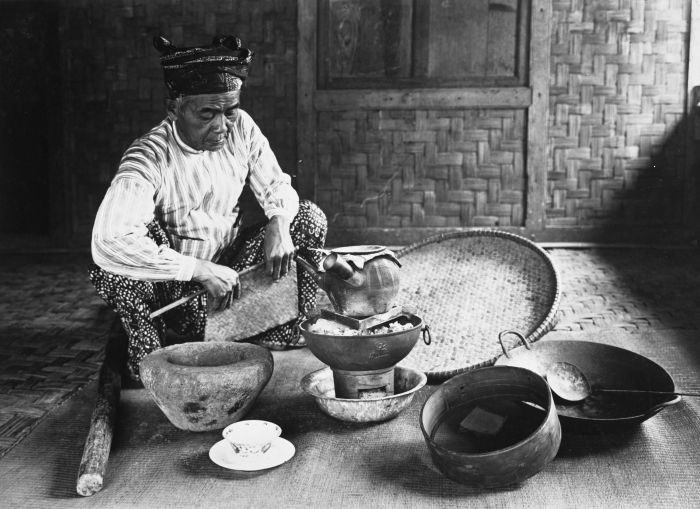 🇮🇩 Indonesia and 2 moreDukun
A traditional healer and spirit medium in Indonesian folk practiceTradition · Healing · Seeing and foretelling Living
🇮🇩 Indonesia and 2 moreDukun
A traditional healer and spirit medium in Indonesian folk practiceTradition · Healing · Seeing and foretelling Living
 🇬🇹 Guatemala and 1 moreMaya mythology
The reconstructed tales of the Maya people about gods, heroes, and the creation of the world.Tradition · Seeing and foretelling · Power and authority Historical
🇬🇹 Guatemala and 1 moreMaya mythology
The reconstructed tales of the Maya people about gods, heroes, and the creation of the world.Tradition · Seeing and foretelling · Power and authority Historical