
The Five of Cups is one of the Minor Arcana cards in a tarot deck, from the cups suit shared with Italian and Spanish playing cards. In Europe the pack deals card games, but English-speaking readers draw it for fortune-telling, taking this card to speak of loss, regret and what still remains.
- Tied to the element of water, the planet Mars and the zodiac sign Scorpio
- Read upright as loss and grief; reversed, as hope and recovery
- Europe deals tarot packs for card games; English-speaking readers use them for divination
- On the card: a black cloak, three spilled cups, two upright cups, a bridge, a river
- Its cups suit belongs to the Latin deck families of Italy and Spain
What it is
The Five of Cups is a single card of the Minor Arcana in a tarot pack. Tarot decks lead a double life. In much of Europe they are dealt as game cards, while in English-speaking countries, where tarot games never became familiar, the same packs are taken up mainly for fortune-telling. Within a reading, this card is tied to the element of water, the planet Mars and the sign Scorpio. Readers say it carries a meaning of sadness over things already past, and of not seeing the good that a situation still holds: the cloaked figure on the card mourns three spilled cups and overlooks the two left standing.
Where it comes from
The cups suit places this card in the Latin-suited deck families of Italy and Spain, alongside its place in the tarot's Minor Arcana. Its story then splits. In much of Europe, tarot packs have lived at the card table, dealt for tarot card games. English-speaking countries never took to those games, and there the decks came to serve chiefly as fortune-telling cards.
How it is done
A tarot reading is not fixed: each card can land upright or upside down, and each stance carries its own set of meanings. For this Five, upright positions are read as sadness, loss and regret, with grief that keeps turning back to the past. Upside down, the tone changes, and readers take the card to mean acceptance of what has been, fresh hope, and recovery that lets a person move on. The card's picture also guides a reading, since its spilled and standing cups, its cloak and its bridge each add to what is said.
Tools and materials
Every part of the picture carries a meaning assigned to it by tarot readers. The cups that have spilled stand for happiness lost and for let-downs. The dark cloak on the figure stands for grief and being alone. The two cups still upright stand for the chances and the backing that remain. A bridge, with a river running beneath it towards safety, stands for a road onward once mourning has passed. Outside the picture, the card is matched with the element of water, the planet Mars and the sign Scorpio.
Five of Cups, drawn and placed
- Living
- Revived
- Fading
- Historical
- Legendary
- Performed
- Lineage
- Tarot's Minor Arcana
What it is for
Within fortune-telling, the Five of Cups is drawn to speak about feeling rather than about events still ahead. Readers say it names low spirits, let-downs and grief tied to things that have already happened, and that it can point to a failure to notice whatever good a situation still holds. The picture carries the same lesson: the cloaked figure stares at three tipped cups and overlooks the two that remain. Turned the other way up, the card is read for acceptance and recovery, with hope of moving on, so a reading can end on recovery rather than loss.
Peoples and places
Where a person meets this card depends on language. Across much of Europe a tarot pack belongs to the card table, dealt in games that the English-speaking world knows hardly at all. In English-speaking countries the deck works differently: it is handled mainly as a fortune-telling tool. The card's own suit also points south, to the older Latin-suited decks of Italy and Spain, of which cups is one.
At a glance: who, where and when
Who does it
What people believe
Reading the card rests on a set of correspondences agreed by tarot readers. The Five of Cups belongs to the element of water, is paired with the planet Mars, and is linked with Scorpio of the zodiac. Its picture is treated as a small story: a figure in a black cloak grieves over three cups that have spilled, while two others stand upright and go unappreciated, and a river runs beneath a bridge towards safety. The card's stance is held to change its message, so the same image can speak either of sorrow or of the first steps out of it.
Questions people ask about Five of Cups
What is the Five of Cups?
It is one of the Minor Arcana cards of a tarot deck, from the suit of cups. In fortune-telling it is said to carry meanings of loss, sadness and regret about the past, and, when it lands reversed, of acceptance and recovery.
Where does this card come from?
Its cups suit belongs to the Latin-suited deck families of Italy and Spain. Tarot packs are used for card games across much of Europe, while in English-speaking countries, where those games are largely unfamiliar, the decks came to be read mainly for divination.
What does the picture on the card show?
A figure in a black cloak stands with three cups spilled and two still upright, mourning what is gone and missing what is left. Below, a river runs beneath a bridge towards safety, which readers take as a way onward through grief.
Does the card's direction change its meaning?
Readers hold that it does. Upright, the Five of Cups is read as grief, regret and sadness fixed on what has passed; reversed, the same card is read for acceptance, recovery and moving forward.
Who uses tarot cards like this one?
Two groups, in different ways. Across much of Europe the packs are dealt at the card table for tarot games. In English-speaking countries, where those games never caught on, readers pick the decks up chiefly for fortune-telling.
Good reading and sources
- Five of Cups on WikipediaEncyclopedia
- More photos on Wikimedia CommonsPhotos and video
- Wikidata recordOpen data
The facts on this page come from the Wikipedia article "Five of Cups", written by its contributors and used under the CC BY-SA 4.0 licence, and from its Wikidata record (CC0). EveryJaadu rewrote the text in its own words, with AI assistance, and compares every page with the article to make sure no passage is copied. It may be reused under the same CC BY-SA 4.0 licence with a link back.
It may contain mistakes. Names and customs differ from one community to the next, and some knowledge is closed to outsiders and left out here. This page describes belief and practice. It does not say that any of it works, it is not a how-to, and it is not medical advice. If something is wrong, tell us. Last refreshed 2026-10-16.
More from Spain
All the entries from Spain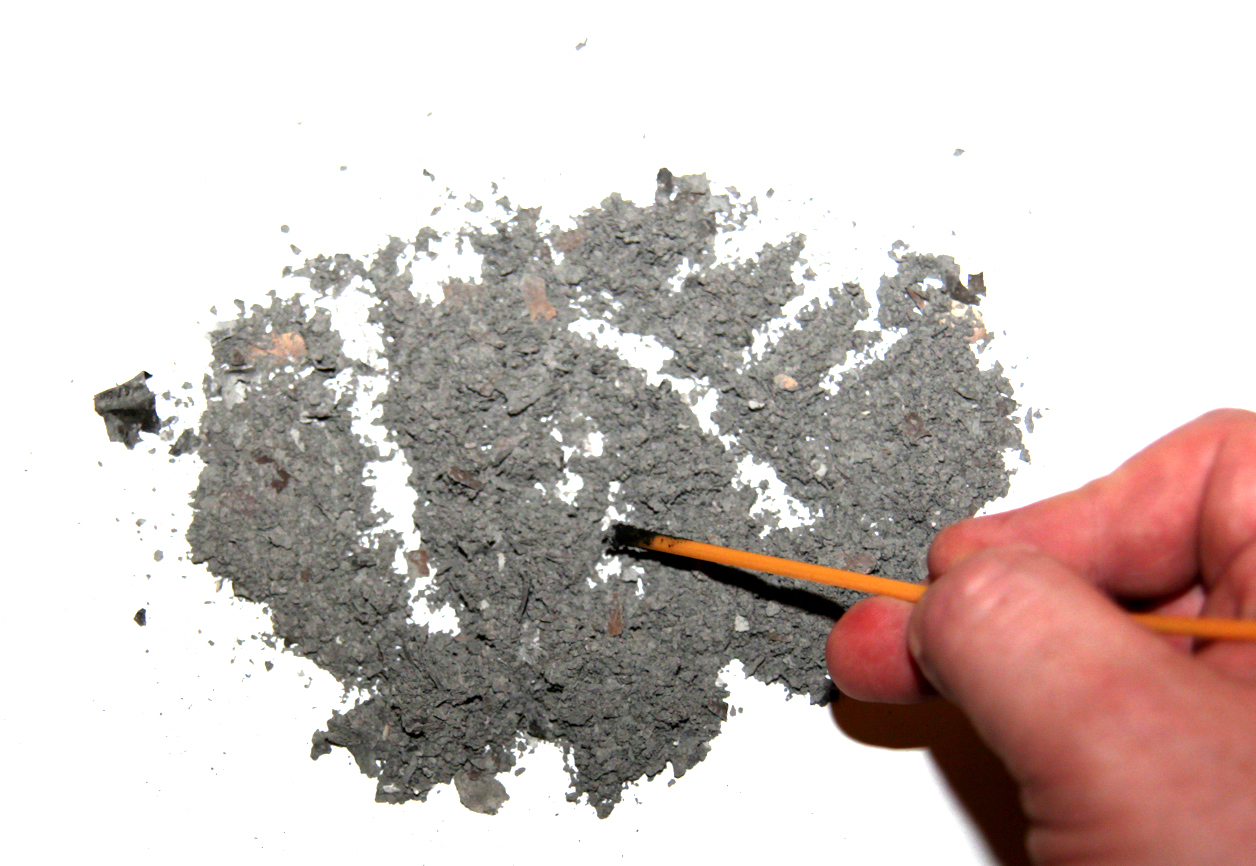 🇬🇷 Greece and 5 moreSpodomancy
Divination by reading omens in ashes, soot, and cindersOracle · Seeing and foretelling · Healing Living
🇪🇸 SpainGeomantic figures
Sixteen four-line symbols used in geomancy to interpret questions through elemental and astrological correspondences.Oracle · Seeing and foretelling Historical
🇬🇷 Greece and 5 moreSpodomancy
Divination by reading omens in ashes, soot, and cindersOracle · Seeing and foretelling · Healing Living
🇪🇸 SpainGeomantic figures
Sixteen four-line symbols used in geomancy to interpret questions through elemental and astrological correspondences.Oracle · Seeing and foretelling Historical
 🇮🇹 Italy and 5 moreRelic
An object or body part kept to honor a holy person and mark their connection to the divineCharm · Protection · Healing Living
🇮🇹 Italy and 5 moreRelic
An object or body part kept to honor a holy person and mark their connection to the divineCharm · Protection · Healing Living
 🇬🇧 United Kingdom and 3 moreJet
A black gemstone carved into amulets and mourning jewellery for centuriesCharm · Protection · Luck and prosperity Historical
🇬🇧 United Kingdom and 3 moreJet
A black gemstone carved into amulets and mourning jewellery for centuriesCharm · Protection · Luck and prosperity Historical
Related elsewhere
All oracle 🇮🇶 Iraq and 4 moreAstrology
A system of divination that links human affairs to the positions of celestial bodiesTradition · Seeing and foretelling · Luck and prosperity Living
🇮🇶 Iraq and 4 moreAstrology
A system of divination that links human affairs to the positions of celestial bodiesTradition · Seeing and foretelling · Luck and prosperity Living
 🇮🇳 India and 3 morePalmistry
A divination practice that reads the lines and shapes of the hand to predict fate or characterOracle · Seeing and foretelling · Luck and prosperity Living
🇮🇳 India and 3 morePalmistry
A divination practice that reads the lines and shapes of the hand to predict fate or characterOracle · Seeing and foretelling · Luck and prosperity Living
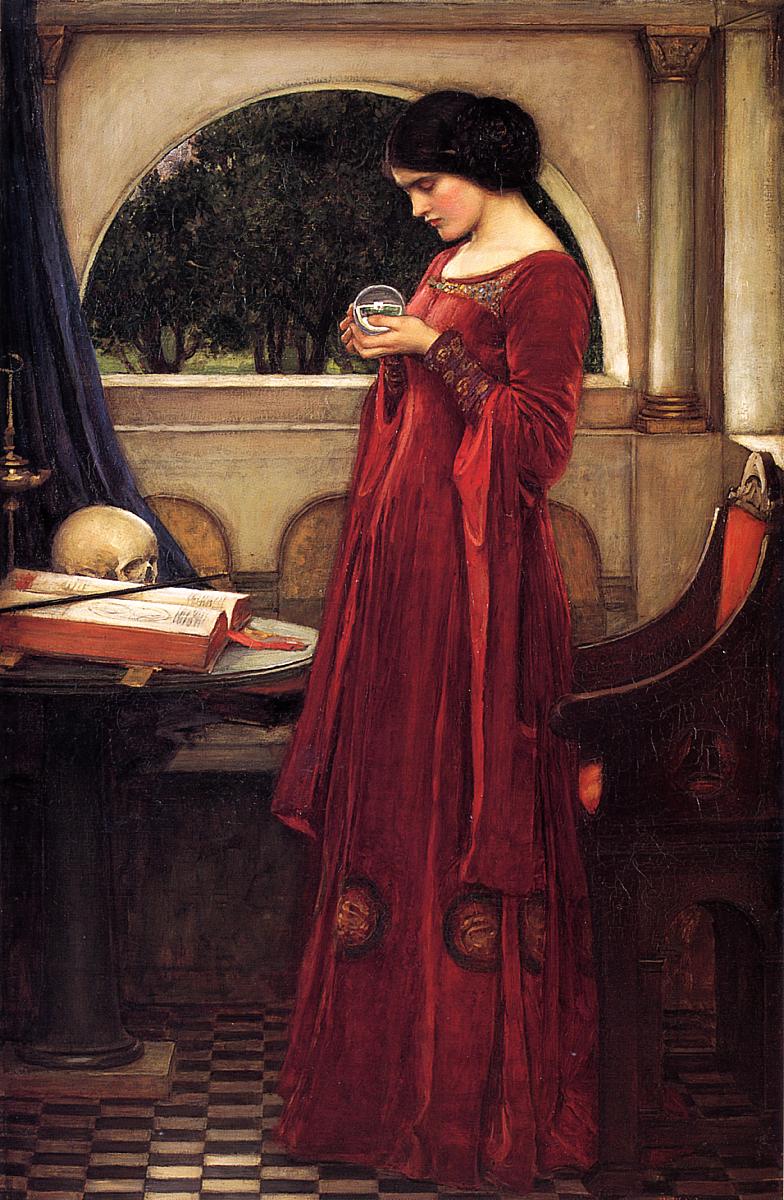 🇪🇬 EgyptScrying
A divination practice of gazing into a medium to receive visions or guidance.Oracle · Seeing and foretelling · Speaking with spirits and the dead Historical
🇪🇬 EgyptDjedi
A fictional magician from the Westcar Papyrus who resurrects animals and foretells a king's lineage.Figure · Seeing and foretelling · Wonder and entertainment Legendary
🇪🇬 EgyptScrying
A divination practice of gazing into a medium to receive visions or guidance.Oracle · Seeing and foretelling · Speaking with spirits and the dead Historical
🇪🇬 EgyptDjedi
A fictional magician from the Westcar Papyrus who resurrects animals and foretells a king's lineage.Figure · Seeing and foretelling · Wonder and entertainment Legendary