
Aeromancy
from Greek aēr (air) and manteia (divination)
Divination by reading the sky, wind, and clouds
Aeromancy is a form of divination that interprets atmospheric conditions to foresee events. Practitioners read cloud formations, wind currents, and celestial signs like comets or lightning. The practice has ancient roots in Babylon and Greece.
- From Greek aēr (air) and manteia (divination)
- Includes sub-types like austromancy and nephomancy
- Condemned by Moses in Deuteronomy
- Classified as a forbidden art by Hartlieb
- Recorded by Neoplatonist Damascius in 5th century
What it is
Aeromancy is a method of divination that seeks to predict the past, present, or future by interpreting atmospheric phenomena. It involves observing natural elements such as cloud shapes, wind patterns, and cosmic events like comets or shooting stars. The practice relies on the belief that these transient sky conditions carry meaningful messages for those trained to read them. Historically, it was categorized alongside other elemental divination methods like geomancy or hydromancy. In ancient Greece, an air-diviner was known as an aeromantis, and the art itself was termed aeromantia. The practice encompasses several sub-types, including austromancy for wind, ceraunoscopy for thunder and lightning, and nephomancy specifically for clouds. These variations reflect a broad engagement with the sky as a source of prophetic insight.
Where it comes from
The practice is believed to have origins in ancient Babylon, where priests likely used atmospheric signs for divination. Variations of this concept appear throughout history, with possible allusions in biblical texts. In classical antiquity, the ancient Etruscans developed guides for brontoscopic and fulgural divination, focusing on omens from thunder or lightning occurring on specific days or places. The Greeks formalized the terminology, creating distinct words for the practitioner and the art. Later, Neoplatonist Damascius recorded accounts of cloud divination in the fifth century CE, noting practitioners from regions like Cilicia and Cappadocia who claimed ancestral lineages in magical traditions. These historical layers show a widespread and enduring interest in sky-based prophecy across different cultures.
How it is done
Practitioners observe the sky for specific signs to interpret divine will or future events. This includes analyzing the shape and movement of clouds, the direction and strength of winds, and the appearance of celestial bodies like comets or meteors. Sub-types focus on particular phenomena: austromancy reads wind currents, while ceraunoscopy interprets thunder and lightning strikes. Nephomancy concentrates solely on cloud formations. A recorded example from the fifth century describes a woman praying toward the sun or west to induce cloud apparitions shaped like humans or animals, which were then interpreted as predictions about military outcomes. The process requires focused attention on transient atmospheric changes, treating them as coded messages rather than random weather.
Tools and materials
The primary tools are natural atmospheric elements rather than manufactured objects. Practitioners use their eyes to track cloud formations, wind direction, and celestial movements. Specific phenomena serve as the medium for interpretation: cumulus or cirrus clouds for shape analysis, gusts or breezes for wind divination, and electrical discharges for thunder and lightning omens. Celestial events like comets or shooting stars also function as key indicators. In some traditions, prayer or ritual positioning, such as facing the rising sun or west, is used to invite these signs. The 'tools' are thus the sky itself and the observer's ability to discern patterns within it.
Aeromancy, drawn and placed
- Living
- Revived
- Fading
- Historical
- Legendary
- Performed
- Lineage
- atmospheric divination
- Timing
- null
What it is for
The main purpose is to foresee future events, particularly regarding war, leadership, or personal fate. Historical accounts suggest it was used to predict military outcomes, such as the fate of commanders in battle. It was also employed for personal guidance, as seen in the case of the fifth-century woman seeking visions for a man entrusted with command. The practice aims to uncover hidden knowledge about what is to come by decoding atmospheric signals. While often associated with predicting disaster or conflict, it could also provide clarity on personal matters. The intent is always prophetic, seeking to reduce uncertainty by reading the sky's changing face.
Who does it
Practitioners include specialized diviners, often women in recorded historical cases, who claim lineage from families with magical traditions. The fifth-century account mentions a woman from a family of Orestiadai, suggesting hereditary knowledge passed down through generations. In ancient Greece, the title aeromantis denoted a specialist in air divination. Training involved learning to interpret complex atmospheric signs and possibly engaging in ritual preparation, such as prayer or specific directional facing. Some practitioners were condemned by religious authorities, indicating they operated outside mainstream orthodoxy. The role required keen observation skills and a reputation for accuracy, as seen in the continued practice of the woman described by Damascius after her predictions proved true.
Peoples and places
The practice appears in multiple ancient cultures. Babylonian priests are thought to have used early forms of atmospheric divination. Ancient Greeks developed specific terminology and recognized aeromantis specialists. The Etruscans created detailed guides for interpreting thunder and lightning omens based on calendar days and locations. Neoplatonist records preserve accounts of practitioners from Cilicia and Cappadocia, linking the art to older regional traditions. Biblical texts reference condemnation of such practices, indicating their presence in Hebrew contexts as well. These diverse cultural appearances show that reading the sky for omens was a widespread phenomenon, adapted to local mythologies and religious frameworks.
At a glance: who, where and when
Who does it
Belief worlds
What people believe
The underlying belief is that the atmosphere communicates divine will or future truths through visible signs. Clouds, wind, and storms are not merely weather but carriers of meaning. Shape-shifting clouds or sudden lightning strikes are interpreted as symbolic representations of people or events. This worldview sees the cosmos as interconnected, where earthly affairs reflect in the sky. The practice assumes that skilled observers can decode these symbols to reveal hidden realities. It contrasts with orthodox religious views that forbid such divination, labeling it as forbidden or demonic. The belief system treats the sky as a dynamic text to be read, requiring both spiritual sensitivity and technical knowledge of atmospheric patterns.
When it is done
No fixed calendar dates are specified for general aeromancy. However, Etruscan brontoscopic divination relied on omens occurring on particular days of the year or in specific places, suggesting a calendrical framework for interpreting lightning. The fifth-century account mentions praying toward the rising sun, implying a time-of-day component. Other sub-types like nephomancy or austromancy do not specify seasonal or lunar timing. The practice seems driven by immediate atmospheric conditions rather than scheduled rituals, though some traditions may align observations with religious festivals or astrological events.
Questions people ask about Aeromancy
What is aeromancy?
Aeromancy is a form of divination that interprets atmospheric conditions like clouds, wind, and storms to foresee future events. It originates from ancient traditions in Greece and Babylon.
How does aeromancy work?
Practitioners observe sky phenomena such as cloud shapes, wind direction, and celestial events like comets. They interpret these signs as messages about the future, using techniques like nephomancy for clouds or ceraunoscopy for lightning.
Is aeromancy still practiced today?
It is considered a historical practice with no evidence of widespread modern continuation. It was largely suppressed by religious authorities who classified it as a forbidden art or necromancy derivative.
Good reading and sources
The facts on this page come from the Wikipedia article "Aeromancy", written by its contributors and used under the CC BY-SA 4.0 licence, and from its Wikidata record (CC0). EveryJaadu rewrote the text in its own words, with AI assistance, and compares every page with the article to make sure no passage is copied. It may be reused under the same CC BY-SA 4.0 licence with a link back.
It may contain mistakes. Names and customs differ from one community to the next, and some knowledge is closed to outsiders and left out here. This page describes belief and practice. It does not say that any of it works, it is not a how-to, and it is not medical advice. If something is wrong, tell us. Last refreshed 2026-10-05.
More from Greece
All the entries from Greece 🇬🇷 Greece and 2 moreAstragalomancy
Divination by casting marked bones, carved rods, or numbered diceOracle · Seeing and foretelling · Speaking with spirits and the dead Living
🇬🇷 Greece and 2 moreAstragalomancy
Divination by casting marked bones, carved rods, or numbered diceOracle · Seeing and foretelling · Speaking with spirits and the dead Living
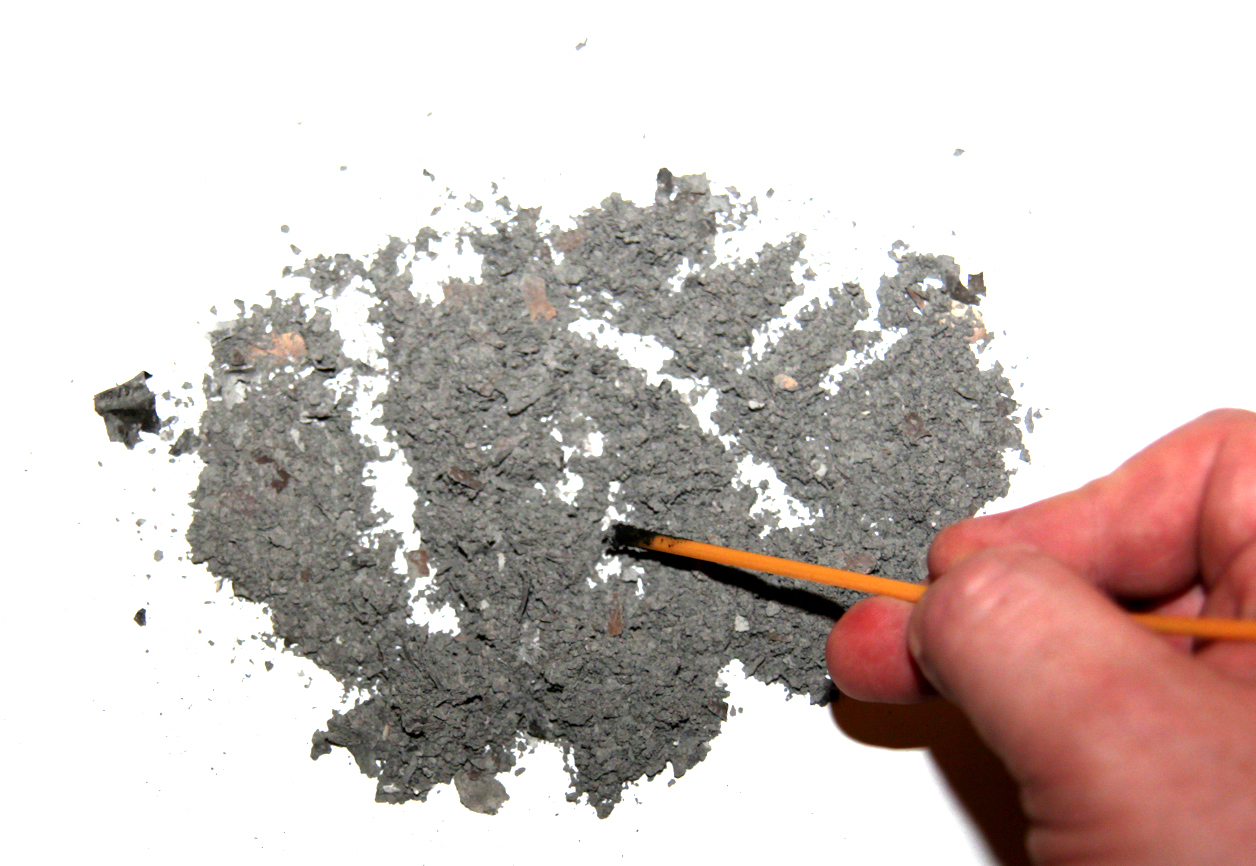 🇬🇷 Greece and 5 moreSpodomancy
Divination by reading omens in ashes, soot, and cindersOracle · Seeing and foretelling · Healing Living
🇬🇷 Greece and 5 moreSpodomancy
Divination by reading omens in ashes, soot, and cindersOracle · Seeing and foretelling · Healing Living
 🇬🇷 GreeceCoscinomancy
A divination method using a sieve and shears to reveal guilt or answer questions.Oracle · Seeing and foretelling Historical
🇬🇷 GreeceCoscinomancy
A divination method using a sieve and shears to reveal guilt or answer questions.Oracle · Seeing and foretelling Historical
 🇬🇷 Greece and 1 moreHydromancy
Divination using water to reveal the future or judge legitimacy.Oracle · Seeing and foretelling · Luck and prosperity Historical
🇬🇷 Greece and 1 moreHydromancy
Divination using water to reveal the future or judge legitimacy.Oracle · Seeing and foretelling · Luck and prosperity Historical
Related elsewhere
All oracle 🇮🇳 India and 5 moreAstrology
A divinatory practice that reads human fate through the positions of celestial bodies.Belief · Seeing and foretelling · Luck and prosperity Living
🇮🇳 India and 5 moreAstrology
A divinatory practice that reads human fate through the positions of celestial bodies.Belief · Seeing and foretelling · Luck and prosperity Living
 🇮🇳 India and 2 morePalmistry
A divination method that interprets the lines and shapes of the hand to predict fate or reveal character.Oracle · Seeing and foretelling · Power and authority Living
🇮🇳 India and 2 morePalmistry
A divination method that interprets the lines and shapes of the hand to predict fate or reveal character.Oracle · Seeing and foretelling · Power and authority Living
 🇬🇹 Guatemala and 1 moreMaya mythology
The reconstructed tales of the Maya people about gods, heroes, and the creation of the world.Tradition · Seeing and foretelling · Power and authority Historical
🇬🇹 Guatemala and 1 moreMaya mythology
The reconstructed tales of the Maya people about gods, heroes, and the creation of the world.Tradition · Seeing and foretelling · Power and authority Historical
 🇮🇳 India and 5 moreCowrie
A sea snail shell used as currency, divination tool, and charm across many culturesSubstance · Seeing and foretelling · Luck and prosperity Living
🇮🇳 India and 5 moreCowrie
A sea snail shell used as currency, divination tool, and charm across many culturesSubstance · Seeing and foretelling · Luck and prosperity Living