Illness and misfortune: practices that mark them
What people do when someone falls ill or luck turns: consult, cleanse, ward.
Illness and misfortune are the moments when people most often turn to magic. When someone falls ill, a business fails, a child is lost or luck turns, families ask why, and consult a healer, diviner, priest or mediums. Examples include the Mexican limpia, the African consultation of a diviner, the Islamic ruqyah, the Hindu or Buddhist temple rites, the Korean gut and the Catholic blessing of the sick. This page covers the pattern and its risks. It is not medical advice, and illness needs real medical care.
Why and who
Many traditions ask two questions: how did this happen, and why to me? A medical account answers the first. Traditional systems often address the second, linking misfortune to relationships, envy, taboo or spirits. A consultation then names a cause and a remedy, which may involve cleansing, offerings, protective objects or a ceremony. A diviner may be consulted, a healer called, a priest asked to pray or a shrine visited, and in many households several of these happen at once.
Help and hope
Rites of crisis bring people together, give a role to the family and offer hope when treatment is limited. Researchers have documented comfort and reduced distress after ritual. Many people use medicine and ritual together, and many healers support that. The pattern becomes dangerous only when ritual displaces treatment. Many practitioners also give practical advice about rest, diet and family conflict, and some of this advice is sound and some is not.
Blame and exploitation
Crisis also creates a market for fear. Fraudulent healers tell clients they are cursed and sell expensive cleansing. Accusations of witchcraft often follow illness, with violence against the accused. Exorcism of people with mental illness has caused injuries and deaths, including documented cases in churches in several countries. In some societies, a bad event is the signal for a ritual of the whole community, with confession, reconciliation and shared offerings.
Care and context
Public health programmes now involve community healers in work on issues such as HIV, maternal health and mental health, since many people consult them first. Scholars of medical anthropology call this a plural system of care. The sensible approach is to seek qualified medical help promptly and treat other support as company. Public health bodies urge anyone with a serious illness or injury to seek a clinician at once, and to treat traditional help as complementary to that care and never as a replacement for it.
Illness and misfortune on EveryJaadu
The entries written up so far, best known first.
 🇳🇬 Nigeria and 1 moreBoriBòòríí
A traditional Hausa spirit possession system and healing practice in West AfricaTradition · Healing · Protection Living
 🇺🇸 United StatesNavajo medicine
Traditional healing practices of the Navajo people focused on restoring harmonyTradition · Healing · Protection Living
🇬🇧 United KingdomCharmer
English folk healers who used gifts or verses to treat natural ailments without chargeTradition · Healing Historical
🇵🇭 PhilippinesAlbularyo
A Filipino folk healer who uses herbs, massage, and rituals to treat illness.Tradition · Healing · Seeing and foretelling Living
🇯🇲 Jamaica and 1 moreMyal
An Afro-Jamaican healing tradition rooted in Arawak and Akan spiritualityTradition · Healing · Protection Living
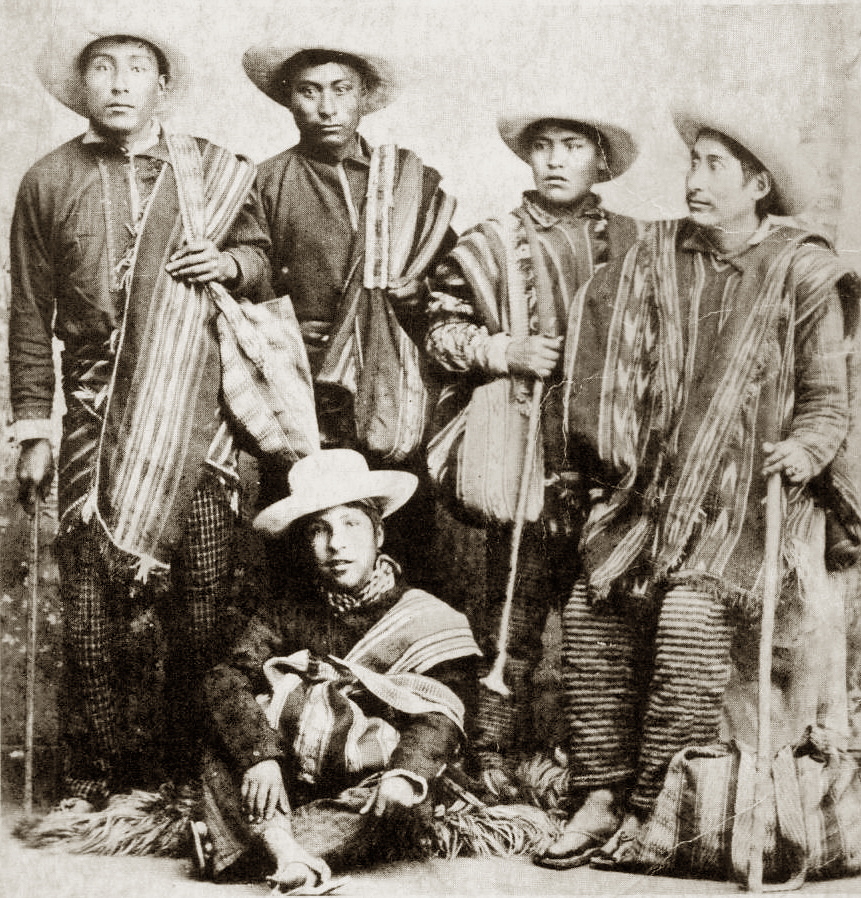 🇧🇴 Bolivia and 5 moreKallawaya
An itinerant group of traditional Andean healers known for their medicinal plant knowledge and ritual practicesTradition · Healing · Protection Living
 🇺🇸 United StatesRing shout
A sacred circle dance of African American origin using rhythmic movement and call-and-response singingRite · Speaking with spirits and the dead · Power and authority Living
🇺🇸 United StatesBraucherei
A Pennsylvania German folk healing tradition using prayers and gestures to cure illness and remove curses.Tradition · Healing · Protection Fading
 🇿🇦 South Africa and 5 moreTraditional healers of Southern Africa
Practitioners who blend herbal medicine with ancestral divination in Southern AfricaTradition · Healing · Protection Living
 🇨🇩 Democratic Republic of the Congo and 4 moreNganga
A spiritual healer and ritual specialist in Kongo religion and its diaspora traditionsTradition · Healing · Seeing and foretelling Living
 🇨🇺 Cuba and 5 moreBrujería
A syncretic blend of Indigenous, African and Catholic folk magic across Latin America and the CaribbeanTradition · Healing · Protection Living
 🇺🇸 United States and 4 moreFortune-telling
A practice of predicting future events or personal details through various methods and tools.Rite · Seeing and foretelling · Power and authority Living
 🇫🇷 France and 1 moreLaying on of handsסמיכה
A physical gesture used across religions to convey authority, healing, or spiritual presence.Rite · Healing · Power and authority Living
🇨🇬 Republic of the CongoNkisi
A Kongo spirit, and the object a spirit is held to live inBeing · Protection · Healing Living
 🇨🇺 Cuba and 4 moreSanteríaRegla de Ocha
An Afro-Cuban religion blending Yoruba spirits with Catholic saintsTradition · Protection · Healing Living
🇯🇵 JapanKitsunetsuki狐憑き
A Japanese folk belief in which a fox spirit enters and controls a human host.Belief · Cursing and harm · Speaking with spirits and the dead Historical
🇨🇫 Central African Republic and 5 moreWitchcraft in Africa
Beliefs about supernatural harm and the social responses to accusations across the continentBelief · Cursing and harm · Protection Living
 🇬🇧 United Kingdom and 4 moreCunning folk
European practitioners of folk medicine and helpful magic from the Middle Ages to the twentieth centuryTradition · Protection · Healing Historical
 🇵🇬 Papua New GuineaWitch-hunts in Papua New Guinea
Mob attacks on people, mostly women, accused of sanguma sorcery in Papua New GuineaBelief · Cursing and harm Living
 🇵🇭 PhilippinesWitchcraft in the Philippinespangkukulam
Indigenous beliefs about sorcery and malevolent magic in the PhilippinesTradition · Cursing and harm · Healing Living
 🇨🇳 China and 1 moreBagua八卦
A set of eight trigram symbols from China used in divination, philosophy, and feng shui.Tradition · Seeing and foretelling · Protection Living
 🇮🇩 Indonesia and 2 moreDukun
A traditional healer and spirit medium in Indonesian folk practiceTradition · Healing · Seeing and foretelling Living
 🇺🇸 United States and 3 moreHoodoo
A spiritual tradition of the African diaspora in the American South using herbs and charms for protection and justice.Tradition · Protection · Healing Living
 🇺🇸 United States and 5 moreRainmaking rites
Ceremonies performed to call rain through prayer, dance, or symbolic actsRite · Protection · Luck and prosperity Living
 🇬🇷 Greece and 2 moreMagic in the Greco-Roman world
Private supernatural practices in ancient Greece and Rome, distinct from public state religion.Tradition · Protection · Cursing and harm Historical
 🇲🇲 MyanmarBurmese folk religionNat Worship
Animistic worship of nature spirits and ancestors in Myanmar, often practiced alongside Buddhism.Tradition · Protection · Luck and prosperity Living
🇺🇸 United StatesDeliverance ministry
A Christian practice to remove evil spirits believed to cause personal afflictionRite · Cursing and harm · Cleansing and purification Living
 🇨🇱 Chile and 1 moreMachi
Mapuche spiritual authorities and healers who bridge herbal knowledge and spirit realmsTradition · Healing · Speaking with spirits and the dead Living
 🇺🇸 United StatesFolk healer
An unlicensed practitioner using traditional remedies and herbal knowledge to treat illness.Tradition · Healing · Protection Historical
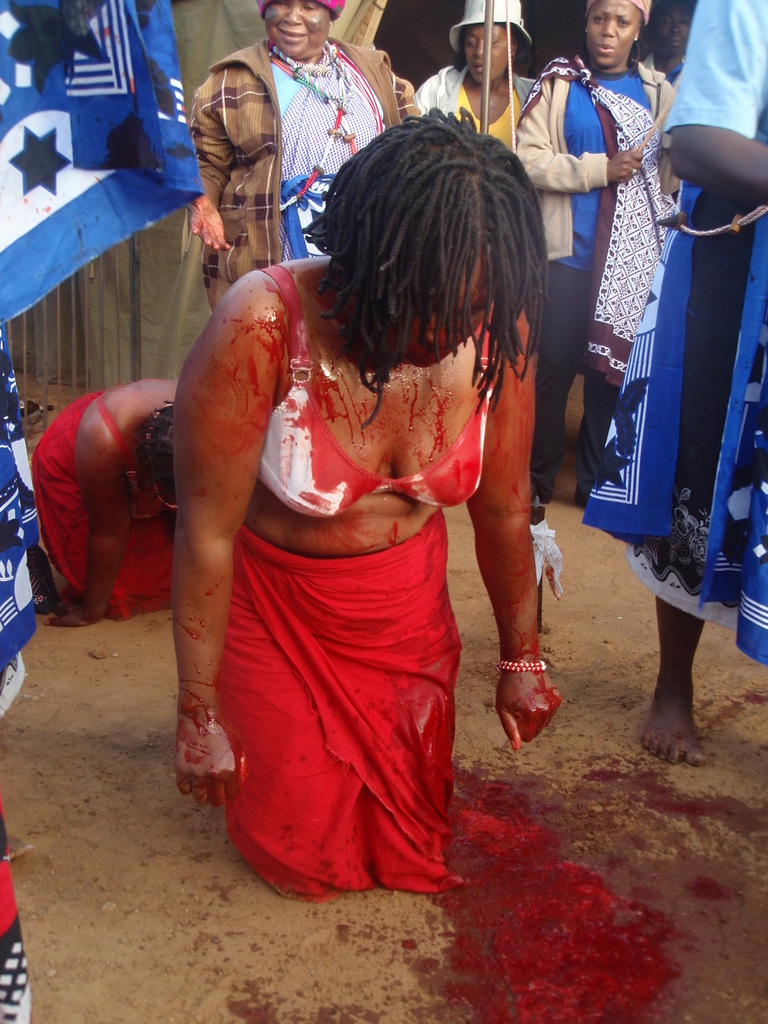 🇿🇦 South AfricaUkuthwasa
A Southern African spiritual calling and initiation for traditional healersRite · Healing · Speaking with spirits and the dead Living
🇲🇽 Mexico and 3 moreCurandero
A folk healer in Latin America and the United States who blends indigenous and Catholic traditions.Tradition · Healing · Protection Living
 🇯🇲 Jamaica and 5 moreObeah
A Caribbean tradition of ritual healing and spell-casting with African rootsTradition · Protection · Healing Living
 🇪🇹 Ethiopia and 5 moreZārزار (Arabic), ዛር (Ge'ez)
A spirit possession tradition and healing ritual in the Horn of Africa and Middle EastTradition · Healing · Speaking with spirits and the dead Living
 🇬🇷 Greece and 5 moreNecromancy
A form of divination that seeks to speak with the dead for hidden knowledge.Tradition · Seeing and foretelling · Power and authority Historical
 🇿🇦 South Africa and 4 moreWitch doctor
A traditional healer who identifies supernatural causes of illness and performs rituals to restore balance.Tradition · Healing · Protection Living
 🇺🇸 United StatesGhost DanceNanissaanah
A circular movement seeking spiritual renewal and reunion with ancestorsRite · Speaking with spirits and the dead · Change and initiation Living
 🇺🇸 United StatesKahuna
A Hawaiian expert or priest, keeper of hidden knowledge in craft and spiritTradition · Healing · Seeing and foretelling Living
 🇪🇹 Ethiopia and 4 moreBudaቡዳ
An Ethiopian and Eritrean belief in the evil eye and hyena transformationBelief · Cursing and harm · Protection Living
 🇨🇱 Chile and 1 moreCultrunkultrung
A ceremonial drum central to Mapuche spiritual practice and identity in Chile and ArgentinaTradition · Healing · Protection Living
 🇮🇳 India and 2 moreBhootभूत
A restless spirit of the dead in South Asian belief and folkloreBeing · Cursing and harm · Protection Living
🇳🇴 NorwayCyprianus
A Scandinavian folk magic grimoire and the tradition of spells it containsText · Healing · Seeing and foretelling Historical
 🇹🇳 TunisiaStambeli
A Tunisian music and possession rite practiced by Black communities of slave descentTradition · Healing · Protection Living
 🇨🇳 China and 5 moreRegional forms of shamanism
A global overview of indigenous spirit-interaction practices across Asia and the Americas.Tradition · Healing · Speaking with spirits and the dead Living
 🇪🇬 Egypt and 5 moreAmulet
A portable object worn or carried to ward off harm and invite protection.Charm · Protection · Healing Living
 🇨🇳 China and 1 moreShamanism in the Qing dynasty
State-managed rituals of the Manchu rulers and their shamansTradition · Protection · Healing Historical
 🇬🇧 United Kingdom and 1 moreMagic in Anglo-Saxon Englandgaldorcræft
Healing charms and protective rituals practiced by early English tribesTradition · Healing · Protection Historical
 🇲🇾 MalaysiaBobohizan
A high priestess and spirit medium in the traditional rituals of the Kadazan-Dusun people of Sabah.Tradition · Healing · Protection Fading
🇺🇸 United StatesGhost sickness
A grief illness blamed on ghosts or witches, from North America to PolynesiaBelief · Healing · Cleansing and purification Living
Photo credits on this page
The small pictures above come from Wikimedia Commons under free licences. Some are cropped to fit.
- Curandero: calliopejen, CC BY-SA 2.0, source
- Obeah: Various, published by David Nutt, Public domain, source
- Zār: Emad Nemati, CC BY-SA 4.0, source
- Necromancy: Unknown author, CC BY 4.0, source
- Witch doctor: Lucjan Wędrychowski, Public domain, source
- Ghost Dance: Unknown author, Public domain, source
- Kahuna: Unknown author, Public domain, source
- Buda: Aberdeen Bestiary, Public domain, source
- Simbi: MiddleOfAfrica, CC BY-SA 4.0, source
- Cultrun: Universidad Nacional de La Plata, CC BY 3.0, source
- Navajo medicine: Edward S. Curtis, Public domain, source
- Philippine mythology: The original uploader was Rodsan18 at English Wikipedia . ( Original t, CC BY 2.5, source
- Bori: Tremearne, A. J. N. (Arthur John Newman), 1877-1915, Public domain, source
- European witchcraft: Unknown author, CC BY 4.0, source
- Shamanism in the Qing dynasty: A nineteenth-century team of editors., Public domain, source
- Kallawaya: Unknown author, Public domain, source
- Bhoot: Anilbhardwajnoida, CC BY-SA 3.0, source
- Ring shout: Attributed to John Rose, Public domain, source
- Traditional healers of Southern Africa: Wizzy, CC BY-SA 3.0, source
- Amulet: Anonymous ( Egypt ) Unknown author, Public domain, source
- Regional forms of shamanism: Man Sing, Public domain, source
- Fortune-telling: Taras Shevchenko, Public domain, source
- Stambeli: Youssefbensaad, CC BY-SA 4.0, source
- Laying on of hands: User:Lipsio, CC BY 3.0, source
- Santería: Jorge Royan, CC BY-SA 3.0, source
- Bald's Leechbook: Unknown, the Internet Archive scan is low quality, and some of the tex, Public domain, source
- Cunning folk: Midnightblueowl at English Wikipedia, CC BY-SA 3.0, source
- Witch-hunts in Papua New Guinea: The original uploader was Dr. Blofeld at English Wikipedia ., Attribution, source
- Bagua: TarcísioTS at Portuguese Wikipedia, Public domain, source
- Dukun: Unknown author, CC BY-SA 3.0, source
- Hoodoo: Hoodoowoman, CC BY-SA 4.0, source
- Rainmaking rites: SJasminum, CC BY-SA 4.0, source
- Magic in the Greco-Roman world: ArchaiOptix, CC BY-SA 4.0, source
- Burmese folk religion: Wagaung ( talk ), CC BY-SA 3.0, source
- Bobohizan: Ricardo Unto, CC BY-SA 4.0, source
- Machi: Unknown author, Public domain, source
- Ukuthwasa: Mycelium101, CC BY-SA 3.0, source