
Witch-hunts in Papua New Guinea
Violent attacks on people accused of sorcery, mainly women and girls
Attacks against individuals blamed for illness or death through 'sanguma' magic continue in Papua New Guinea. Women and girls face the highest risk, often suffering torture or execution by mobs seeking vengeance.
- Women are six times more likely to be accused than men
- Over 50,000 people displaced by witchcraft accusations
- Less than 1% of perpetrators prosecuted in two decades
- Sorcery Act repealed in 2013 to criminalize branding
- Burning alive remains a common method of execution
What it is
People in Papua New Guinea sometimes accuse neighbours of using 'sanguma', a form of malevolent sorcery, to cause harm. These accusations typically follow the illness or death of a relative. Mobs then target the suspected individual, often subjecting them to severe physical abuse or killing them. The practice remains active today, with thousands displaced annually. Accusations frequently target vulnerable women, who are believed to be more susceptible to hosting evil spirits. The violence serves as a mechanism for communities to explain sudden misfortune and seek retribution.
Where it comes from
The belief in sanguma is deeply rooted in local traditions across the ethnically diverse nation. Historically, these accusations have been triggered by unexplained deaths or diseases within close-knit village structures. The concept has spread beyond isolated highland settlements into urban areas due to modernization. Rapid development and migration have disrupted traditional authority figures like village chiefs. This social dislocation has allowed mob justice to flourish in new communities lacking established conflict resolution systems.
How it is done
Accusations usually begin when community members identify a scapegoat for their troubles. Sometimes a recognized practitioner, known as a witch doctor, is consulted to confirm the suspicion. Once branded a witch, the victim may be tortured to extract a confession. Methods include beating, burning, and mutilation. In fatal cases, mobs execute the accused through hanging, stoning, or burning alive. Survivors often suffer lasting trauma from the physical and sexual violence endured during these attacks.
Tools and materials
No specific ritual tools are required for the accusations themselves, which rely on social consensus and fear. However, the violence employs common objects such as machetes, fire, and barbed wire. Witch doctors may use traditional diagnostic methods to identify the alleged source of black magic. Social media platforms like Facebook have recently become tools for spreading accusations, allowing rumors to reach wider audiences and trigger attacks in relocated communities.
Witch-hunts in Papua New Guinea, drawn and placed
- Living
- Revived
- Fading
- Historical
- Legendary
- Performed
What it is for
Communities engage in these hunts to restore balance after tragedy. They believe that identifying and punishing the sorcerer will stop further harm. The acts serve as vengeance for the loss of life or health. Additionally, some accusations stem from economic jealousy, where victims are targeted to seize their land or property. The violence reinforces social control, particularly against women who gain financial independence or step outside traditional gender roles.
Who does it
Any community member can initiate an accusation, but mobs carry out the violence. Women and girls are disproportionately targeted, being six times more likely to be branded witches than men. Vulnerable groups, including widows, single mothers, and those without male protectors, face the highest risk. Beliefs hold that female bodies are more suitable vessels for witch spirits. Past accusations against family members also increase the likelihood of future targeting, as magic is seen as hereditary.
Peoples and places
The practice is widespread throughout Papua New Guinea, affecting various ethnic groups. It is particularly prevalent in rural areas with limited healthcare access. Urban centers see rising cases due to migration from remote highlands. The phenomenon crosses cultural lines, uniting different communities in shared fears of sorcery. Activists note that the belief system adapts to new social realities, spreading through technology and changing economic landscapes. The stigma affects entire families, leading to displacement and social ostracization.
At a glance: who, where and when
Who does it
Peoples
Belief worlds
Occasions
What people believe
The core belief is that certain individuals possess the power to harm others through black magic. Sanguma is viewed as a tangible force that causes disease and death. Evil spirits are thought to prefer residing in women's wombs, making them primary targets. Magic is believed to be passed down through generations. Communities view these attacks as necessary justice to cleanse society of harmful influences. The lack of medical understanding for illnesses reinforces reliance on supernatural explanations for misfortune.
When it is done
Accusations occur year-round but spike following periods of high mortality. Illnesses such as HIV/AIDS, alcohol-related diseases, and respiratory infections often trigger hunts. The COVID-19 pandemic exacerbated these events by increasing death rates. There are no specific festival dates tied to the practice; it is driven by immediate crises. Life events like births or weddings do not typically invite accusations, though social tensions during gatherings can sometimes spark disputes.
How scholars and sceptics see it
Researchers link the rise in witch-hunts to rapid modernization and social disruption. Studies show that economic inequality and unemployment fuel resentment and violence. Anthropologists note that the breakdown of traditional justice systems allows mobs to act with impunity. Legal scholars highlight the failure of the justice system, with conviction rates below one percent. Experts argue that poverty and lack of healthcare are primary drivers, as communities turn to superstition when faced with preventable deaths.
Cautions and what is closed
The violence results in numerous deaths, injuries, and displacements annually. Over fifty thousand people have been forced from their homes due to accusations. Torture methods are brutal and often fatal. Perpetrators rarely face legal consequences due to witness fear and police complicity. The practice disproportionately harms women and children, constituting a severe human rights violation. Survivors suffer long-term psychological and physical trauma. The stigma prevents many from seeking help or reporting crimes.
Compare and confuse
Similar practices exist globally under names like witchcraft or sorcery accusations. In Papua New Guinea, the term 'sanguma' specifically denotes malevolent magic. Unlike some regions where witch-hunts are seasonal or ritualistic, here they are reactive to personal tragedies. The involvement of witch doctors distinguishes it from pure mob action, adding a layer of perceived legitimacy. Other countries face similar challenges with superstition and violence, but the scale and legal context in Papua New Guinea are unique.
Law and persecution
Until 2013, the Sorcery Act allowed witchcraft allegations as a defense for murder. Its repeal was a significant legal milestone, criminalizing branding and accusations. The death penalty was reintroduced for murder to deter sorcery-related killings. Despite these changes, enforcement remains weak. Police are understaffed and sometimes sympathetic to perpetrators. Witnesses fear retaliation, leading to low prosecution rates. NGOs and activists continue to push for stricter implementation and community education to reduce violence.
Today
Activists and NGOs work to combat the practice through education and legal advocacy. Campaigns aim to change cultural attitudes toward women and reduce stigma. Organizations provide support to survivors and promote alternative dispute resolution. Economic development initiatives seek to address underlying poverty and health issues. While legal reforms have been enacted, violence persists, indicating deep-rooted social challenges. International attention highlights the crisis, pressuring the government to improve protection for vulnerable citizens.
Questions people ask about Witch-hunts in Papua New Guinea
What is sanguma?
Sanguma is a local term for malevolent sorcery. People believe it causes illness and death. Accusations arise when someone is blamed for these tragedies.
Who are the main victims?
Women and girls are the primary targets. They are six times more likely to be accused. Vulnerable women, like widows or single mothers, face the highest risk.
Why do these hunts happen now?
Rapid modernization disrupts traditional communities. Lack of healthcare leads to preventable deaths. Economic inequality fuels jealousy. These factors combine to create fertile ground for accusations.
Is it illegal?
Branding someone a witch is now illegal since 2013. However, convictions are rare. Police are often understaffed or biased. Witness fear prevents many cases from reaching court.
How do communities respond?
Mobs often attack the accused. Torture and execution are common. Some villages consult witch doctors for confirmation. NGOs work to educate communities and support survivors.
Good reading and sources
The facts on this page come from the Wikipedia article "Witch hunts in Papua New Guinea", written by its contributors and used under the CC BY-SA 4.0 licence, and from its Wikidata record (CC0). EveryJaadu rewrote the text in its own words, with AI assistance, and compares every page with the article to make sure no passage is copied. It may be reused under the same CC BY-SA 4.0 licence with a link back.
It may contain mistakes. Names and customs differ from one community to the next, and some knowledge is closed to outsiders and left out here. This page describes belief and practice. It does not say that any of it works, it is not a how-to, and it is not medical advice. If something is wrong, tell us. Last refreshed 2026-10-05.
Related elsewhere
All belief 🇷🇸 Serbia and 5 moreVampire
An undead creature from folklore that feeds on the blood or life force of the livingBeing · Cursing and harm · Luck and prosperity Legendary
🇷🇸 Serbia and 5 moreVampire
An undead creature from folklore that feeds on the blood or life force of the livingBeing · Cursing and harm · Luck and prosperity Legendary
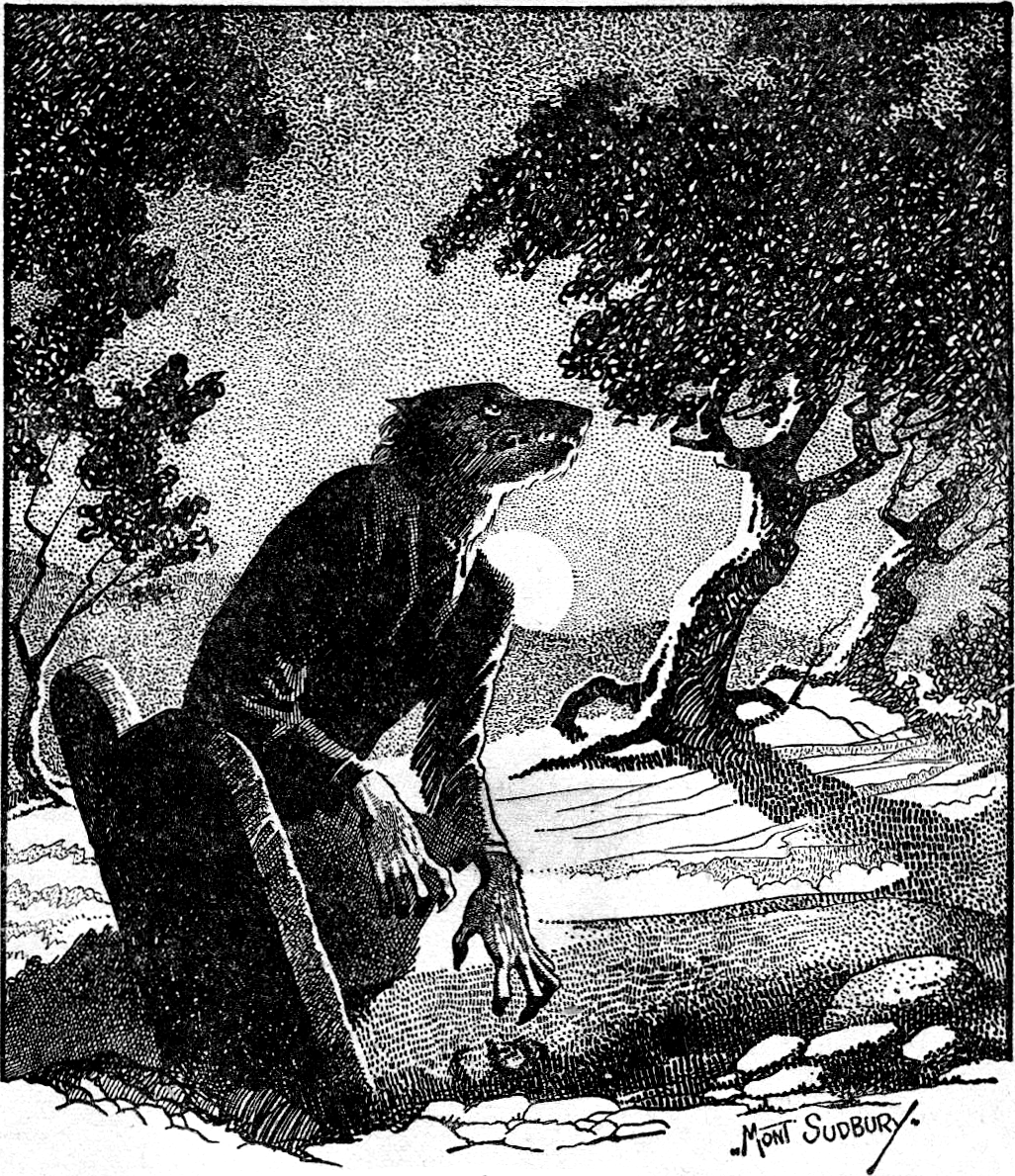 🇫🇷 France and 5 moreWerewolf
A mythical shapeshifter that turns into a wolf, central to European witch-hunts and Gothic horror.Being · Cursing and harm · Wonder and entertainment Legendary
🇫🇷 France and 5 moreWerewolf
A mythical shapeshifter that turns into a wolf, central to European witch-hunts and Gothic horror.Being · Cursing and harm · Wonder and entertainment Legendary
 🇪🇬 Egypt and 1 moreLilithלִילִית
A feminine figure from Mesopotamian and Jewish mythology, often depicted as a night demon or spirit.Being · Cursing and harm Legendary
🇪🇬 Egypt and 1 moreLilithלִילִית
A feminine figure from Mesopotamian and Jewish mythology, often depicted as a night demon or spirit.Being · Cursing and harm Legendary
 🇪🇬 EgyptCurse
A spoken wish for misfortune to befall a person or placeBelief · Cursing and harm · Luck and prosperity Historical
🇪🇬 EgyptCurse
A spoken wish for misfortune to befall a person or placeBelief · Cursing and harm · Luck and prosperity Historical