
Nkisi
from Proto-Njila *-kitį, referring to a spiritual entity or its material manifestation
Spirit containers and power figures from the Congo Basin used for justice and healing
Nkisi are objects inhabited by spirits or spiritual forces, originating in the Congo Basin. Practitioners use them to enforce oaths, locate wrongdoers, heal illness, and maintain social order through rituals guided by specialists.
- Nkisi are objects housing spirits or spiritual forces
- Nganga specialists create and activate the figures
- Nails mark vows and treaties in aggressive types
- Used for justice, healing, and oath enforcement
- Originated in Congo Basin, spread via slave trade
What it is
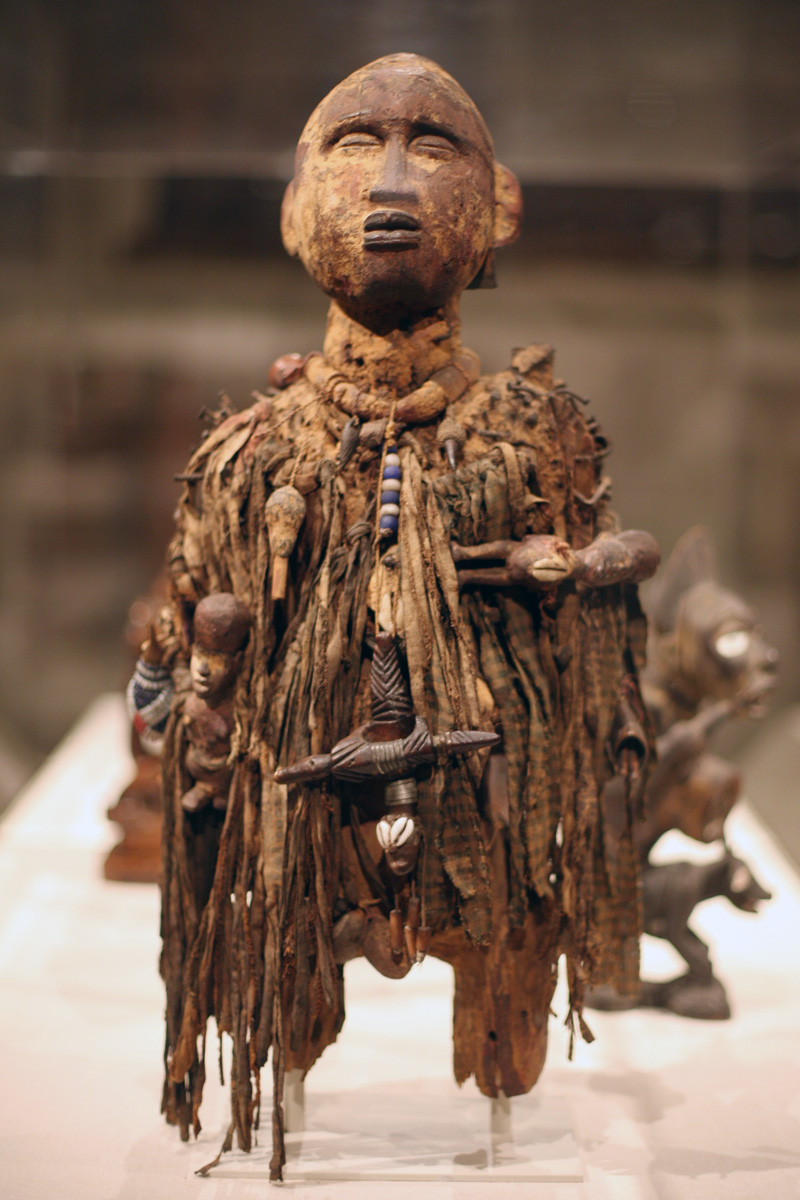
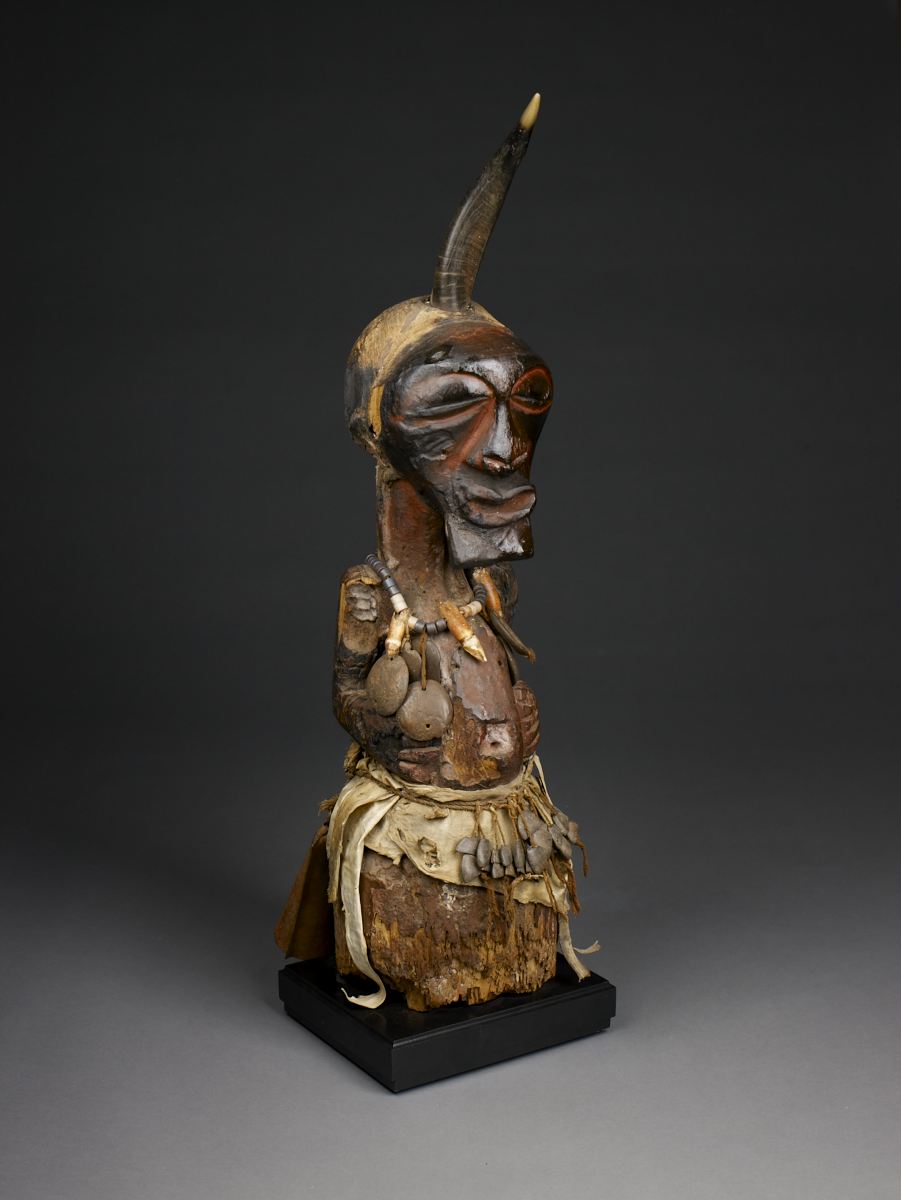
Nkisi, plural minkisi, are objects believed to house spiritual entities or forces. The term applies to various items across the Congo Basin, particularly in Cabinda. These objects serve as vessels for bakisi, spirits linked to ancestors. They are not merely decorative but are active agents. People view them as portable graves or containers for dead relatives. The concept extends beyond physical objects to include graves themselves. Nkisi function as intermediaries between the living and the spirit world. They are central to Kongo tradition, where exceptional human power often stems from contact with the dead. The objects channel spiritual energy for specific community needs.
Where it comes from
The word derives from Proto-Njila *-kitį, meaning a spiritual entity or its material form. Early Dutch records from 1668 describe mokissie in Loango. This referred to both the item and the spirit inside. In the sixteenth century, Kingdom of Kongo converts used ukisi to translate holy in religious texts. The practice likely predates European contact significantly. Nineteenth-century collectors popularized nailed figures in Western museums. Scholars note these specific forms emerged mainly in the northern Kongo zone during that period. Earlier nkisi existed without nails, focusing on other activation methods.
How it is done
A nganga, a specialist healer or diviner, creates and activates nkisi. They gather substances like grave earth, charcoal, mushrooms, and minerals. White clay symbolizes death and moral rightness. Red ochre represents mediation. The nganga charges the object with spiritual power. For aggressive types, nails are driven into wood. Each nail marks a vow, treaty, or effort against evil. Mirrors may be added for spiritual vision. Gunpowder tubes might be included to target witches. The process involves invoking spirits to inhabit the container. Rituals activate the object's ability to hunt wrongdoers or heal sickness.
Tools and materials
Minkisi use diverse materials chosen for metaphorical value. Fruit, charcoal, and mushrooms are common. Bird claws catch wrongdoers. Grave earth connects to the dead. White clay contrasts with black negativity. Red ochre signals spiritual power. Nails represent social agreements. Mirrors aid spirit sight. Gunpowder aids in killing ndoki, associated with witchcraft. Objects range from simple gourds to complex wooden carves. Some figures resemble humans or animals. Dogs symbolize access to both worlds. Aggressive figures look menacing. Tranquil figures bring fortune. Materials dictate the object's specific function.
Nkisi, drawn and placed
- Living
- Revived
- Fading
- Historical
- Legendary
- Performed
- Lineage
- Kongo religion
- Timing
- during crises, oath-taking, and healing rituals
What it is for
People seek nkisi for protection, healing, and justice. Nganga intervene on behalf of clients. Nkondi hunt criminals and punish wrongdoing. Oath-takers invoke danger upon violation. Sickness attributed to spirits requires nkisi intervention. Divination helps identify causes of affliction. Trade and hunting success are also sought. Above nkisi maintain order and seal treaties. Below nkisi relate to earth and water. Personal figures offer private aid. Community figures enforce public norms. They correct socially unacceptable behavior. Healing addresses diseases from witchcraft or spirit demands. They provide remedies and spiritual defense.
Who does it
Banganga, singular nganga, are the specialists. They act as healers, diviners, and mediators. Their power comes from communicating with the dead. They harness bakisi to create minkisi. Training involves learning substance properties and rituals. Gender and status vary by community. Specialists defend against black magic. They cure illnesses caused by spirits. Clients consult them for guidance. The nganga controls the activated object. Their role is practical, focused on solving community problems. They interpret spirit demands and prescribe remedies.
Peoples and places
The Bakongo and Songye people primarily use nkisi. The practice spans the Congo Basin. It reached the Americas via the Atlantic slave trade. Different groups classify nkisi differently. Above types link to sky and violence. Below types link to earth and water. Personal figures stay in homes. Community figures stand in villages. Visibility varies by purpose. Some remain anonymous. Others face the public. Regional variations exist in form and function. Art historians note stylistic differences across zones. The concept unifies diverse Central African cultures.
At a glance: who, where and when
Who does it
Belief worlds
Occasions


What people believe
Kongo tradition holds that ancestors influence the living. Spirits, or bakisi, reside in the dead. Communication with them grants power. Minkisi contain these forces. The dead infuse objects with agency. Social order relies on spirit enforcement. Wrongdoing triggers spiritual retribution. Nkondi hunt ndoki, witch-like figures. Oaths bind individuals to spirit law. Illness reflects spiritual imbalance. White clay signifies purity and death. Red shows mediation. The worldview integrates material and spiritual realms. Objects are active participants in daily life.
When it is done
Rituals occur during crises or specific events. Oath-taking activates protective nkisi. Healing ceremonies address sudden illness. Disputes trigger justice-seeking rites. No fixed annual festivals are specified. Life events drive usage. Birth, death, and marriage may involve nkisi. Divination determines timing. The nganga assesses when action is needed. Seasonal changes might influence substance gathering. Grave visits provide essential materials. Timing depends on spiritual guidance rather than calendar dates.
How scholars and sceptics see it
Anthropologists study nkisi as social regulators. They enforce contracts and resolve disputes. Historians trace their evolution from pre-colonial times. Art critics analyze their aesthetic impact on modern art. Wyatt MacGaffey documents their complexity. Scholars note nails were functional, not decorative. Misinterpretations labeled them fetishes. Research highlights their practical intent. Critics argue against primitive stereotypes. Studies show sophisticated theological frameworks. The objects reflect Kongo political culture. Scholars emphasize their role in maintaining community stability.
Cautions and what is closed
Nkisi can cause harm if misused. Aggressive types hunt wrongdoers. Oath-breakers risk disease. Witchcraft accusations drive some uses. Colonial powers suppressed practices. Museums collected objects, removing context. Modern artists reinterpret forms. Commercialization risks appropriation. Outsiders lack initiation rights. Restricted knowledge protects spiritual integrity. Fraudulent practitioners may exploit beliefs. Legal status varies by region. Persecution occurred during colonial eras. Contemporary practice faces secular challenges.
Compare and confuse
Nkisi differ from Western amulets. They house active spirits, not just symbols. Nail fetishes confuse observers. Nails mark vows, not torture. Mirrors aid vision, not decoration. Gunpowder targets witches, not explosives. Similar concepts exist in other Bantu groups. Diaspora traditions retain elements. Candomblé incorporates related ideas. Scholars distinguish nkisi from generic magic. The distinction lies in spirit inhabitation. Social function sets them apart from personal charms.
Rites that involve Nkisi
Questions people ask about Nkisi
What is a nkisi?
A nkisi is an object believed to house a spirit or spiritual force. It serves as a vessel for ancestral power, used for healing, justice, and protection within Kongo tradition.
Who creates nkisi?
Specialists called nganga create and activate nkisi. They are healers and diviners who communicate with spirits to charge objects with power for specific community needs.
Why are nails used in nkisi?
Nails mark vows, treaties, or efforts against evil. They activate aggressive figures to hunt wrongdoers. Each nail represents a social agreement or spiritual command.
Where does the practice come from?
It originates in the Congo Basin, among peoples like the Bakongo. The term derives from Proto-Njila. It spread to the Americas through the Atlantic slave trade.
Good reading and sources
- Nkisi on WikipediaEncyclopedia
- More photos on Wikimedia CommonsPhotos and video
- Wikidata recordOpen data
The facts on this page come from the Wikipedia article "Nkisi", written by its contributors and used under the CC BY-SA 4.0 licence, and from its Wikidata record (CC0). EveryJaadu rewrote the text in its own words, with AI assistance, and compares every page with the article to make sure no passage is copied. It may be reused under the same CC BY-SA 4.0 licence with a link back.
It may contain mistakes. Names and customs differ from one community to the next, and some knowledge is closed to outsiders and left out here. This page describes belief and practice. It does not say that any of it works, it is not a how-to, and it is not medical advice. If something is wrong, tell us. Last refreshed 2026-10-05.
More from the Republic of the Congo
All the entries from the Republic of the Congo 🇨🇬 Republic of the Congo and 2 moreMokele-mbembemokèlé-mbèmbé
A water-dwelling legend from Central Africa, often linked to sauropods or rhinos.Being · Wonder and entertainment Legendary
🇨🇬 Republic of the Congo and 2 moreMokele-mbembemokèlé-mbèmbé
A water-dwelling legend from Central Africa, often linked to sauropods or rhinos.Being · Wonder and entertainment Legendary
 🇺🇸 United States and 5 moreMojo bag
A cloth pouch holding charms for protection, luck, or love in the Hoodoo tradition.Charm · Protection · Healing Living
🇺🇸 United States and 5 moreMojo bag
A cloth pouch holding charms for protection, luck, or love in the Hoodoo tradition.Charm · Protection · Healing Living
Related elsewhere
All charm 🇺🇸 United States and 3 moreHoodoo
A spiritual tradition of the African diaspora in the American South using herbs and charms for protection and justice.Tradition · Protection · Healing Living
🇺🇸 United States and 3 moreHoodoo
A spiritual tradition of the African diaspora in the American South using herbs and charms for protection and justice.Tradition · Protection · Healing Living
 🇯🇲 Jamaica and 5 moreObeah
A Caribbean tradition of ritual healing and spell-casting with African rootsTradition · Protection · Healing Living
🇯🇲 Jamaica and 5 moreObeah
A Caribbean tradition of ritual healing and spell-casting with African rootsTradition · Protection · Healing Living
 🇺🇦 Ukraine and 5 moreMugwortчорнобиль (chornóbyl')
An aromatic herb used in folk medicine, cooking, and magical protection across Eurasia.Substance · Protection · Healing Living
🇺🇦 Ukraine and 5 moreMugwortчорнобиль (chornóbyl')
An aromatic herb used in folk medicine, cooking, and magical protection across Eurasia.Substance · Protection · Healing Living
 🇭🇷 Croatia and 5 moreVilavila (Serbian: вила), víla (Bulgarian: ви́ла)
Slavic nature spirits known for healing, storms, and deadly dancesBeing · Protection · Cursing and harm Legendary
🇭🇷 Croatia and 5 moreVilavila (Serbian: вила), víla (Bulgarian: ви́ла)
Slavic nature spirits known for healing, storms, and deadly dancesBeing · Protection · Cursing and harm Legendary