Cyprianus
from the name of Saint Cyprian of Antioch
A Scandinavian folk magic grimoire and the tradition of spells it contains
Cyprianus is a name given in Scandinavia to a collection of spells known as the Black Book. It forms part of a folk magic tradition used by cunning folk for healing and divination. The texts are believed to be bound to their owners and difficult to destroy.
- Called Svarteboken or Black Book in Scandinavia
- Used by cunning folk for healing and divination
- Divination involved pouring molten lead into water
- Legends claim the books cannot be destroyed by fire
- Authorship attributed to Saint Cyprian of Antioch
What it is
Cyprianus refers to a 'black book' or Svarteboken in Scandinavian folk magic. It is not a single standard text but a general label for collections of spells. These manuscripts were widely circulated among cunning folk who served as rural healers. The books were believed to be bound to their owners and could not be destroyed by fire or water. Attempting to discard them would result in their supernatural return. The name also applies to the magical tradition formed by these spells.
Where it comes from
The name derives from legends about Saint Cyprian of Antioch. Medieval stories claimed he practiced magic before his conversion. Another tale describes him as a sorcerer converted by St. Justina. Later legends conflated the bishop with fictional sorcerers. Some versions depict him as a Faust-like figure or a wicked Dane who learned magic from the Devil. Other accounts say he wrote the text to undo diabolical witchcraft. A Danish tale even claims he was a Mexican nun who wrote spells in her blood while imprisoned.
How it is done
Practitioners used spells that mixed folk remedies with prayers. Healing often involved transference methods where a sacred figure suffered a similar ailment. Divination was common, using a practice called støyping. Molten lead was poured through flatbread into cold water to reveal causes of illness. Lead scraped from church windows was often used. This ritual helped identify if a child had been replaced by a changeling left by the huldra-folk.
Tools and materials
The primary tool was the manuscript itself, known as the Black Book. For divination, practitioners used molten lead and flatbread. Cold water was essential for the molybdomancy process. In one legend, a nun used rags and her own blood to record knowledge. Church window lead was a specific material sought for rituals. The books were considered dangerous objects that summoned spirits if handled incorrectly.
Cyprianus, drawn and placed
- Living
- Revived
- Fading
- Historical
- Legendary
- Performed
- Lineage
- Germanic folk magic
- Timing
- during illness or injury
What it is for
The texts were used for healing injuries and illnesses in communities with few physicians. They addressed physical ailments like sprained ankles. Divination determined the cause of conditions like rickets. People sought these services when they suspected supernatural interference, such as changelings. The spells aimed to restore health or uncover hidden magical threats affecting families.
Who does it
Cunning folk served as the main practitioners in rural Scandinavia. They were ordinary people sought out for healing and magic. Ministers' wives often acted as folk healers. Diviners performing lead pouring were called signekjerring, meaning blessing crones. The texts were sometimes associated with university-educated ministers. However, most users were local residents providing care to their neighbors.
Peoples and places
The tradition is specific to Scandinavian cultures. It appears in Norwegian and Danish folklore. Stories vary significantly between regions. Some tales link the figure to historical bishops. Others create purely fictional characters like the Mexican nun. The Black Book motif appears across the region. Different versions reflect local concerns about illness and supernatural harm.
At a glance: who, where and when
Who does it
Peoples
Belief worlds
Occasions
What people believe
The worldview combines Christian elements with older folk beliefs. Spells invoke the Holy Trinity alongside practical remedies. Spirits and demons play a central role in the magic system. Changelings represent malicious forces replacing healthy children. The devil is a tangible threat summoned by careless use of the book. Legends warn that improper handling leads to demonic encounters that require clever tasks to resolve.
When it is done
Rituals were performed during times of crisis. Illness and injury triggered the use of healing spells. Divination occurred when the cause of disease was unknown. There are no fixed festivals tied to the texts. The timing depended on immediate needs rather than seasonal cycles. The practice responded to personal and community emergencies.
How scholars and sceptics see it
Anthropologists view Cyprianus as part of Germanic folk magic traditions. It shares features with Braucherei and Long Lost Friend texts. Scholars note the blend of prayer and practical remedy. The legends surrounding the author show how historical figures were mythologized. Researchers analyze the migratory legend patterns in the devil encounter stories. The texts provide insight into rural healthcare before modern medicine.
Cautions and what is closed
The books carried a dark reputation in popular opinion. Users believed they required renouncing baptism to obtain properly. Inexperienced handling could summon the devil unexpectedly. Legends describe servants finding the book and facing demonic threats. Saving oneself required giving the devil impossible tasks. The texts were feared as dangerous objects that could not be easily destroyed.
Compare and confuse
Cyprianus is related to other European grimoires like the Galdrabók. It shares themes with the Sixth and Seventh Books of Moses. The tradition resembles Hoodoo practices in its use of folk remedies. Merseburg charms show similar Germanic magical roots. The name links to the Book of Saint Cyprian found elsewhere. Each tradition adapts the core concept of a powerful spell collection.
Questions people ask about Cyprianus
What is Cyprianus?
It is a name for a collection of spells known as the Black Book in Scandinavian folk magic. It is not a single text but a label for various manuscripts containing spells for healing and divination.
Where does the name come from?
The name comes from Saint Cyprian of Antioch. Medieval legends claimed he practiced magic before converting to Christianity, leading people to attribute magical texts to him.
How was divination performed?
Practitioners used a method called støyping. They poured molten lead through flatbread into cold water to divine the cause of illnesses, often looking for signs of changelings.
Who used these books?
Cunning folk in rural Scandinavia used them. Ministers' wives often served as healers. Ordinary people sought their help for injuries and suspected supernatural harm.
Good reading and sources
- Cyprianus (collection of spells) on WikipediaEncyclopedia
- More photos on Wikimedia CommonsPhotos and video
- Wikidata recordOpen data
The facts on this page come from the Wikipedia article "Cyprianus (collection of spells)", written by its contributors and used under the CC BY-SA 4.0 licence, and from its Wikidata record (CC0). EveryJaadu rewrote the text in its own words, with AI assistance, and compares every page with the article to make sure no passage is copied. It may be reused under the same CC BY-SA 4.0 licence with a link back.
It may contain mistakes. Names and customs differ from one community to the next, and some knowledge is closed to outsiders and left out here. This page describes belief and practice. It does not say that any of it works, it is not a how-to, and it is not medical advice. If something is wrong, tell us. Last refreshed 2026-10-06.
More from Norway
All the entries from Norway 🇩🇪 Germany and 3 moreRunesᚱᚢᚾᛟ
An ancient Germanic script used for writing and magical signs.Text · Seeing and foretelling · Power and authority Historical
🇩🇪 Germany and 3 moreRunesᚱᚢᚾᛟ
An ancient Germanic script used for writing and magical signs.Text · Seeing and foretelling · Power and authority Historical
 🇮🇸 Iceland and 3 moreRune poem
Proverbial verses used to memorize the names and order of runic lettersText · Power and authority Historical
🇮🇸 Iceland and 3 moreRune poem
Proverbial verses used to memorize the names and order of runic lettersText · Power and authority Historical
 🇬🇧 United Kingdom and 3 moreRowancaorann
A Northern Hemisphere tree believed to ward off witches and protect travellers.Substance · Protection · Speaking with spirits and the dead Living
🇬🇧 United Kingdom and 3 moreRowancaorann
A Northern Hemisphere tree believed to ward off witches and protect travellers.Substance · Protection · Speaking with spirits and the dead Living
 🇬🇧 United Kingdom and 4 moreCunning folk
European practitioners of folk medicine and helpful magic from the Middle Ages to the twentieth centuryTradition · Protection · Healing Historical
🇬🇧 United Kingdom and 4 moreCunning folk
European practitioners of folk medicine and helpful magic from the Middle Ages to the twentieth centuryTradition · Protection · Healing Historical
Related elsewhere
All text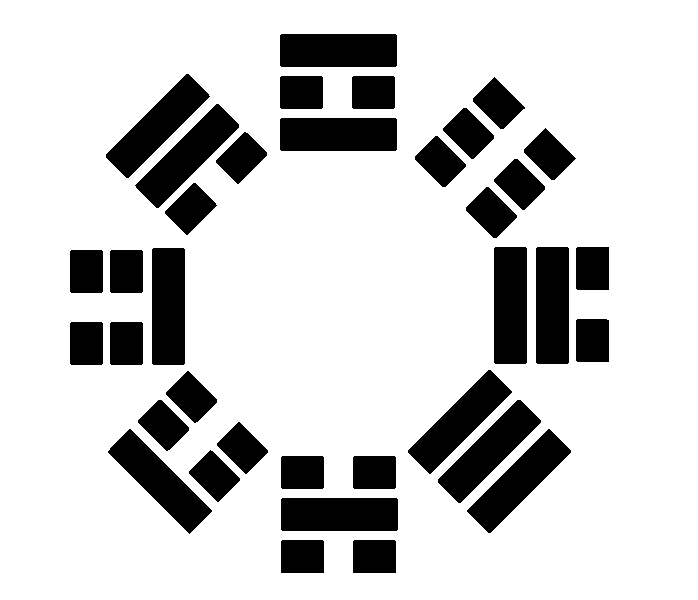 🇨🇳 China and 1 moreBagua八卦
A set of eight trigram symbols from China used in divination, cosmology, and feng shui.Tradition · Seeing and foretelling · Protection Living
🇲🇾 Malaysia and 1 moreBomohبوموه
A Malay shaman and traditional healer who works with spirits, herbs, and geomancy.Tradition · Healing · Seeing and foretelling Living
🇨🇳 China and 1 moreBagua八卦
A set of eight trigram symbols from China used in divination, cosmology, and feng shui.Tradition · Seeing and foretelling · Protection Living
🇲🇾 Malaysia and 1 moreBomohبوموه
A Malay shaman and traditional healer who works with spirits, herbs, and geomancy.Tradition · Healing · Seeing and foretelling Living
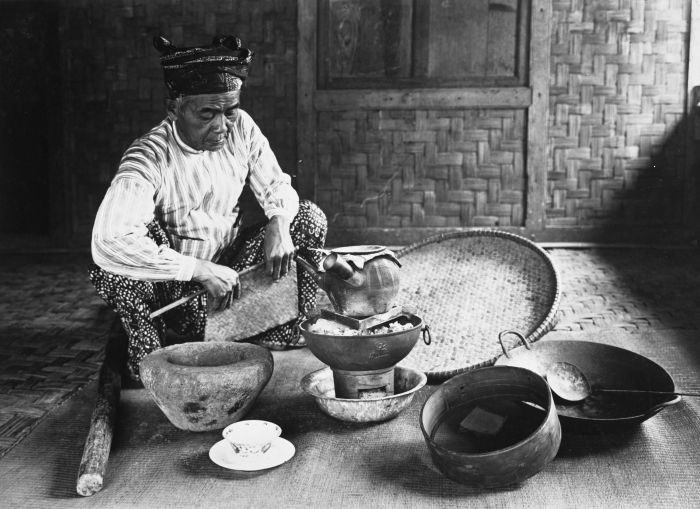 🇮🇩 Indonesia and 2 moreDukun
A traditional healer and spirit medium in Indonesian folk practiceTradition · Healing · Seeing and foretelling Living
🇮🇩 Indonesia and 2 moreDukun
A traditional healer and spirit medium in Indonesian folk practiceTradition · Healing · Seeing and foretelling Living
 🇨🇳 ChinaHe Xiangu何仙姑
A female immortal from Chinese Taoist legend known for divination and lotus magicFigure · Seeing and foretelling · Healing Legendary
🇨🇳 ChinaHe Xiangu何仙姑
A female immortal from Chinese Taoist legend known for divination and lotus magicFigure · Seeing and foretelling · Healing Legendary