Ukuthwasa
from thwasa, meaning "the light of the new moon" or ku mu thwasisa, "to be led to the light"
A spiritual calling and initiation process for traditional healers in Southern Africa.
Ukuthwasa is a cultural practice in South Africa where individuals receive a spiritual summons from ancestors to become sangomas. The journey involves rigorous training, rituals, and personal transformation to bridge the human and spirit worlds.
- Ukuthwasa means "come out" or "be reborn" in Xhosa.
- Initiates train under a gobela for months or years.
- Animal sacrifices mark key stages of the graduation.
- Recognized by South Africa's 2004 Traditional Health Practitioners Act.
- Linked to psychosis and culture-bound syndrome in medical studies.
What it is
Ukuthwasa represents a profound spiritual transition within Southern African communities, specifically among the Xhosa and Zulu peoples. It is the process through which an individual becomes a sangoma, a traditional healer and diviner. This path is not a career choice but a mandatory response to a summons from ancestors. The term translates to "come out" or "be reborn," highlighting the complete overhaul of the initiate's identity. Practitioners serve as intermediaries between the living and the spirit world, offering guidance and healing to their communities.
Where it comes from
The practice is rooted in the indigenous traditions of Southern Africa, particularly among Nguni-speaking groups. It has been historically stigmatized by colonial powers and apartheid regimes, who labeled it pagan or witchcraft. Despite this suppression, the tradition persisted and gained legal recognition in modern South Africa. The 2004 Traditional Health Practitioners Act formally acknowledged its place in the national healthcare landscape, moving it from the margins toward institutional respect.
How it is done
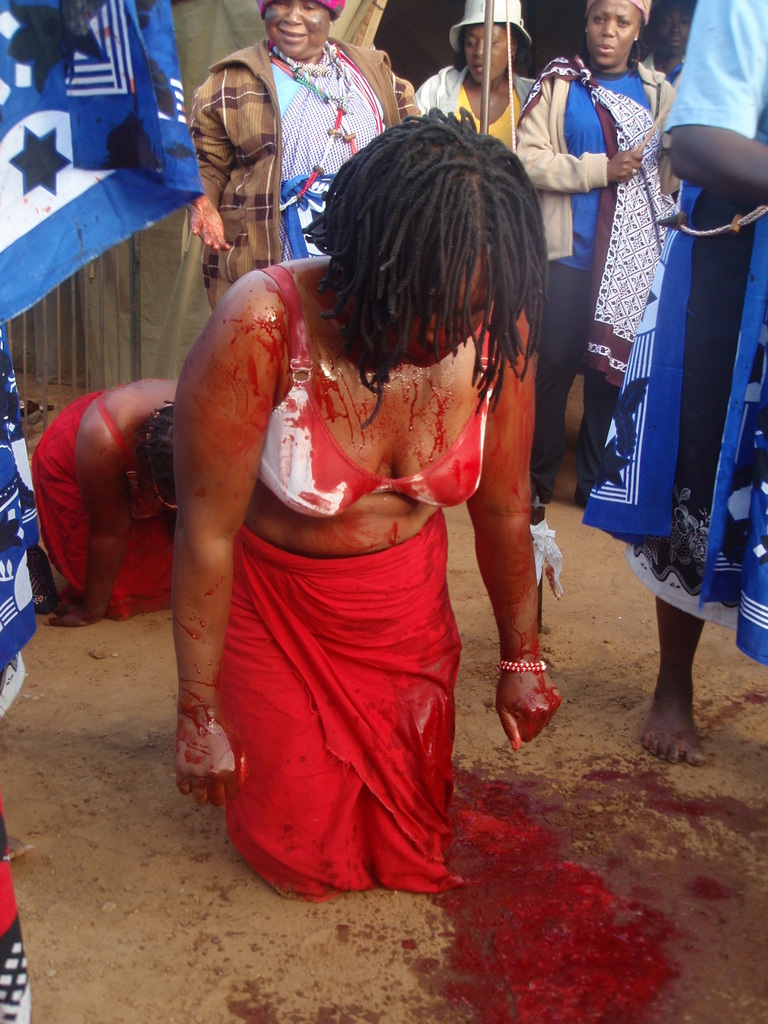
The journey begins with a calling, often experienced through dreams or illness. Initiates, called ithwasane, undergo months or years of training under a mentor known as a gobela. This period involves strict discipline, including isolation from family and sexual abstinence. Rituals include purification through steaming and washing in animal blood. The process culminates in a graduation ceremony featuring animal sacrifices and tests of divination skill, such as locating hidden sacred objects like a goat's gall bladder.
Tools and materials
Sangomas use various items during their practice and training. Divination bones are central for communicating with ancestors. Sacred garments mark the initiate's status. Herbal medicines, or muti, are prepared for healing purposes. Animal sacrifices, typically chickens, goats, or cows, are used to appease spirits and mark key stages of the initiation. These tools are not merely physical objects but vessels for spiritual power and connection.
Ukuthwasa, drawn and placed
- Living
- Revived
- Fading
- Historical
- Legendary
- Performed
- Lineage
- Southern African traditional healing
- Timing
- during initiation and training periods
What it is for
The primary goal is to transform a person suffering from spiritual distress into a capable healer. The symptoms experienced before training are viewed as signs of ancestral selection rather than mere illness. By completing ukuthwasa, the individual gains the ability to diagnose spiritual causes of disease, offer counsel, and perform rituals for others. It serves to maintain community cohesion and preserve cultural heritage through the transmission of ancient knowledge.
Who does it
Both men and women can become sangomas if they receive the calling. Training is intensive and supervised by experienced elders. The relationship between the student and the teacher is hierarchical and demanding. Successful completion requires demonstrating insight and spiritual authority. Those who fail to respond to the calling may face continued suffering or be labeled as mad within the community context.
Peoples and places
The practice is most prominent among the Xhosa and Zulu peoples of South Africa. Variations exist across different Nguni and Xesibe communities. In some areas, specific terms like amagqirha are used for healers. The tradition adapts to local customs while maintaining core elements of ancestral communication. Diaspora communities also maintain these practices, though they may face challenges in new environments.
At a glance: who, where and when
Who does it
Belief worlds
Occasions


What people believe
Ancestors play a central role in the cosmology of ukuthwasa. They send dreams and illnesses to call their chosen ones. The spirit world interacts directly with the physical realm through healers. Success depends on humility and obedience to ancestral will. Failure to heed the call is believed to result in worsening conditions until the individual submits to the training process.
When it is done
Initiations occur throughout the year but often follow specific seasonal or lunar cycles. The graduation ceremony spans three days, typically from Friday to Sunday. Rituals may be timed to align with ancestral requests or community needs. There is no single fixed date for all initiations, as the calling determines the start of the journey.
How scholars and sceptics see it
Researchers classify ukuthwasa as a culture-bound syndrome linked to psychosis and schizophrenia. Studies suggest that the ritual provides a framework for managing mental health crises. For many, the process offers recovery and social reintegration. However, conflicts arise when modern medical systems clash with traditional beliefs. Some scholars note the potential for harm when initiates do not find a supportive community structure.
Cautions and what is closed
The process can lead to severe psychosocial stress and financial burden. Costs for training and ceremonies can be prohibitive. Legal issues sometimes arise from animal sacrifices or conflicts with schools. Incidents of students being persecuted for wearing sacred beads have been reported. Fatalities, though rare, have occurred during intense initiation phases. The stigma associated with mental health symptoms can exacerbate vulnerability.
Compare and confuse
Ukuthwasa is similar to other African healing traditions that emphasize ancestral possession or calling. It differs from Western psychiatric models by viewing symptoms as spiritual messages rather than disorders. Terms like amafufunyana describe related phenomena involving perceived demonic influence. Unlike formal religious ordination, the calling is involuntary and often disruptive to daily life.
Rites that involve Ukuthwasa
Questions people ask about Ukuthwasa
What is ukuthwasa?
It is a spiritual calling and initiation process in South Africa that transforms individuals into sangomas, traditional healers who communicate with ancestors.
Who can become a sangoma?
Both men and women can become sangomas if they receive a calling from their ancestors, usually signaled through dreams or illness.
How long does the training take?
Training under a mentor lasts from several months to many years, depending on the initiate's progress and the teacher's requirements.
Is it recognized legally?
Yes, South Africa's Traditional Health Practitioners Act of 2004 officially recognizes traditional healers and their practices.
Good reading and sources
- Ukuthwasa on WikipediaEncyclopedia
- More photos on Wikimedia CommonsPhotos and video
- Wikidata recordOpen data
The facts on this page come from the Wikipedia article "Ukuthwasa", written by its contributors and used under the CC BY-SA 4.0 licence, and from its Wikidata record (CC0). EveryJaadu rewrote the text in its own words, with AI assistance, and compares every page with the article to make sure no passage is copied. It may be reused under the same CC BY-SA 4.0 licence with a link back.
It may contain mistakes. Names and customs differ from one community to the next, and some knowledge is closed to outsiders and left out here. This page describes belief and practice. It does not say that any of it works, it is not a how-to, and it is not medical advice. If something is wrong, tell us. Last refreshed 2026-10-05.
More from South Africa
All the entries from South Africa 🇿🇦 South Africa and 5 moreTraditional healers of Southern Africa
Practitioners who blend herbal medicine with ancestral divination in Southern AfricaTradition · Healing · Protection Living
🇿🇦 South Africa and 5 moreTraditional healers of Southern Africa
Practitioners who blend herbal medicine with ancestral divination in Southern AfricaTradition · Healing · Protection Living
 🇿🇦 South Africa and 4 moreWitch doctor
A traditional healer who identifies supernatural causes of illness and performs rituals to restore balance.Tradition · Healing · Protection Living
🇿🇦 South Africa and 4 moreWitch doctor
A traditional healer who identifies supernatural causes of illness and performs rituals to restore balance.Tradition · Healing · Protection Living
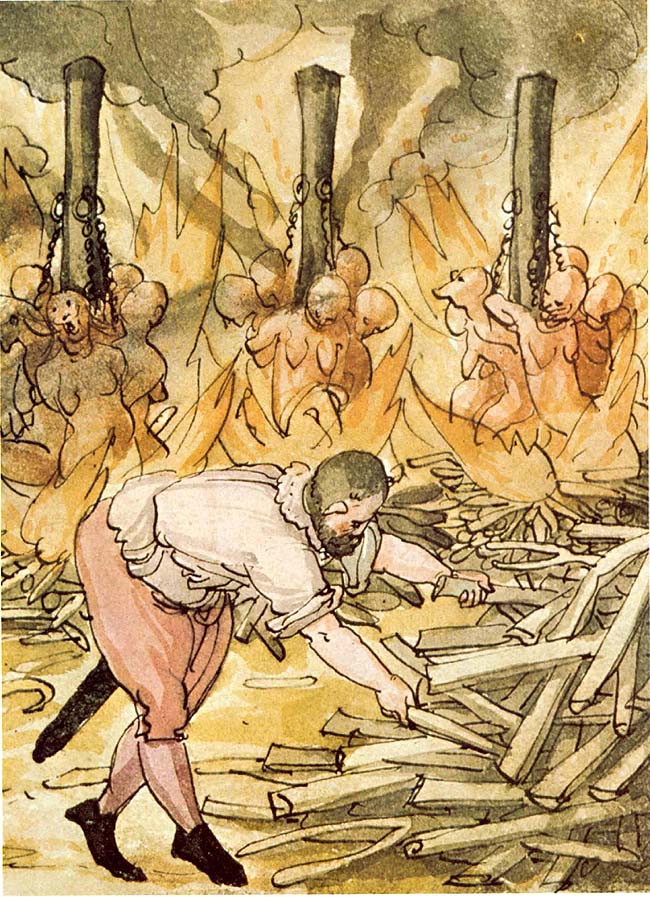 🇸🇦 Saudi Arabia and 5 moreWitch hunt
A campaign to find and punish people accused of using magic for harmBelief · Cursing and harm Historical
🇸🇦 Saudi Arabia and 5 moreWitch hunt
A campaign to find and punish people accused of using magic for harmBelief · Cursing and harm Historical
Related elsewhere
All rite 🇺🇸 United States and 5 moreNeoshamanism
A modern spiritual practice adapting shamanic techniques for Western seekersTradition · Healing · Speaking with spirits and the dead Living
🇺🇸 United States and 5 moreNeoshamanism
A modern spiritual practice adapting shamanic techniques for Western seekersTradition · Healing · Speaking with spirits and the dead Living
 🇯🇵 JapanChinkon kishin鎮魂帰神
A Japanese spiritual practice combining soul calming with spirit possessionRite · Speaking with spirits and the dead · Healing Living
🇲🇽 MexicoVelada
A Mazatec healing ceremony using sacred plants to commune with the divineRite · Healing · Speaking with spirits and the dead Living
🇯🇵 JapanChinkon kishin鎮魂帰神
A Japanese spiritual practice combining soul calming with spirit possessionRite · Speaking with spirits and the dead · Healing Living
🇲🇽 MexicoVelada
A Mazatec healing ceremony using sacred plants to commune with the divineRite · Healing · Speaking with spirits and the dead Living
 🇮🇳 IndiaChakraचक्र
Meditation points in the subtle body used in Hindu and Buddhist yogaTradition · Speaking with spirits and the dead · Change and initiation Living
🇮🇳 IndiaChakraचक्र
Meditation points in the subtle body used in Hindu and Buddhist yogaTradition · Speaking with spirits and the dead · Change and initiation Living