Illness and misfortune: practices that mark them
What people do when someone falls ill or luck turns: consult, cleanse, ward.
Illness and misfortune are the moments when people most often turn to magic. When someone falls ill, a business fails, a child is lost or luck turns, families ask why, and consult a healer, diviner, priest or mediums. Examples include the Mexican limpia, the African consultation of a diviner, the Islamic ruqyah, the Hindu or Buddhist temple rites, the Korean gut and the Catholic blessing of the sick. This page covers the pattern and its risks. It is not medical advice, and illness needs real medical care.
Why and who
Many traditions ask two questions: how did this happen, and why to me? A medical account answers the first. Traditional systems often address the second, linking misfortune to relationships, envy, taboo or spirits. A consultation then names a cause and a remedy, which may involve cleansing, offerings, protective objects or a ceremony. A diviner may be consulted, a healer called, a priest asked to pray or a shrine visited, and in many households several of these happen at once.
Help and hope
Rites of crisis bring people together, give a role to the family and offer hope when treatment is limited. Researchers have documented comfort and reduced distress after ritual. Many people use medicine and ritual together, and many healers support that. The pattern becomes dangerous only when ritual displaces treatment. Many practitioners also give practical advice about rest, diet and family conflict, and some of this advice is sound and some is not.
Blame and exploitation
Crisis also creates a market for fear. Fraudulent healers tell clients they are cursed and sell expensive cleansing. Accusations of witchcraft often follow illness, with violence against the accused. Exorcism of people with mental illness has caused injuries and deaths, including documented cases in churches in several countries. In some societies, a bad event is the signal for a ritual of the whole community, with confession, reconciliation and shared offerings.
Care and context
Public health programmes now involve community healers in work on issues such as HIV, maternal health and mental health, since many people consult them first. Scholars of medical anthropology call this a plural system of care. The sensible approach is to seek qualified medical help promptly and treat other support as company. Public health bodies urge anyone with a serious illness or injury to seek a clinician at once, and to treat traditional help as complementary to that care and never as a replacement for it.
Illness and misfortune on EveryJaadu
The entries written up so far, best known first.
 🇺🇸 United States and 3 moreHoodoo
A spiritual tradition of the African diaspora in the American South using herbs and charms for protection and justice.Tradition · Protection · Healing Living
 🇲🇦 Morocco and 5 moreGnawa musicڭْناوة or كْناوة
A Moroccan ritual music tradition rooted in West African heritage and Islamic practiceTradition · Healing · Speaking with spirits and the dead Living
 🇲🇽 Mexico and 5 moreSanta MuerteNuestra Señora de la Santa Muerte
A female skeletal folk saint in Mexico and the Americas, worshipped for protection, healing, and safe passage.Tradition · Protection · Healing Living
 🇸🇪 Sweden and 1 moreNoaidi
A Sámi spiritual leader who mediated between the living and the spirit world using a drum.Being · Healing · Protection Historical
 🇭🇹 Haiti and 2 moreManbo
A female priestess in Haitian Vodou who leads rituals and healing workTradition · Healing · Speaking with spirits and the dead Living
 🇵🇪 Peru and 1 moreApu
Sacred mountain spirits in Andean tradition that protect communities and control natural resourcesBeing · Protection · Healing Living
 🇮🇳 India and 2 moreTrial by ordeal
An ancient judicial test where a dangerous physical trial determined guilt or innocenceRite · Cursing and harm Historical
🇨🇩 Democratic Republic of the Congo and 1 moreKindoki
A belief in spirit possession that leads to the abuse of children in the Congo regionBelief · Cursing and harm Living
 🇺🇸 United States and 5 moreRainmaking rites
Ceremonies performed to call rain through prayer, dance, or symbolic actsRite · Protection · Luck and prosperity Living
 🇯🇵 JapanInugami犬神
A Japanese spirit of animal possession and folk sorcery known as a curse god.Belief · Cursing and harm · Power and authority Historical
 🇬🇷 Greece and 2 moreMagic in the Greco-Roman world
Private supernatural practices in ancient Greece and Rome, distinct from public state religion.Tradition · Protection · Cursing and harm Historical
 🇲🇲 MyanmarBurmese folk religionNat Worship
Animistic worship of nature spirits and ancestors in Myanmar, often practiced alongside Buddhism.Tradition · Protection · Luck and prosperity Living
🇺🇸 United StatesDeliverance ministry
A Christian practice to remove evil spirits believed to cause personal afflictionRite · Cursing and harm · Cleansing and purification Living
 🇸🇪 SwedenTemple at Uppsala
A Norse religious centre described in medieval texts and debated by modern scholarsTradition · Speaking with spirits and the dead · Power and authority Historical
🇬🇧 United KingdomTaghairm
A Scottish Gaelic divination rite using sensory deprivation and animal skins to summon spirits.Rite · Seeing and foretelling Historical
 🇯🇵 JapanKodama木霊
A tree spirit in Japanese folklore that brings misfortune if the host tree is harmedBeing · Cursing and harm Living
🇲🇾 Malaysia and 1 moreBomohبوموه
A Malay traditional healer and spirit worker found in Malaysia and Indonesia.Tradition · Healing · Protection Living
🇭🇹 HaitiBois Caïman
The sacred site where enslaved Africans planned the Haitian Revolution through a Vodou ceremony.Rite · Cursing and harm · Power and authority Historical
 🇨🇱 Chile and 1 moreMachi
Mapuche spiritual authorities and healers who bridge herbal knowledge and spirit realmsTradition · Healing · Speaking with spirits and the dead Living
 🇺🇸 United StatesFolk healer
An unlicensed practitioner using traditional remedies and herbal knowledge to treat illness.Tradition · Healing · Protection Historical
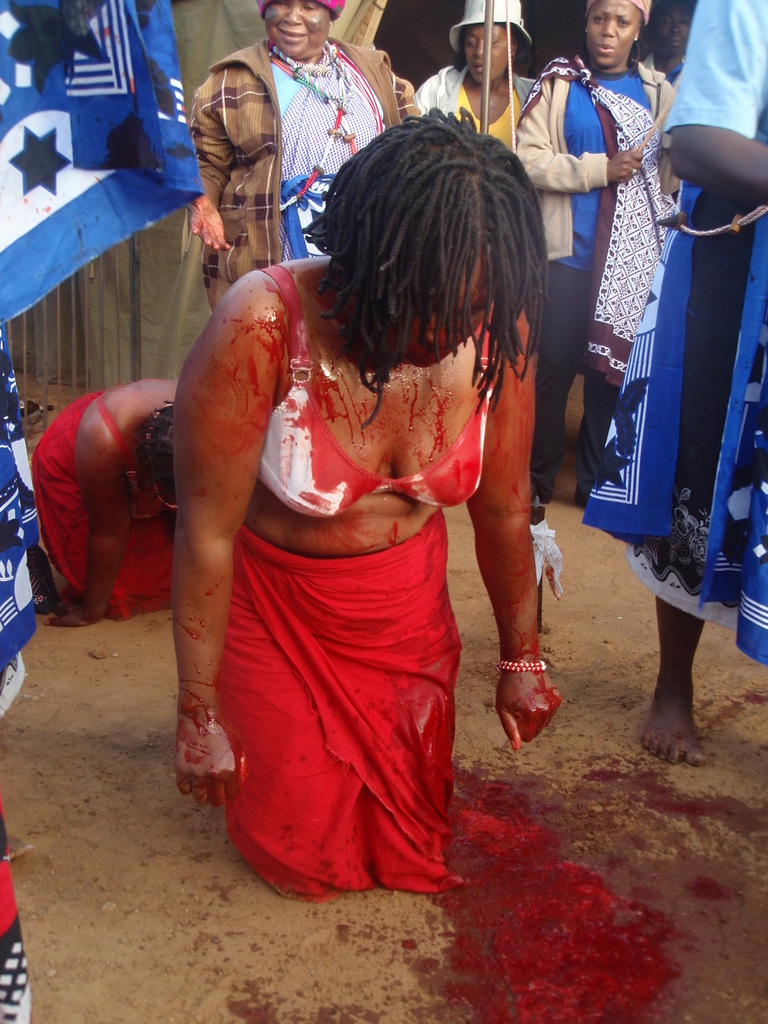 🇿🇦 South AfricaUkuthwasa
A Southern African spiritual calling and initiation for traditional healersRite · Healing · Speaking with spirits and the dead Living
 🇮🇱 Israel and 5 moreChild sacrifice
The ritual killing of children to appease deities or supernatural forcesRite · Cursing and harm · Speaking with spirits and the dead Historical
 🇮🇱 IsraelUrim and Thummimהָאוּרִים וְהַתֻּמִּים
Sacred lots used by the ancient Israelite High Priest to reveal divine judgment.Charm · Cursing and harm · Speaking with spirits and the dead Historical
 🇩🇪 Germany and 2 moreWitch trials in the Holy Roman Empire
A historical period of intense witchcraft persecution across Central Europe from the 15th to the 18th centuries.Belief · Cursing and harm Historical
🇺🇸 United StatesThe Long Lost FriendDer lange verborgene Freund
A Pennsylvania German grimoire of folk remedies and magical charms published in 1820.Text · Healing · Protection Historical
🇬🇧 United KingdomWitch bottle (sample)
A stoppered bottle set out against curses.Charm · Protection · Cursing and harm Historical
 🇮🇳 India and 2 moreBhootभूत
A restless spirit of the dead in South Asian belief and folkloreBeing · Cursing and harm · Protection Living
 🇦🇱 Albania and 5 moreDodolaДодoла / Перперуна
A Balkan rainmaking rite performed by youths in greenery to invoke summer showersRite · Protection · Luck and prosperity Living
 🇨🇳 China and 4 moreFuji扶乩
Chinese planchette writing: gods and ancestors reply through a stylus on sandRite · Speaking with spirits and the dead · Seeing and foretelling Living
 🇱🇦 Laos and 3 moreTai folk religionສາສະໜາຜີ
Spirits, ancestor rites, and soul-calling ceremonies of the Tai peoplesTradition · Protection · Healing Living
🇳🇴 NorwayCyprianus
A Scandinavian folk magic grimoire and the tradition of spells it containsText · Healing · Seeing and foretelling Historical
 🇯🇵 JapanUshi no toki mairi丑の時参り
A Japanese ritual of cursing performed at a shrine during the early morning hours.Rite · Cursing and harm Historical
 🇷🇺 RussiaReindeer in Siberian shamanism
The role of reindeer as spirit helpers, ritual tools, and burial vehicles in the shamanic traditions of Northern AsiaTradition · Healing · Speaking with spirits and the dead Living
 🇹🇳 TunisiaStambeli
A Tunisian music and possession rite practiced by Black communities of slave descentTradition · Healing · Protection Living
🇺🇸 United StatesExorcism of Roland Doe
A 1940s American case of alleged demonic possession and the exorcisms performed on the boyRite · Speaking with spirits and the dead Historical
 🇪🇬 Egypt and 5 moreAmulet
A portable object worn or carried to ward off harm and invite protection.Charm · Protection · Healing Living
 🇨🇳 China and 5 moreRegional forms of shamanism
A global overview of indigenous spirit-interaction practices across Asia and the Americas.Tradition · Healing · Speaking with spirits and the dead Living
 🇹🇹 Trinidad and Tobago and 4 moreTrinidad Orisha
A syncretic Afro-Caribbean faith blending Yoruba spirit work with Christian and other traditions in Trinidad.Tradition · Speaking with spirits and the dead · Healing Living
 🇺🇸 United StatesThe Gray Man
A coastal ghost from South Carolina said to warn of hurricanesBeing · Protection Living
🇸🇩 SudanBenge
A divination method among the Azande using a poisoned chicken to identify witches.Oracle · Cursing and harm Fading
 🇨🇳 China and 1 moreShamanism in the Qing dynasty
State-managed rituals of the Manchu rulers and their shamansTradition · Protection · Healing Historical
 🇬🇷 Greece and 1 moreOomancy
Divination by eggs, reading shapes and signs to foresee events or diagnose spiritual statesOracle · Seeing and foretelling · Healing Living
🇮🇹 Italy and 1 moreKollyra curse tablet
An ancient Greek tablet cursing a thief to suffocation until stolen goods are returned.Text · Protection · Cursing and harm Historical
 🇪🇬 Egypt and 5 moreAfrican divination
Methods used across the continent to understand present realities and predict future events.Oracle · Seeing and foretelling · Healing Living
🇯🇵 JapanUkehi誓
A Japanese divination ritual using oaths and sortition to seek the will of the kamiRite · Seeing and foretelling · Cursing and harm Historical
 🇬🇧 United Kingdom and 1 moreMagic in Anglo-Saxon Englandgaldorcræft
Healing charms and protective rituals practiced by early English tribesTradition · Healing · Protection Historical
🇮🇳 IndiaApeswari sabha
An Assamese healing rite where village women invoke a goddess to cure illnessRite · Healing · Speaking with spirits and the dead Living
 🇮🇳 India and 1 moreJagarजागर
A Himalayan night ritual to wake local deities through song and tranceRite · Protection · Healing Living
Photo credits on this page
The small pictures above come from Wikimedia Commons under free licences. Some are cropped to fit.
- Curandero: calliopejen, CC BY-SA 2.0, source
- Tengu: Katsushika Hokusai, Public domain, source
- Egungun: Ìṣẹ̀ṣeAssembly, CC BY-SA 4.0, source
- Trier witch trials: Unknown author, Public domain, source
- Jagar: Digvijay singh janoti, CC BY-SA 4.0, source
- Oomancy: Rollcloud, CC BY 3.0, source
- Shamanism in the Qing dynasty: A nineteenth-century team of editors., Public domain, source
- Dodola: Andrey Shishkin, CC BY 3.0, source
- Bhoot: Anilbhardwajnoida, CC BY-SA 3.0, source
- Gazu Hyakki Yagyō: Toriyama Sekien, Public domain, source
- Amulet: Anonymous ( Egypt ) Unknown author, Public domain, source
- African divination: Unknown author, CC BY 4.0, source
- Regional forms of shamanism: Man Sing, Public domain, source
- Stambeli: Youssefbensaad, CC BY-SA 4.0, source
- The Gray Man: Phoebe, CC BY-SA 4.0, source
- Bald's Leechbook: Unknown, the Internet Archive scan is low quality, and some of the tex, Public domain, source
- Tai folk religion: ( เทวประภาส มากคล้าย ), Tevaprapas, Public domain, source
- Reindeer in Siberian shamanism: Unknown author, Public domain, source
- Hoodoo: Hoodoowoman, CC BY-SA 4.0, source
- Gnawa music: Lucyin, CC BY-SA 4.0, source
- Santa Muerte: Not home, Public domain, source
- Noaidi: O. H. von Lode, Public domain, source
- Manbo: Aliceba, CC BY-SA 4.0, source
- Apu: Cecilia Sacsa, CC BY-SA 4.0, source
- Trial by ordeal: James Sibree, Public domain, source
- Rainmaking rites: SJasminum, CC BY-SA 4.0, source
- Inugami: Sawaki Suushi (佐脇嵩之, Japanese, *1707, †1772), Public domain, source
- Magic in the Greco-Roman world: ArchaiOptix, CC BY-SA 4.0, source
- Burmese folk religion: Wagaung ( talk ), CC BY-SA 3.0, source
- Temple at Uppsala: Olaus Magnus, Public domain, source
- Fuji: Unknown author, CC BY 4.0, source
- Machi: Unknown author, Public domain, source
- Ukuthwasa: Mycelium101, CC BY-SA 3.0, source
- Child sacrifice: Julius Schnorr von Carolsfeld, Public domain, source
- Urim and Thummim: Rijksmuseum, CC0, source