Illness and misfortune: practices that mark them
What people do when someone falls ill or luck turns: consult, cleanse, ward.
Illness and misfortune are the moments when people most often turn to magic. When someone falls ill, a business fails, a child is lost or luck turns, families ask why, and consult a healer, diviner, priest or mediums. Examples include the Mexican limpia, the African consultation of a diviner, the Islamic ruqyah, the Hindu or Buddhist temple rites, the Korean gut and the Catholic blessing of the sick. This page covers the pattern and its risks. It is not medical advice, and illness needs real medical care.
Why and who
Many traditions ask two questions: how did this happen, and why to me? A medical account answers the first. Traditional systems often address the second, linking misfortune to relationships, envy, taboo or spirits. A consultation then names a cause and a remedy, which may involve cleansing, offerings, protective objects or a ceremony. A diviner may be consulted, a healer called, a priest asked to pray or a shrine visited, and in many households several of these happen at once.
Help and hope
Rites of crisis bring people together, give a role to the family and offer hope when treatment is limited. Researchers have documented comfort and reduced distress after ritual. Many people use medicine and ritual together, and many healers support that. The pattern becomes dangerous only when ritual displaces treatment. Many practitioners also give practical advice about rest, diet and family conflict, and some of this advice is sound and some is not.
Blame and exploitation
Crisis also creates a market for fear. Fraudulent healers tell clients they are cursed and sell expensive cleansing. Accusations of witchcraft often follow illness, with violence against the accused. Exorcism of people with mental illness has caused injuries and deaths, including documented cases in churches in several countries. In some societies, a bad event is the signal for a ritual of the whole community, with confession, reconciliation and shared offerings.
Care and context
Public health programmes now involve community healers in work on issues such as HIV, maternal health and mental health, since many people consult them first. Scholars of medical anthropology call this a plural system of care. The sensible approach is to seek qualified medical help promptly and treat other support as company. Public health bodies urge anyone with a serious illness or injury to seek a clinician at once, and to treat traditional help as complementary to that care and never as a replacement for it.
Illness and misfortune on EveryJaadu
The entries written up so far, best known first.
 🇪🇬 EgyptCurse
A spoken wish for misfortune to befall a person or placeBelief · Cursing and harm · Luck and prosperity Historical
🇪🇬 EgyptCurse
A spoken wish for misfortune to befall a person or placeBelief · Cursing and harm · Luck and prosperity Historical
 🇮🇪 Ireland and 3 moreChangeling
A substitute left by supernatural beings in place of a stolen human child or adultBeing · Cursing and harm · Luck and prosperity Legendary
🇮🇳 IndiaPanchagavya
A fermented mixture of five cow products used in Hindu rituals and Ayurvedic traditions.Substance · Cleansing and purification · Healing Living
🇧🇷 Brazil and 1 moreQuimbanda
An Afro-Brazilian religion focused on male and female street spirits for worldly mattersTradition · Protection · Luck and prosperity Living
🇮🇪 Ireland and 3 moreChangeling
A substitute left by supernatural beings in place of a stolen human child or adultBeing · Cursing and harm · Luck and prosperity Legendary
🇮🇳 IndiaPanchagavya
A fermented mixture of five cow products used in Hindu rituals and Ayurvedic traditions.Substance · Cleansing and purification · Healing Living
🇧🇷 Brazil and 1 moreQuimbanda
An Afro-Brazilian religion focused on male and female street spirits for worldly mattersTradition · Protection · Luck and prosperity Living
 🇮🇳 India and 1 moreNavagrahaनवग्रह
A group of nine celestial deities in Hinduism that govern fate and astrologyTradition · Protection · Luck and prosperity Living
🇲🇾 Malaysia and 1 moreBomohبوموه
A Malay shaman and traditional healer who works with spirits, herbs, and geomancy.Tradition · Healing · Seeing and foretelling Living
🇮🇳 India and 1 moreNavagrahaनवग्रह
A group of nine celestial deities in Hinduism that govern fate and astrologyTradition · Protection · Luck and prosperity Living
🇲🇾 Malaysia and 1 moreBomohبوموه
A Malay shaman and traditional healer who works with spirits, herbs, and geomancy.Tradition · Healing · Seeing and foretelling Living
 🇮🇳 IndiaBhuta KolaBhūta Kōla
A Tulu folk dance and ritual where spirits are channelled into human performersTradition · Protection · Speaking with spirits and the dead Living
🇿🇦 South Africa and 5 moreMurder for body parts
The killing of people to harvest body parts for traditional medicine or the illegal organ trade.Belief · Cursing and harm · Power and authority Living
🇮🇳 IndiaBhuta KolaBhūta Kōla
A Tulu folk dance and ritual where spirits are channelled into human performersTradition · Protection · Speaking with spirits and the dead Living
🇿🇦 South Africa and 5 moreMurder for body parts
The killing of people to harvest body parts for traditional medicine or the illegal organ trade.Belief · Cursing and harm · Power and authority Living
 🇰🇷 South Korea and 1 moreKorean shamanismKorean shamanism (Korean: Korean shamanism)
A traditional practice of ritual specialists who mediate between the human and spirit worlds.Tradition · Healing · Protection Living
🇰🇷 South Korea and 1 moreKorean shamanismKorean shamanism (Korean: Korean shamanism)
A traditional practice of ritual specialists who mediate between the human and spirit worlds.Tradition · Healing · Protection Living
 🇲🇳 Mongolia and 2 moreMongolian shamanismBöö mörgöl
The animistic and shamanic ethnic religion of the Mongol peoples, centered on sky worship and ancestral spirits.Tradition · Protection · Healing Living
🇲🇳 Mongolia and 2 moreMongolian shamanismBöö mörgöl
The animistic and shamanic ethnic religion of the Mongol peoples, centered on sky worship and ancestral spirits.Tradition · Protection · Healing Living
 🇪🇬 Egypt and 5 moreZārزار
A spirit possession tradition and healing ritual in the Horn of Africa and Middle EastTradition · Healing · Speaking with spirits and the dead Living
🇪🇬 Egypt and 5 moreZārزار
A spirit possession tradition and healing ritual in the Horn of Africa and Middle EastTradition · Healing · Speaking with spirits and the dead Living
 🇳🇬 Nigeria and 1 moreBoriBòòríí
A traditional Hausa spirit possession system and healing practice in West AfricaTradition · Healing · Luck and prosperity Living
🇳🇬 Nigeria and 1 moreBoriBòòríí
A traditional Hausa spirit possession system and healing practice in West AfricaTradition · Healing · Luck and prosperity Living
 🇵🇪 Peru and 1 moreApu
Sacred mountain spirits in Andean tradition that protect communities and control natural resourcesBeing · Protection · Healing Living
🇵🇪 Peru and 1 moreApu
Sacred mountain spirits in Andean tradition that protect communities and control natural resourcesBeing · Protection · Healing Living
 🇯🇲 Jamaica and 5 moreObeah
A Caribbean tradition of ritual healing and spell-casting with African rootsTradition · Protection · Healing Living
🇯🇲 Jamaica and 5 moreObeah
A Caribbean tradition of ritual healing and spell-casting with African rootsTradition · Protection · Healing Living
 🇷🇺 Russia and 3 moreSiberian shamanism
The spirit-journey practices of North Asian peoples and their linguistic relativesTradition · Healing · Speaking with spirits and the dead Fading
🇷🇺 Russia and 3 moreSiberian shamanism
The spirit-journey practices of North Asian peoples and their linguistic relativesTradition · Healing · Speaking with spirits and the dead Fading
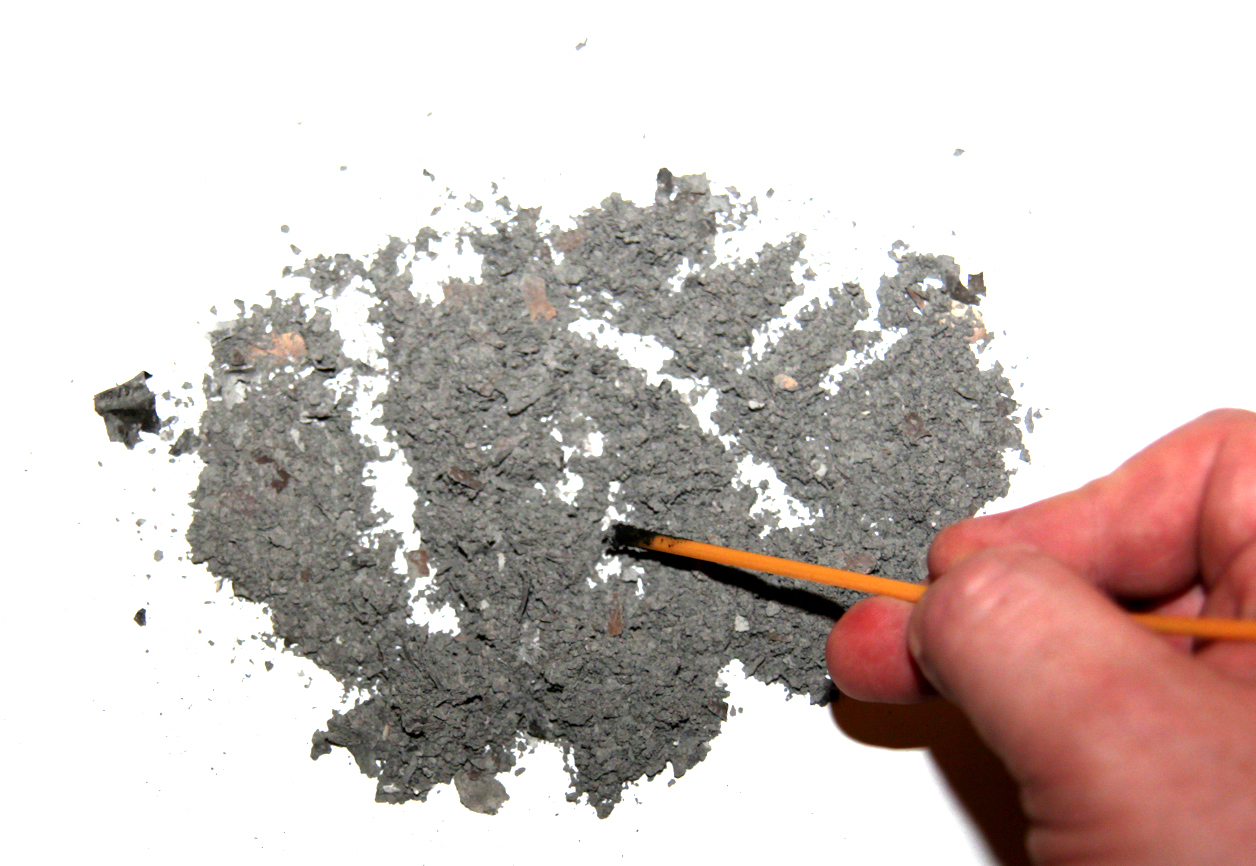 🇬🇷 Greece and 5 moreSpodomancy
Divination by reading omens in ashes, soot, and cindersOracle · Seeing and foretelling · Healing Living
🇬🇷 Greece and 5 moreSpodomancy
Divination by reading omens in ashes, soot, and cindersOracle · Seeing and foretelling · Healing Living
Photo credits on this page
The small pictures above come from Wikimedia Commons under free licences. Some are cropped to fit.
- Siberian shamanism: Аркадий Зарубин, CC BY-SA 3.0, source
- Navagraha: Kiran891, CC BY-SA 4.0, source
- Bhuta Kola: Unknown author, Public domain, source
- Curse: Katsushika Hokusai, Public domain, source
- Korean shamanism: Hyewon Shin Yun-bok (申潤福: 1758-early 19th century) (혜원 신윤복 (申潤福: 1758-, Public domain, source
- Mongolian shamanism: Enrique Bendicho, CC BY-SA 4.0, source
- Zār: Emad Nemati, CC BY-SA 4.0, source
- Bori: Tremearne, A. J. N. (Arthur John Newman), 1877-1915, Public domain, source
- Apu: Cecilia Sacsa, CC BY-SA 4.0, source
- Obeah: Various, published by David Nutt, Public domain, source
- Changeling: Henry Fuseli, Public domain, source
- Spodomancy: Tim1965, CC BY-SA 3.0, source