Benge is a poison oracle practiced by the Azande people of Central Africa, primarily in what is now Southern Sudan. It involves administering a toxin to a fowl to determine if a specific individual is responsible for misfortune through witchcraft.
- Benge is a poison oracle used by the Azande people.
- It determines guilt by feeding poison to a chicken.
- Witchcraft is viewed as an inherited trait among the Azande.
- The practice is increasingly rare due to colonial influence.
- Results can act as law when a Zande Chief is present.
What it is
Benge serves as a poison oracle within the magical and legal framework of the Azande people. This system functions as a method of divination where a decision is reached based on the survival of a bird after it has been given a toxic substance. The outcome carries significant weight, often acting as law when a local chief is present to oversee the proceedings.
Where it comes from
The practice originates with the Azande tribe of Central Africa, specifically located in regions that are part of modern-day Sudan. Historical records indicate that this form of oracle was deeply embedded in their social structure. However, the frequency of its use has declined significantly since the period of colonial rule. The tradition relies on the indigenous belief that witchcraft is an inherited trait that intensifies as a person ages.
How it is done
The procedure begins when a community member seeks answers regarding illness or bad events. An oracle administers a poison to a chicken while calling out the name of a suspected individual. If the bird dies after the name is spoken, that person is identified as the witch responsible. The process is a test of supernatural causality rather than medical diagnosis, relying on the reaction of the animal to the specific accusation.
Tools and materials
The primary tools required for this oracle are a specific type of poison and a live fowl, typically a chicken. The poison acts as the testing agent, while the bird serves as the medium through which the spiritual truth is revealed. No other complex instruments or ritual objects are mentioned in the standard description of this practice.
Benge, drawn and placed
- Living
- Revived
- Fading
- Historical
- Legendary
- Performed
- Timing
- when illness or misfortune occurs
What it is for
The main purpose of Benge is to identify individuals accused of causing harm through witchcraft. The Azande believe that everyday ailments and unfortunate events are caused by these inherited magical forces. By pinpointing the witch, the community aims to stop the unconscious negative thoughts that lead to physical suffering. It provides a social mechanism for managing fear and assigning responsibility for misfortune.
Who does it
An oracle conducts the ceremony, often under the authority of a Zande Chief. The practitioner does not necessarily need special training beyond their role within the community's spiritual hierarchy. The process requires the presence of leadership to validate the result, ensuring that the finding can be accepted as a binding decision within the tribal context.
Peoples and places
This oracle is specific to the Azande people of Central Africa. Their cultural understanding of witchcraft differs from neighboring groups, as they view it as a biological inheritance rather than a learned skill. The practice is tied directly to their geographic location in Southern Sudan and their unique social laws regarding justice and healing.
At a glance: who, where and when
Who does it
Peoples
Belief worlds
Occasions
What people believe
The Azande worldview holds that witchcraft is an internal force passed down through generations. They believe that witches may not be aware of their condition until identified by an oracle. Once a person learns they are a witch, they are expected to control their harmful thoughts, thereby stopping the curse against others. This belief system integrates magic into the daily explanation of health and social harmony.
When it is done
There are no fixed calendar dates or seasonal festivals associated with Benge. The oracle is consulted during times of crisis, such as when a family member falls ill or when unexplained misfortunes strike. The timing is reactive, driven by immediate community needs rather than a predetermined ritual schedule.
How scholars and sceptics see it
Anthropologists like E. E. Evans-Pritchard have studied this practice extensively, documenting how the Azande reconcile rational observation with magical belief. Scholars note that the oracle serves a social function, maintaining order and providing explanations for random events. Researchers view it as a coherent system of logic within its own cultural context, rather than mere superstition.
Cautions and what is closed
The identification of a witch can lead to serious social consequences and stigma for the accused. While the text notes that learning one's status stops the harm, the initial accusation can cause division.
Compare and confuse
Benge is distinct from other forms of divination because it uses a lethal test on an animal. It differs from general fortune-telling by focusing specifically on identifying human agents of harm. Other cultures may use similar poison tests, but the Azande version is uniquely tied to their specific theory of inherited witchcraft.
Law and persecution
The results of the Benge oracle can serve as legal evidence in certain circumstances, particularly when a chief is present. This gives the practice a formal status within the traditional governance of the Azande. Colonial authorities likely suppressed or altered these practices, contributing to their current rarity.
Questions people ask about Benge
What is Benge?
Benge is a poison oracle used by the Azande people of Central Africa. It involves feeding a toxic substance to a chicken to determine if a specific person is responsible for misfortune through witchcraft.
Where is Benge practiced?
Benge is practiced by the Azande tribe, who are located in Central Africa, mainly in what is now Southern Sudan. It is a traditional method specific to their culture and social structure.
How does the oracle work?
An oracle feeds poison to a fowl while naming a suspect. If the bird dies after the name is called, that person is considered the witch. The outcome is taken as a definitive answer to the question of guilt.
Why do the Azande use Benge?
The Azande use Benge to explain everyday ailments and bad events. They believe witchcraft is inherited and causes harm, so they use the oracle to identify the source of these negative forces to stop them.
Good reading and sources
The facts on this page come from the Wikipedia article "Benge", written by its contributors and used under the CC BY-SA 4.0 licence, and from its Wikidata record (CC0). EveryJaadu rewrote the text in its own words, with AI assistance, and compares every page with the article to make sure no passage is copied. It may be reused under the same CC BY-SA 4.0 licence with a link back.
It may contain mistakes. Names and customs differ from one community to the next, and some knowledge is closed to outsiders and left out here. This page describes belief and practice. It does not say that any of it works, it is not a how-to, and it is not medical advice. If something is wrong, tell us. Last refreshed 2026-10-06.
More from Sudan
All the entries from Sudan 🇪🇬 Egypt and 5 moreZārزار
A spirit possession tradition and healing ritual in the Horn of Africa and Middle EastTradition · Healing · Speaking with spirits and the dead Living
🇪🇬 Egypt and 5 moreZārزار
A spirit possession tradition and healing ritual in the Horn of Africa and Middle EastTradition · Healing · Speaking with spirits and the dead Living
 🇸🇴 Somalia and 5 moreFrankincense
An aromatic tree resin harvested for incense, perfume, and religious ritualSubstance · Speaking with spirits and the dead · Power and authority Living
🇸🇴 Somalia and 5 moreFrankincense
An aromatic tree resin harvested for incense, perfume, and religious ritualSubstance · Speaking with spirits and the dead · Power and authority Living
 🇪🇹 Ethiopia and 4 moreBudaቡዳ
An Ethiopian and Eritrean belief in the evil eye and hyena transformationBelief · Cursing and harm · Protection Living
🇪🇹 Ethiopia and 4 moreBudaቡዳ
An Ethiopian and Eritrean belief in the evil eye and hyena transformationBelief · Cursing and harm · Protection Living
Related elsewhere
All oracle 🇷🇸 Serbia and 5 moreVampire
An undead creature from folklore that feeds on the blood or life force of the livingBeing · Cursing and harm · Luck and prosperity Legendary
🇷🇸 Serbia and 5 moreVampire
An undead creature from folklore that feeds on the blood or life force of the livingBeing · Cursing and harm · Luck and prosperity Legendary
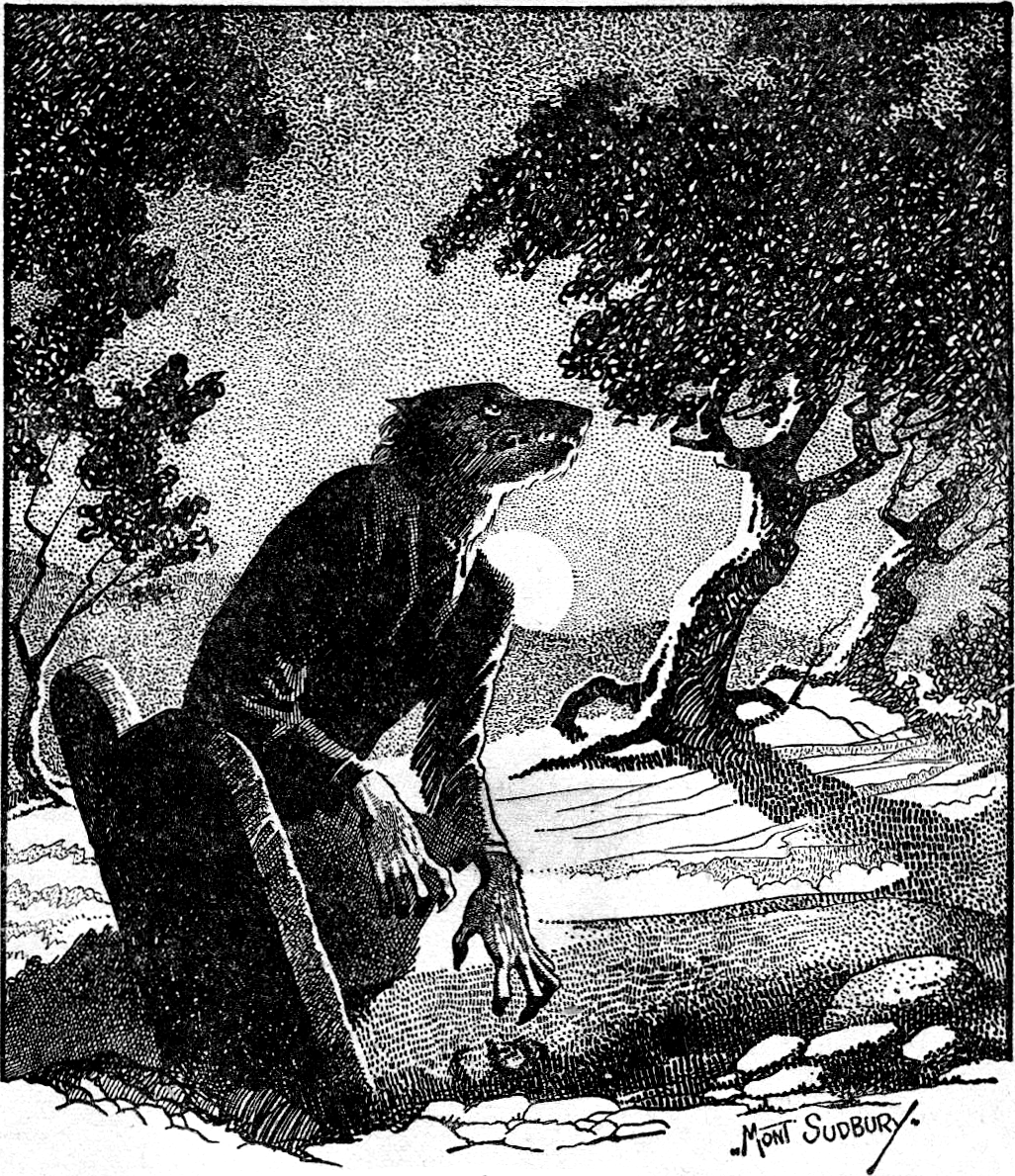 🇫🇷 France and 5 moreWerewolf
A mythical shapeshifter that turns into a wolf, central to European witch-hunts and Gothic horror.Being · Cursing and harm · Wonder and entertainment Legendary
🇫🇷 France and 5 moreWerewolf
A mythical shapeshifter that turns into a wolf, central to European witch-hunts and Gothic horror.Being · Cursing and harm · Wonder and entertainment Legendary
 🇪🇬 Egypt and 1 moreLilithלִילִית
A feminine figure from Mesopotamian and Jewish mythology, often depicted as a night demon or spirit.Being · Cursing and harm Legendary
🇪🇬 Egypt and 1 moreLilithלִילִית
A feminine figure from Mesopotamian and Jewish mythology, often depicted as a night demon or spirit.Being · Cursing and harm Legendary
 🇪🇬 EgyptCurse
A spoken wish for misfortune to befall a person or placeBelief · Cursing and harm · Luck and prosperity Historical
🇪🇬 EgyptCurse
A spoken wish for misfortune to befall a person or placeBelief · Cursing and harm · Luck and prosperity Historical