
African divination
Methods used across the continent to understand present realities and predict future events.
Practiced for millennia in African societies, this field of study seeks to interpret current conditions and forecast what is to come. It functions as a central social phenomenon, guiding decisions and healing within communities from North to South.
- Zandé people use chicken poison to determine answers.
- Ethiopian buda are believed to cast spells with their eyes.
- Kenyan Nandi diviners use stones and animal intestines.
- Amhara society includes zar spirit possession healing.
- Egyptian necromancy dates to the Twentieth Dynasty.
What it is
This practice involves interpreting signs to grasp the nature of the here and now while also forecasting future occurrences. It serves as a vital social mechanism, helping individuals navigate uncertainty and maintain order within their communities. Practitioners act as intermediaries who decode messages from the unseen world to provide clarity on personal and collective matters.
Where it comes from
The roots of these methods stretch back thousands of years across the continent. In Egypt, archaeological records suggest that native populations adopted divinatory techniques during the Ptolemaic era, likely influenced by Greek traditions originating in Babylonia. Other systems evolved independently among various ethnic groups, adapting to local environments and spiritual beliefs over centuries.
How it is done
Techniques vary widely by region and culture. Some practitioners throw bones or stones and read their landing positions. Others examine animal entrails or use specific tools like copper lances or crab shells. In certain areas, poison is administered to chickens to observe survival outcomes. Book-based methods involve reading sacred texts or astrological charts to derive answers.
Tools and materials
Common instruments include bones, stones, shells, and specialized vessels. Some diviners utilize written texts, such as the Qur'an or astrological manuals, to guide their readings. Animal parts, particularly intestines, are often examined for patterns. Specific objects like copper lances or ceramic pots may hold symbolic significance depending on the cultural context.
African divination, drawn and placed
- Living
- Revived
- Fading
- Historical
- Legendary
- Performed
What it is for
People seek these services to identify causes of illness, locate lost items, or resolve social conflicts. Diviners help determine if misfortune stems from human agents, spirits, or natural causes. They also provide protection against sorcery and offer guidance on health, fertility, and community harmony, serving as advisors in times of crisis.
Who does it
Specialists are known by various titles, such as kimbanda, nganga, or lamuli. Training often involves apprenticeship or spiritual calling. Gender roles differ across regions; some areas have male-dominated practices, while others feature prominent female diviners. Social status varies, with some practitioners holding high political influence or spiritual authority.
Peoples and places
Diverse groups employ distinct methods. The Ambundu and Kongo use basket and shell techniques. The Zandé employ poison-chicken rituals. Ethiopian tribes like the Hamar and Me'en use sandals and animal organs. Kenyan groups like the Nandi and Giriama incorporate stones, books, and spirit communication. These variations reflect unique cultural histories and environmental adaptations.
At a glance: who, where and when
Who does it
Belief worlds
Occasions
What people believe
Underlying these practices is a worldview where the physical and spiritual realms intersect. Misfortune is often attributed to angry ancestors, malicious spirits, or witchcraft. Diviners communicate with these entities to restore balance. Beliefs about possession, curses, and protective amulets are common, emphasizing the need to appease unseen forces to ensure well-being.
When it is done
Consultations occur whenever needed, often triggered by illness, loss, or social tension. Some rituals align with seasonal changes or life events like weddings and funerals. Astrological methods rely on celestial movements, while others depend on immediate spiritual prompts. There is no single universal calendar, as timing is dictated by necessity and spiritual guidance.
How scholars and sceptics see it
Anthropologists view divination as a complex social system that reinforces cultural norms and resolves disputes. Historians trace its evolution through colonial and post-colonial periods, noting adaptations to new religious influences. Skeptics may attribute results to psychological suggestion or coincidence, but scholars emphasize its role in maintaining social cohesion and providing psychological comfort.
Cautions and what is closed
Accusations of witchcraft can lead to social ostracization or violence against those labeled as cursed. Diviners may exploit fears for financial gain, leading to fraud. In some cases, harmful rituals involving animal sacrifice or poison pose health risks. Legal frameworks in certain countries restrict or criminalize traditional practices, creating tensions between custom and state law.
Compare and confuse
Similar practices exist globally, such as astrology in the Middle East or shamanism in Siberia. African divination shares features with Islamic fortune-telling and Christian mysticism due to historical interactions. Terms like 'zar' or 'buda' appear in multiple cultures, indicating shared concepts of spirit possession and supernatural influence across borders.
Law and persecution
Legal status varies significantly. Some nations recognize traditional healers as part of healthcare systems, while others ban them as superstition. Colonial laws often suppressed indigenous practices, labeling them as witchcraft. Modern debates focus on balancing cultural rights with public health regulations, especially regarding unlicensed medical claims.
Today
Divination remains active in many communities, adapting to urbanization and digital media. Diaspora groups preserve traditions abroad, sometimes blending them with new religious forms. Commercialization has led to online consultations and packaged remedies. Despite modernization, core beliefs in spiritual causality persist, offering continuity in rapidly changing societies.
Questions people ask about African divination
What is African divination?
It is a set of practices used across Africa to interpret current situations and predict future events. Practitioners use various methods to communicate with spirits or decode signs, helping communities navigate uncertainty and resolve conflicts.
Where did it originate?
Practices have existed for millennia across diverse regions. In Egypt, evidence suggests adoption during the Ptolemaic period from Greek and Babylonian sources. Other systems developed independently among ethnic groups like the Zandé and Nandi, reflecting local traditions.
Who performs divination?
Specialists known by names like kimbanda, nganga, or lamuli serve as diviners. They may be chosen through spiritual calling or training. Roles vary by gender and region, with some holding significant social or political influence within their communities.
Why do people consult diviners?
Individuals seek guidance for health issues, lost items, or social disputes. Diviners help identify causes of misfortune, such as witchcraft or angry spirits, and provide remedies or protections to restore balance and well-being in daily life.
Good reading and sources
- A Journey to Obama’s KenyaSmithsonian Magazine, Article
- Sacred Mijikenda Kaya ForestsUNESCO, Heritage listing
The facts on this page come from the Wikipedia article "African divination", written by its contributors and used under the CC BY-SA 4.0 licence, and from its Wikidata record (CC0). EveryJaadu rewrote the text in its own words, with AI assistance, and compares every page with the article to make sure no passage is copied. It may be reused under the same CC BY-SA 4.0 licence with a link back.
It may contain mistakes. Names and customs differ from one community to the next, and some knowledge is closed to outsiders and left out here. This page describes belief and practice. It does not say that any of it works, it is not a how-to, and it is not medical advice. If something is wrong, tell us. Last refreshed 2026-10-06.
More from Egypt
All the entries from Egypt 🇮🇳 India and 5 moreSnake worship
Veneration of serpents as divine or ancestral beings across global culturesTradition · Protection · Healing Living
🇮🇳 India and 5 moreSnake worship
Veneration of serpents as divine or ancestral beings across global culturesTradition · Protection · Healing Living
 🇪🇬 Egypt and 5 moreZārزار
A spirit possession tradition and healing ritual in the Horn of Africa and Middle EastTradition · Healing · Speaking with spirits and the dead Living
🇪🇬 Egypt and 5 moreZārزار
A spirit possession tradition and healing ritual in the Horn of Africa and Middle EastTradition · Healing · Speaking with spirits and the dead Living
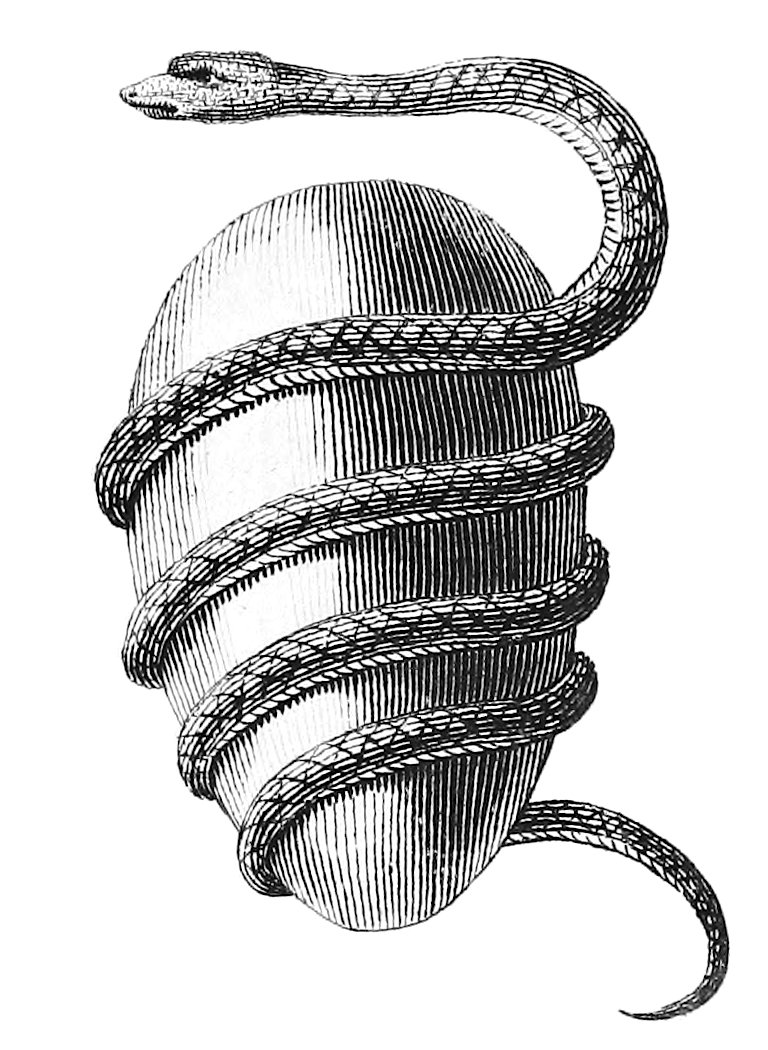 🇧🇫 Burkina Faso and 5 moreCosmic egg
A mythological motif where the universe or a creator emerges from a primordial egg.Belief · Wonder and entertainment Historical
🇧🇫 Burkina Faso and 5 moreCosmic egg
A mythological motif where the universe or a creator emerges from a primordial egg.Belief · Wonder and entertainment Historical
 🇪🇬 Egypt and 1 moreMyomancy
A divination practice that reads omens in the actions of rats and miceOracle · Seeing and foretelling Historical
🇪🇬 Egypt and 1 moreMyomancy
A divination practice that reads omens in the actions of rats and miceOracle · Seeing and foretelling Historical
Related elsewhere
All oracle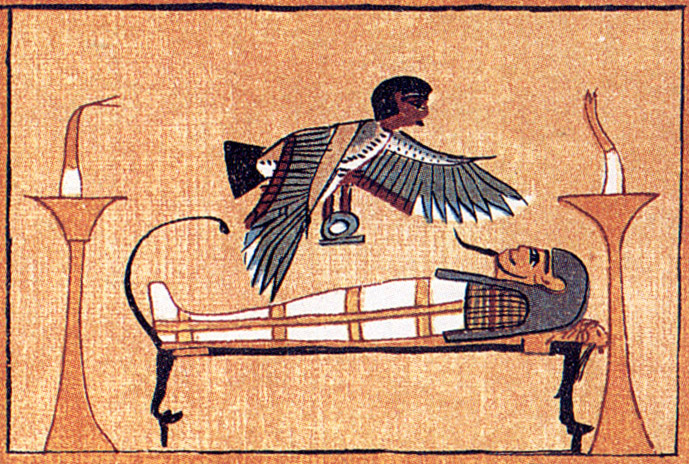 🇸🇪 Sweden and 1 moreSoul flight
A trance practice where the spirit leaves the body to visit other realmsRite · Healing · Seeing and foretelling Historical
🇸🇪 Sweden and 1 moreSoul flight
A trance practice where the spirit leaves the body to visit other realmsRite · Healing · Seeing and foretelling Historical
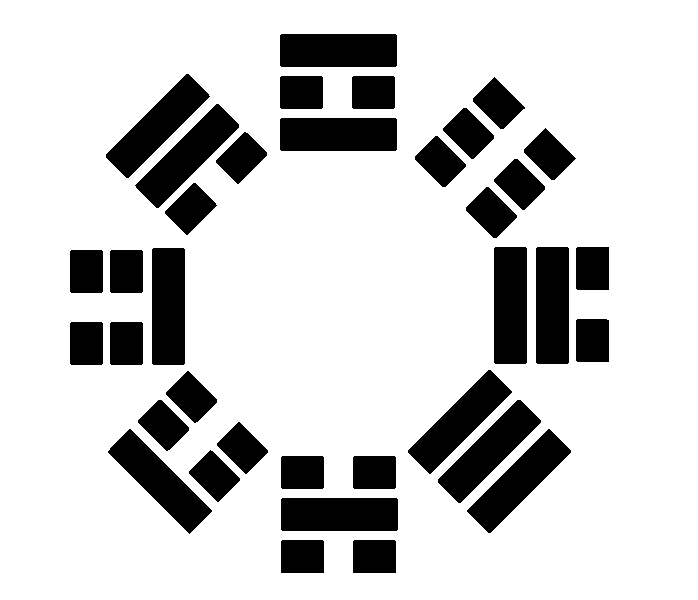 🇨🇳 China and 1 moreBagua八卦
A set of eight trigram symbols from China used in divination, cosmology, and feng shui.Tradition · Seeing and foretelling · Protection Living
🇨🇳 China and 1 moreBagua八卦
A set of eight trigram symbols from China used in divination, cosmology, and feng shui.Tradition · Seeing and foretelling · Protection Living
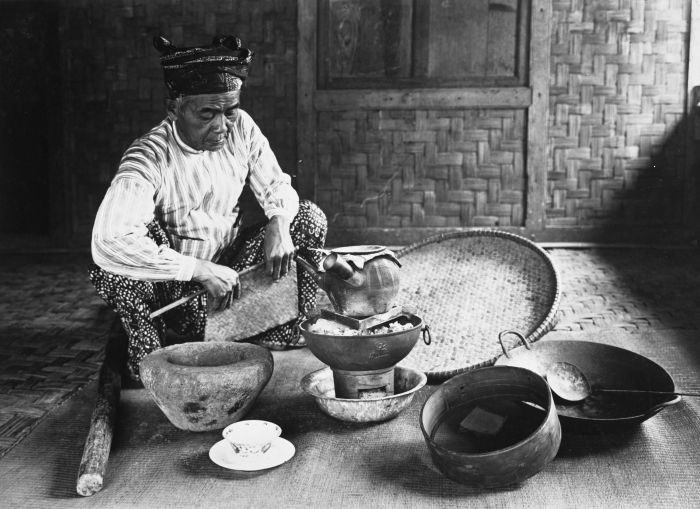 🇮🇩 Indonesia and 2 moreDukun
A traditional healer and spirit medium in Indonesian folk practiceTradition · Healing · Seeing and foretelling Living
🇮🇩 Indonesia and 2 moreDukun
A traditional healer and spirit medium in Indonesian folk practiceTradition · Healing · Seeing and foretelling Living
 🇨🇺 Cuba and 2 moreSanteríaRegla de Ocha
An Afro-Cuban religion blending Yoruba beliefs with Catholicism and SpiritismTradition · Protection · Healing Living
🇨🇺 Cuba and 2 moreSanteríaRegla de Ocha
An Afro-Cuban religion blending Yoruba beliefs with Catholicism and SpiritismTradition · Protection · Healing Living