
Californian white sage
from Latin salvere (to be healthy) and apiana (related to bees)
A California shrub used by Indigenous peoples for food, healing, and ritual cleansing
Salvia apiana is an evergreen shrub from the Pacific coast of North America. Native American communities use its seeds as food and its leaves in purification rites. Commercial demand has raised concerns about overharvesting.
- Leaves release strong oils when rubbed
- Seeds are a traditional food source
- Root tea aids postpartum recovery
- Illegal harvesting arrests occurred in 2018
- Not protected by the Endangered Species Act
What it is
This plant is a perennial shrub known as Californian white sage. It grows along the Pacific coast. Its leaves are thick and covered in fine hairs. When rubbed, they release oils with a strong scent. The flowers attract many insects, especially bees. People use the dried leaves in ceremonies. They also eat the seeds. The plant belongs to a family of herbs found in dry climates.
Where it comes from
The species lives in the southwestern United States and northwestern Mexico. It thrives in coastal sage scrub habitats. These areas include parts of Southern California and Baja California. The plant grows on dry slopes near deserts. It prefers well-drained soil and full sun. Its range extends up to fifteen hundred meters in elevation.
How it is done
Practitioners gather the leaves and stems. They dry them for later use. In some groups, the leaves are burned to create smoke. This smoke is believed to cleanse spaces. Others chew the seeds or mix them into flour. A tea made from roots is prepared after childbirth. The methods vary between different tribal communities.
Tools and materials
The main tools are the plant itself. Dried leaves and stems form bundles. Seeds are harvested for food. Roots are boiled for medicinal teas. The plant produces white to pale lavender flowers. These blooms signal the spring season. The aromatic oils come from glands in the leaves.
Californian white sage, drawn and placed
- Living
- Revived
- Fading
- Historical
- Legendary
- Performed
- Lineage
- Native American traditions of the Pacific coast
- Timing
- daily or during rituals
What it is for
Communities use this plant for several reasons. It cleanses environments through smoke. It provides nutrition through its seeds. It aids recovery after birth via root tea. Some tribes use it to remove foreign objects from eyes. It serves both practical and spiritual needs.
Who does it
Indigenous people of the Pacific coast practice these traditions. The Cahuilla harvest seeds for pinole. The Chumash use leaves and stems as food. Women prepare root teas for health. Knowledge is passed within families. Non-Native use is discouraged by many groups.
Peoples and places
Several cultures share this heritage. The Cahuilla value the seeds highly. They mix them with wheat and sugar. The Chumash consume the green parts. Other neighboring groups also use the plant. Conservation efforts focus on protecting these traditions from commercial exploitation.
At a glance: who, where and when
Who does it
Belief worlds
Occasions


What people believe
The plant holds sacred status. Smoke is seen as a purifying force. It removes negative energy from places. The aroma connects users to the natural world. Oils are thought to have protective qualities.
When it is done
Harvest happens throughout the year. Flowers appear in spring. Seeds are collected when ripe. Root teas are made postpartum. Daily use includes smudging homes. There are no specific festival dates attached.
How scholars and sceptics see it
Biologists study its ecology. They note its role in pollination. Carpenter bees and bumblebees visit the flowers. Most visitors do not effectively pollinate. Only a few bee species ensure reproduction. Scientists monitor wild populations closely.
Cautions and what is closed
Overharvesting threatens wild stocks. Commercial sales drive illegal collection. Four people were arrested in 2018. Public lands suffer from unauthorized gathering. Many Indigenous groups ask outsiders to stop using it. Misconceptions about legal protection persist.
Compare and confuse
It differs from other sages. Salvia leucophylla and Salvia clevelandii hybridize with it. European Clary sage shares medicinal uses. Pinole resembles other seed-based foods. Smudging parallels other smoke-cleansing rites.
Questions people ask about Californian white sage
What is Californian white sage?
It is an evergreen shrub native to the Pacific coast. Its leaves are used in rituals. Its seeds provide food. It grows in dry, sunny habitats.
Where does it grow?
It is found in the southwestern United States and northwestern Mexico. It thrives in coastal sage scrub and chaparral.
How is it used in rituals?
Burning the leaves creates smoke. This smoke is believed to cleanse spaces. It removes negative influences from homes.
Why is conservation important?
Commercial demand causes overharvesting. Wild populations are declining. Indigenous groups urge non-Natives to refrain from use.
Good reading and sources
- Salvia apiana on WikipediaEncyclopedia
- More photos on Wikimedia CommonsPhotos and video
- Wikidata recordOpen data
The facts on this page come from the Wikipedia article "Salvia apiana", written by its contributors and used under the CC BY-SA 4.0 licence, and from its Wikidata record (CC0). EveryJaadu rewrote the text in its own words, with AI assistance, and compares every page with the article to make sure no passage is copied. It may be reused under the same CC BY-SA 4.0 licence with a link back.
It may contain mistakes. Names and customs differ from one community to the next, and some knowledge is closed to outsiders and left out here. This page describes belief and practice. It does not say that any of it works, it is not a how-to, and it is not medical advice. If something is wrong, tell us. Last refreshed 2026-10-05.
More from the United States
All the entries from the United States 🇺🇸 United StatesFolk healer
An unlicensed community member who provides healing care using local plants and traditional knowledge.Tradition · Healing · Protection Historical
🇺🇸 United StatesFolk healer
An unlicensed community member who provides healing care using local plants and traditional knowledge.Tradition · Healing · Protection Historical
 🇺🇸 United StatesCotton Mather
A Puritan minister and writer known for his role in the Salem witch trials and promotion of smallpox inoculationFigure Historical
🇺🇸 United StatesCotton Mather
A Puritan minister and writer known for his role in the Salem witch trials and promotion of smallpox inoculationFigure Historical
 🇺🇸 United StatesSalem Witch Trials
A colonial legal crisis where over two hundred people faced accusations of sorcery in Massachusetts.Belief · Cursing and harm Historical
🇺🇸 United StatesSalem Witch Trials
A colonial legal crisis where over two hundred people faced accusations of sorcery in Massachusetts.Belief · Cursing and harm Historical
 🇺🇸 United States and 7 moreSatanic panic
A moral panic over unsubstantiated claims of Satanic cults abusing children in the late twentieth centuryBelief · Cursing and harm Historical
🇺🇸 United States and 7 moreSatanic panic
A moral panic over unsubstantiated claims of Satanic cults abusing children in the late twentieth centuryBelief · Cursing and harm Historical
Related elsewhere
All substance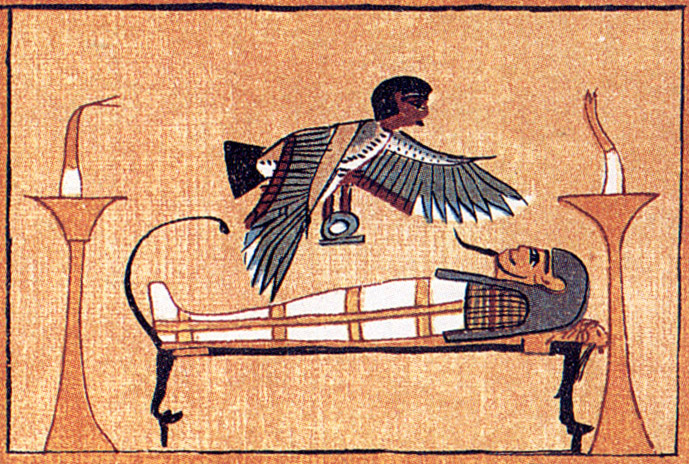 🇸🇪 Sweden and 1 moreSoul flight
A trance practice where the spirit leaves the body to visit other realmsRite · Healing · Seeing and foretelling Historical
🇸🇪 Sweden and 1 moreSoul flight
A trance practice where the spirit leaves the body to visit other realmsRite · Healing · Seeing and foretelling Historical
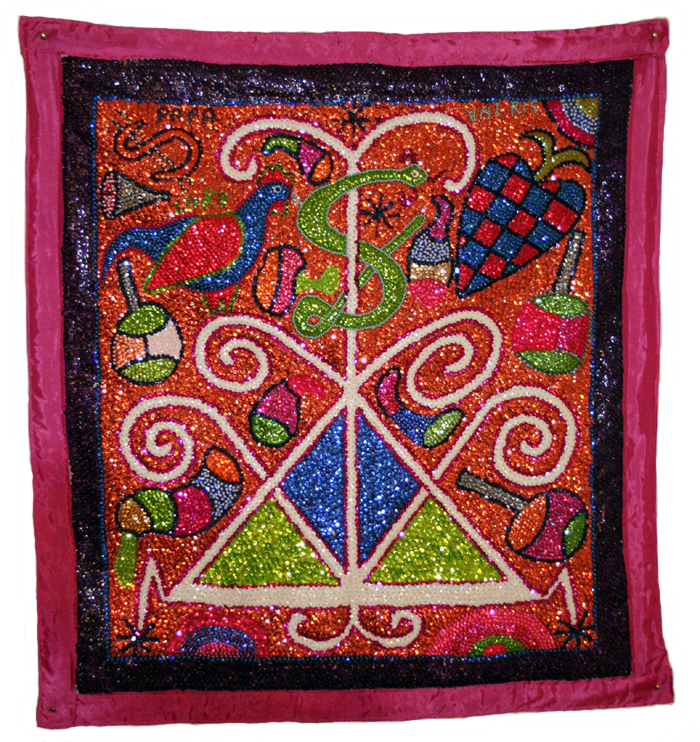 🇭🇹 Haiti and 2 moreHaitian VodouVodou
An Afro-Haitian religion blending West African traditions with Catholicism and FreemasonryTradition · Protection · Healing Living
🇭🇹 Haiti and 2 moreHaitian VodouVodou
An Afro-Haitian religion blending West African traditions with Catholicism and FreemasonryTradition · Protection · Healing Living
 🇲🇦 Morocco and 5 moreWild rueاسپند
A desert plant whose seeds hold psychoactive alkaloids and serve as incense in the Middle East.Substance · Protection · Speaking with spirits and the dead Living
🇲🇦 Morocco and 5 moreWild rueاسپند
A desert plant whose seeds hold psychoactive alkaloids and serve as incense in the Middle East.Substance · Protection · Speaking with spirits and the dead Living
 🇮🇹 Italy and 5 moreRelic
An object or body part kept to honor a holy person and mark their connection to the divineCharm · Protection · Healing Living
🇮🇹 Italy and 5 moreRelic
An object or body part kept to honor a holy person and mark their connection to the divineCharm · Protection · Healing Living