Cursing and harm
Curses, hexes and sorcery as people describe and fear them, with the counter-magic against them.
Cursing and harm are the part of magic that societies fear most. This page describes curses and sorcery as beliefs, and the social role of fear and accusation, and does not give instructions. The evil eye, the curse tablets of the Greek and Roman world, Hebrew and Arabic writings on harmful magic, sorcery in Melanesia and Africa, and the European witch are all part of this subject. Most of the harm recorded is that done to people accused.
What is believed
Many cultures hold that envy, anger or hostile ritual can bring illness, loss or death to a victim. The beliefs differ: in the Mediterranean, the evil eye needs no intent. In Azande society, studied by Evans-Pritchard, witchcraft was an inherited substance that explained why misfortune struck one person and not another. Greek and Roman lead curse tablets, often addressed to gods of the underworld, show the belief was written down in antiquity.
Accusation as social force
Where harm is feared, accusation follows. Anthropologists have shown that charges of witchcraft often follow tension inside a family or village, such as inheritance, jealousy or a sudden death. Accusers are usually in conflict with the accused, who is more likely to be old, poor, widowed or marginal. The belief can enforce norms and also destroy people. People also fear being accused, since an accusation can arrive without warning and can follow a family for generations.
Persecution and its present
European and colonial American witch trials, from the fifteenth to the eighteenth century, put tens of thousands to death, including the Salem trials of 1692. The practice has not ended. Mobs and families still attack accused people in parts of Africa, India, Papua New Guinea and elsewhere, and Saudi Arabia has executed people for sorcery. Albino people have been killed for body parts in East Africa. Several states are drafting or enforcing laws against accusation itself.
Counter-magic and scholarship
Where harm is feared, so is protection: amulets, cleansing, and a specialist who can say who sent it. Scholars see curses as a language of grievance, and psychologists have documented the nocebo effect, in which belief in harm can bring on real distress. A person who is afraid should seek medical and social help, and talk to someone they trust. People who believe they have been cursed should be helped to find practical support, including from health services, and not left alone with fear.
Cursing and harm on EveryJaadu
The entries written up so far, best known first.
 🇩🇪 Germany and 3 moreMare
A spirit that sits on sleepers to cause nightmares and physical distressBeing · Cursing and harm Historical
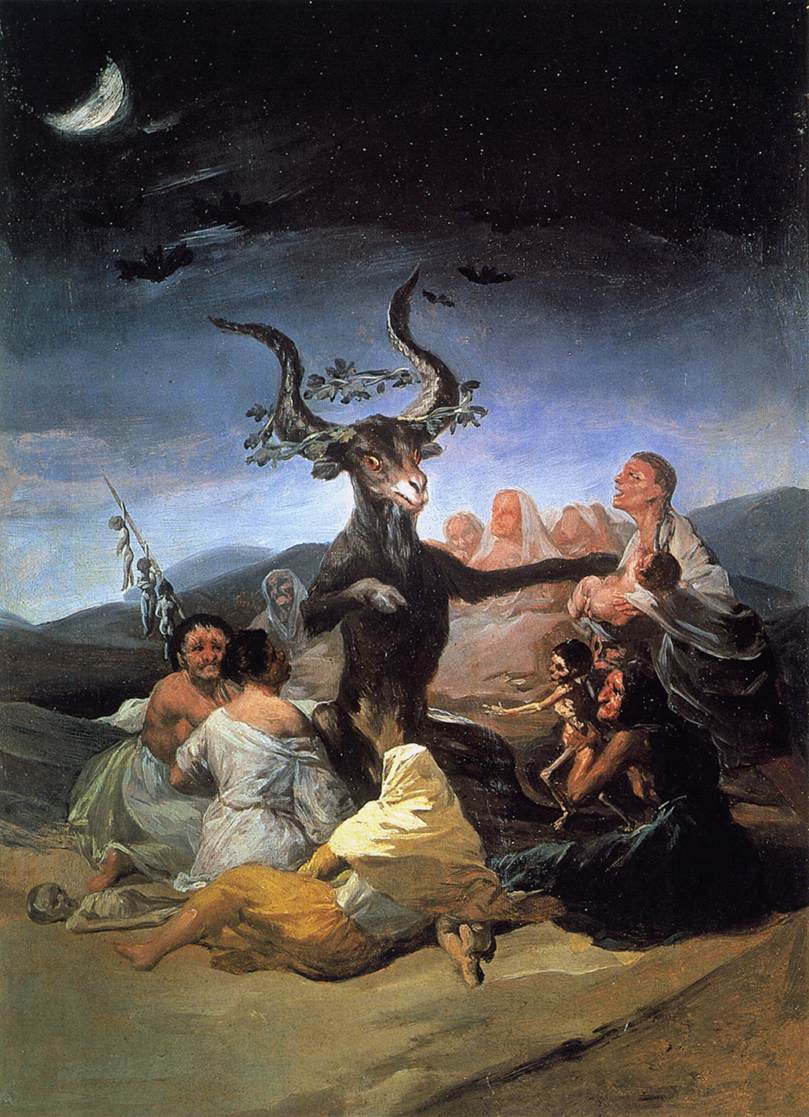 🇫🇷 France and 3 moreWitches' Sabbath
A legendary gathering of witches described in early modern trial records and folkloreBelief · Cursing and harm Historical
 🇮🇳 IndiaLeft-Hand and Right-Hand Paths
Two distinct orientations in occult magic, dividing taboo-breaking from orthodoxy.Tradition · Change and initiation · Power and authority Living
 🇮🇹 ItalyFortunaFortūna
The Roman goddess of luck, fate, and life's unpredictable turnsBeing · Luck and prosperity · Cursing and harm Historical
🇳🇴 NorwayVardø witch trials
A major Scandinavian persecution of women accused of sorcery in 17th-century NorwayBelief · Cursing and harm Historical
🇪🇪 Estonia and 1 moreWitch trials in Latvia and Estonia
Persecutions by the Baltic German elite against indigenous peasants to enforce Christianity.Belief · Cursing and harm · Cleansing and purification Historical
 🇩🇪 Germany and 2 moreWitch trials in the Holy Roman Empire
A historical period of intense witchcraft persecution across Central Europe from the 15th to the 18th centuries.Belief · Cursing and harm Historical
🇭🇺 Hungary and 2 moreWitch trials in Hungary
A long-running series of legal persecutions for sorcery across Central Europe.Belief · Cursing and harm Historical
 🇷🇺 RussiaBlack magic
A label for magical practices believed to cause harm or serve selfish endsBelief · Cursing and harm · Luck and prosperity Historical
 🇸🇪 Sweden and 3 moreSilver bullet
A projectile of silver said to pierce supernatural armor, and a metaphor for a simple fix.Charm · Cursing and harm · Luck and prosperity Historical
🇮🇹 ItalyWitch trials in Italy
Historic legal proceedings against alleged witches across Italian states from the 14th to 18th centuries.Belief · Cursing and harm Historical
 🇩🇪 GermanyWürzburg witch trials
A mass execution of hundreds in a German Catholic principality during the Thirty Years WarBelief · Cursing and harm Historical
🇬🇧 United KingdomPaisley witches
A 1697 Scottish witch trial ending in mass execution after a child's illness sparked local panic.Belief · Cursing and harm Historical
 🇮🇸 Iceland and 1 moreNornsnornir
Fate-weaving figures from Norse myth who shape human destiny and tend the world tree.Being · Cursing and harm · Luck and prosperity Historical
 🇸🇪 SwedenMora witch trial
A 1669 Swedish mass execution driven by child testimony and religious hysteriaBelief · Cursing and harm Historical
 🇮🇳 India and 2 moreTrial by ordeal
An ancient judicial test where a dangerous physical trial determined guilt or innocenceRite · Cursing and harm Historical
 🇸🇪 SwedenWitch trials in Denmark
A record of legal executions and local panics for sorcery in early modern DenmarkBelief · Cursing and harm Historical
🇫🇷 France and 3 moreChristian Kabbalah
A Renaissance effort to read Christian theology into Jewish mysticismTradition · Speaking with spirits and the dead · Cursing and harm Historical
 🇬🇧 United Kingdom and 2 moreWitchcraft Acts
A series of British laws that shifted from punishing witchcraft to punishing those who claimed to practice it.Text · Cursing and harm Historical
🇬🇧 United Kingdom and 2 moreThe Holy Blood and the Holy Grail
A 1982 book proposing Jesus had a bloodline protected by a secret societyText · Cursing and harm Historical
🇳🇱 NetherlandsCornelius Loos
A Catholic priest who publicly opposed the European witch trials of the late 1500s.Belief · Cursing and harm Historical
🇵🇱 Poland and 4 moreWitch trials in Poland
A historical record of sorcery prosecutions and executions in Poland from the 15th to the 19th century.Belief · Cursing and harm Historical
 🇫🇷 FranceWitch trials in France
A fragmented history of judicial persecution across French regions from the fourteenth to the eighteenth centuryBelief · Cursing and harm Historical
 🇬🇧 United Kingdom and 3 moreJack
A trickster hero from English folklore who outwits giants and oppressorsFigure · Cursing and harm · Luck and prosperity Living
🇩🇪 GermanyTrier witch trials
A series of mass executions in the Holy Roman Empire between 1581 and 1593.Belief · Cursing and harm Historical
🇮🇹 Italy and 1 moreAradia
A figure of Italian folklore and modern pagan witchcraft, seen as a teacher of magic and liberation.Figure · Cursing and harm · Power and authority Revived
 🇩🇪 Germany and 1 moreWitch's mark
A bodily mark believed to prove a pact with the Devil during early modern witch trialsBelief · Cursing and harm Historical
 🇷🇺 Russia and 4 moreLady MiddayPoludnitsa
A Slavic noon spirit who watches over fields and punishes those who work during the hottest hours.Being · Cursing and harm · Protection Historical
🇫🇮 Finland and 1 moreWitch trials in Finland
A historical record of sorcery prosecutions in Finland under Swedish rule.Belief · Cursing and harm Historical
 🇮🇹 ItalyWitches of Benevento
A medieval Italian legend of witches gathering under a walnut treeBelief · Cursing and harm · Luck and prosperity Historical
 🇮🇪 Ireland and 4 moreTrial by combat
A medieval legal practice where two disputants fought to settle a caseRite · Cursing and harm Historical
 🇬🇧 United KingdomBideford witch trial
The 1682 execution of three women in Devon, the final hangings for witchcraft in England.Belief · Cursing and harm Historical
 🇫🇷 France and 1 moreDruiddruides
A learned priestly class of the ancient Celts in Gaul and BritainTradition · Cursing and harm · Protection Historical
 🇫🇷 France and 4 moreWitch trials in the early modern period
A wave of prosecutions across Europe and British America from the 1400s to the late 1700s.Tradition · Cursing and harm Historical
 🇨🇭 SwitzerlandValais witch trials
The first systematic European witch-hunt, beginning in the Valais region of Switzerland in 1428.Belief · Cursing and harm Historical
🇩🇪 GermanyPhilipp Adolf von Ehrenberg
A German prince-bishop who directed a massive witch-hunt in the 1620sFigure · Cursing and harm Historical
🇬🇧 United KingdomWiccan Rede
A moral guideline for Wiccans stating that actions should cause no harm.Text · Cursing and harm Living
 🇫🇮 Finland and 5 moreMolybdomancy
A divination method using molten metal poured into water to read omensRite · Seeing and foretelling · Cursing and harm Living
 🇳🇱 NetherlandsWitch trials in the Netherlands
A historical record of prosecutions and executions for sorcery in the Dutch Republic.Belief · Cursing and harm Historical
🇬🇧 United KingdomWitch trials in England
Historical legal proceedings against alleged witches in England from the 15th to 18th centuries.Belief · Cursing and harm Historical
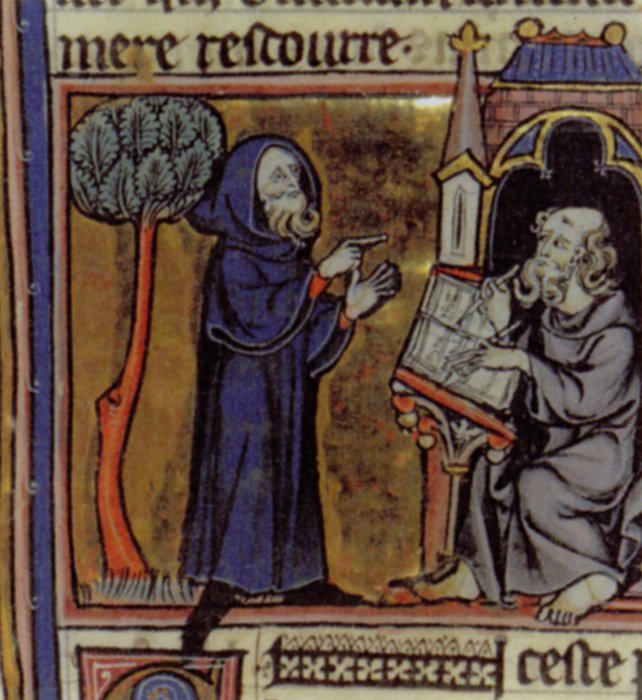 🇮🇹 Italy and 1 moreMedieval European magic
A broad category of ritual and natural practices in the Middle Ages, blending healing, divination, and religious belief.Tradition · Healing · Seeing and foretelling Historical
 🇬🇧 United KingdomPricking
A method used during European witch trials to locate a supposed insensitive mark on an accused person.Rite · Cursing and harm Historical
 🇷🇴 Romania and 5 moreVampire folklore
Global legends of blood-drinking spirits and undead revenantsBelief · Cursing and harm · Protection Historical
🇩🇪 GermanyJohannes Junius
A German mayor executed in the Bamberg witch trials who wrote a final letter from his cell.Figure · Cursing and harm Historical
🇳🇴 NorwayWitch trials in Norway
A wave of executions and legal persecution for sorcery in early modern Norway.Belief · Cursing and harm Historical
 🇬🇧 United KingdomBoggart
A malevolent household spirit from northern English folkloreBeing · Cursing and harm Historical
 🇬🇧 United KingdomSamlesbury witches
Three Lancashire women acquitted in a 1612 trial linked to anti-Catholic propagandaBelief · Cursing and harm Historical
Photo credits on this page
The small pictures above come from Wikimedia Commons under free licences. Some are cropped to fit.
- Mora witch trial: Unknown author Unknown author contemporary artist, Public domain, source
- Vampire folklore: Dick Thomas Johnson, CC BY 2.0, source
- Silver bullet: Smithsonian Institution, CC0, source
- Valais witch trials: Dagalia2, CC BY-SA 4.0, source
- Black magic: https://www.flickr.com/photos/eliogarcia/ (nick in flickr:creo que soy, CC BY 2.0, source
- Würzburg witch trials: Sweet Chily, Public domain, source
- Lady Midday: Віщун, CC BY-SA 4.0, source
- Norns: file: James Steakley ; artwork: Gustav Heidenreich, Public domain, source
- Druid: Bernard de Montfaucon, Public domain, source
- Witch trials in the early modern period: Johann Jakob Wick, Public domain, source
- Molybdomancy: Micha L. Rieser, Attribution, source
- Witch trials in England: Totnesmartin, Public domain, source
- Witchcraft Act 1735: Richard van Bleeck, Public domain, source
- Pricking: Heinrichkramer, CC BY-SA 3.0, source
- Witch trials in France: Unknown author, CC BY 4.0, source
- Jack: Internet Archive Book Images, No restrictions, source
- Trier witch trials: Unknown author, Public domain, source
- Witch's mark: T. H. Matteson, Public domain, source
- Witches of Benevento: Guglielmo della Porta, CC0, source
- Trial by combat: Jörg Breu der Jüngere (died 1547), Paulus Hector Mair (died 1579), Public domain, source
- Witch trials in the Netherlands: Mathje1963, CC BY-SA 4.0, source
- Boggart: Katolophyromai, CC BY-SA 4.0, source
- Samlesbury witches: Tom Oates, CC BY-SA 3.0, source
- Witch trials in Denmark: Rigsarkivet - Danish National Archives, CC BY-SA 2.0, source
- Medieval European magic: Unknown author, Public domain, source
- Trial by ordeal: James Sibree, Public domain, source
- Fortuna: Charles Samuel, CC BY-SA 4.0, source
- Witches' Sabbath: Francisco Goya, Public domain, source
- Left-Hand and Right-Hand Paths: Eliphas Levi, Public domain, source
- Mare: Henry Fuseli, Public domain, source