Witch trials in Norway
A wave of executions and legal persecution for sorcery in early modern Norway.
Between 1561 and 1760, Norwegian authorities conducted hundreds of witch trials under Danish union rule. The state used demonology handbooks to prosecute accused individuals, resulting in hundreds of executions by burning or decapitation before the practice declined in the late seventeenth century.
- Estimates suggest 277 to 350 executions between 1561 and 1760.
- Trials were conducted under instructions from Copenhagen during the Danish-Norwegian union.
- Burning at the stake was the common method of execution until the late 17th century.
- 80% of the accused were women, often from marginalized backgrounds.
- The last confirmed execution was Johanne Nilsdatter in 1695.
What it is
The witch trials in Norway represent one of the most intense periods of magical persecution in the Nordic region during the early modern era. Between 1561 and 1760, the state prosecuted hundreds of people for sorcery, resulting in an estimated 277 to 350 confirmed executions. These proceedings were driven by a combination of local rumors and centralized instructions from Copenhagen, reflecting the political union between Norway and Denmark at the time. The trials targeted individuals accused of causing harm through magic, operating within a framework that blended local folk beliefs with imported European demonological concepts.
Where it comes from
The legal basis for these trials evolved over centuries. A thirteenth-century law prescribed death for magic causing injury, though no executions occurred until the sixteenth century. A pivotal moment arrived in 1584 when King Frederick II of Denmark and Norway, influenced by Bishop Jørgen Eriksen of Stavanger, introduced the death penalty for all forms of sorcery. This law expanded to cover all of Norway by 1593. Prior to this, only isolated cases like the trial of Ragnhild Tregagås in 1325 existed, indicating that systematic persecution was a relatively late development in Norwegian history.
How it is done
Accusations typically began with rumors heard across multiple households or following personal conflicts involving alleged illness or death. Bailiffs initiated investigations based on public safety concerns. Authorities and clergy managed the process using international demonology handbooks as guides. Interrogations often involved torture to extract confessions regarding pacts with the Devil or attendance at witches' sabbaths, despite such methods being formally illegal under earlier laws. After conviction, the condemned were forced to name accomplices. Executions were frequently carried out by burning at the stake, though decapitation became more common after the 1670s.
Tools and materials
The primary tools of the trials were administrative and textual rather than physical objects used by the accused. Authorities relied on demonology handbooks to define what constituted witchcraft, focusing on concepts like the Devil's Pact and Witches' Sabbaths. Legal instruments included bailiff investigations and court verdicts. The documentation itself serves as a historical record, though much of it is now missing, leaving gaps in the full understanding of the scale of persecution.
Witch trials in Norway, drawn and placed
- Living
- Revived
- Fading
- Historical
- Legendary
- Performed
What it is for
The trials aimed to eliminate perceived threats to public safety and social order caused by sorcery. Accusers often sought justice for deaths or illnesses they believed were magically induced. The state and clergy sought to enforce religious conformity and suppress practices associated with cunning men and women. By prosecuting witchcraft, authorities attempted to assert control over local disputes and marginalize those who operated outside mainstream religious norms. The ultimate goal was the removal of accused individuals through imprisonment or execution.
Who does it
The trials were conducted by state authorities and clergy, including bailiffs and bishops. The accused were predominantly women (80%), often married or widowed, and included poor individuals, vagabonds, beggars, and marginalized groups. Cunning folk, who were already rumored to perform sorcery, were also frequent targets. Notable victims included Anne Pedersdotter in 1590 and Lisbeth Nypan in 1670. The judicial system evolved over time, with high courts eventually intervening to prevent legal errors made by local courts, leading to a decline in the frequency and severity of the trials.
Peoples and places
The witch trials were a distinctly Norwegian phenomenon within the broader context of the Nordic countries, though influenced by Danish royal authority. They were particularly well-documented in regions such as Finnmark, Rogaland, and Hordaland from the 1590s onward. While the general population held beliefs in folk magic, the formal accusations often aligned with elite demonological definitions rather than local understandings of sorcery. The trials reflected tensions between rural communities and state authorities, targeting those who were socially vulnerable or already stigmatized within their neighborhoods.
At a glance: who, where and when
What people believe
The trials were rooted in a worldview that combined Christian demonology with local fears of magical harm. Authorities defined witches through concepts like the Devil's Pact and Witches' Sabbath, which were imported from European texts. However, many Norwegians did not naturally associate folk magic with Satan, and some accused individuals admitted to practicing magic voluntarily without linking it to demonic forces. The belief system driving the trials assumed that magic could cause real-world harm, justifying severe punishments to protect society from these perceived threats.
When it is done
The witch trials spanned two centuries, from 1561 to 1760, with the highest intensity occurring in the late sixteenth and seventeenth centuries. There were no specific festivals or calendar days tied to the trials themselves; they were triggered by individual accusations and rumors. The decline began in the 1670s as judicial methods improved. The last confirmed execution was Johanne Nilsdatter in 1695, while the final person sentenced to prison for witchcraft was Birgitte Haldorsdatter in 1715. The Witchcraft Act remained formally in place until 1842, though it was rarely enforced in its harshest form by then.
How scholars and sceptics see it
Historians note that the documented cases represent only a minority of the total events, as significant documentation is missing. Estimates suggest at least 1,400 unconfirmed trials and 350 executions. Scholars highlight the role of the Danish-Norwegian union in centralizing the prosecution of witchcraft. Research indicates that the use of torture and illegal judicial practices were common despite formal prohibitions. The improvement in high court oversight after the 1670s led to a reduction in convictions and a shift toward less brutal execution methods, reflecting changing attitudes toward justice and evidence.
Cautions and what is closed
The witch trials resulted in the deaths of hundreds of people, many of whom were subjected to torture and imprisonment. The legal system failed to protect the accused, relying on coerced confessions and flawed investigative methods. Marginalized groups, particularly poor women and cunning folk, bore the brunt of the persecution. The trauma inflicted on families and communities through accusations and executions left lasting scars. The lack of due process and the use of torture as a standard investigative tool underscore the severity of the injustice suffered by those targeted.
Compare and confuse
The Norwegian witch trials were the most intense among the Nordic countries, distinguishing them from neighboring regions with lower execution rates. While similar trials occurred across Europe, the Norwegian cases were characterized by strong central direction from Copenhagen and the integration of local folklore with imported demonology. Unlike some European contexts where witch-hunts were driven primarily by local vendettas, the Norwegian trials had a significant state component, reflecting the political dynamics of the Danish-Norwegian union.
Law and persecution
The Witchcraft Act remained formally in place until 1842, but its enforcement diminished significantly after the 1670s. The law of 1687 maintained the death penalty for witchcraft, yet subsequent trials rarely resulted in execution. High courts intervened to correct legal mistakes made by local courts, such as the improper use of torture and trial by ordeal. The last confirmed execution was in 1695, and the final sentencing occurred in 1715. Although the law persisted, the practical application of capital punishment for sorcery ceased long before its formal abolition.
Questions people ask about Witch trials in Norway
How many people were executed during the witch trials in Norway?
There were approximately 277 confirmed executions between 1561 and 1760. However, due to missing documentation, estimates suggest the actual number may be higher, with at least 350 executions likely across both confirmed and unconfirmed trials.
Who was responsible for conducting the witch trials?
The trials were managed by Norwegian authorities and clergy, following instructions from Copenhagen. Bailiffs initiated investigations, and the legal system used demonology handbooks to guide prosecutions, reflecting the political union between Norway and Denmark at the time.
What was the fate of those accused of witchcraft?
Accused individuals faced interrogation, often involving torture to extract confessions. Those convicted were typically executed by burning at the stake, though decapitation became more common later. Many also died in prison or were forced to name accomplices after sentencing.
When did the witch trials in Norway end?
The intensity of the trials declined after the 1670s due to improved judicial oversight. The last confirmed execution was in 1695, and the final person sentenced to prison for witchcraft was Birgitte Haldorsdatter in 1715, though the law remained on the books until 1842.
Which groups were most targeted in the Norwegian witch trials?
The majority of those accused were women (80%), often married or widowed. Victims frequently included poor individuals, vagabonds, beggars, and marginalized people. Cunning folk, who were already suspected of performing sorcery, were also common targets.
Good reading and sources
The facts on this page come from the Wikipedia article "Witch trials in Norway", written by its contributors and used under the CC BY-SA 4.0 licence, and from its Wikidata record (CC0). EveryJaadu rewrote the text in its own words, with AI assistance, and compares every page with the article to make sure no passage is copied. It may be reused under the same CC BY-SA 4.0 licence with a link back.
It may contain mistakes. Names and customs differ from one community to the next, and some knowledge is closed to outsiders and left out here. This page describes belief and practice. It does not say that any of it works, it is not a how-to, and it is not medical advice. If something is wrong, tell us. Last refreshed 2026-10-05.
More from Norway
All the entries from Norway 🇸🇪 Sweden and 2 moreGermanic seeressvǫlva
Diviners and sorceresses of early Germanic and Norse societyTradition · Seeing and foretelling · Power and authority Revived
🇳🇴 NorwayVardø witch trials
A major Scandinavian persecution of women accused of sorcery in 17th-century NorwayBelief · Cursing and harm Historical
🇸🇪 Sweden and 2 moreGermanic seeressvǫlva
Diviners and sorceresses of early Germanic and Norse societyTradition · Seeing and foretelling · Power and authority Revived
🇳🇴 NorwayVardø witch trials
A major Scandinavian persecution of women accused of sorcery in 17th-century NorwayBelief · Cursing and harm Historical
 🇳🇴 Norway and 2 moreValknut
A symbol of three interlocked triangles found on Germanic artifacts and used in modern Heathenry.Belief · Power and authority Living
🇳🇴 Norway and 2 moreValknut
A symbol of three interlocked triangles found on Germanic artifacts and used in modern Heathenry.Belief · Power and authority Living
 🇬🇧 United Kingdom and 4 moreCunning folk
European practitioners of folk medicine and helpful magic from the Middle Ages to the twentieth centuryTradition · Protection · Healing Historical
🇬🇧 United Kingdom and 4 moreCunning folk
European practitioners of folk medicine and helpful magic from the Middle Ages to the twentieth centuryTradition · Protection · Healing Historical
Related elsewhere
All belief 🇪🇬 Egypt and 1 moreLilithלִילִית
A feminine figure from Mesopotamian and Jewish mythology, often depicted as a night demon or spirit.Being · Cursing and harm Legendary
🇪🇬 Egypt and 1 moreLilithלִילִית
A feminine figure from Mesopotamian and Jewish mythology, often depicted as a night demon or spirit.Being · Cursing and harm Legendary
 🇪🇬 EgyptCurse
A spoken wish for misfortune to befall a person or placeBelief · Cursing and harm · Luck and prosperity Historical
🇪🇬 EgyptCurse
A spoken wish for misfortune to befall a person or placeBelief · Cursing and harm · Luck and prosperity Historical
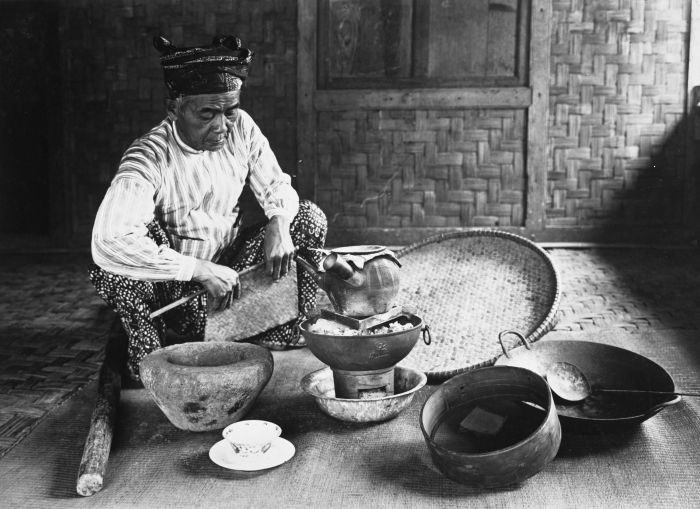 🇮🇩 Indonesia and 2 moreDukun
A traditional healer and spirit medium in Indonesian folk practiceTradition · Healing · Seeing and foretelling Living
🇮🇩 Indonesia and 2 moreDukun
A traditional healer and spirit medium in Indonesian folk practiceTradition · Healing · Seeing and foretelling Living
 🇮🇳 India and 5 moreHoliहोली
A Hindu spring festival marked by coloured powders and bonfires to celebrate love and virtue.Tradition · Love and attraction · Cursing and harm Living
🇮🇳 India and 5 moreHoliहोली
A Hindu spring festival marked by coloured powders and bonfires to celebrate love and virtue.Tradition · Love and attraction · Cursing and harm Living