Cornelius Loos
A Catholic priest who publicly opposed the European witch trials of the late 1500s.
Cornelius Loos was a Roman Catholic theologian and professor who wrote against the witch hunts in the Holy Roman Empire. He argued that confessions obtained under torture were invalid and questioned the existence of witchcraft itself.
- First Catholic official to write publicly against witch trials.
- Argued confessions under torture were invalid.
- Manuscript lost for nearly 300 years.
- Discovered in Trier by George Lincoln Burr in 1886.
- Forced to recant by Papal Nuncio in Brussels.
What it is
Cornelius Loos was a scholar and priest who challenged the prevailing beliefs about magic and witchcraft in the late sixteenth century. He is known for his manuscript True and False Magic, which argued against the reality of witchcraft and the use of torture to extract confessions. His work stands as an early example of theological skepticism regarding the supernatural accusations that fueled the European witch trials.
Where it comes from
Loos was born in Gouda in 1546 into a patrician family. He studied at the University of Leuven and later became a Professor of Theology at the University of Mainz. After moving to Trier in 1585, he witnessed the local witch trials firsthand. This direct observation led him to write letters to city authorities and eventually draft his book protesting the hunts. His arguments were influenced by Protestant physician Johann Weyer, who had previously attacked the persecution of witches.
How it is done
Loos did not practice magic; instead, he used theological argumentation to critique the legal and religious processes of the witch trials. He questioned the validity of evidence obtained through physical coercion. His approach involved writing treatises and corresponding with officials to highlight the flaws in the judicial methods used to convict accused witches.
Tools and materials
His primary tool was written text. He authored True and False Magic, a manuscript that detailed his arguments against witchcraft. He also used formal correspondence with city authorities and church officials to voice his objections. His work relied on logical deduction and theological principles rather than ritual objects or spells.
Cornelius Loos, drawn and placed
- Living
- Revived
- Fading
- Historical
- Legendary
- Performed
- Lineage
- Catholic theology
What it is for
The purpose of Loos's writing was to stop the persecution of individuals accused of witchcraft. He sought to protect people from execution based on false confessions. His work aimed to reform the judicial practices of the time by challenging the belief that witches possessed real magical powers capable of causing harm.
Who does it
Loos was a trained theologian and a Catholic priest. He held academic positions and was respected within the church before his dissent. His status as a scholar gave him the platform to question established doctrines. However, his opposition to the witch trials led to his imprisonment and forced recantation by high-ranking church officials.
Peoples and places
Loos's work is primarily associated with the Catholic communities in the Holy Roman Empire, particularly in Germany and the Low Countries. His arguments resonated with those who saw the injustice in the trials. Later scholars, such as Friedrich Spee, would build upon his skeptical views decades later. His legacy is preserved in historical records and manuscripts found in libraries across Europe.
At a glance: who, where and when
What people believe
Loos challenged the belief that witches could perform real magic and cause harm through supernatural means. He argued that many reported phenomena were illusions or the result of mental illness. He specifically rejected the idea that confessions made under torture were truthful, viewing them as products of pain rather than genuine admissions of pact-making with demons.
How scholars and sceptics see it
Historians view Loos as a significant figure in the history of skepticism during the witch trials. His manuscript was lost for nearly three centuries until its discovery in 1886. Scholars note that his work was suppressed by church authorities who supported the trials. His influence is seen in later anti-witchcraft writings that emphasized the lack of empirical evidence for magical acts.
Cautions and what is closed
Loos faced severe consequences for his views. He was imprisoned, tortured, and forced to publicly recant his beliefs. His work was confiscated and burned. He remained under surveillance by Jesuit officials, including Martin Delrio, who opposed his stance. Loos died in 1595, possibly due to the plague, while still under the threat of further persecution.
Compare and confuse
Loos is often compared to Johann Weyer, whose ideas influenced him. Both men argued against the reality of witchcraft and the validity of torture-based confessions. Unlike Weyer, who was Protestant, Loos was a Catholic priest, making his dissent more controversial within the Church. His work predates that of Friedrich Spee, another Jesuit who later criticized the trials.
Law and persecution
Loos's work was illegal under the ecclesiastical laws of the time. His manuscript was seized, and he was imprisoned for heresy. The Church authorities viewed his skepticism as a threat to the legitimacy of the witch trials. His recantation was a legal requirement to avoid execution, but he continued to face harassment from religious officials.
Questions people ask about Cornelius Loos
Who was Cornelius Loos?
He was a Roman Catholic priest and theologian born in 1546. He is known for being the first Catholic official to publicly oppose the European witch trials of the late 1500s.
What was his main argument against witchcraft?
Loos argued that witchcraft did not exist as described and that confessions obtained through torture were unreliable. He believed many accused were victims of judicial abuse rather than practitioners of magic.
What happened to his book True and False Magic?
The manuscript was seized by church officials before it could be printed. It was believed destroyed but was actually hidden in the Jesuit Library in Trier, where it was discovered in 1886.
Why was he imprisoned?
He was imprisoned because his arguments challenged the authority of the Church and the legal basis of the witch trials. He was forced to recant his views under pressure from high-ranking clergy.
Did his work have any lasting impact?
Although suppressed during his life, his ideas influenced later critics of the witch trials. His manuscript provided historical evidence of early skepticism regarding the reality of witchcraft.
Good reading and sources
The facts on this page come from the Wikipedia article "Cornelius Loos", written by its contributors and used under the CC BY-SA 4.0 licence, and from its Wikidata record (CC0). EveryJaadu rewrote the text in its own words, with AI assistance, and compares every page with the article to make sure no passage is copied. It may be reused under the same CC BY-SA 4.0 licence with a link back.
It may contain mistakes. Names and customs differ from one community to the next, and some knowledge is closed to outsiders and left out here. This page describes belief and practice. It does not say that any of it works, it is not a how-to, and it is not medical advice. If something is wrong, tell us. Last refreshed 2026-10-06.
More from the Netherlands
All the entries from the Netherlands 🇩🇪 Germany and 7 moreWalpurgis NightWalpurgisnacht
A spring vigil marking the eve of Saint Walpurga's feast day with bonfires and student festivalsRite · Protection · Speaking with spirits and the dead Living
🇩🇪 Germany and 7 moreWalpurgis NightWalpurgisnacht
A spring vigil marking the eve of Saint Walpurga's feast day with bonfires and student festivalsRite · Protection · Speaking with spirits and the dead Living
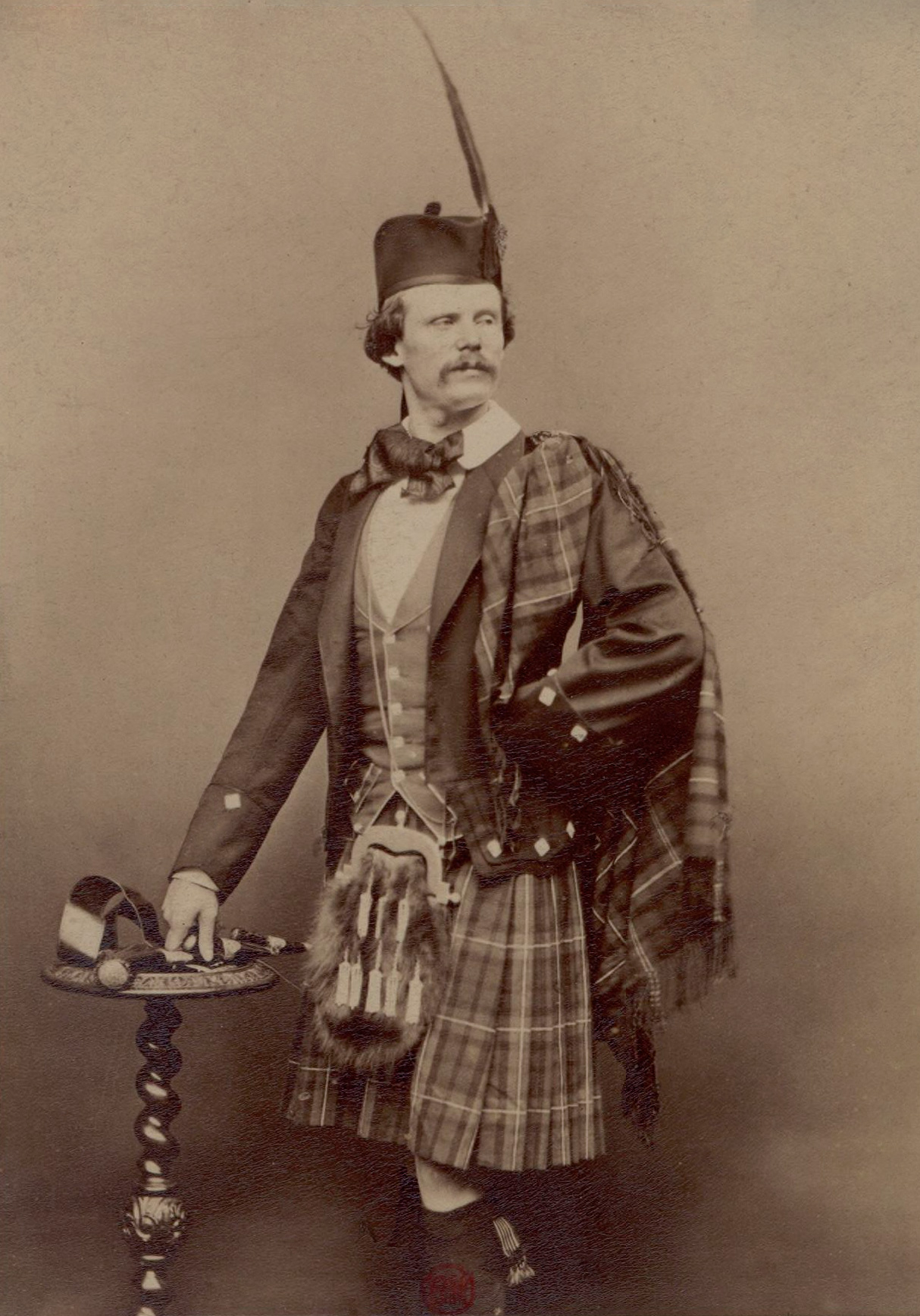 🇬🇧 United Kingdom and 2 moreDaniel Dunglas Home
A Scottish physical medium known for levitation and spirit communication during the Victorian era.Belief · Speaking with spirits and the dead · Wonder and entertainment Historical
🇬🇧 United Kingdom and 2 moreDaniel Dunglas Home
A Scottish physical medium known for levitation and spirit communication during the Victorian era.Belief · Speaking with spirits and the dead · Wonder and entertainment Historical
 🇳🇱 NetherlandsWitch trials in the Netherlands
A historical record of prosecutions and executions for sorcery in the Dutch Republic.Belief · Cursing and harm Historical
🇳🇱 NetherlandsWitch trials in the Netherlands
A historical record of prosecutions and executions for sorcery in the Dutch Republic.Belief · Cursing and harm Historical
 🇩🇪 Germany and 5 moreWild Hunt
A spectral chase across Europe led by a mythic figure and ghostly riders.Belief · Cursing and harm Historical
🇩🇪 Germany and 5 moreWild Hunt
A spectral chase across Europe led by a mythic figure and ghostly riders.Belief · Cursing and harm Historical
Related elsewhere
All belief 🇪🇬 Egypt and 1 moreLilithלִילִית
A feminine figure from Mesopotamian and Jewish mythology, often depicted as a night demon or spirit.Being · Cursing and harm Legendary
🇪🇬 Egypt and 1 moreLilithלִילִית
A feminine figure from Mesopotamian and Jewish mythology, often depicted as a night demon or spirit.Being · Cursing and harm Legendary
 🇪🇬 EgyptCurse
A spoken wish for misfortune to befall a person or placeBelief · Cursing and harm · Luck and prosperity Historical
🇪🇬 EgyptCurse
A spoken wish for misfortune to befall a person or placeBelief · Cursing and harm · Luck and prosperity Historical
 🇮🇩 Indonesia and 2 moreDukun
A traditional healer and spirit medium in Indonesian folk practiceTradition · Healing · Seeing and foretelling Living
🇮🇩 Indonesia and 2 moreDukun
A traditional healer and spirit medium in Indonesian folk practiceTradition · Healing · Seeing and foretelling Living
 🇮🇳 India and 5 moreHoliहोली
A Hindu spring festival marked by coloured powders and bonfires to celebrate love and virtue.Tradition · Love and attraction · Cursing and harm Living
🇮🇳 India and 5 moreHoliहोली
A Hindu spring festival marked by coloured powders and bonfires to celebrate love and virtue.Tradition · Love and attraction · Cursing and harm Living