
Three women from Bideford were executed in Devon for sorcery. The case is noted as the last time people were hanged for witchcraft in England before legal changes ended such prosecutions.
- Last hangings for witchcraft in England.
- Executed in August 1682 in Devon.
- Evidence relied heavily on hearsay.
- Influenced by post-Civil War politics.
What it is
The Bideford witch trial refers to the legal proceedings and subsequent executions of three women in Devon, England. Temperance Lloyd, Mary Trembles, and Susannah Edwards were accused of using sorcery to harm local residents. The case is historically significant because it marks the last instance in England where individuals were sentenced to death by hanging for the crime of witchcraft.
Where it comes from
The events began in July 1682 when shopkeeper Thomas Eastchurch reported Temperance Lloyd to constables. She was arrested and held in a chapel lock-up. Evidence included hearsay claims and a confession by Lloyd regarding a pact with a devil appearing as a black man. Other accusations involved pricking victims and causing illness through magical means or familiars like cats and magpies.
How it is done
Authorities investigated complaints of physical ailments attributed to magic. Witnesses claimed to see marks on bodies or overheard confessions of demonic pacts. Defendants were questioned by justices and rectors. Confessions were extracted under pressure, often blaming others. Trials occurred at the Exeter Assizes before a jury convicted the women based on these testimonies.
Tools and materials
Accusations relied on alleged physical evidence such as teats found on bodies, which were interpreted as signs of demonic suckling. Victims reported pricks in their skin. Accusers mentioned familiars like tabby cats and magpies. A doll was allegedly used in image magic, though this was denied.
Bideford witch trial, drawn and placed
- Living
- Revived
- Fading
- Historical
- Legendary
- Performed
What it is for
The women were accused of harming neighbors through curses and physical torment. Victims believed they suffered from illnesses caused by the witches' malice. The accusations served to explain unexplained suffering and misfortune within the community during a period of food shortage.
Who does it
Temperance Lloyd, Mary Trembles, and Susannah Edwards were the accused practitioners. They were ordinary women from Bideford who faced arrest and interrogation by local magistrates. Their confessions implicated each other and linked them to previous cases, creating a chain of blame.
Peoples and places
The trial took place in Devon among English communities. It reflects the fears and legal practices of late seventeenth-century England. The case is often compared to other European witch hunts, though it stands alone as the final execution for witchcraft in England.
At a glance: who, where and when
Who does it
Peoples

What people believe
The prosecution rested on the belief that witches made pacts with the devil. Accusers claimed the defendants received power from a figure appearing as a black man. This entity was said to provide protection and instruct the women in causing harm. The existence of familiars and physical marks confirmed these supernatural connections.
When it is done
The investigation started in July 1682. Arrests were made shortly after complaints were filed. The trial occurred later that month, leading to executions on August 25, 1682. The timing coincided with social tension following the English Civil War.
How scholars and sceptics see it
Historians view the trial as influenced by political and religious tensions between Whigs and Anglican Tories in the West Country. Scholars note that the evidence was largely hearsay. The case highlights how legal standards shifted toward skepticism in the following decades.
Cautions and what is closed
The women were executed and buried in unconsecrated ground. Their graves are now located under a university car park. The trial demonstrates the severe consequences of witchcraft accusations in early modern England, ending only with legislative change.
Compare and confuse
The Bideford trial is similar to other English witch trials but distinct as the final execution. It is often compared to the Salem witch trials in America and various European hunts in Sweden and Germany. Unlike those, no further hangings for witchcraft occurred in England afterward.
Law and persecution
The Witchcraft Act of 1735 ended prosecutions for witchcraft in England. Sceptical jurists had already reduced convictions prior to this law. The Bideford case occurred before this legal shift, representing the peak of capital punishment for sorcery.
Questions people ask about Bideford witch trial
Who were the Bideford witches?
They were Temperance Lloyd, Mary Trembles, and Susannah Edwards, three women from Bideford in Devon, England, who were executed for witchcraft in 1682.
Why is this trial famous?
It is famous because it was the last time people were hanged for witchcraft in England, marking the end of capital punishment for sorcery in the country.
What evidence was used against them?
The evidence consisted mainly of hearsay, overheard confessions, and allegations of physical marks or demonic pacts, rather than direct proof of harmful acts.
Where did the executions take place?
The women were hanged at the Heavitree gallows outside Exeter, and their bodies were buried in unconsecrated ground nearby.
Good reading and sources
The facts on this page come from the Wikipedia article "Bideford witch trial", written by its contributors and used under the CC BY-SA 4.0 licence, and from its Wikidata record (CC0). EveryJaadu rewrote the text in its own words, with AI assistance, and compares every page with the article to make sure no passage is copied. It may be reused under the same CC BY-SA 4.0 licence with a link back.
It may contain mistakes. Names and customs differ from one community to the next, and some knowledge is closed to outsiders and left out here. This page describes belief and practice. It does not say that any of it works, it is not a how-to, and it is not medical advice. If something is wrong, tell us. Last refreshed 2026-10-05.
More from the United Kingdom
All the entries from the United Kingdom 🇬🇧 United Kingdom and 2 moreKing ArthurBrenin Arthur
A legendary British king and folk hero of medieval literature and Welsh mythologyFigure · Power and authority · Wonder and entertainment Legendary
🇬🇧 United Kingdom and 2 moreKing ArthurBrenin Arthur
A legendary British king and folk hero of medieval literature and Welsh mythologyFigure · Power and authority · Wonder and entertainment Legendary
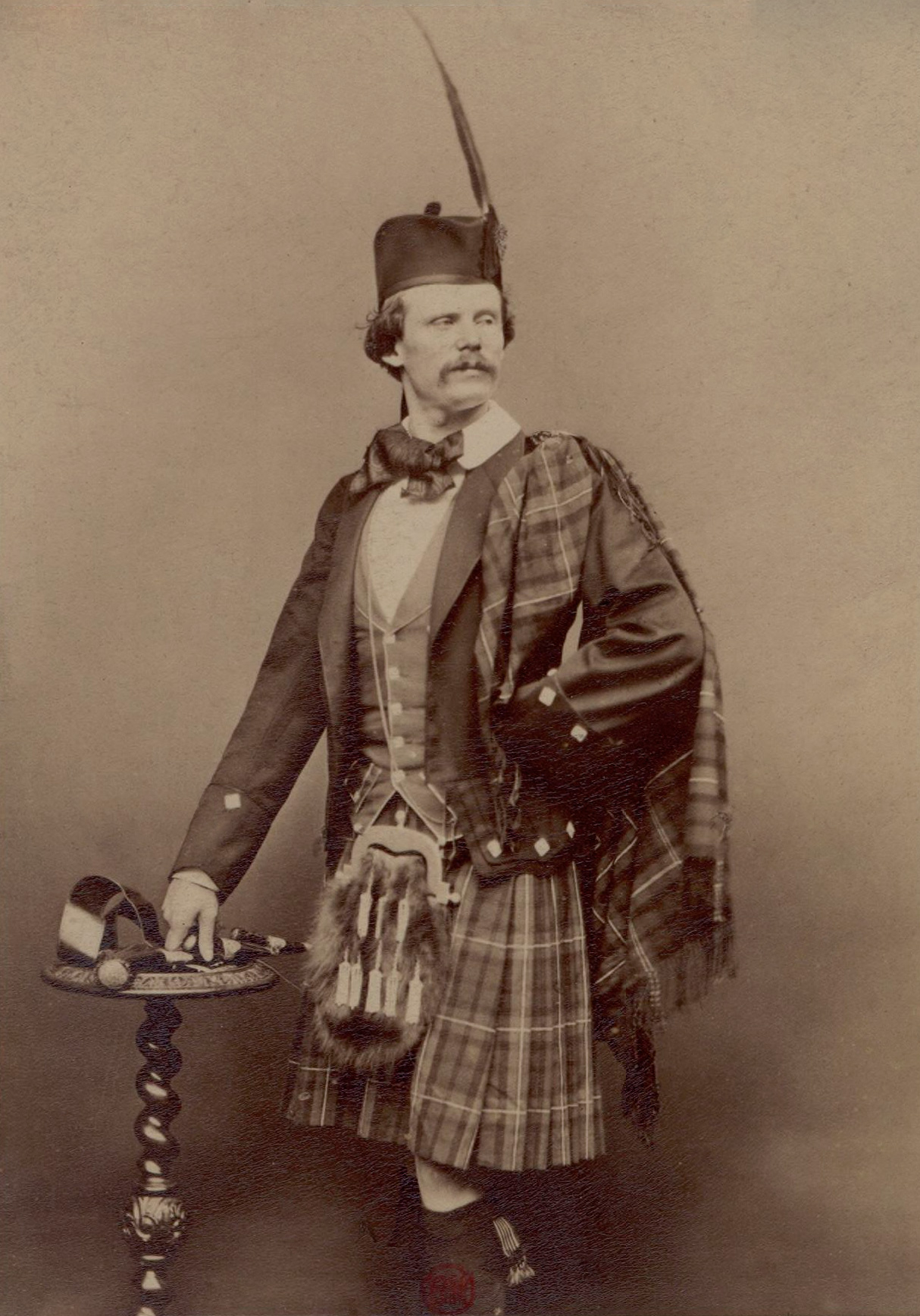 🇬🇧 United Kingdom and 2 moreDaniel Dunglas Home
A Scottish physical medium known for levitation and spirit communication during the Victorian era.Belief · Speaking with spirits and the dead · Wonder and entertainment Historical
🇬🇧 United Kingdom and 2 moreDaniel Dunglas Home
A Scottish physical medium known for levitation and spirit communication during the Victorian era.Belief · Speaking with spirits and the dead · Wonder and entertainment Historical
 🇬🇧 United KingdomSamlesbury witches
Three Lancashire women acquitted in a 1612 trial linked to anti-Catholic propagandaBelief · Cursing and harm Historical
🇬🇧 United KingdomPaisley witches
A 1697 Scottish witch trial ending in mass execution after a child's illness sparked local panic.Belief · Cursing and harm Historical
🇬🇧 United KingdomSamlesbury witches
Three Lancashire women acquitted in a 1612 trial linked to anti-Catholic propagandaBelief · Cursing and harm Historical
🇬🇧 United KingdomPaisley witches
A 1697 Scottish witch trial ending in mass execution after a child's illness sparked local panic.Belief · Cursing and harm Historical
Related elsewhere
All belief 🇪🇬 Egypt and 1 moreLilithלִילִית
A feminine figure from Mesopotamian and Jewish mythology, often depicted as a night demon or spirit.Being · Cursing and harm Legendary
🇪🇬 Egypt and 1 moreLilithלִילִית
A feminine figure from Mesopotamian and Jewish mythology, often depicted as a night demon or spirit.Being · Cursing and harm Legendary
 🇪🇬 EgyptCurse
A spoken wish for misfortune to befall a person or placeBelief · Cursing and harm · Luck and prosperity Historical
🇪🇬 EgyptCurse
A spoken wish for misfortune to befall a person or placeBelief · Cursing and harm · Luck and prosperity Historical
 🇮🇶 Iraq and 1 moreRabisu
A wind spirit in Akkadian myth sent to correct human transgressionsBeing · Cursing and harm · Cleansing and purification Historical
🇮🇶 Iraq and 1 moreRabisu
A wind spirit in Akkadian myth sent to correct human transgressionsBeing · Cursing and harm · Cleansing and purification Historical
 🇵🇭 PhilippinesTikbalang
A horse-headed spirit of Philippine forests that leads travelers astrayBeing · Cursing and harm · Luck and prosperity Living
🇵🇭 PhilippinesTikbalang
A horse-headed spirit of Philippine forests that leads travelers astrayBeing · Cursing and harm · Luck and prosperity Living