
Boggart
from Middle English bugge, meaning spirit or monster, with an aggrandizing suffix
A malevolent household spirit from northern English folklore
The boggart is a solitary supernatural being from English folklore, primarily associated with the north-west. It is described as an ambivalent or evil apparition that haunts homes and specific geographic locations.
- Boggart comes from Middle English bugge, meaning spirit
- Naming a boggart was believed to make it uncontrollable
- They haunt homes and specific geographic locations in England
- Described as ugly, hairy, or beast-like creatures
- Simon Young conducted a census on modern understanding in 2019
What it is
A boggart is a supernatural entity in English tradition, defined by folklorists as a generic name for an apparition or a solitary evil spirit. These beings are ambivalent but often malevolent, inhabiting both domestic spaces and the wider countryside. They function as household spirits or as local deities tied to specific topographical features. Descriptions vary widely, ranging from ugly human-like figures to beastly monsters with bestial attributes. Some accounts depict them as headless apparitions or proto-poltergeists capable of causing chaos within the home.
Where it comes from
The term originates from the Middle English word bugge, which referred to a spirit or monster. The addition of a suffix created boggart, implying a great big bugge. This linguistic root connects it to other British and Irish terms like bogle, bugaboo, and bogeyman. While related to words like bucca and pooka, the exact connection remains uncertain. The concept evolved through regional dialects, with variations like boggard appearing in Yorkshire.
How it is done
Boggarts are not performed rituals but are believed to act autonomously. They are said to crawl into beds at night, placing clammy hands on faces or stripping sheets. In some tales, they create disturbances like banging doors, laughing loudly, or overturning carts. A key belief involves their names; giving a boggart a name was thought to make it uncontrollable and destructive, preventing any reasoning or persuasion.
Tools and materials
Descriptions of boggarts include physical traits rather than tools. They are often depicted with long shaggy hair, eyes like saucers, and sometimes cloven hooves or tails resembling a satyr. Some versions trail chains that sound like hounds. Others are described as squat, hairy men strong as horses. The Bannister Hall Doll is cited as a representation of a boggart in two forms.
Boggart, drawn and placed
- Living
- Revived
- Fading
- Historical
- Legendary
- Performed
- Lineage
- English folklore
- Timing
- at night
What it is for
Boggarts serve no beneficial purpose for humans. They are feared for their torment, including theft, pranks, and physical harassment. Families reportedly fled their homes to escape them. In one tale, a farmer outwitted a boggart by choosing crops that grew underground, leaving the spirit with nothing. Another version involved planting iron rods to blunt the boggart's scythe.
Who does it
No practitioners perform rites for boggarts. They are subjects of study for folklorists and dialectologists. Scholars like Elizabeth Wright and Simon Young have analyzed their definitions and distribution. Local communities in northern England historically held beliefs about them, often avoiding naming them or digging near their supposed graves.
Peoples and places
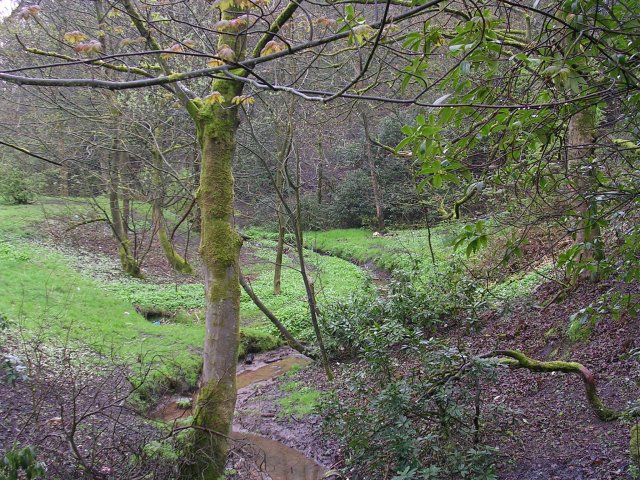
Boggarts are central to English folklore, particularly in Lancashire, Yorkshire, Cheshire, and Derbyshire. The word boggard is common in Yorkshire dialect. In Scotland and southern England, similar entities might be called bogle or bogeyman. The distribution map suggests stories extended from Cleveland to Skegness. Different regions had varying descriptions, from hilltop hobgoblins to house-dwelling faeries.
At a glance: who, where and when
Who does it
Peoples


What people believe
Belief in boggarts stems from a worldview where spirits inhabit places and homes. They are genius loci, tied to specific geography. The fear of naming them reflects a belief in the power of true names to control spirits. Some legends suggest they can change shape or hide in cracks. A leader called Owd Hob was said to appear as a devil-like figure with horns and hooves.
When it is done
Boggarts are active at night, crawling into beds and causing disturbances after dark. Specific occasions are not recorded, but their presence is felt during daily life in the home. Some tales involve seasonal harvest disputes, though these are narrative devices rather than ritual timings.
How scholars and sceptics see it
Folklorists categorize boggarts as ambiguous spirits. Simon Young launched a census in 2019 to track modern understanding, finding many negatives among older generations. Dialectologists note the word's usage for skittish horses or owl pellets. Scholars distinguish between house boggarts and those tied to land, noting the evolution of the term from a general apparition to a specific malevolent entity.
Cautions and what is closed
Boggarts are described as dangerous and destructive if provoked or named. They were believed to follow families who fled, making escape difficult. In modern contexts, place names like Boggart Stones are associated with tragic events, such as the burial of murder victims, adding a layer of grim history to the folklore.
Compare and confuse
Boggarts are often confused with brownies, especially in later fiction where angry brownies become boggarts. This distinction is not found in traditional sources. They share roots with the bogeyman and bogle. In fantasy literature, they are sometimes depicted as shape-shifters reflecting fears, a trait borrowed from later adaptations rather than original folklore.
Questions people ask about Boggart
What is a boggart?
A boggart is a solitary supernatural spirit from English folklore, often malevolent. It is described as a generic name for an apparition that haunts homes or specific landscapes in northern England.
Where do boggarts come from?
The term derives from the Middle English word bugge, meaning spirit or monster. It is closely linked to dialects in Lancashire and Yorkshire, with variations like boggard and bogle.
What does a boggart look like?
Descriptions vary. They may be ugly human-like figures, squat hairy men, or beastly creatures with cloven hooves and long hair. Some are headless or resemble satyrs.
How do you deal with a boggart?
Traditional belief warns against naming a boggart, as this makes it uncontrollable. Families often fled their homes, and some tales describe outwitting them through clever crop choices.
Are boggarts still believed in today?
While historical belief is documented, a 2019 census showed many people, especially younger generations, had never heard of boggarts. They remain part of cultural heritage and place names.
Good reading and sources
The facts on this page come from the Wikipedia article "Boggart", written by its contributors and used under the CC BY-SA 4.0 licence, and from its Wikidata record (CC0). EveryJaadu rewrote the text in its own words, with AI assistance, and compares every page with the article to make sure no passage is copied. It may be reused under the same CC BY-SA 4.0 licence with a link back.
It may contain mistakes. Names and customs differ from one community to the next, and some knowledge is closed to outsiders and left out here. This page describes belief and practice. It does not say that any of it works, it is not a how-to, and it is not medical advice. If something is wrong, tell us. Last refreshed 2026-10-05.
More from the United Kingdom
All the entries from the United Kingdom 🇬🇧 United KingdomCeridwenCerridwen
A Welsh enchantress and modern goddess of poetic inspiration and transformation.Being · Change and initiation Revived
🇬🇧 United Kingdom and 1 moreFuath
A class of malevolent water spirits in Scottish and Irish folkloreBeing · Cursing and harm Legendary
🇬🇧 United KingdomCeridwenCerridwen
A Welsh enchantress and modern goddess of poetic inspiration and transformation.Being · Change and initiation Revived
🇬🇧 United Kingdom and 1 moreFuath
A class of malevolent water spirits in Scottish and Irish folkloreBeing · Cursing and harm Legendary
 🇬🇧 United Kingdom and 1 moreEach-uisge
A fierce water spirit of the Scottish Highlands and Irish shores that takes the form of a horse.Being · Cursing and harm Legendary
🇬🇧 United Kingdom and 1 moreEach-uisge
A fierce water spirit of the Scottish Highlands and Irish shores that takes the form of a horse.Being · Cursing and harm Legendary
Related elsewhere
All being 🇪🇬 Egypt and 1 moreLilithלִילִית
A feminine figure from Mesopotamian and Jewish mythology, often depicted as a night demon or spirit.Being · Cursing and harm Legendary
🇪🇬 Egypt and 1 moreLilithלִילִית
A feminine figure from Mesopotamian and Jewish mythology, often depicted as a night demon or spirit.Being · Cursing and harm Legendary
 🇪🇬 EgyptCurse
A spoken wish for misfortune to befall a person or placeBelief · Cursing and harm · Luck and prosperity Historical
🇪🇬 EgyptCurse
A spoken wish for misfortune to befall a person or placeBelief · Cursing and harm · Luck and prosperity Historical
 🇮🇳 India and 5 moreHoliहोली
A Hindu spring festival marked by coloured powders and bonfires to celebrate love and virtue.Tradition · Love and attraction · Cursing and harm Living
🇺🇸 United StatesDeliverance ministry
A Christian practice to remove evil spirits believed to cause personal afflictionRite · Cursing and harm · Cleansing and purification Living
🇮🇳 India and 5 moreHoliहोली
A Hindu spring festival marked by coloured powders and bonfires to celebrate love and virtue.Tradition · Love and attraction · Cursing and harm Living
🇺🇸 United StatesDeliverance ministry
A Christian practice to remove evil spirits believed to cause personal afflictionRite · Cursing and harm · Cleansing and purification Living